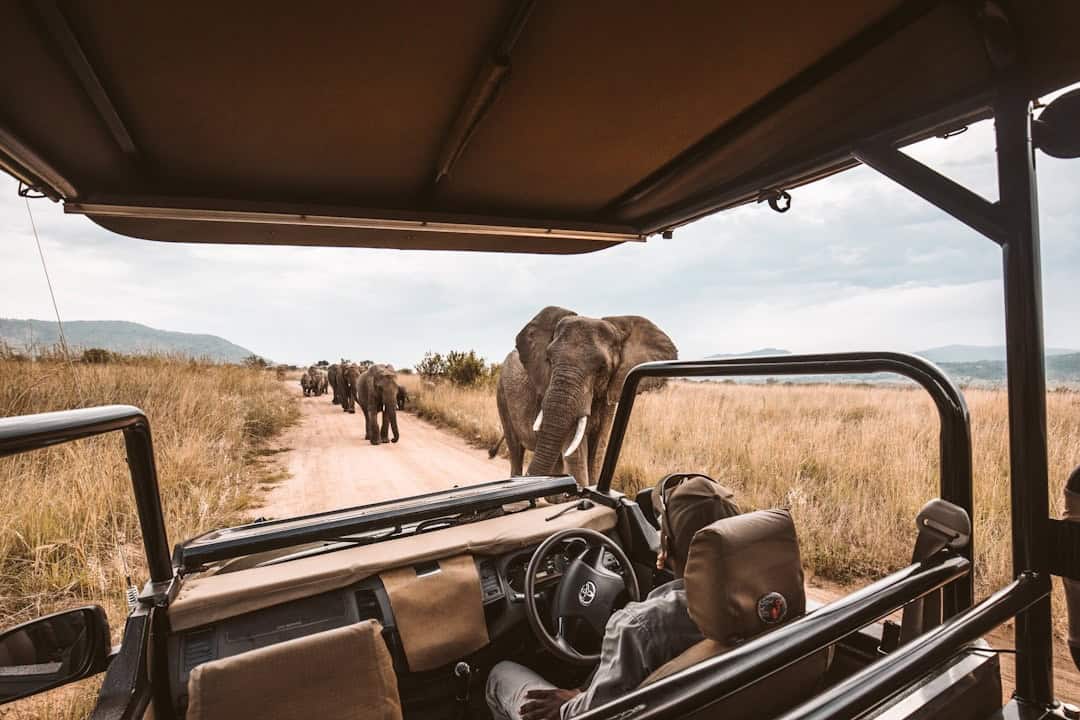
I paid $180 for a full-day safari in Kenya last year and saw four lions before lunch. That’s when it hit me: you don’t need a $10,000 luxury lodge to experience Africa’s wildlife properly.
With 2026 summer planning in full swing, safari prices are already creeping up for July–September. But if you know where to look — and when to go — you can still do an unforgettable African safari for under $150–$250 per day.
Key Takeaways
- Budget safaris in Africa start from $120–$250 per day including guides and park fees.
- May–June and late October 2026 offer the best mix of low prices and good wildlife viewing.
- Kenya and Tanzania are iconic but cheapest in shoulder season outside peak migration months.
- Namibia and South Africa offer self-drive safaris that cut costs dramatically.
- Booking 3–6 months ahead for summer 2026 secures better lodge and tour rates.
Here are five affordable safari destinations in Africa for 2026 — and exactly why I’d recommend each one.
1. Kenya – Masai Mara (Budget-Friendly During Shoulder Season)
Yes, the Masai Mara is famous. Yes, it can be expensive. But it doesn’t have to be.
If you avoid peak Great Migration season (July–September), you can find 3-day group safaris from Nairobi starting at $450–$650 total in May, early June, or late October 2026.
That usually includes:
- Transport from Nairobi (5–6 hours by road)
- Two nights in a tented camp
- Park fees
- Game drives with a licensed guide
The wildlife is still phenomenal outside migration months. I’ve seen cheetahs hunting in May with barely another vehicle in sight.
Pro tip: Skip the ultra-luxury “Instagram lodges” unless you’re celebrating something major. Many budget tented camps offer comfortable beds, hot showers, and unbeatable proximity to wildlife for a fraction of the price.
If you’re flying in late, consider overnighting in Nairobi. We love unique stays like those featured in our guide to airport hotels with runway views — surprisingly practical when dealing with early safari departures.
2. Tanzania – Serengeti (Smarter Routes Save Big Money)
Tanzania has a reputation for being pricier than Kenya — and often it is. But the trick is how you structure your trip.
Instead of flying directly into the Serengeti (expensive), land at Kilimanjaro or Arusha and book a shared 4-day safari circuit covering:
- Serengeti National Park
- Ngorongoro Crater
- Tarangire National Park
In 2026 shoulder season, these group tours range from $900–$1,200 total.
That works out to roughly $225–$300 per day — impressive for some of the best wildlife viewing on Earth.
The Serengeti in late May and early June is especially magical. Calving season ends, predators are active, and prices are still below peak migration madness.
What I’d skip: Ultra-short 1–2 day trips. Distances are huge. You’ll spend more time driving than watching wildlife.
3. Namibia – Etosha National Park (Best Self-Drive Safari)
If you’re comfortable renting a car, Namibia is the ultimate budget safari hack.
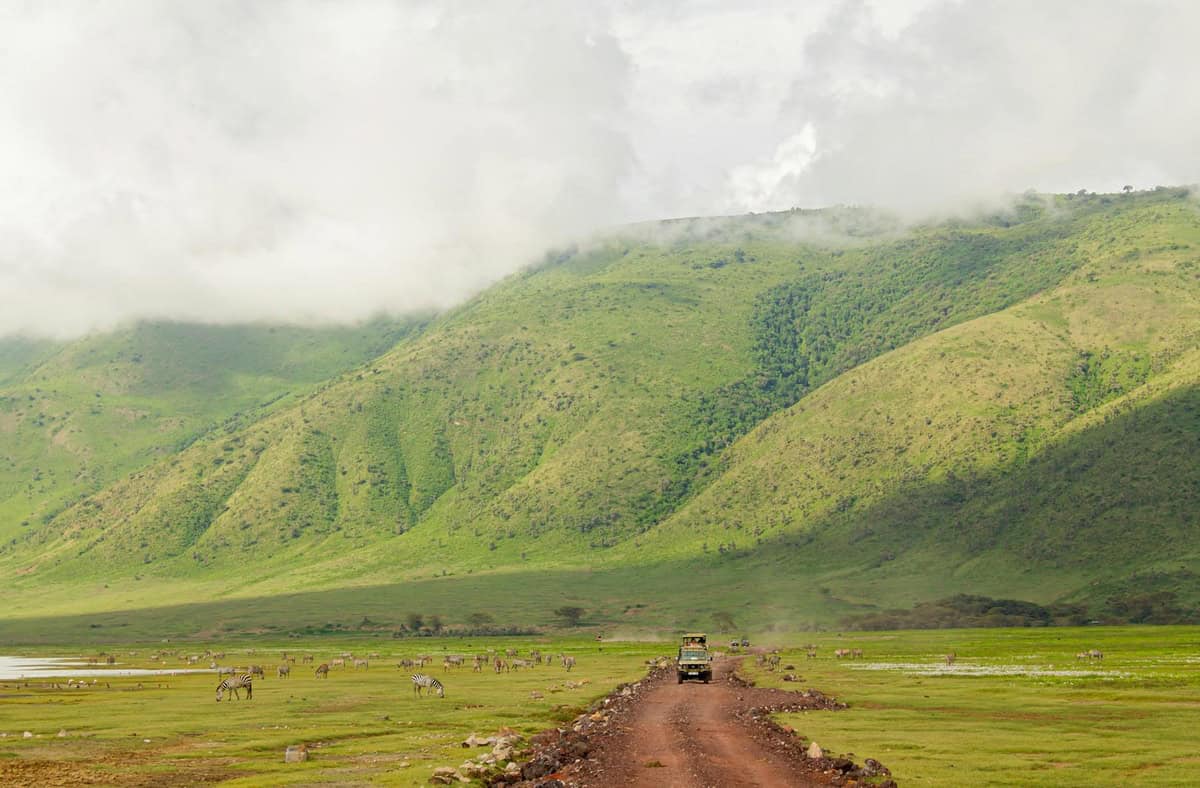
Etosha National Park is designed for self-drive exploration. Roads are good. Wildlife congregates around waterholes. And you don’t need a guide to spot elephants 20 meters away.
Typical 2026 costs:
- Rental car: $40–$70 per day
- Park fees: around $10–$15 per day
- Budget lodge or campsite: $20–$80 per night
You can realistically do Etosha for under $120 per day.
May and June are excellent months — dry season begins, animals cluster at waterholes, and temperatures are pleasant. By August, prices and crowds increase.
Why I love Namibia: You combine safari with surreal desert landscapes. Sossusvlei’s dunes look like Mars. It’s a completely different vibe from East Africa’s savannah.
4. South Africa – Kruger National Park (Big Five on a Budget)
Kruger is hands down one of the cheapest ways to see the Big Five in Africa.
Like Namibia, it’s perfect for self-drive travelers. You fly into Johannesburg, drive 4–5 hours to the park, and explore at your own pace.
Typical daily costs in 2026:
- Park fee (international visitor): around $25 per day
- Rest camp accommodation: $30–$90 per night
- Car rental: $30–$60 per day
You can comfortably manage $100–$150 per day excluding flights.
May is one of the best months to visit — vegetation thins out, animals are easier to spot, and temperatures are mild. July–August (European summer holidays) are busier and pricier.
Honest opinion: Private reserves bordering Kruger are amazing but dramatically more expensive. For budget-conscious travelers, the main park delivers 80% of the experience at half the cost.
5. Uganda – Queen Elizabeth National Park (Underrated & Affordable)
Uganda is often overshadowed by Kenya and Tanzania, but it offers serious value.
Queen Elizabeth National Park combines savannah wildlife with boat safaris along the Kazinga Channel. Watching hippos from the water is a different level of safari experience.
3-day safaris from Kampala in 2026 typically start around $500–$800, depending on accommodation level.
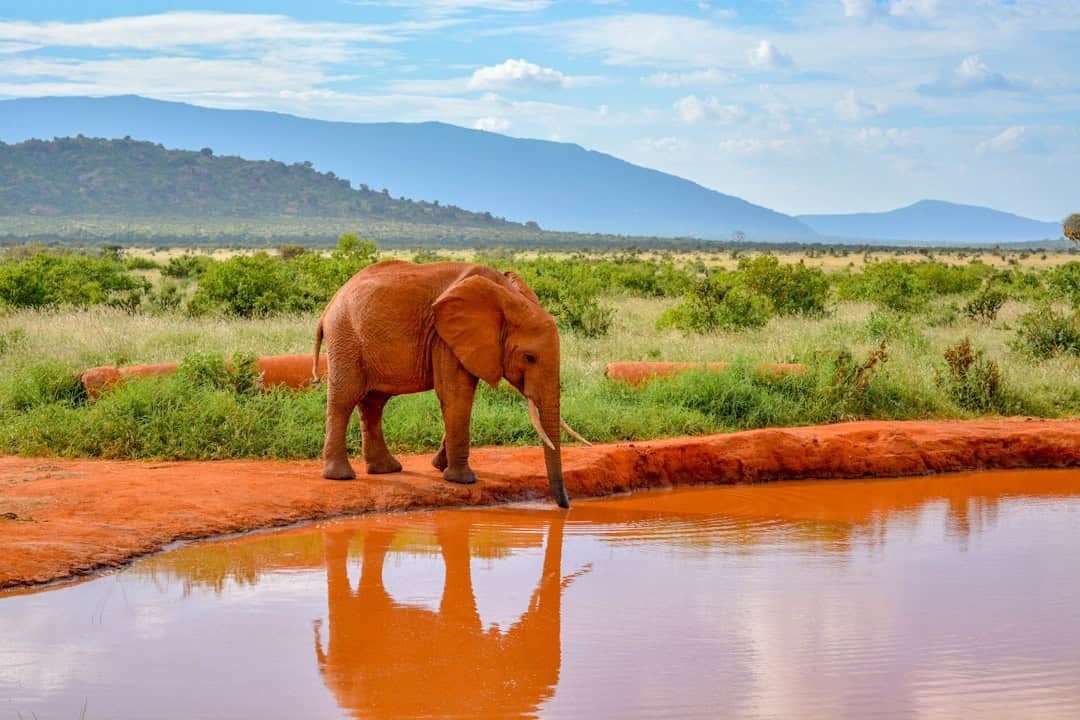
The big draw? You can combine it with chimp tracking or (if budget allows) mountain gorilla trekking — though gorilla permits alone cost around $700.
Late May and early June are great months: green landscapes, fewer tourists, and decent wildlife visibility.
How to Keep Your Safari Affordable in 2026
Safari pricing can swing wildly depending on season and structure. Here’s how to avoid overpaying:
- Travel in shoulder season (May–June or late October).
- Join small group tours instead of private safaris.
- Consider self-drive parks like Etosha or Kruger.
- Book 3–6 months in advance for summer 2026.
- Compare park fee policies — they vary widely.
If you’re weighing safari against a beach escape this summer, it’s worth comparing costs. For example, some options in our guide to affordable Caribbean islands for summer 2026 can actually rival mid-range safari pricing — but offer a completely different experience.
When Is the Best Time for an Affordable Safari?
Right now — late spring 2026 — is prime booking time for:
- June safaris (excellent value)
- Late October shoulder season deals
- Early bird discounts for 2027 migration trips
Dry season (May–October) generally offers the best wildlife visibility. But peak migration months (July–September) mean higher prices in Kenya and Tanzania.
If budget is your priority, aim for late May or early June. You’ll still see incredible wildlife, and you’ll save hundreds — sometimes thousands — of dollars.
Final Thoughts: Safari Doesn’t Have to Be a Luxury Fantasy
African safari is one of those bucket-list experiences people assume requires a trust fund.
It doesn’t.
With smart timing, realistic expectations, and a willingness to skip ultra-luxury lodges, you can witness lions at sunrise and elephants at a watering hole for less than many European city breaks.
If 2026 is the year you finally do it, start comparing routes now — and don’t wait until peak summer rates lock in.
Have questions about planning your safari? Drop them in the comments or share this guide with your travel partner — the adventure starts with smart planning.
Frequently Asked Questions
How much does an affordable African safari cost in 2026?
Budget safaris typically range from $120–$300 per day depending on the country, park fees, and whether you choose self-drive or group tours. Kenya and Tanzania group safaris often start around $450–$1,200 for 3–4 days.
What is the cheapest country in Africa for safari?
South Africa and Namibia are often the cheapest thanks to self-drive options and lower daily park fees. You can realistically do Kruger or Etosha for around $100–$150 per day excluding flights.
When is the best time for a budget safari in Africa?
May–June and late October offer the best combination of lower prices and strong wildlife viewing. Peak migration season (July–September) is more expensive, especially in Kenya and Tanzania.
Is a self-drive safari safe for first-timers?
Yes, in well-managed parks like Kruger (South Africa) and Etosha (Namibia). Roads are maintained, signage is clear, and you can stay inside official rest camps for added safety.

About the Author: Tomáš Bzirský
Founder and editor of Distratech. Based in the Czech Republic, travelling regularly from Central Europe. Writes practical travel guides and travel-tech comparisons (eSIM, apps, airports) in six languages.