'/%3E%3Cpath%20fill='%23b2b2b2'%20d='M241%20382q0%2016%2017%2026%2017%2011%2042%2011t42-11q16-11%2017-26V269H241'/%3E%3Cpath%20fill='%239f7e00'%20d='M241%20379q0%2014%208%2023%209%209%2021%209%2014%200%2021-9%209-9%209-23V269h-59'/%3E%3Cpath%20d='M241%20339v-70h59v110q0%2014-9%2023l-6%205v-68h-15v72q-8%200-14-4v-68zm59%2040c0%2022%2015%2032%2029%2032%2021%200%2030-18%2030-32v-40h-59'/%3E%3Cpath%20fill='%239f7e00'%20d='M266%20277v5h2v12h-3v-5h2v-5h-9v5h2v5h-4v9h3v18h-5v10h34v-10h-5v-18h3v-9h-4v-5h2v-5h-9v5h2v5h-3v-12h2v-5zm42%20101q0%2010%206%2017%206%206%2015%207%2010-1%2016-7%206-7%206-17v-29h-43'/%3E%3Ccircle%20fill='%230044ad'%20cx='329.5'%20cy='372'%20r='6'/%3E%3Cellipse%20fill='%230044ad'%20cx='300'%20cy='340'%20rx='16'%20ry='21'/%3E%3C/svg%3E)
'/%3E%3C/svg%3E)


'/%3E%3C/g%3E%3Cuse%20href='%23c'%20transform='matrix(-1%200%200%201%20720%200)'/%3E%3C/svg%3E)


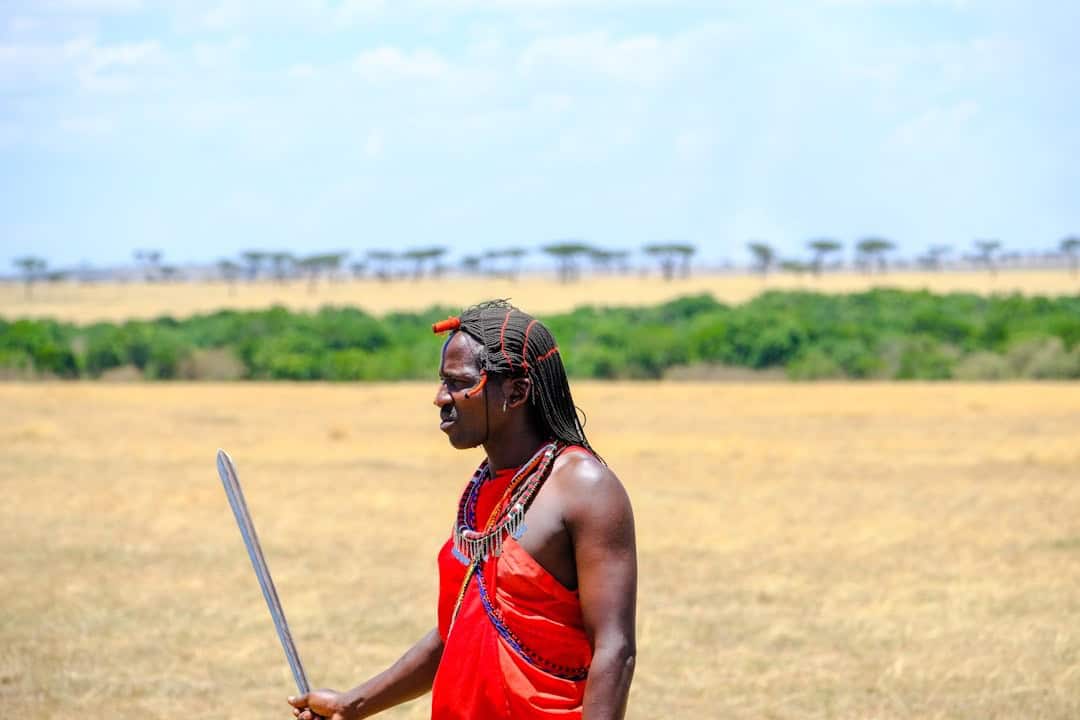
The first time I saw a lion in the wild, it wasn’t through binoculars. It was 15 meters from our Land Cruiser in the Maasai Mara, lazily blinking in the golden 6:45am light. No fence. No soundtrack. Just the low hum of the engine and six of us holding our breath.
If you’re planning your first safari in Kenya for 2026, here’s the honest truth: it’s expensive, logistically confusing, and absolutely worth it — if you do it right. I’ve broken down exactly what it costs, where to stay, and when to go (especially with migration season around the corner).
Key Takeaways
- Expect to pay $350–$900 per person per night for a Maasai Mara safari (all-inclusive).
- The Great Migration typically hits the Mara between July and October.
- Park fees in 2026 are $200 per adult per 24 hours (non-residents, peak season).
- 3 nights is the sweet spot for first-timers to see the Big Five without rushing.
- Flying from Nairobi to the Mara takes 45–60 minutes and saves 5–6 hours of driving.
Step 1: Understand What a Kenya Safari Actually Costs in 2026
Safari pricing can feel intentionally vague. Let’s make it simple.
For the Maasai Mara in high season (July–October), most reputable camps charge between $450 and $900 per person per night. That usually includes accommodation, all meals, shared game drives, park fees (sometimes separate), and airport transfers from the Mara airstrip.
In shoulder season (late May–June and November), you can find solid camps from $350–$500 per night. Late spring (right now in May) is a fantastic value window before migration crowds spike prices.
Here’s a realistic 3-night breakdown for one person in peak season:
- Camp (mid-range): $600 x 3 nights = $1,800
- Park fees: ~$200 per day x 3 = $600
- Return flight Nairobi–Mara: $200–$300
- Tips & extras: $100–$150
Total: Around $2,700–$2,900 per person.
Yes, it’s a splurge. But when you compare it to trekking logistics like hiking the Tour du Mont Blanc in 2026, where costs stack up across lodging, guides, and transfers, safari pricing is actually more bundled and straightforward.
Step 2: Choose the Right Area of the Maasai Mara
Not all “Mara” camps are equal. This is where first-timers make expensive mistakes.
Main Reserve vs. Conservancies
Main Maasai Mara National Reserve: Best for Great Migration river crossings (July–September). More vehicles. More dramatic sightings. More chaos.
Private Conservancies (e.g., Olare Motorogi, Mara North, Naboisho): Fewer vehicles, off-road driving allowed, night drives included. Slightly pricier — but far more intimate.
If you’re not fixated on river crossings, I strongly recommend a conservancy. Watching a leopard with only two vehicles nearby beats fighting 30 jeeps for a single photo.
Step 3: Pick the Right Camp (And Avoid Tourist Traps)
There are over 200 camps and lodges in the greater Mara ecosystem. Some are magical. Some are safari factories.
Here’s how to think about it:
Budget Camps ($300–$450/night)
Canvas tents, bucket showers, great guiding if you choose well. Look for small camps with 8–12 tents max. Avoid massive bus-tour lodges near main gates.
Mid-Range Camps ($450–$700/night)
This is the sweet spot. Ensuite bathrooms, excellent guides, good food, and fewer guests. Ideal for first-timers.
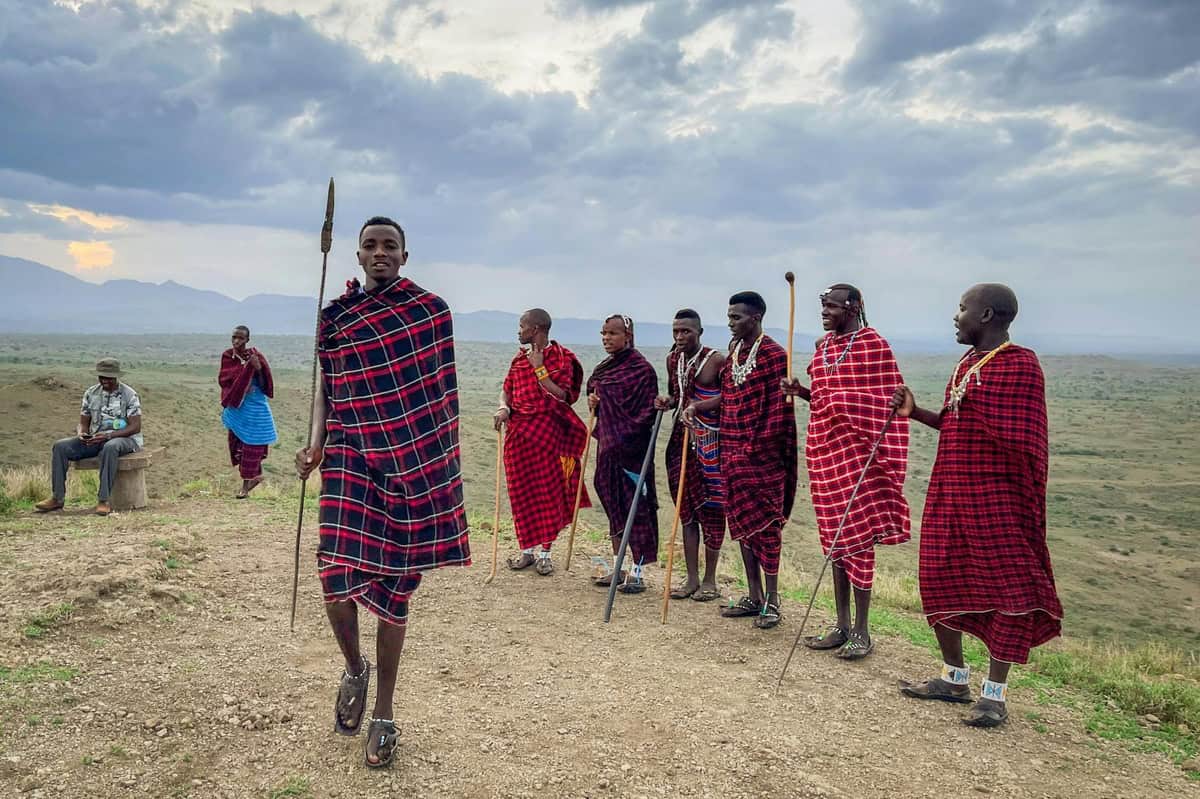
Luxury Camps ($800–$1,500+/night)
Private plunge pools, wine cellars, and near-guaranteed top-tier guides. Incredible — but diminishing returns unless you truly value ultra-lux comfort.
My opinion? Spend money on location and guiding quality, not bathtubs with views.
Step 4: Time Your Safari Around the Great Migration (Or Don’t)
The Great Migration — 1.5+ million wildebeest crossing from Tanzania’s Serengeti into the Maasai Mara — usually arrives between mid-July and early October.
River crossings (the dramatic crocodile scenes you’ve seen on National Geographic) are unpredictable. You might wait hours. Or days.
If you want:
- Epic river crossings: Late July–September (highest prices, most vehicles)
- Fewer crowds + excellent predator sightings: Late May–June
- Best value deals: November (short rains, but wildlife still strong)
Personally? Late June is my favorite. The grass is shorter, wildlife visibility is excellent, and prices haven’t peaked yet — similar logic to booking Bali in shoulder season before summer hits.
Step 5: Decide How Long to Stay
For first-timers, 3 nights (4 days) is ideal.
Day 1 is arrival and an afternoon drive. Days 2 and 3 are full morning + evening game drives. Day 4 is a final short drive before departure.
Two nights feels rushed. Five nights can be amazing — but only if you’re a wildlife fanatic or combining regions.
Step 6: Flights vs. Driving from Nairobi
You have two main options from Nairobi:
Fly: 45–60 minutes, $200–$300 return. Scenic. Saves energy.
Drive: 5–6 hours (sometimes 7+ depending on road conditions). Cheaper if in a group. Bumpy.
For a first safari, I always recommend flying in and out. You want to arrive fresh — not sore from six hours of potholes.
What a Typical Safari Day Looks Like
This surprises people.
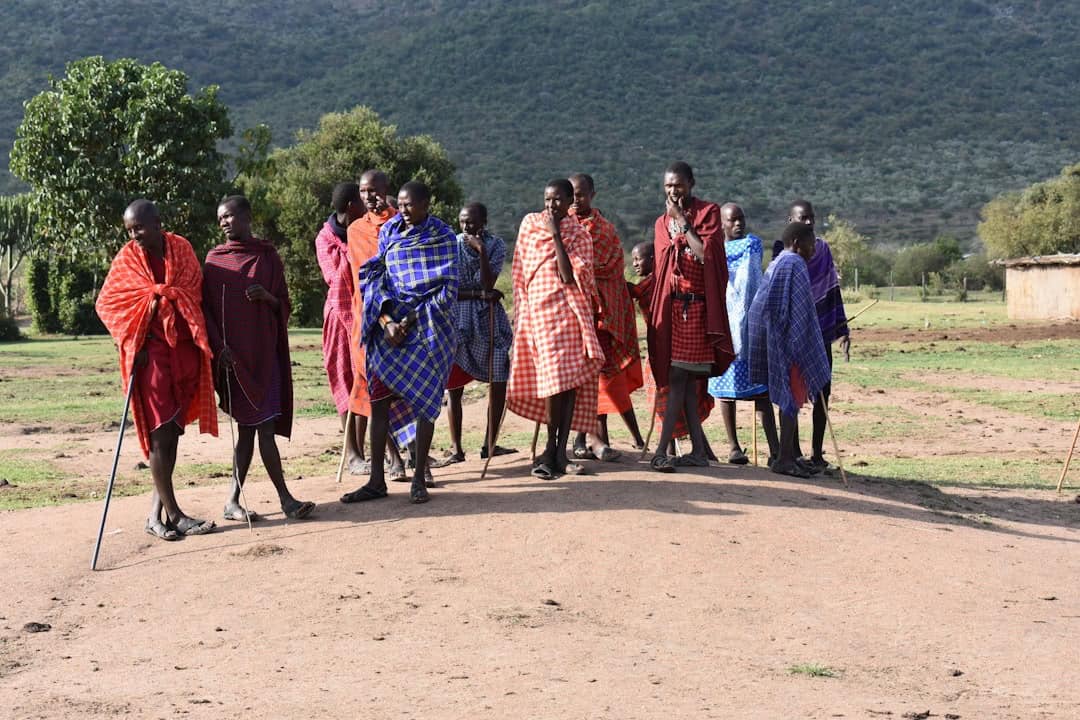
5:30am wake-up call. Coffee. Out by 6am. Wildlife is most active in the cool morning.
Return around 10–11am for brunch and downtime. Nap. Read. Watch elephants from camp.
Head out again around 4pm for a sunset drive. Back by 6:30–7pm for dinner.
It’s relaxed, not frantic. You’re not chasing animals all day — you’re waiting for moments.
Tech & Photography Tips for 2026 Travelers
You’ll take more photos in three days than in the previous three months.
A zoom lens (at least 200–300mm equivalent) is ideal. If you’re relying on a smartphone, newer models with periscope zoom are surprisingly capable — we recently tested one in our camera phone review for travelers in 2026, and it handled wildlife shots better than expected.
Bring extra memory cards and a power bank. Many camps run on solar and limit in-tent charging during the day.
Practical First-Timer Tips
- Pack neutral colors (khaki, green, beige) — avoid bright reds and blues.
- Bring layers. Mornings can be 10–12°C (50–54°F), afternoons hot.
- Carry small USD bills for tipping (guides: $10–$20 per day is standard).
- Travel insurance is non-negotiable. Many camps require medical evacuation coverage.
- Book 6–9 months ahead for migration season — top conservancies sell out fast.
Is a Kenya Safari Worth It for First-Timers?
Absolutely — but only if you treat it as an experience, not a checklist.
You may not see a river crossing. You might wait an hour for a cheetah to move. But then a herd of elephants will walk directly past your vehicle at sunset, and everything else fades.
If this is your first safari, choose quality guiding, stay at least three nights, and don’t overpack your itinerary. Combine it with Nairobi or the Kenyan coast later — but let the Mara breathe.
Planning a 2026 adventure? Start researching camps now, especially with migration season only weeks away. The best experiences in the Mara aren’t last-minute — they’re intentional.
And when you go, sit quietly for a minute. The sounds alone are worth the flight.
Looking for a place to stay in the Maasai Mara for your Kenya safari? Compare and book Maasai Mara camps and lodges to lock in the best options for your dates.
Frequently Asked Questions
How much does a Maasai Mara safari cost in 2026?
Expect $350–$900 per person per night depending on camp level and season, plus park fees of about $200 per adult per day in peak season. A 3-night trip typically totals $2,500–$3,000 including flights from Nairobi.
When is the best time to see the Great Migration in Kenya?
The migration usually reaches the Maasai Mara between mid-July and early October. River crossings are most common from late July through September, but exact timing varies each year.
Is 3 days enough for a first safari in Kenya?
Yes — 3 nights (4 days) is ideal for first-timers. It gives you multiple game drives to see the Big Five without feeling rushed.
Should I stay inside the main reserve or a conservancy?
For fewer vehicles and more exclusive sightings, conservancies like Mara North or Olare Motorogi are often better. Stay in the main reserve if your top priority is witnessing river crossings during migration season.

About the Author: Tomáš Bzirský
Founder and editor of Distratech. Based in the Czech Republic, travelling regularly from Central Europe. Writes practical travel guides and travel-tech comparisons (eSIM, apps, airports) in six languages.