'/%3E%3Cpath%20fill='%23b2b2b2'%20d='M241%20382q0%2016%2017%2026%2017%2011%2042%2011t42-11q16-11%2017-26V269H241'/%3E%3Cpath%20fill='%239f7e00'%20d='M241%20379q0%2014%208%2023%209%209%2021%209%2014%200%2021-9%209-9%209-23V269h-59'/%3E%3Cpath%20d='M241%20339v-70h59v110q0%2014-9%2023l-6%205v-68h-15v72q-8%200-14-4v-68zm59%2040c0%2022%2015%2032%2029%2032%2021%200%2030-18%2030-32v-40h-59'/%3E%3Cpath%20fill='%239f7e00'%20d='M266%20277v5h2v12h-3v-5h2v-5h-9v5h2v5h-4v9h3v18h-5v10h34v-10h-5v-18h3v-9h-4v-5h2v-5h-9v5h2v5h-3v-12h2v-5zm42%20101q0%2010%206%2017%206%206%2015%207%2010-1%2016-7%206-7%206-17v-29h-43'/%3E%3Ccircle%20fill='%230044ad'%20cx='329.5'%20cy='372'%20r='6'/%3E%3Cellipse%20fill='%230044ad'%20cx='300'%20cy='340'%20rx='16'%20ry='21'/%3E%3C/svg%3E)
'/%3E%3C/svg%3E)


'/%3E%3C/g%3E%3Cuse%20href='%23c'%20transform='matrix(-1%200%200%201%20720%200)'/%3E%3C/svg%3E)


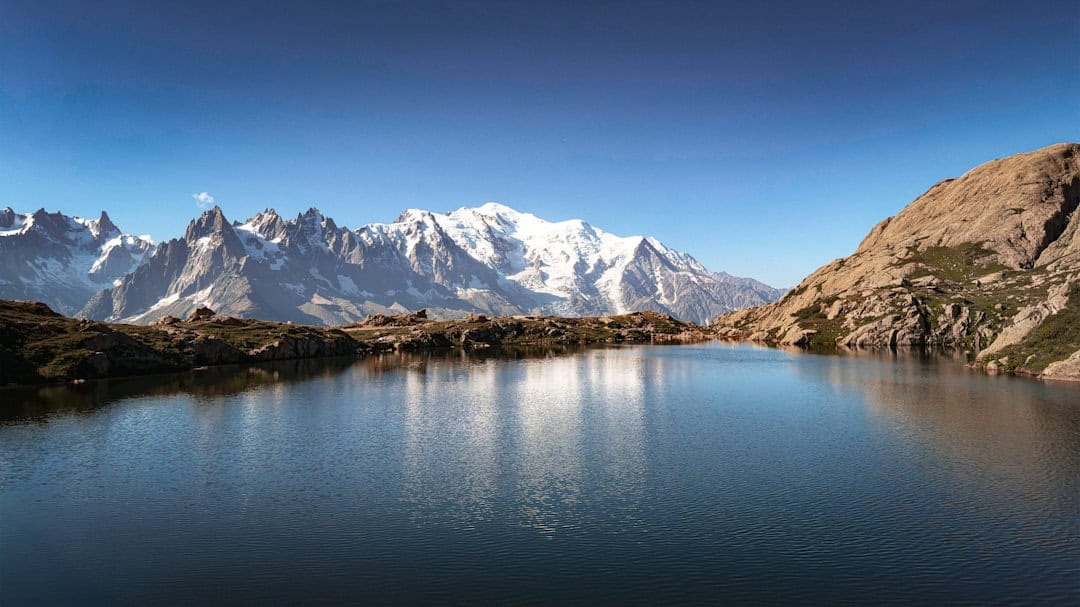
The first time I hiked the Tour du Mont Blanc (TMB), I thought I was prepared. I wasn’t. By day three—climbing out of Courmayeur with 1,000 meters of gain in my legs and a €7 espresso in hand—I realized this trek is as much about logistics as it is about jaw-dropping alpine views.
If you’re planning to hike the TMB in summer 2026, here’s exactly what it costs, how to break down the route, and how to actually secure those notoriously competitive mountain refuges.
Key Takeaways
- The full Tour du Mont Blanc is ~170 km (105 miles) with 10,000 m of elevation gain.
- Budget €1,200–€1,800 per person for 10–11 days, including huts, food, and transport.
- Refuges for July–August 2026 should be booked 3–6 months in advance.
- Most hikers complete the route in 10–12 days, starting in Chamonix.
- Best hiking window: late June to mid-September (snow-dependent in 2026).
What Is the Tour du Mont Blanc?
The TMB is a 170 km circuit around Mont Blanc, crossing France, Italy, and Switzerland. You’ll hike through alpine meadows, glacial valleys, cow-dotted pastures, and postcard-perfect villages.
Total elevation gain is roughly 10,000 meters (33,000 feet). This is not a casual walk—it’s a serious mountain trek that rewards preparation.
Route Breakdown: A Classic 11-Day Itinerary
You can hike it clockwise or counterclockwise. I recommend counterclockwise (starting in Chamonix), which is the traditional direction and feels more natural with the terrain.
Day 1: Chamonix to Les Houches
Ease in with a shorter day. Many hikers take the cable car up to Brévent to avoid a punishing first climb.
Day 2: Les Houches to Les Contamines
Cross the Col de Voza. Expect 20 km and around 1,300 m ascent.
Day 3: Les Contamines to Les Chapieux
One of the most beautiful days. The Col du Bonhomme can still hold snow in late June 2026—check conditions locally.
Day 4: Les Chapieux to Courmayeur (Italy)
Cross into Italy via Col de la Seigne. Courmayeur is your best food stop of the entire trek. Splurge on fresh pasta.
Day 5: Courmayeur to Rifugio Bonatti
Stunning balcony trail with epic Mont Blanc views. Rifugio Bonatti is one of the most popular huts—book early.
Day 6: Bonatti to La Fouly (Switzerland)
Cross the Grand Col Ferret into Switzerland. The scenery softens, with charming wooden chalets.
Day 7: La Fouly to Champex-Lac
A gentler day. Champex feels like a Swiss lakeside postcard.
Day 8: Champex to Trient
Choose between the Fenêtre d’Arpette (harder, higher) or Bovine route (easier, more pastoral).
Day 9: Trient to Argentière
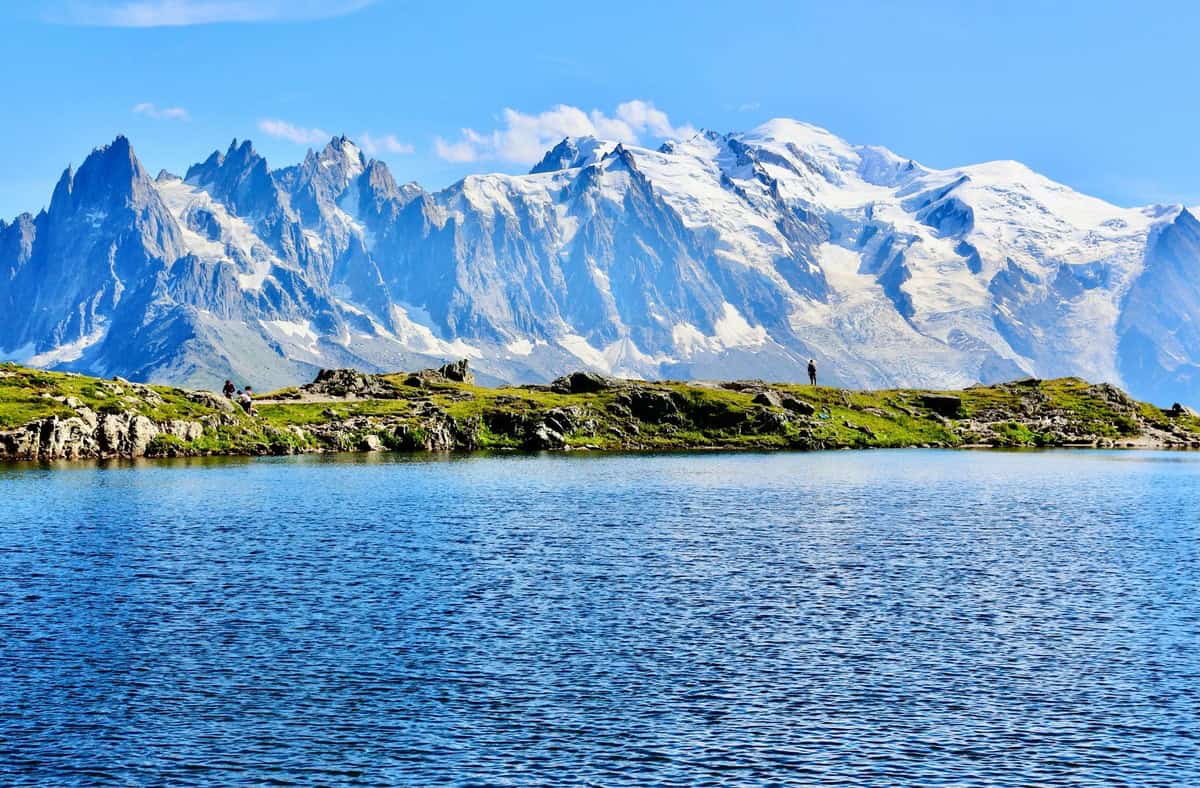
Back into France via Col de Balme. Classic Mont Blanc massif views.
Day 10: Argentière to Chamonix
Finish strong along the Grand Balcon Sud. Celebrate in Chamonix with fondue and local beer.
How Much Does It Cost in 2026?
The TMB isn’t cheap—but it’s not outrageous either compared to other European summer adventures (like this 10-day Croatia island-hopping itinerary, which can easily surpass €2,000 in peak season).
Accommodation (Refuges & Gîtes)
- Dorm bed in refuge: €55–€75 per night (half-board included)
- Private room (when available): €90–€150 per person
Half-board usually includes dinner and breakfast. Expect hearty alpine meals: soup, meat or pasta, dessert, bread.
Lunch & Snacks
Picnic lunches from huts: €12–€18. Coffee in mountain huts: €4–€6. Courmayeur cappuccino? €6–€7.
Transport
- Flights to Geneva: varies, but €80–€250 from most European hubs
- Shuttle to Chamonix: €25–€35
- Occasional bus shortcuts (if needed): €5–€20
Total Estimated Budget (10–11 Days)
€1,200–€1,800 per person, depending on how many private rooms, restaurant meals, and cable cars you use.
Booking Refuges for 2026: What Actually Works
This is where most hikers panic.
For July and August 2026, bookings typically open between January and March 2026. Popular refuges (Bonatti, Elisabetta, Lac Blanc variants) can sell out within weeks.
Best Strategy
- Plan your dates first (be flexible by 1–2 days).
- Book directly on each refuge’s website when possible.
- Use a spreadsheet to track confirmations.
- Have backup stops in mind (especially in Italy).
Avoid third-party booking agencies unless you want to pay a significant markup.
Pro Tip
If you’re struggling with availability, start midweek instead of Saturday. Weekend-to-weekend itineraries are the hardest to secure.
When Is the Best Time to Hike in 2026?
The classic season runs from late June to mid-September.
In May 2026, many high passes are still snow-covered. Early reports this spring suggest average snowpack, but that can change quickly with late storms.
- Late June: Fewer crowds, possible snow on high cols.
- July: Peak season, stable weather, busy refuges.
- August: Busiest month (especially mid-August holidays).
- Early September: My favorite—cooler temps, fewer hikers.
If you prefer fewer crowds and lower prices, aim for early September 2026. It’s the alpine equivalent of shoulder season—similar logic to chasing value during Bali’s May–June shoulder season.
What to Pack (Don’t Overdo It)
Your pack should weigh under 10 kg (22 lbs) if staying in refuges.
- Trail runners or lightweight boots
- Rain jacket (non-negotiable)
- Warm layer (even in July)
- Sleep sheet (required in most huts)
- Trekking poles (save your knees)
Skip the heavy camera gear. Your phone is enough—and you’ll thank yourself on the climbs.
Is the Tour du Mont Blanc Worth It in 2026?
Absolutely. But only if you respect it.
This isn’t a casual scenic stroll. It’s long days, serious elevation, shared dorm rooms, and occasional bad weather. But it’s also espresso in Italian valleys, cowbells in Switzerland, and glaciers glowing pink at sunset.
If you’re already planning a European summer—maybe pairing this with a city break like Kraków’s underrated old town—the TMB adds an unforgettable alpine chapter.
Final Thoughts
The Tour du Mont Blanc is one of Europe’s classic long-distance hikes for a reason. It’s challenging but accessible, international yet deeply local, and expensive—but worth every euro if planned right.
If you’re targeting summer 2026, start booking refuges now, lock in flexible flights, and train your legs. Your future self—standing on a windswept col between three countries—will be very grateful.
Have questions about planning your 2026 trek? Drop them in the comments or share this guide with your hiking partner—it’s time to start booking.
If you’re booking your base before the hike, browse accommodation options here: Hotels near the Tour du Mont Blanc route.
Frequently Asked Questions
How much does it cost to hike the Tour du Mont Blanc in 2026?
Most hikers spend €1,200–€1,800 for 10–11 days, including refuges (half-board), food, and local transport. Costs rise if you choose private rooms or eat in restaurants frequently.
When should I book refuges for summer 2026?
Book between January and March 2026 for July–August dates. Popular huts like Rifugio Bonatti can fill up 3–6 months in advance.
How difficult is the Tour du Mont Blanc?
It’s considered moderate to challenging, with daily climbs of 800–1,300 meters. Good fitness and prior multi-day hiking experience are strongly recommended.
Can beginners hike the TMB?
Fit beginners can complete it with proper training and light packs. However, the elevation gain and long distances make preparation essential.
What is the best month to hike the Tour du Mont Blanc?
Early September offers the best balance of stable weather, fewer crowds, and open refuges. July has great conditions but is the busiest month.

About the Author: Tomáš Bzirský
Founder and editor of Distratech. Based in the Czech Republic, travelling regularly from Central Europe. Writes practical travel guides and travel-tech comparisons (eSIM, apps, airports) in six languages.