'/%3E%3Cpath%20fill='%23b2b2b2'%20d='M241%20382q0%2016%2017%2026%2017%2011%2042%2011t42-11q16-11%2017-26V269H241'/%3E%3Cpath%20fill='%239f7e00'%20d='M241%20379q0%2014%208%2023%209%209%2021%209%2014%200%2021-9%209-9%209-23V269h-59'/%3E%3Cpath%20d='M241%20339v-70h59v110q0%2014-9%2023l-6%205v-68h-15v72q-8%200-14-4v-68zm59%2040c0%2022%2015%2032%2029%2032%2021%200%2030-18%2030-32v-40h-59'/%3E%3Cpath%20fill='%239f7e00'%20d='M266%20277v5h2v12h-3v-5h2v-5h-9v5h2v5h-4v9h3v18h-5v10h34v-10h-5v-18h3v-9h-4v-5h2v-5h-9v5h2v5h-3v-12h2v-5zm42%20101q0%2010%206%2017%206%206%2015%207%2010-1%2016-7%206-7%206-17v-29h-43'/%3E%3Ccircle%20fill='%230044ad'%20cx='329.5'%20cy='372'%20r='6'/%3E%3Cellipse%20fill='%230044ad'%20cx='300'%20cy='340'%20rx='16'%20ry='21'/%3E%3C/svg%3E)
'/%3E%3C/svg%3E)


'/%3E%3C/g%3E%3Cuse%20href='%23c'%20transform='matrix(-1%200%200%201%20720%200)'/%3E%3C/svg%3E)


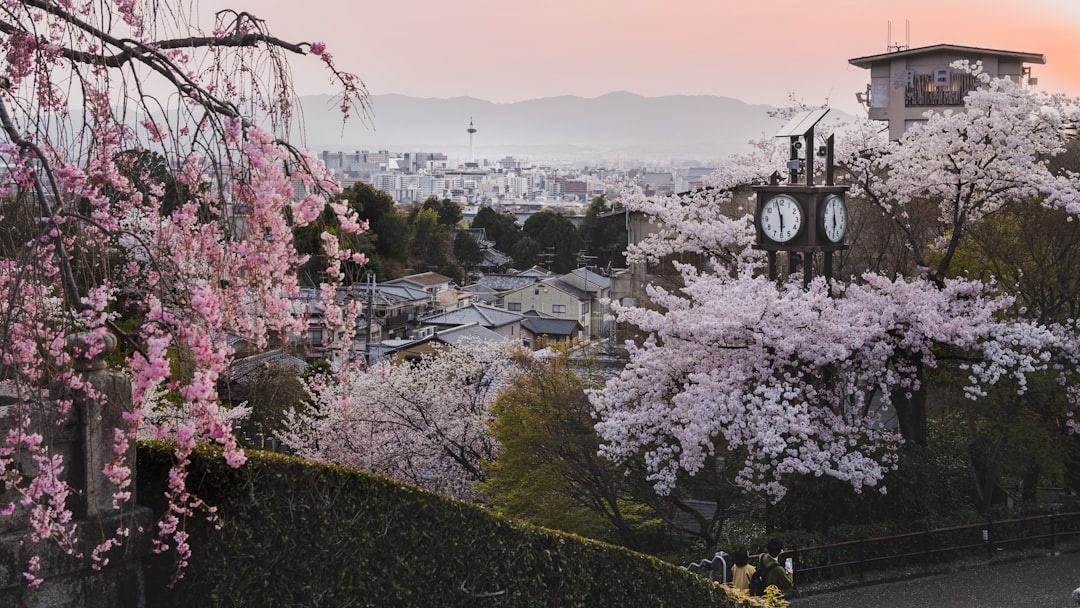
The first time I visited Kyoto in late May, I expected cherry blossoms and postcard crowds. What I got instead was something better: fresh green maple leaves glowing in temple gardens, warm evenings perfect for riverside dinners, and just enough breathing room to actually hear the wind in the bamboo forest.
Late spring (mid-May to early June) is Kyoto’s sweet spot. The sakura frenzy is over, summer humidity hasn’t fully arrived, and festivals begin popping up across the city. If you’re planning a Japan trip for summer 2026, this is your window.
Key Takeaways
- Late May temperatures average 18–26°C (65–79°F), ideal for walking all day.
- Most temples cost ¥400–¥600 ($3–$5) and open 8:30am–5:00pm.
- Arrive at Arashiyama Bamboo Grove before 8:00am to avoid tour buses.
- A 1-day bus & subway pass costs around ¥1,100 and saves time navigating.
- Book kaiseki or popular ramen spots 3–7 days in advance during festival weekends.
Why Late Spring Is the Best Time for First-Timers
April gets the Instagram glory, but it’s packed. By late May, hotel prices dip slightly (expect ¥12,000–¥18,000 per night for a solid 3-star in central Kyoto), and you can actually step inside a temple without queuing for 40 minutes.
The gardens are at peak green. Maple leaves, moss, and bamboo feel almost neon after fresh rain. It’s cinematic — and far less chaotic than peak blossom season.
You’ll also catch events like the Aoi Matsuri (May 15), one of Kyoto’s three major festivals, with Heian-era costumes and processions between the Imperial Palace and Shimogamo Shrine.
Day 1: Higashiyama & Hidden Temples
Start early. I’m serious — 7:30am early.
Kiyomizu-dera (But Do It Smart)
Yes, it’s famous. Yes, it’s worth it. The wooden terrace overlooking the city is iconic, especially in late spring when the hills are lush green.
Entrance is ¥400. Arrive before 8:00am to avoid tour groups. After 9:30am, the narrow approach streets become shoulder-to-shoulder.
Skip the Crowds: Entoku-in & Kodai-ji
Five minutes away, Entoku-in Temple is my favorite quiet escape. Entry is about ¥500, and you’ll likely share the zen garden with maybe three other people.
Kodai-ji, just uphill, has beautifully landscaped gardens and bamboo groves without the Arashiyama madness. It’s peaceful, reflective, and photogenic.
Evening in Gion
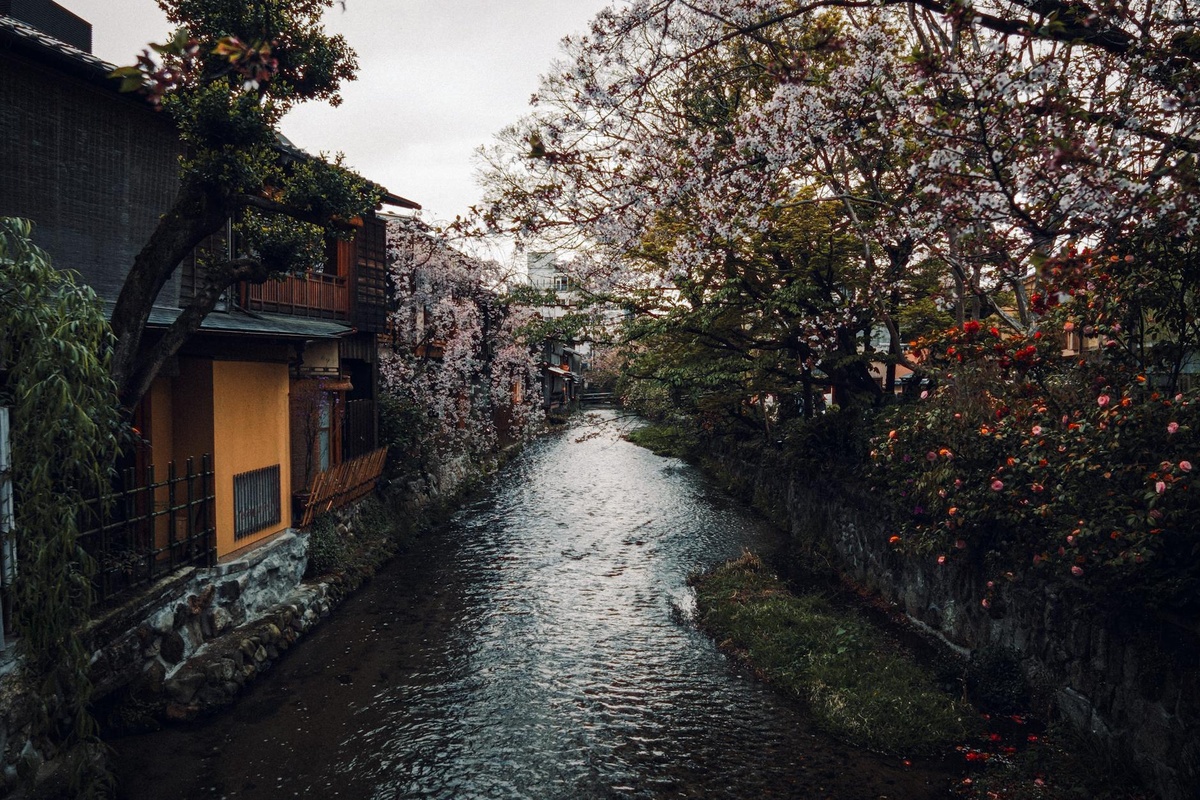
By 6:00pm, wander Gion’s backstreets. Skip the main Hanamikoji drag and explore Shirakawa Canal instead — willow trees, stone bridges, soft lantern light.
Pro tip: Don’t chase geisha photos. It’s disruptive and increasingly restricted.
Day 2: Arashiyama’s Bamboo Forest (Without Regret)
Arashiyama is magical — and wildly mishandled by most visitors.
Bamboo Grove at Sunrise
Take the JR Sagano Line from Kyoto Station (about 15 minutes, ¥240). Aim to arrive before 8:00am.
At that hour, you’ll hear the bamboo creak and sway. After 9:00am, it turns into a slow-moving queue of selfie sticks.
Okochi Sanso Villa (The Secret Weapon)
Most people skip this. Don’t.
For ¥1,000 (including matcha tea and a sweet), you get panoramic views over Kyoto and layered strolling gardens. It’s serene and worth every yen.
Tenryu-ji Temple
This UNESCO site costs ¥500 for garden access. The pond garden with mountain backdrop is stunning in late spring, especially after light rain.
Where to Eat: Local Favorites (Not Tourist Traps)
Kyoto food culture is subtle and seasonal. Late spring means fresh bamboo shoots (takenoko), river fish, and lighter flavors.
Lunch: Omen (Udon in Gion)
Handmade udon with seasonal vegetables. Expect to pay ¥1,300–¥1,800. It’s simple, filling, and consistently excellent.
Ramen: Menbaka Fire Ramen
Yes, they literally set your ramen on fire. It’s tourist-friendly but genuinely tasty. Around ¥1,500 per bowl.
Kaiseki Experience (Book Ahead)
If you want traditional multi-course dining, try Gion Karyo or a smaller neighborhood spot. Budget ¥8,000–¥15,000 per person.
Late spring menus highlight fresh greens and delicate broths — it’s edible art.
Nishiki Market (Know What to Skip)
Go for grazing, not full meals. Try soy milk donuts and grilled mochi.
Skip overpriced wagyu skewers unless you’re okay paying ¥2,000 for three bites.
Tech & Transport Tips for 2026 Travelers
Kyoto is traditional — but your planning doesn’t have to be.
- Use an eSIM: Airalo or Ubigi works well; expect $10–$20 for 10GB.
- IC Card: ICOCA works across Kansai; load ¥3,000–¥5,000 for a short stay.
- Google Maps is reliable for buses, but allow 10 extra minutes for traffic.
- Carry cash: Smaller temples and eateries may not accept cards.
- Pack light layers: Evenings can drop to 15°C (59°F).
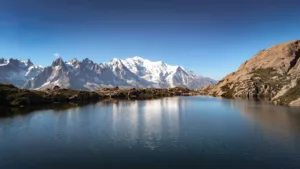
If you’re pairing Kyoto with outdoor adventures elsewhere — like trekking in Europe (see our breakdown of hiking the Tour du Mont Blanc in 2026) — late spring weather strategy becomes even more important. Breathable layers are your friend.
Hidden Gems Most First-Timers Miss
Shoren-in Temple
Under-the-radar and atmospheric. The camphor trees here are enormous, and the gardens glow after rain.
Philosopher’s Path (Late Afternoon)
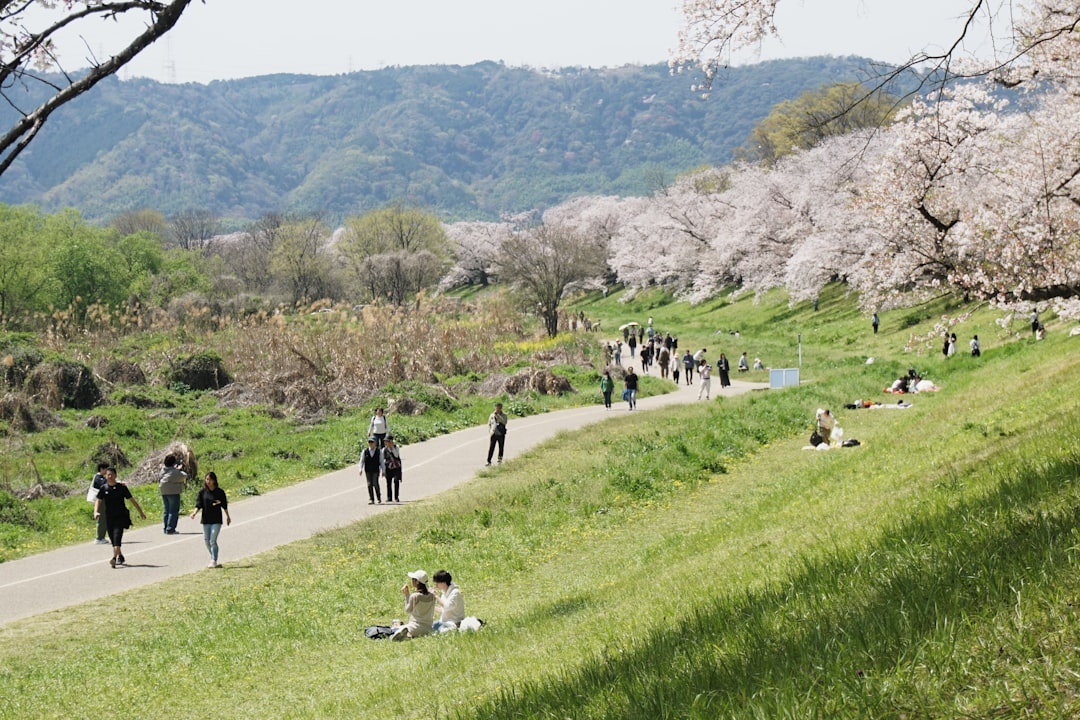
Everyone talks about it for cherry blossoms. In late spring, it’s leafy, quiet, and ideal around 5:00pm.
Fushimi Inari at Night
Go after 8:00pm. The torii gates are softly lit, crowds thin out, and it feels mystical.
It’s free and open 24 hours. Climb at least halfway (about 45–60 minutes round-trip) for fewer people.
Common Mistakes First-Timers Make
- Overloading the itinerary. Kyoto rewards slow wandering more than checklist tourism.
- Sleeping in. Early mornings are your secret weapon.
- Only visiting “Top 5” temples. The smaller ones are often better.
- Ignoring weather apps. Late spring showers are brief but frequent.
- Staying too far out. Choose Gion, Kawaramachi, or near Kyoto Station for convenience.
How Many Days Do You Really Need?
Three full days is ideal for a first-timer.
Two days lets you hit Higashiyama and Arashiyama. Add a third for Fushimi Inari, Nishiki Market, and a slower neighborhood wander.
If you’re building a multi-stop trip (similar to how we structured this 7-day Colombia Coffee Triangle itinerary), Kyoto works beautifully as a 3–4 day cultural anchor before heading to Osaka or Tokyo.
Final Thoughts: Why Kyoto in Late Spring Just Feels Right
Kyoto in late spring feels balanced. Not frantic like sakura season. Not sticky like midsummer. Not frozen like winter.
You get green mountains, quiet temple gardens, seasonal cuisine, and comfortable walking weather — all without the peak-season chaos.
If it’s your first time in Japan, this is the version of Kyoto you want.
Planning your 2026 Japan itinerary? Start locking in accommodation now, map your early mornings, and leave space to get lost down lantern-lit alleys. Kyoto rewards curiosity.
And trust me — the bamboo sounds better when there’s no one else around.
Planning a late-spring Kyoto trip? Browse and book your stay with Kyoto hotel deals early for the best options.
Frequently Asked Questions
Is late spring a good time to visit Kyoto?
Yes — mid-May to early June offers mild temperatures (18–26°C), fewer crowds than cherry blossom season, and vibrant green gardens. It’s one of the most comfortable times to explore on foot.
How much should I budget per day in Kyoto?
Budget travelers can manage on ¥8,000–¥12,000 per day excluding accommodation. Mid-range travelers should plan ¥15,000–¥25,000 daily including food, transport, and temple entries.
What time should I visit the Arashiyama Bamboo Forest?
Arrive before 8:00am for the best experience. After 9:00am, tour groups and day-trippers make the narrow path crowded and noisy.
How many days are enough for Kyoto?
Three days is ideal for first-timers. This allows time for Higashiyama, Arashiyama, Fushimi Inari, and at least one slow-paced food-focused evening.

About the Author: Tomáš Bzirský
Founder and editor of Distratech. Based in the Czech Republic, travelling regularly from Central Europe. Writes practical travel guides and travel-tech comparisons (eSIM, apps, airports) in six languages.