'/%3E%3Cpath%20fill='%23b2b2b2'%20d='M241%20382q0%2016%2017%2026%2017%2011%2042%2011t42-11q16-11%2017-26V269H241'/%3E%3Cpath%20fill='%239f7e00'%20d='M241%20379q0%2014%208%2023%209%209%2021%209%2014%200%2021-9%209-9%209-23V269h-59'/%3E%3Cpath%20d='M241%20339v-70h59v110q0%2014-9%2023l-6%205v-68h-15v72q-8%200-14-4v-68zm59%2040c0%2022%2015%2032%2029%2032%2021%200%2030-18%2030-32v-40h-59'/%3E%3Cpath%20fill='%239f7e00'%20d='M266%20277v5h2v12h-3v-5h2v-5h-9v5h2v5h-4v9h3v18h-5v10h34v-10h-5v-18h3v-9h-4v-5h2v-5h-9v5h2v5h-3v-12h2v-5zm42%20101q0%2010%206%2017%206%206%2015%207%2010-1%2016-7%206-7%206-17v-29h-43'/%3E%3Ccircle%20fill='%230044ad'%20cx='329.5'%20cy='372'%20r='6'/%3E%3Cellipse%20fill='%230044ad'%20cx='300'%20cy='340'%20rx='16'%20ry='21'/%3E%3C/svg%3E)
'/%3E%3C/svg%3E)


'/%3E%3C/g%3E%3Cuse%20href='%23c'%20transform='matrix(-1%200%200%201%20720%200)'/%3E%3C/svg%3E)


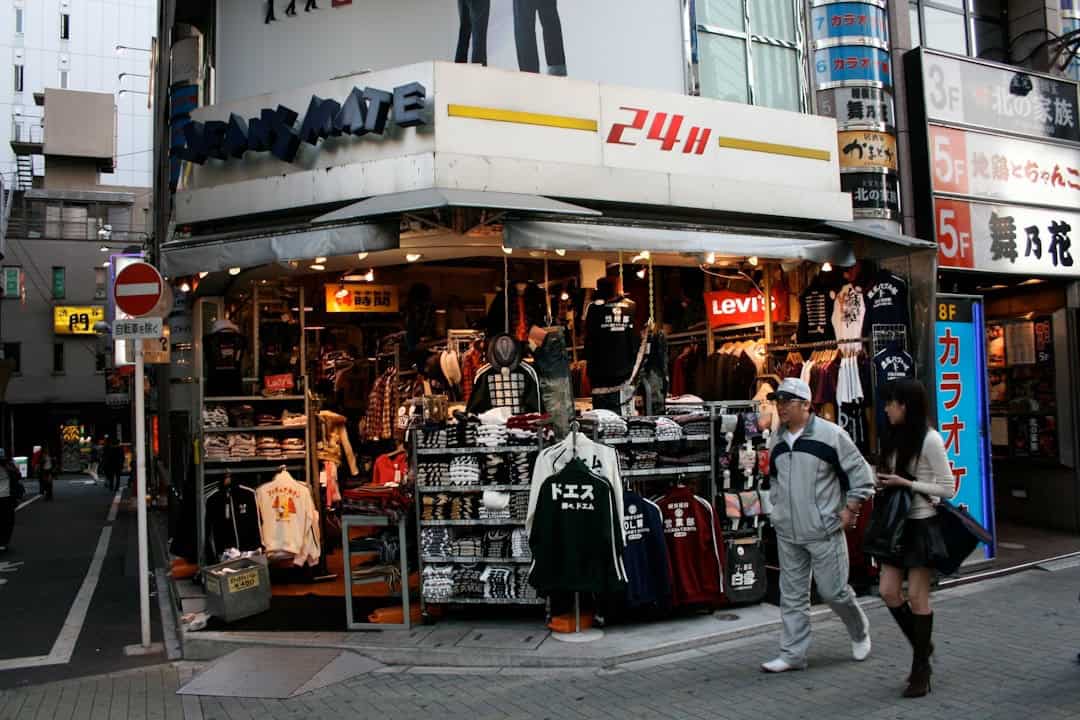
I just got back from three weeks in Japan — Tokyo, Hakone, Kyoto, Osaka — and here’s the honest answer: yes, Japan is still affordable in 2026… but only if you plan smart.
With the yen still relatively weak against the dollar and euro this spring, your money goes further than it did five or six years ago. But hotels in cherry blossom season? Not cheap. And those viral Instagram cafés in Shibuya? Overpriced.
Let’s break down what Japan actually costs right now — with real numbers from spring 2026.
Key Takeaways
- Budget travelers can spend $75–$110 per day excluding flights in 2026.
- Mid-range comfort averages $140–$220 per day with private hotel rooms.
- Cherry blossom season (late March–early April) raises hotel prices by 30–50%.
- Convenience store meals cost $4–$7 and are surprisingly good.
- IC cards and regional rail passes often beat the nationwide JR Pass in value.
Flights to Japan in 2026
From the U.S., round-trip flights this spring range from $650–$1,200 depending on departure city. West Coast hubs like LAX and Seattle consistently offer the best deals.
From Europe, expect €550–€900 round-trip to Tokyo. Shoulder seasons (May and late October) are cheapest. Cherry blossom season and autumn foliage spike prices fast.
Pro tip: Fly into Tokyo (Narita or Haneda) and out of Osaka (Kansai) if you’re doing the classic route. Open-jaw tickets are often only $50–$100 more and save you backtracking.
Accommodation: The Biggest Variable
This is where your budget lives or dies.
Budget (Hostels & Capsule Hotels)
Dorm beds: $20–$35 per night in Tokyo or Kyoto.
Capsule hotels: $30–$50 per night.
Capsules are fun for one or two nights, but I wouldn’t do a full week. They’re efficient, not cozy.
Mid-Range (Best Value for First-Timers)
Business hotels like APA, Tokyu Stay, or Super Hotel run $70–$140 per night for a private room.
Rooms are small — 15–18 square meters — but spotless and brilliantly designed. For most first-time visitors, this is the sweet spot.
Ryokan Experience
Traditional inn with kaiseki dinner and breakfast: $150–$300 per person.
Worth it? Yes — once. Hakone and Takayama are better value than Kyoto for this experience.
Spring 2026 note: During peak cherry blossom weeks (usually late March to early April in Tokyo/Kyoto), hotel prices jump 30–50%. Book 3–4 months ahead.
Food Costs: Surprisingly Affordable
Japan is one of the few countries where you can eat incredibly well on a tight budget.
Convenience store meals (7-Eleven, Lawson, FamilyMart): $4–$7. Fresh sushi rolls, onigiri, hot meals — and yes, they’re actually good.
Ramen shops: $6–$10.
Conveyor belt sushi: $12–$18.
Izakaya dinner with drinks: $20–$35.
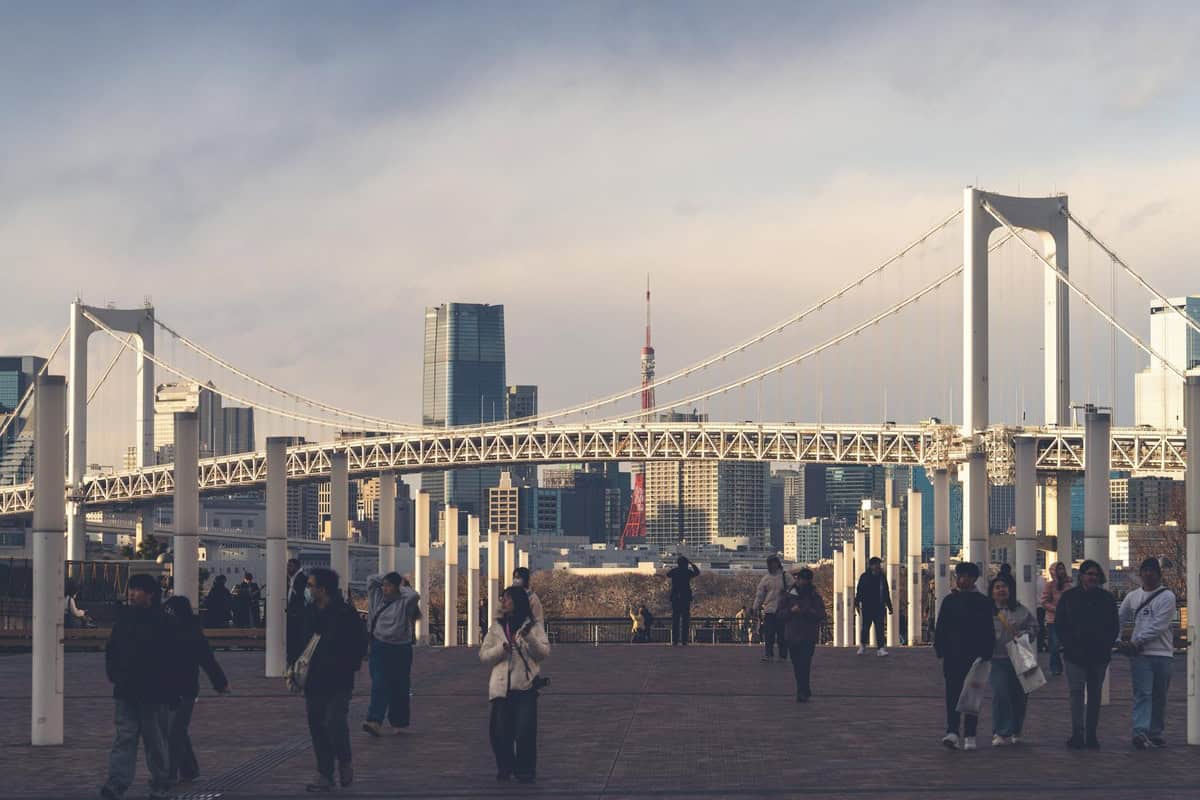
You can absolutely average $25–$40 per day on food without feeling deprived.
Tourist trap warning: Avoid themed cafés in Harajuku unless you genuinely care about the theme. Paying $18 for a novelty latte shaped like Pikachu gets old fast.
Transportation: Easier Than You Think
Japan’s public transport is legendary — and mostly affordable.
Within Cities
Metro rides cost $1.50–$3 per trip.
Daily average in Tokyo: $5–$8.
Get a Suica or Pasmo IC card immediately at the airport. Tap in, tap out. Done.
Between Cities
Tokyo → Kyoto Shinkansen: about $95 one-way.
Tokyo → Osaka: around $100.
Here’s the controversial opinion: the nationwide JR Pass is often not worth it anymore.
Since the 2023 price hike, a 7-day JR Pass costs roughly ¥50,000 (around $330+). Unless you’re doing multiple long-distance trips in a week, buying individual tickets is usually cheaper.
Use a fare calculator before committing.
Attractions & Experiences
Good news: sightseeing in Japan is relatively inexpensive.
- Temples & shrines: $2–$5 entrance fees
- TeamLab Borderless (Tokyo): ~$25
- Observation decks (Shibuya Sky): ~$15–$20
- Onsen day pass: $8–$20
You can comfortably budget $10–$20 per day for attractions.
Many of the best experiences — wandering Kyoto’s Gion district at dusk, watching commuters cross Shibuya, hiking in Nikko — are completely free.
Connectivity: Don’t Overpay at the Airport
Airport pocket WiFi counters are convenient but expensive.
Instead, install an eSIM before departure. Plans with 10–20GB for Japan typically cost $15–$30 in 2026.
We compared the best options in our guide to international eSIMs for 2026, and most travelers don’t need unlimited data.
Navigation, translation apps, and restaurant searches will be your daily lifeline. Reliable data makes Japan dramatically easier.
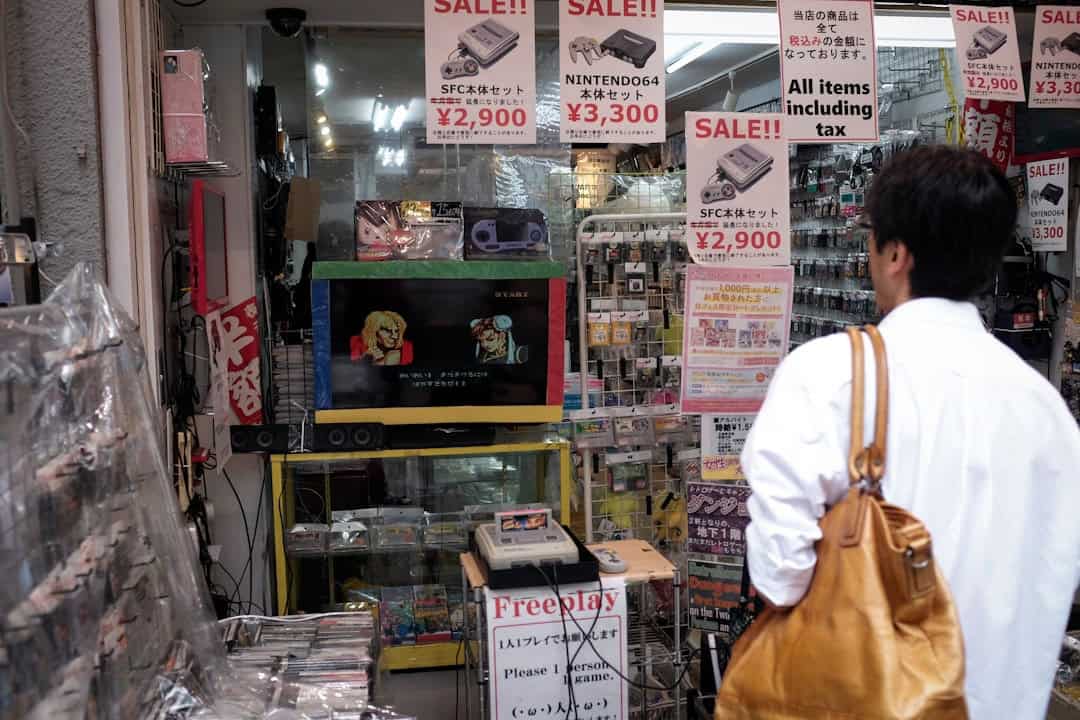
So… What Does a 10-Day Trip Really Cost?
Let’s break this down realistically for spring 2026.
Budget Traveler (Hostels + Cheap Eats)
- Accommodation: $250
- Food: $300
- Transport: $200
- Attractions: $120
- Miscellaneous: $100
Total (excluding flights): ~$970
About $97 per day.
Mid-Range Comfort
- Accommodation: $900
- Food: $450
- Transport: $250
- Attractions: $150
- Miscellaneous: $200
Total (excluding flights): ~$1,950
Roughly $195 per day.
For a G7 country with bullet trains and world-class food? That’s still strong value.
Where People Overspend (And Regret It)
- JR Pass without doing the math.
- Luxury hotels in central Kyoto during sakura season.
- Taxi rides in Tokyo. They start around $5–$6 and climb fast.
- Too many souvenir snacks at Don Quijote. It adds up.
Japan rewards thoughtful planning. It punishes impulse splurges.
Is Spring 2026 a Good Time to Visit?
Absolutely — if you’re flexible.
Late April into May is ideal. Cherry blossoms move north (Sapporo blooms in late April/early May), the weather sits around 15–22°C (59–72°F), and prices stabilize after peak sakura crowds.
If you’re debating between Japan and somewhere like Europe this shoulder season, Japan often delivers better food value and comparable accommodation pricing. For contrast, check out our Azores island-hopping itinerary — another shoulder-season favorite, but very different budget dynamics.
Final Verdict: Is Japan Still Affordable?
Yes — but it’s no longer the “ultra-cheap Asia” destination some people imagine.
It’s affordable in the way Italy or Spain can be affordable: incredible quality for the price, if you avoid peak weeks and plan your transport wisely.
For first-time visitors, expect to spend around $1,500–$2,200 for a comfortable 10-day trip excluding flights. Budget travelers can absolutely do it for under $1,000 on the ground.
And honestly? The value per dollar — in food quality, safety, infrastructure, and cultural depth — is exceptional.
If Japan is on your list for 2026, start tracking flights now, lock in hotels early for peak spring, and build a flexible itinerary. It’s still one of the smartest travel investments you can make.
Planning your trip? Explore more practical destination breakdowns and tech-savvy travel tips here on Distratech — and make your next adventure smoother (and cheaper).
If you’re planning your Japan trip for 2026, browse and book hotels in Japan early to find the best value, especially around peak seasons.
Frequently Asked Questions
How much does a 7-day trip to Japan cost in 2026?
Budget travelers can spend $600–$800 excluding flights, while mid-range comfort averages $1,200–$1,500. Costs rise significantly during cherry blossom season.
Is the JR Pass worth it in 2026?
Often no. After the price increase, a 7-day pass costs around $330+, and individual tickets are usually cheaper unless you’re taking multiple long-distance shinkansen rides in a short time.
Is Japan more expensive than Europe?
Not necessarily. Food and public transport are often cheaper than Western Europe, while hotel prices are comparable in major cities.
What is the cheapest time to visit Japan?
Late May, early June, and late October typically offer lower hotel rates and fewer crowds compared to peak cherry blossom season in late March and early April.

About the Author: Tomáš Bzirský
Founder and editor of Distratech. Based in the Czech Republic, travelling regularly from Central Europe. Writes practical travel guides and travel-tech comparisons (eSIM, apps, airports) in six languages.