I landed in Tokyo earlier this spring and the first thing I noticed wasn’t the cherry blossoms — it was my receipt.
A bowl of ramen that used to cost me ¥900 was now ¥1,100. My Shinkansen ticket from Tokyo to Kyoto? Noticeably higher than my 2019 screenshots. Japan is still absolutely worth visiting in 2026 — but it’s no longer the “cheap because of the weak yen” destination it briefly was.
If you’re planning a trip this year, especially during spring hiking season or the tail end of cherry blossom crowds, here’s exactly what’s changed — and how to budget smarter.
Key Takeaways
- Japan’s international tourist departure tax remains ¥1,000 (~$7), included in your airfare.
- JR Pass prices increased up to 70% in recent years — a 7‑day pass now costs around ¥50,000 (~$330).
- Popular cities like Kyoto and Osaka have raised hotel taxes (up to ¥1,000 per night in some cases).
- Theme park tickets (Tokyo Disney & Universal Studios Japan) now exceed ¥8,900–¥10,900 per day.
- Expect food and transport prices to be 10–20% higher than pre-2020 levels.
1. The International Tourist Tax (Still in Place)
Japan’s “Sayonara Tax” — officially the International Tourist Tax — is still ¥1,000 (about $7 USD) per person when you leave the country.
You probably won’t see it itemized because it’s bundled into your airfare. It’s small, but worth knowing about if you’re comparing ticket prices or booking separate segments.
Bottom line: this one hasn’t changed, but it’s permanent.
2. JR Pass Prices: The Big One
This is where most travelers get blindsided.
JR Pass prices jumped dramatically, and those increases are fully in effect for 2026. A standard 7-day nationwide JR Pass is now around ¥50,000 (~$330). Before the hike, it was closer to ¥29,650.
That’s a massive increase — nearly 70%.
Here’s my honest take: most travelers no longer need a JR Pass.
If you’re only doing Tokyo → Kyoto → Osaka, individual Shinkansen tickets are often cheaper. The pass only makes financial sense if you’re stacking long-distance routes (think Tokyo → Hiroshima → Fukuoka → back to Tokyo).
Pro tip: Use a rail fare calculator before buying. Don’t assume the pass is a deal anymore.
3. Local Transport Is Slightly More Expensive
IC cards like Suica and Pasmo are still the easiest way to get around, but base fares have crept up.
In Tokyo, expect starting metro fares around ¥180–¥210 per ride. It adds up fast if you’re bouncing between neighborhoods like Shibuya, Asakusa, and Akihabara in one day.
If you’re visiting during spring 2026 — prime time for hiking around Hakone or the Kumano Kodo — budget extra for regional trains and buses, which have also seen minor increases.
4. Accommodation Taxes in Major Cities
Kyoto, Osaka, and Tokyo all apply local accommodation taxes, and some cities have adjusted brackets upward.
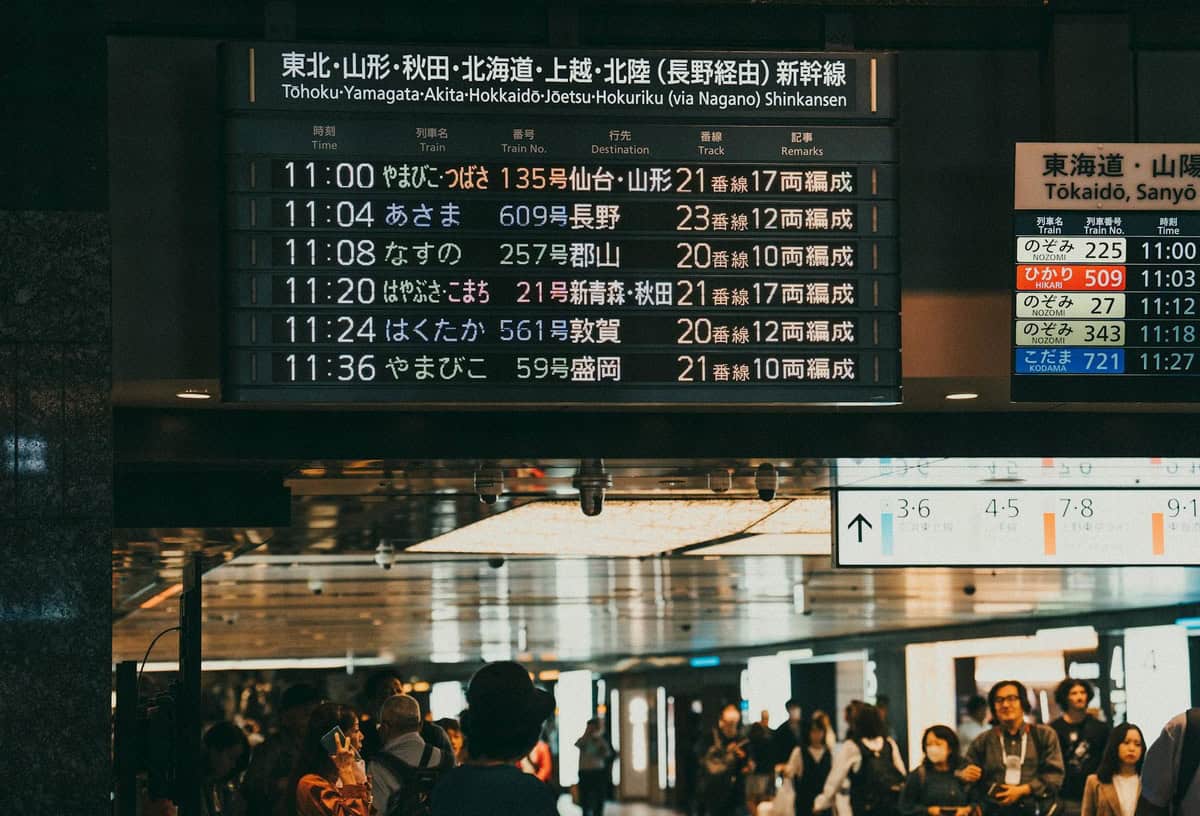
In Kyoto, for example, you may pay:
- ¥200 per night for rooms under ¥20,000
- ¥500 per night for mid-range stays
- Up to ¥1,000 per night for higher-end hotels
It’s not outrageous, but on a 10-night trip, that’s another ¥2,000–¥5,000 added quietly to your bill.
My advice? Consider business hotels like Tokyu Stay or Hotel Mystays. They’re clean, efficient, and often fall into lower tax brackets.
5. Theme Park & Attraction Price Hikes
If you’re heading to Tokyo Disney or Universal Studios Japan in Osaka, brace yourself.
Ticket prices are now dynamic and date-based. Expect roughly:
- Tokyo Disney: ¥8,900–¥10,900 per adult
- Universal Studios Japan: ¥8,600–¥10,400 per adult
Cherry blossom season and Golden Week (late April–early May) push prices to the higher end.
Honestly? Unless you’re a die-hard fan, I’d skip them in spring 2026. Crowds are intense, and Japan’s outdoor experiences — like hiking Mount Takao or cycling the Shimanami Kaido — are far better value. If you’re into active travel, check out broader adventure travel trends for 2026 for inspiration.
6. Food Prices: Noticeably Higher, Still Reasonable
Yes, food prices have increased. No, Japan is not suddenly expensive.
Here’s what I paid this April:
- Ramen in Tokyo: ¥1,000–¥1,300
- Conveyor belt sushi lunch: ¥1,500–¥2,500
- Convenience store meal set: ¥600–¥900
- Specialty coffee in Kyoto: ¥600–¥750
That’s roughly 10–20% higher than a few years ago.
The real jump is in imported goods — wine, certain fruits, Western-style brunch spots. Skip the Instagram pancake cafés and eat where locals queue.
7. Inflation + Stronger Yen = Higher Overall Trip Cost
For a while, travelers benefited from a historically weak yen.
In 2026, the currency has stabilized compared to its lowest point, meaning you won’t get quite the same “discount Japan” effect Americans and Europeans enjoyed.
If you’re traveling from Europe and comparing options, it’s worth reading our breakdown of where to travel in May 2026 for shoulder season deals. Japan is incredible — but not always the cheapest spring option anymore.
8. Tech & Connectivity Costs
eSIMs and pocket WiFi are still widely available, but prices have inched up slightly with demand.
Expect around:
- $15–$25 for a 7-day eSIM
- $30–$50 for pocket WiFi rental
I personally stick with eSIM for convenience. If you’re optimizing your carry-on setup, our guide to the best lightweight travel gadgets for 2026 is worth a skim before you pack.
So… Is Japan Still Worth It in 2026?
Absolutely. But you need to plan smarter.
Here’s how I’d approach a 2026 trip:
- Skip the JR Pass unless you’re doing serious long-distance travel.
- Travel in shoulder season (late May after Golden Week is ideal — fewer crowds, lower hotel rates).
- Stay slightly outside city centers — 2–3 train stops can save you ¥5,000+ per night.
- Focus on regional Japan — places like Kanazawa, Nagano, or Tohoku offer better value and fewer crowds.
- Budget realistically: $120–$200 per day mid-range, excluding flights.
Japan in spring 2026 is stunning — cherry blossoms in the north, alpine hikes opening up, mild temperatures in Kyoto around 15–22°C (59–72°F). But the era of ultra-cheap Japan travel is over.
It’s now a premium experience — still orderly, still safe, still one of the best food destinations on Earth — just not the bargain it briefly was.
Final Thoughts
Taxes haven’t exploded. There’s no dramatic new “tourist fee apocalypse.” But cumulative increases — rail, accommodation, attractions, food — mean you’ll feel it.
Plan carefully, run the numbers, and choose experiences intentionally. Japan rewards thoughtful travelers more than rushed ones.
If you’re heading there this year, budget smarter — and enjoy every yen of it.
Looking for places to stay while you travel in 2026? Browse and book Japan hotels with flexible options that fit your budget.
Frequently Asked Questions
How much is Japan’s tourist tax in 2026?
Japan charges a ¥1,000 (about $7 USD) international tourist departure tax, usually included in your airfare when leaving the country.
Is the JR Pass still worth it in 2026?
For most travelers, no. A 7-day pass costs around ¥50,000 (~$330), and individual Shinkansen tickets are often cheaper unless you’re covering long distances across multiple regions.
How much should I budget per day for Japan in 2026?
Mid-range travelers should budget roughly $120–$200 per day excluding flights, covering accommodation, food, local transport, and attractions.
Have hotel taxes increased in Japan?
Some cities like Kyoto and Osaka apply accommodation taxes ranging from ¥200 to ¥1,000 per night depending on room price, slightly increasing overall stay costs.

About the Author: Tomáš Bzirský
Founder and editor of Distratech. Based in the Czech Republic, travelling regularly from Central Europe. Writes practical travel guides and travel-tech comparisons (eSIM, apps, airports) in six languages.