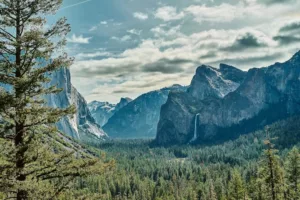
I’ve hiked Torres del Paine in peak January crowds and again in late April, when lenga forests were on fire with autumn color and the wind felt like it had finally taken a breath. If you’re flexible with layers and okay with the occasional moody sky, April–May might be the smartest time to experience Patagonia.
This is shoulder season in Chilean Patagonia — fewer hikers, lower prices, and dramatic fall scenery — but it comes with trade-offs. Here’s exactly how to plan it.
Key Takeaways
- Park entry costs ~$35 USD for foreigners (3-day pass) as of 2026, book online in advance.
- Expect 5–12°C (41–54°F) in April–May with strong wind and possible snow at higher elevations.
- Refugio dorm beds drop to ~$70–$90 USD per night in shoulder season (vs. $120+ in peak).
- The W Trek takes 4–5 days (70 km / 43 miles); daylight shrinks to ~10 hours by May.
- Fewer buses run from Puerto Natales — reserve at least 2–3 days ahead.
Why Visit Torres del Paine in April or May?
Let’s be honest: Patagonia’s summer (December–February) is chaotic. Campsites sell out months ahead, the Base Torres trail feels like a pilgrimage line, and prices spike.
By mid-April, the crowds thin dramatically. You’ll pass more guanacos than guided groups. The beech forests turn deep red and gold — Patagonia’s version of fall foliage, and arguably more photogenic than spring blooms in Europe (if you’re chasing blossoms without crowds, check out these spring alternatives in Europe).
The trade-off? Shorter days and unpredictable weather. But with the right planning, it’s absolutely worth it.
Weather in Patagonia During Shoulder Season
April is cool but manageable. May feels like the park is slowly closing its eyes for winter.
- April: 5–12°C (41–54°F), 10–12 hours daylight
- May: 0–9°C (32–48°F), ~9–10 hours daylight
- Wind: Still strong, but often less extreme than peak summer
- Snow: Possible at higher elevations, especially late May
You must pack for four seasons in one day. Think thermal base layers, fleece, insulated jacket, and a serious waterproof shell.
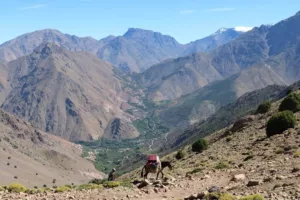
If you’ve hiked in North Africa in spring — like this Atlas Mountains hiking guide — the layering logic is similar: cold mornings, warm uphill sections, freezing wind at the summit.
W Trek vs. Day Hikes in April–May
Should you commit to the full W Trek, or base yourself in one lodge and do day hikes? In shoulder season, your decision matters more.
The W Trek (4–5 Days, 70 km / 43 miles)
This is the classic route: Base Torres, French Valley, and Grey Glacier.
Pros in shoulder season:
- More campsite and refugio availability
- Discounted shoulder-season pricing
- Quieter trails, especially between Paine Grande and Grey
Cons:
- Some services begin closing in May (check Vertice and Las Torres websites)
- Weather disruptions can complicate boat crossings to Grey
- Shorter daylight means earlier starts
If you go in late May, confirm every accommodation is open. Sections can close with little notice if snow hits early.
Day Hikes from Hotel Las Torres or Paine Grande
This is my honest recommendation for late April or May.
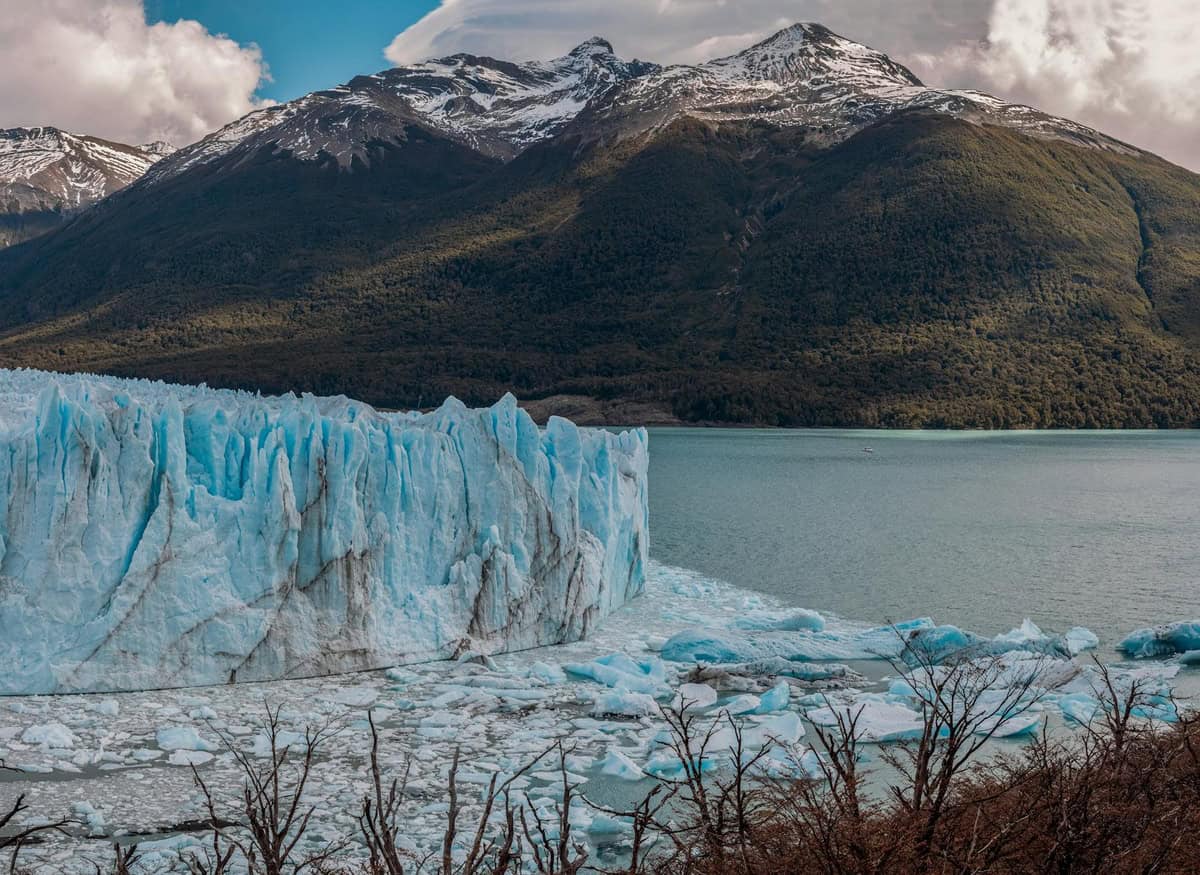
Stay 2–3 nights in one place and hike light. The Base Torres hike (18 km / 11 miles round-trip) is demanding but doable in a long autumn day if you start by 7:30 am.
French Valley as a day hike from Paine Grande is spectacular — and dramatically less crowded in April.
How Much Does It Cost in Shoulder Season? (2026 Prices)
Patagonia isn’t cheap. But April–May helps.
- Park entry: ~$35 USD (3-day pass for foreigners)
- Refugio dorm: $70–$90 USD per night (shoulder season)
- Campsite: $15–$25 USD
- Full-board package: $120–$160 USD per night
- Bus Puerto Natales–Park: ~$15 USD each way
Compared to peak summer, you can easily save $200–$400 on a 4–5 day trip.
If you’re coming from Santiago, book flights to Puerto Natales early — April sees fewer routes as demand drops.
Getting There + Smart Tech Tips
Most travelers base themselves in Puerto Natales. It’s a small, functional town with gear rentals, supermarkets, and solid coffee (try Café Kaikén for a pre-hike flat white).
If you’re road-tripping Patagonia, this recent update on Google Maps with larger street labels on Android Auto is surprisingly useful — especially on long, empty Patagonian highways where turn-offs are easy to miss.
Download offline maps. Cell signal inside the park is unreliable at best.
What to Pack for April–May Hiking
This is not the season for minimalist aesthetics. Function wins.
- Waterproof shell jacket (Gore-Tex level, not “water-resistant”)
- Insulated mid-layer (synthetic or down)
- Thermal base layers (top and bottom)
- Waterproof gloves + warm hat
- Headlamp (essential with shorter days)
- Trekking poles (helpful if trails are muddy or icy)
Microspikes aren’t usually necessary in April but can be smart in late May, especially for the final rocky ascent to Base Torres.
What’s Actually Open in May?
Here’s where many guides stay vague. Don’t assume full operations.
By early May:

- Some catamaran services across Lake Pehoé reduce schedules.
- Select campsites close for winter prep.
- Guided excursions operate with smaller groups.
Always check the official CONAF and concessionaire websites 1–2 weeks before arrival. Patagonia doesn’t care about your itinerary.
Is Shoulder Season Worth It?
If your dream is bright blue skies and social hostel vibes, come in January.
If you want space, dramatic skies, reflective lakes, and trails that feel wild — April wins.
May is for experienced hikers who don’t mind cold mornings and limited services. It feels raw, cinematic, and a little unpredictable.
I’d go back in late April in a heartbeat.
Final Tips Before You Go
- Start hikes early — sunrise light on the Torres in autumn is unreal.
- Carry extra snacks; refugio kitchens may close earlier in low season.
- Build a buffer day in Puerto Natales in case weather delays transport.
- Bring a power bank — cold drains batteries fast.
- Travel insurance is non-negotiable here.
Patagonia in shoulder season isn’t the easy option. It’s the rewarding one.
If you’re planning a spring hiking trip elsewhere too, compare conditions carefully — seasons flip between hemispheres, and timing changes everything.
Thinking about hiking Torres del Paine this April or May? Save this guide, book early, and embrace the wind. Patagonia is better when it feels a little wild.
If you want to book a stay near the park, browse options here: Hotels near Torres del Paine ansehen.
Frequently Asked Questions
Is April a good time to hike Torres del Paine?
Yes — April offers fewer crowds, lower accommodation prices, and beautiful autumn foliage, with temperatures between 5–12°C (41–54°F). It’s one of the best balance months between weather and solitude.
Can you hike the W Trek in May?
You can, but some refugios and services begin closing in May. Expect colder temperatures (near freezing at night) and shorter daylight hours, and confirm all bookings in advance.
How much does it cost to hike Torres del Paine in 2026?
Budget around $500–$900 USD for a 4–5 day W Trek, including park entry (~$35), accommodation, food, and transport from Puerto Natales. Costs drop compared to peak season but remain high overall.
What should I pack for Patagonia in shoulder season?
Bring waterproof outer layers, thermal base layers, gloves, a warm hat, and a headlamp. Weather shifts quickly, and temperatures can drop near freezing in May.

About the Author: Tomáš Bzirský
Founder and editor of Distratech. Based in the Czech Republic, travelling regularly from Central Europe. Writes practical travel guides and travel-tech comparisons (eSIM, apps, airports) in six languages.