'/%3E%3Cpath%20fill='%23b2b2b2'%20d='M241%20382q0%2016%2017%2026%2017%2011%2042%2011t42-11q16-11%2017-26V269H241'/%3E%3Cpath%20fill='%239f7e00'%20d='M241%20379q0%2014%208%2023%209%209%2021%209%2014%200%2021-9%209-9%209-23V269h-59'/%3E%3Cpath%20d='M241%20339v-70h59v110q0%2014-9%2023l-6%205v-68h-15v72q-8%200-14-4v-68zm59%2040c0%2022%2015%2032%2029%2032%2021%200%2030-18%2030-32v-40h-59'/%3E%3Cpath%20fill='%239f7e00'%20d='M266%20277v5h2v12h-3v-5h2v-5h-9v5h2v5h-4v9h3v18h-5v10h34v-10h-5v-18h3v-9h-4v-5h2v-5h-9v5h2v5h-3v-12h2v-5zm42%20101q0%2010%206%2017%206%206%2015%207%2010-1%2016-7%206-7%206-17v-29h-43'/%3E%3Ccircle%20fill='%230044ad'%20cx='329.5'%20cy='372'%20r='6'/%3E%3Cellipse%20fill='%230044ad'%20cx='300'%20cy='340'%20rx='16'%20ry='21'/%3E%3C/svg%3E)
'/%3E%3C/svg%3E)


'/%3E%3C/g%3E%3Cuse%20href='%23c'%20transform='matrix(-1%200%200%201%20720%200)'/%3E%3C/svg%3E)


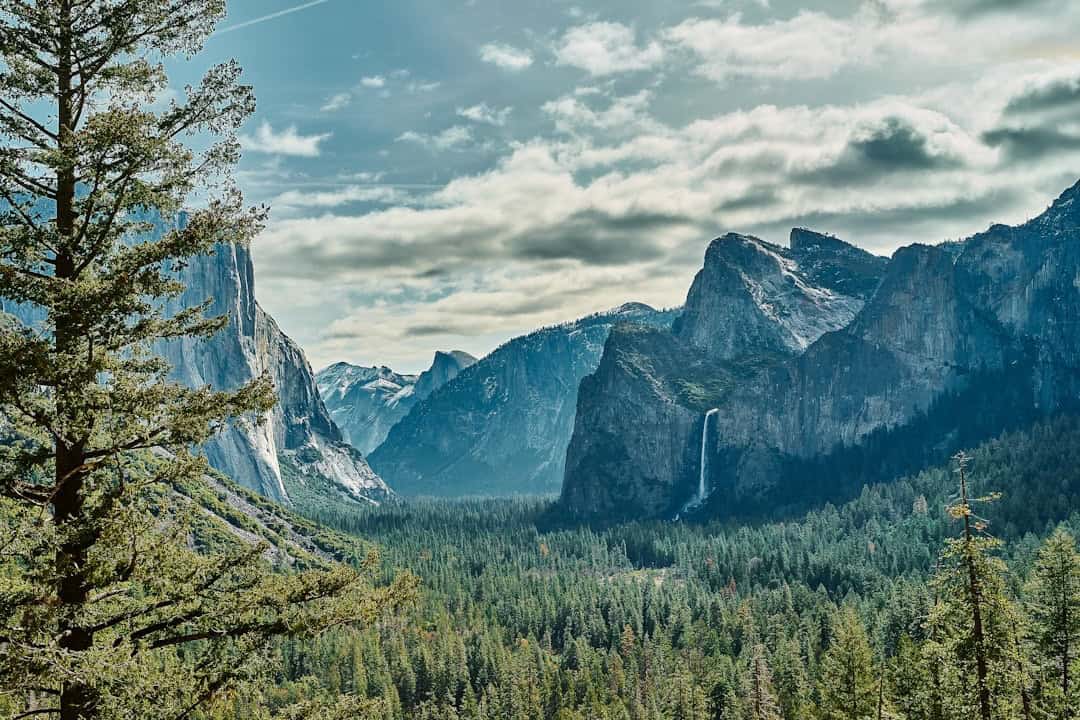
Last May, I stood alone on a cliff in North Cascades National Park, staring at a glacier-fed lake so turquoise it looked Photoshopped. It was 10 a.m. on a Saturday. In July? You’d be circling for parking.
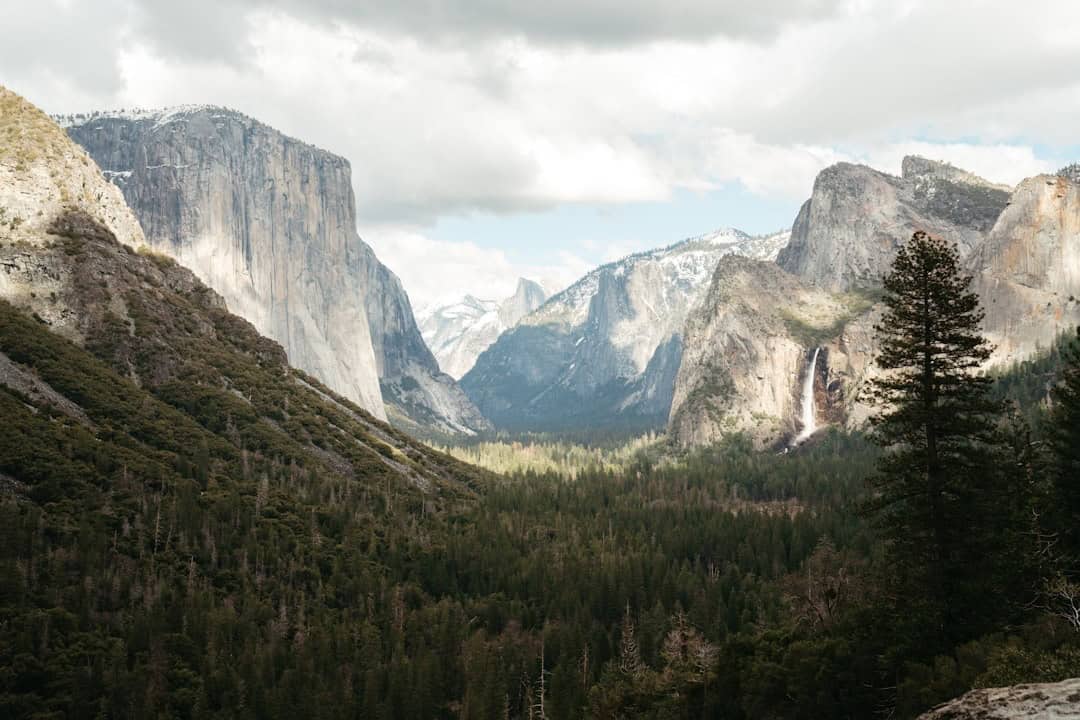
If you want dramatic scenery without Yosemite-level traffic jams and $400-a-night gateway hotels, spring through early June is your sweet spot. Here are 10 underrated U.S. national parks to visit before peak summer crowds hit in late June 2026.
Key Takeaways
- Visit April–early June 2026 for fewer crowds and cooler hiking temps (50–70°F in most parks).
- Most parks charge $20–$35 per vehicle; the $80 America the Beautiful Pass pays off after 3 visits.
- Arrive before 9 a.m. to avoid parking headaches—especially on weekends.
- Book lodging 2–3 months out for May trips; campgrounds fill fast even in shoulder season.
1. North Cascades National Park, Washington
Often called the “American Alps,” North Cascades gets a fraction of Mount Rainier’s traffic. In May, snow still caps the peaks, but lower-elevation hikes like Thunder Knob (3.6 miles round-trip) are usually accessible.
Diablo Lake’s electric-blue color is brightest in late spring as glacial melt begins. Entrance is free, but expect limited services until late May.
Go before: Highway 20 fully opens (usually mid-to-late May), which brings more road-trippers.
2. Great Basin National Park, Nevada
No crowds, no traffic lights, and some of the darkest skies in the U.S. Great Basin is wildly underrated.
Tour Lehman Caves ($15 per adult), then hike among 4,000-year-old bristlecone pines. In May, daytime temps hover in the 60s—perfect for climbing Wheeler Peak’s lower trails before summer heat hits the desert below.
3. Congaree National Park, South Carolina
Yes, it’s “just” a swamp. But in late April and May, Congaree glows with fresh green cypress leaves and surprisingly manageable humidity.
Walk the 2.6-mile Boardwalk Loop at sunrise. Entry is free, and you’ll likely share it with birds—not bus tours.
Avoid: July. Mosquitoes here treat DEET like seasoning.
4. Black Canyon of the Gunnison, Colorado
Steeper and narrower than the Grand Canyon—and far less crowded.
In May, the South Rim scenic drive is typically open, and hiking temps are ideal (50–70°F). Try the Rim Rock Trail for big views without committing to the brutal inner-canyon routes.
$30 per vehicle; worth every penny for sunset alone.
5. Guadalupe Mountains National Park, Texas
If you want big desert drama without Big Bend’s growing popularity, come here.
Guadalupe Peak, the highest point in Texas (8,751 ft), is an 8.4-mile round-trip hike. Do it in April or early May before temperatures start flirting with 90°F.
No entrance fee. No shuttle buses. Just wind, silence, and vast Chihuahuan Desert views.
6. Isle Royale National Park, Michigan
This one takes effort. You’ll need a ferry (from Michigan or Minnesota, $80–$200 round-trip) or seaplane.
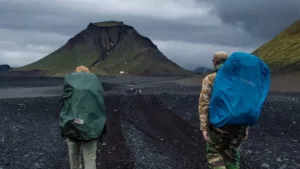
But in late May and early June, before peak backpacking season, you might hike for hours without seeing anyone. It’s remote in a way that feels more Icelandic highlands than Midwest—think of it as a domestic alternative to treks like the Laugavegur Trail in Iceland, minus the international flight.
Go early season for cool temps and fewer bugs.
7. Lassen Volcanic National Park, California
Yellowstone’s quieter cousin. You’ll find bubbling mud pots, snow-dusted peaks, and alpine lakes.
Roads typically begin opening in late May, but check conditions—snow lingers. The Manzanita Lake area is often accessible earlier and makes a great base.
$30 per vehicle. Significantly less chaotic than Yosemite in spring.
8. Pinnacles National Park, California
Two hours from San Francisco and wildly overlooked.
Spring (March–May) is prime wildflower season, and daytime temps are ideal for hiking the High Peaks Trail (5–6 miles loop). By July, it’s routinely over 95°F.
Condor sightings are common in spring mornings. $30 per vehicle.
9. Voyageurs National Park, Minnesota
If you love water but hate crowds, this is your park.
Over 40% of Voyageurs is water. Rent a canoe or small motorboat in late May before summer houseboat season ramps up in June. Expect crisp mornings in the 40s and quiet coves all to yourself.
Entrance is free; boat rentals start around $75–$100 per day.
10. Capitol Reef National Park, Utah
Overshadowed by Zion and Bryce, Capitol Reef is Utah’s secret weapon.
Spring brings blooming orchards in Fruita (usually April), and hiking temperatures are comfortable through May. Try the Cassidy Arch Trail (3.4 miles round-trip) for big views without Zion-level permit drama.
$20 per vehicle. No timed-entry reservations (for now).
Why Spring 2026 Is the Sweet Spot
Late April through early June is what I call “smart traveler season.” Snow is melting, waterfalls are roaring, and families haven’t fully launched into summer vacation mode.
You’ll trade a few closed high-elevation roads for:
- Lower lodging rates (often 20–30% cheaper than July)
- Better campsite availability
- Wildflowers and stronger waterfalls
- Cooler hiking temperatures
If you’ve ever tried booking a lodge in Yellowstone for July, you know why this matters.
Practical Planning Tips (2026 Updates)
A few things to know before you go:
- Buy the America the Beautiful Pass for $80 if visiting 3+ parks—it pays for itself fast.
- Check road status weekly in mountain parks (North Cascades, Lassen) through May.
- Download offline maps in Google Maps or AllTrails—cell service is unreliable.
- Arrive before 9 a.m. for parking at popular trailheads, even in shoulder season.
- Pack layers. Spring temps swing 30°F between morning and afternoon in desert parks.
If you’re planning a bigger hiking-focused year, consider pairing a U.S. park trip with an international trek later in 2026—our detailed breakdown of the Laugavegur Trail planning guide is a great next step for serious hikers.
When to Avoid Even These Parks
Memorial Day weekend (May 23–25, 2026) is the unofficial kickoff to chaos. Even underrated parks see a spike.
If you can, travel midweek in early May or the first two weeks of June. Tuesday and Wednesday arrivals are consistently quieter.
Final Thoughts: Skip the Icons (Just This Once)
Yes, Yellowstone and Yosemite are spectacular. They’ll still be there.
But there’s something deeply satisfying about standing on a canyon rim or alpine ridge with more wind than people around you. Spring 2026 is your chance to see these underrated U.S. national parks before the parking lots fill and the shuttle lines form.
If you’re planning a national park road trip this season, start mapping it now—and aim for the places your friends aren’t posting about yet.
Want more smart, timing-based travel advice? Explore more destination guides here on Distratech and plan your 2026 trips like a pro.
Frequently Asked Questions
When is the best time to visit U.S. national parks before summer crowds?
Late April through early June is ideal. You’ll get cooler temperatures (50–70°F in many parks), strong waterfalls, and significantly fewer visitors compared to late June through August.
How much does it cost to enter most U.S. national parks?
Most parks charge $20–$35 per vehicle for a 7-day pass. If you plan to visit three or more parks in a year, the $80 America the Beautiful annual pass is usually the better deal.
Are national parks less crowded in May?
Yes—especially midweek. Avoid Memorial Day weekend, but otherwise May offers lighter traffic, easier parking, and better campsite availability than peak summer months.
Is spring a good time for hiking in desert parks like Utah or Texas?
Absolutely. April and early May offer comfortable hiking temperatures (60–80°F), while summer often exceeds 95°F, making long hikes potentially dangerous.

About the Author: Tomáš Bzirský
Founder and editor of Distratech. Based in the Czech Republic, travelling regularly from Central Europe. Writes practical travel guides and travel-tech comparisons (eSIM, apps, airports) in six languages.