'/%3E%3Cpath%20fill='%23b2b2b2'%20d='M241%20382q0%2016%2017%2026%2017%2011%2042%2011t42-11q16-11%2017-26V269H241'/%3E%3Cpath%20fill='%239f7e00'%20d='M241%20379q0%2014%208%2023%209%209%2021%209%2014%200%2021-9%209-9%209-23V269h-59'/%3E%3Cpath%20d='M241%20339v-70h59v110q0%2014-9%2023l-6%205v-68h-15v72q-8%200-14-4v-68zm59%2040c0%2022%2015%2032%2029%2032%2021%200%2030-18%2030-32v-40h-59'/%3E%3Cpath%20fill='%239f7e00'%20d='M266%20277v5h2v12h-3v-5h2v-5h-9v5h2v5h-4v9h3v18h-5v10h34v-10h-5v-18h3v-9h-4v-5h2v-5h-9v5h2v5h-3v-12h2v-5zm42%20101q0%2010%206%2017%206%206%2015%207%2010-1%2016-7%206-7%206-17v-29h-43'/%3E%3Ccircle%20fill='%230044ad'%20cx='329.5'%20cy='372'%20r='6'/%3E%3Cellipse%20fill='%230044ad'%20cx='300'%20cy='340'%20rx='16'%20ry='21'/%3E%3C/svg%3E)
'/%3E%3C/svg%3E)


'/%3E%3C/g%3E%3Cuse%20href='%23c'%20transform='matrix(-1%200%200%201%20720%200)'/%3E%3C/svg%3E)


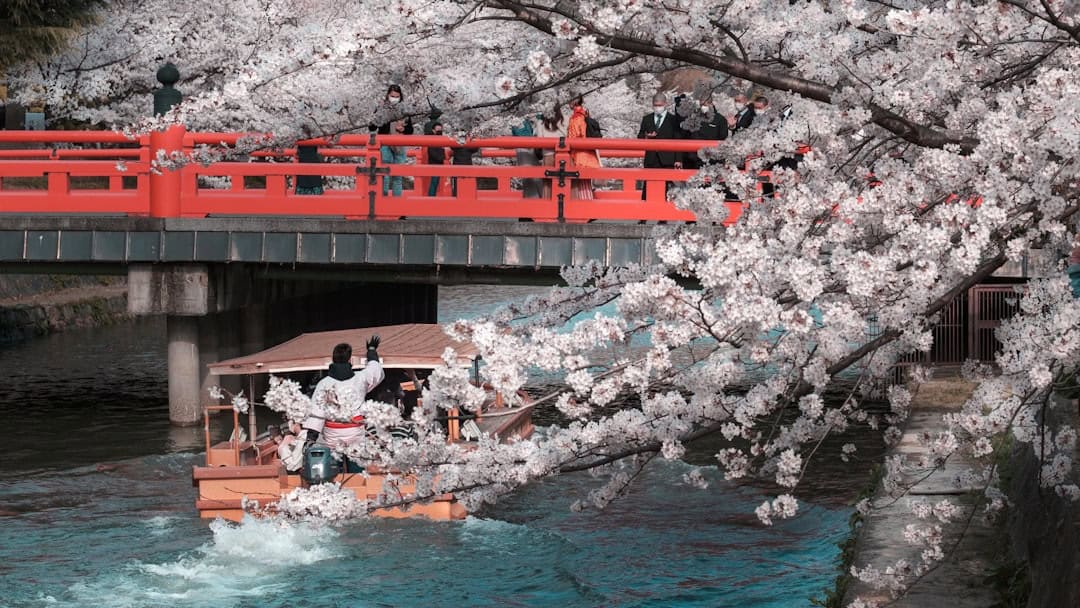
I’ve done Kyoto in sakura season three times now — and I’ve made every mistake possible so you don’t have to. I’ve queued an hour for an overrated temple, paid ¥900 for mediocre matcha, and once missed peak bloom by exactly two days.
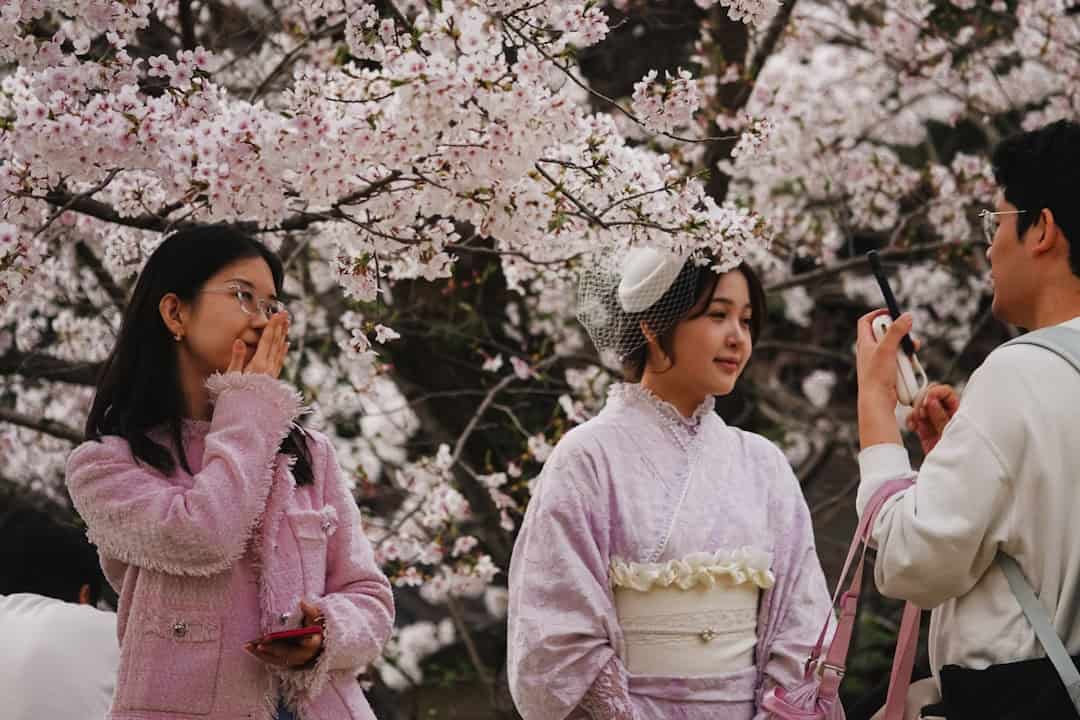
In 2026, cherry blossoms in Kyoto are forecast to peak between March 28 and April 5, with many trees still looking good into the second week of April thanks to a cooler early spring. If you’re here right now, you’re catching one of the most magical shoulder-season moments in Japan.
Key Takeaways
- Peak cherry blossoms in Kyoto 2026: approx. March 28–April 5.
- Best free viewing spots: Philosopher’s Path and Maruyama Park.
- Expect to budget ¥12,000–¥18,000 ($80–$120) per day excluding hotel.
- Arrive at popular temples before 8:00 AM to avoid tour bus crowds.
- Reserve kaiseki and popular ramen shops at least 2–3 days ahead in peak week.
Here’s exactly how I’d spend five perfect spring days in Kyoto — balancing iconic views, quieter local neighborhoods, and the kind of food that makes you consider extending your flight home.
Day 1: Southern Higashiyama — The Classic Sakura Kyoto
Start early. Like, 7:30 AM early.
Kiyomizu-dera opens at 6:00 AM, and by 9:30 AM it’s shoulder-to-shoulder in peak bloom. Entry is ¥400, and the wooden stage overlooking a sea of pink trees is absolutely worth it.
From there, walk downhill through Sannen-zaka and Ninen-zaka. Yes, it’s touristy — but before 9:00 AM it’s atmospheric instead of chaotic.
Late morning, head to Maruyama Park. This is Kyoto’s most famous cherry blossom park, home to the massive weeping sakura tree. It’s free, lively, and perfect for hanami picnics.
Lunch tip: Skip random street snacks and go to Omen Kodai-ji (about 8 minutes on foot). Handmade udon sets run around ¥1,400–¥1,800 and are consistently excellent.
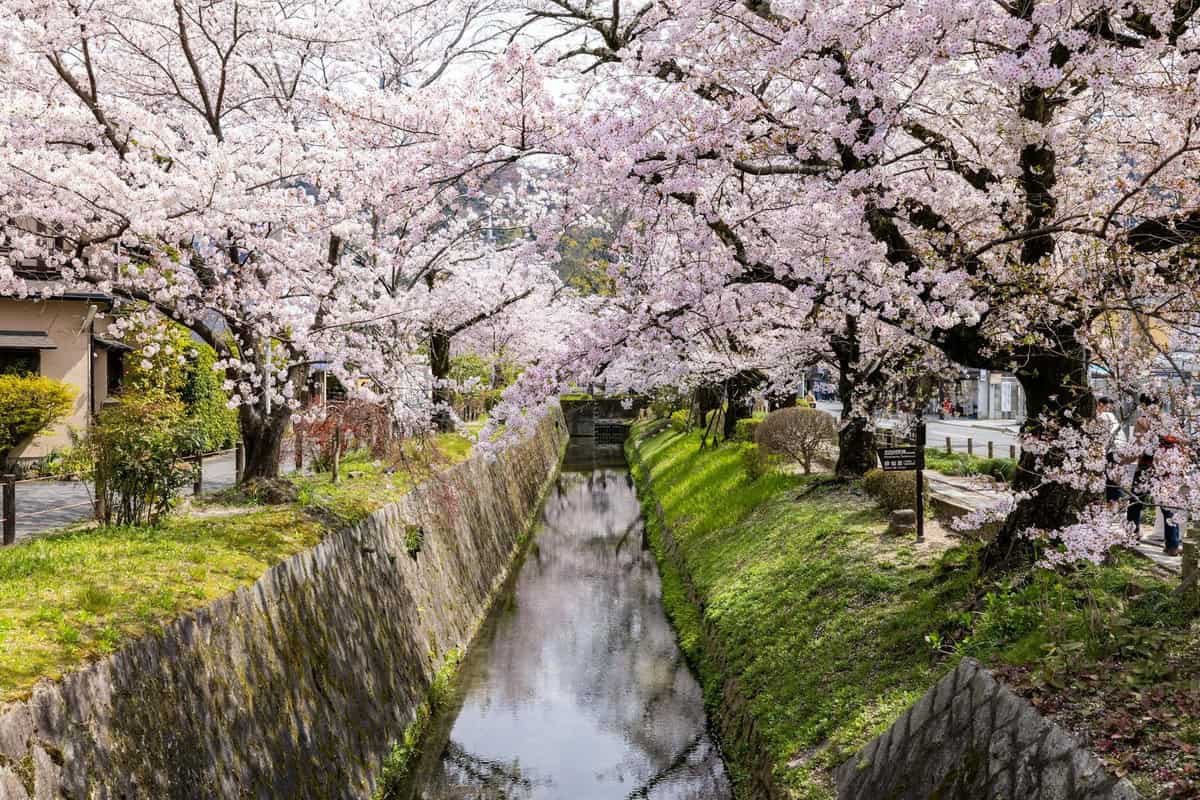
In the afternoon, walk the Philosopher’s Path. It’s about 2 km long and lined with hundreds of cherry trees arching over a canal. Completely free. Completely magical.
Day 2: Arashiyama — Bamboo and Blossoms
Arashiyama gets slammed by 10:00 AM. Arrive by 8:00 AM.
Yes, the Bamboo Grove is photogenic. But during sakura season, the real star is the riverbank near Togetsukyo Bridge, where cherry trees frame the mountains.
Walk up to Tenryu-ji Temple (¥500 entry). The garden blends spring greenery with subtle pink blossoms and feels calmer than downtown Kyoto.
If you’re up for it, hike to the Iwatayama Monkey Park. It’s a 20-minute uphill climb, but the panoramic view over cherry blossom-dotted Kyoto is spectacular.
Lunch recommendation: Arashiyama Yoshimura for handmade soba with river views (around ¥2,000). Book ahead during peak week.
If you love scenic hikes, Kyoto’s gentle temple walks are a completely different vibe from something like Iceland’s Laugavegur Trail — less survival epic, more contemplative beauty.
Day 3: Fushimi Inari + Fushimi Sake District
Everyone goes to Fushimi Inari. Most people quit halfway.
Go at sunrise (around 6:00 AM). The vermillion torii gates glow in soft light, and you’ll avoid 90% of the crowds.
While Fushimi Inari isn’t famous for cherry blossoms, small clusters bloom around the lower shrine areas — and the contrast of red gates and pink flowers is stunning.
After your hike, head 15 minutes by train to the Fushimi Sake District.
Visit Gekkeikan Okura Sake Museum (¥600 entry including tasting). Spring seasonal sake releases are usually available in March and April.
Lunch: Torisei Honten — charcoal-grilled chicken and sake pairings for about ¥2,000–¥3,000.
This area feels local, relaxed, and far less polished than central Kyoto — which is exactly why I love it.
Day 4: Northern Kyoto — Quieter Blossoms
By Day 4, you’ll appreciate fewer crowds.
Head north to Kinkaku-ji (Golden Pavilion). Yes, it’s busy — but the reflection of the gold temple against spring foliage is iconic. Entry: ¥500.
Then escape to Kamigamo Shrine. It’s a UNESCO site with wide open lawns and scattered cherry trees. Way fewer tour groups.
If you want a local neighborhood feel, walk around Demachiyanagi and along the Kamo River. Locals picnic here under the blossoms in early April.
Coffee break: Weekenders Coffee (excellent third-wave espresso, around ¥600). Kyoto’s café culture is surprisingly strong — almost Bologna-level devotion to craft, though in a very different way (and if you’re into food-city comparisons, you’ll love this take on Bologna vs. Florence for a food-focused weekend).
Day 5: Nishiki Market + Evening Illumination
Save your food exploration for the final day.
Nishiki Market opens around 10:00 AM. Go hungry.
Try:
- Yuba (tofu skin) skewers — around ¥400
- Fresh tamagoyaki — ¥300–¥500
- Sakura mochi (seasonal pink rice cake)
- Matcha soft serve from a specialist shop (avoid the generic stands)
Budget about ¥2,000–¥3,000 to properly graze.
In the evening, check for special yozakura (night blossom) illuminations. In 2026, Kodai-ji and Nijo Castle are both hosting seasonal light-ups through early April (typically ¥600–¥1,300 entry).
Night sakura hits differently — lantern light, reflections, fewer tour groups.
What It Costs (Realistic Spring 2026 Budget)
Kyoto during cherry blossom season is not cheap — but it’s manageable.
- Temple entries: ¥400–¥600 each
- Meals: ¥1,200–¥3,000 per meal (mid-range)
- IC transport (buses + trains): ~¥800–¥1,200 per day
- Business hotel: ¥12,000–¥20,000 per night in peak week
Plan on roughly ¥15,000 ($100) per day excluding accommodation if you’re mixing street food and sit-down meals.
Practical Tech Tips for Cherry Blossom Season
This is Distratech, so let’s talk smart travel.
- Use the Japan Official Travel App for real-time train routes — it’s more accurate than Google Maps for rural transfers.
- Check sakura forecasts daily via the Japan Meteorological Corporation website.
- Carry a power bank — you’ll take 500+ photos per day.
- Book restaurants on TableCheck instead of walking in during peak bloom.
- Use an eSIM instead of pocket Wi-Fi — cheaper and no device return hassle.
When Exactly to Visit Kyoto for Cherry Blossoms?
Late March to early April is prime time.
In 2026, bloom started slightly earlier than average due to a warm mid-March, but cooler evenings have extended full bloom. If you’re planning for 2027, aim to arrive around March 27–30 and stay at least five days to hedge against weather shifts.
If you prefer fewer crowds, come just after peak — petals falling (sakura fubuki) might actually be prettier than full bloom.
Final Thoughts: Is Kyoto Worth It During Sakura Season?
Yes. Absolutely. Even with the crowds.
Kyoto in cherry blossom season feels like walking through a living painting — temple bells, drifting petals, rivers lined in pink.
But the key is pacing yourself. Start early, eat well, and balance iconic sights with quieter neighborhoods.
If spring travel is your thing, this belongs on your list right alongside epic seasonal adventures like Iceland’s highland hikes or shoulder-season national park escapes.
Planning a Japan trip this year? Save this guide, share it with your travel partner, and start booking now — peak bloom waits for no one.
Ready to stay in the right neighborhood during peak bloom—book hotels in Kyoto early to lock in the best options.
Frequently Asked Questions
When is peak cherry blossom season in Kyoto in 2026?
Peak bloom in 2026 is expected between March 28 and April 5, with some trees lasting into the second week of April depending on weather conditions.
How much does a 5-day Kyoto cherry blossom trip cost?
Expect to spend around ¥75,000–¥100,000 ($500–$670) for five days excluding flights, depending on hotel choice and dining style.
What is the best free cherry blossom spot in Kyoto?
The Philosopher’s Path and Maruyama Park are both free and offer some of the most iconic cherry blossom views in the city.
Is Kyoto too crowded during sakura season?
It’s busy, especially from 10:00 AM to 4:00 PM at major temples, but early mornings and lesser-known neighborhoods make it manageable.

About the Author: Tomáš Bzirský
Founder and editor of Distratech. Based in the Czech Republic, travelling regularly from Central Europe. Writes practical travel guides and travel-tech comparisons (eSIM, apps, airports) in six languages.