'/%3E%3Cpath%20fill='%23b2b2b2'%20d='M241%20382q0%2016%2017%2026%2017%2011%2042%2011t42-11q16-11%2017-26V269H241'/%3E%3Cpath%20fill='%239f7e00'%20d='M241%20379q0%2014%208%2023%209%209%2021%209%2014%200%2021-9%209-9%209-23V269h-59'/%3E%3Cpath%20d='M241%20339v-70h59v110q0%2014-9%2023l-6%205v-68h-15v72q-8%200-14-4v-68zm59%2040c0%2022%2015%2032%2029%2032%2021%200%2030-18%2030-32v-40h-59'/%3E%3Cpath%20fill='%239f7e00'%20d='M266%20277v5h2v12h-3v-5h2v-5h-9v5h2v5h-4v9h3v18h-5v10h34v-10h-5v-18h3v-9h-4v-5h2v-5h-9v5h2v5h-3v-12h2v-5zm42%20101q0%2010%206%2017%206%206%2015%207%2010-1%2016-7%206-7%206-17v-29h-43'/%3E%3Ccircle%20fill='%230044ad'%20cx='329.5'%20cy='372'%20r='6'/%3E%3Cellipse%20fill='%230044ad'%20cx='300'%20cy='340'%20rx='16'%20ry='21'/%3E%3C/svg%3E)
'/%3E%3C/svg%3E)


'/%3E%3C/g%3E%3Cuse%20href='%23c'%20transform='matrix(-1%200%200%201%20720%200)'/%3E%3C/svg%3E)


If you only have one long weekend in Italy and your main goal is to eat exceptionally well, the Bologna vs. Florence debate gets serious fast.
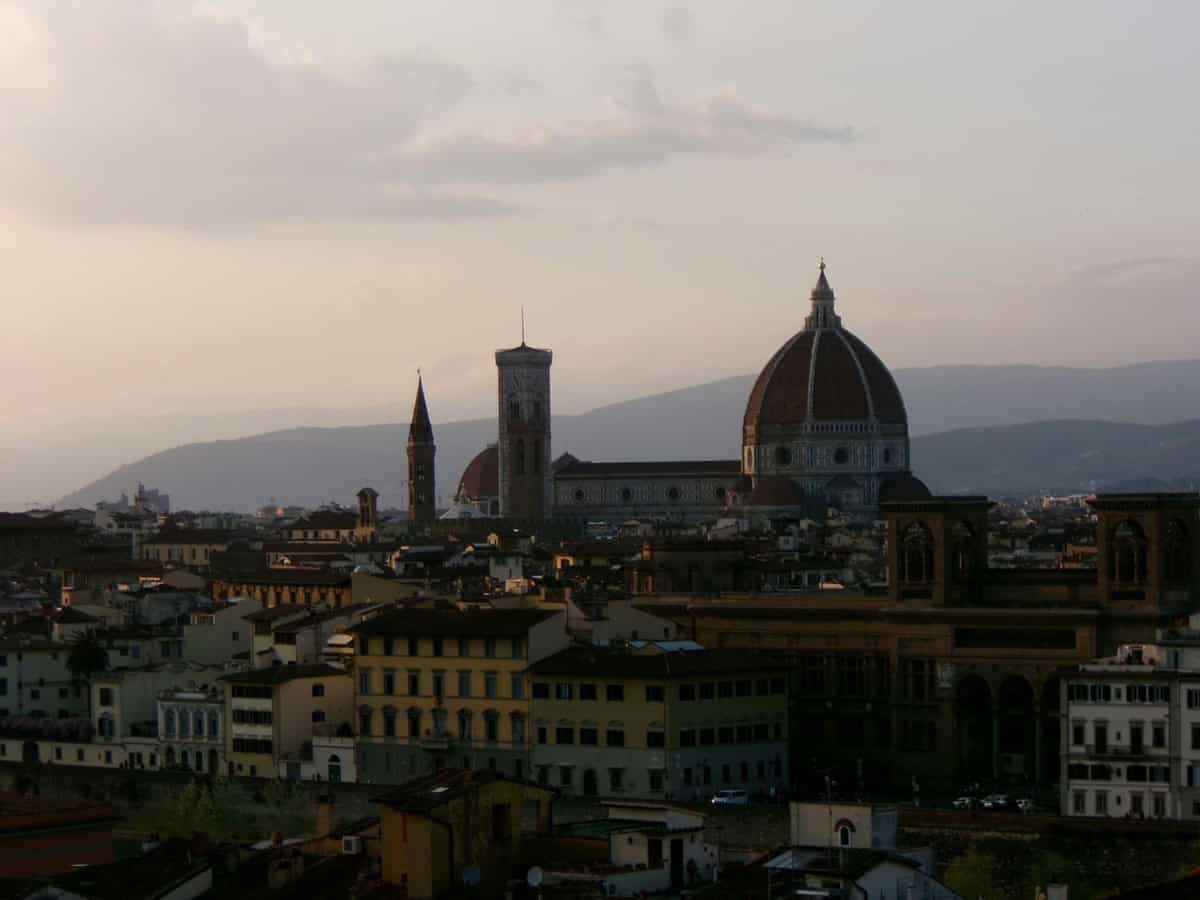
I’ve done both back-to-back in spring — train tickets under €15 each way, Aperol in hand, stretchy pants engaged — and they offer completely different food experiences. One is unapologetically local and meat-heavy. The other pairs Renaissance art with €25 bistecca plates and wine windows that still feel magical in 2026.
Key Takeaways
- Bologna is Italy’s food capital for traditional dishes like tagliatelle al ragù and tortellini in brodo (meals €15–€30).
- Florence offers better wine bars, steak, and iconic views, but is 20–30% pricier overall.
- Travel time between the two is just 37 minutes by high-speed train (from €9.90).
- April–May is ideal: fewer crowds than summer, peak produce, and outdoor dining weather.
Bologna: For Hardcore Food Lovers
Bologna doesn’t try to impress you with postcard views. It wins you over with ragù.
The city is compact, walkable, and refreshingly non-performative. By 9 pm, locals are deep into second courses while Florence is still posing for sunset selfies.
What You’ll Eat in Bologna
Let’s clear something up: “spaghetti Bolognese” is not a thing here. Order it and you’ll get a polite smile.
Instead, you’re here for:
- Tagliatelle al ragù – silky egg pasta with slow-cooked meat sauce (€12–€16)
- Tortellini in brodo – tiny pasta in capon broth (€14–€18)
- Mortadella – nothing like what you think it is
- Lasagne verdi – layered with spinach pasta and béchamel
Book ahead for Trattoria Anna Maria or Sfoglia Rina. Skip restaurants with laminated tourist menus near Piazza Maggiore.
Food Experiences Worth Your Time
In spring 2026, food tours are running around €85–€120 for 3–4 hours, often including Parmigiano tastings and traditional balsamic vinegar from Modena.
If you want something deeper, rent a car for a day and visit a caseificio (cheese producer). Tasting 24-, 36-, and 60-month Parmigiano back-to-back is life-altering.
Bologna is also an excellent base if your trip blends food and light adventure. If you’re the type who pairs indulgent weekends with bigger outdoor plans — say Iceland’s Laugavegur Trail later this year — Emilia-Romagna’s Apennine hikes are surprisingly scenic in April.
The Vibe
Bologna feels lived-in. Students from the oldest university in Europe fill the porticoes. Aperitivo costs €5–€8 and often includes a small buffet.
It’s less polished, more authentic. Fewer influencers, more grandmothers.
Downsides
If you want iconic landmarks, this isn’t your city. Yes, there are the Two Towers. But visually, Florence wins.
Also: it’s meat-heavy. Vegetarians will manage, but it’s not effortless.
Florence: For Food with a Side of Renaissance Drama
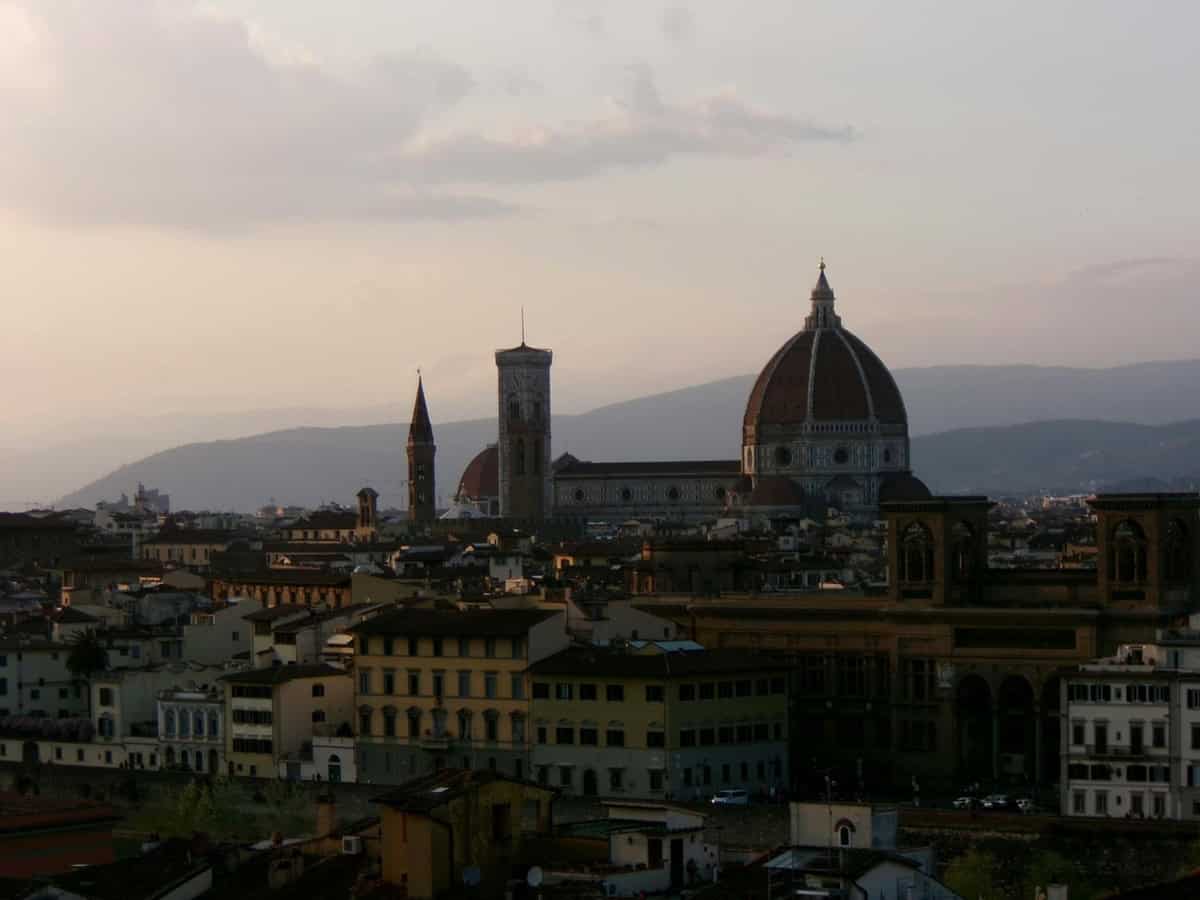
Florence is objectively stunning. Duomo. Ponte Vecchio. Golden-hour Arno views.
But you’re here to eat — so how does it compare?
What You’ll Eat in Florence
Florence is about bold, simple flavors and excellent wine.
- Bistecca alla Fiorentina – massive T-bone, priced per kilo (€50–€70/kg)
- Pappa al pomodoro – tomato-bread soup done right
- Ribollita – hearty Tuscan vegetable stew
- Gelato – look for natural colors, not neon piles
Order steak rare. They will not ask how you want it cooked.
For a reliable bistecca, try Trattoria dall’Oste (touristy but consistent) or Buca Lapi for something more traditional. Avoid restaurants with hosts aggressively waving you in near the Duomo.
Wine & Aperitivo Scene
This is where Florence shines.
Enotecas pour excellent Chianti Classico from €6–€8 a glass. In spring, terraces fill up around 6:30 pm as the light softens over the river.
And yes — the wine windows (buchette del vino) are still fun. It’s not just Instagram hype. A €5 plastic cup of wine through a 16th-century hole in the wall? Still charming.
The Vibe
Florence in April and May is busy but manageable. Expect lines for the Uffizi and Accademia — book at least a week in advance.
It feels more international. More polished. More curated.
Downsides
You’ll pay for the beauty. Hotels are typically 20–30% more than Bologna for similar quality.
And some restaurants absolutely coast on location. Do your homework.
Price Comparison: Bologna vs. Florence
Here’s what a realistic spring 2026 weekend looks like per person (mid-range style):
- Hotel (2 nights): Bologna €220–€300 | Florence €300–€380
- Nice dinner for two: Bologna €60–€80 | Florence €80–€120
- Aperitivo: Bologna €5–€8 | Florence €7–€12
- High-speed train between cities: from €9.90 (37 minutes)
Florence isn’t outrageously expensive — but you notice the difference.
Best for a Weekend? Here’s My Verdict
If your weekend is 100% about food, go to Bologna.
The density of excellent, unfussy trattorias is unmatched. You won’t waste meals. Every dish feels rooted in tradition rather than designed for tourists.
If you want food + art + wow-factor scenery, choose Florence.
You’ll eat very well — just not quite as consistently transcendent as in Bologna.
My honest advice? Fly into one, take the 37-minute train, and split your weekend.
How to Split a 3-Day Food Weekend
- Day 1: Arrive in Bologna – Lunch of tagliatelle al ragù, afternoon food market stroll at Quadrilatero, evening tortellini in brodo.
- Day 2: Morning train to Florence – Check in, Uffizi or Duomo climb, bistecca dinner and Chianti.
- Day 3: Florence café culture – Cappuccino standing at the bar, leather market wander, final gelato before departure.
It’s efficient, indulgent, and surprisingly easy.
Spring 2026 Travel Tips
April and May are prime time.
Strawberries and artichokes are in season. Outdoor tables are open. Easter week (April 5, 2026) will be crowded — book early.
- Reserve restaurants 3–7 days ahead for weekends.
- Use Trenitalia or Italo apps for train tickets (digital tickets accepted).
- Carry small cash for wine windows and markets.
- Book major Florence museums in advance.
- Stay inside city walls in Florence; near Piazza Maggiore in Bologna.
If Italy is part of a broader European food journey, consider pairing it with emerging destinations like Albania’s fast-growing culinary scene, where prices are lower and reservations are still easy to snag.
So… Bologna or Florence?
If you’re a serious eater who plans trips around restaurant reservations, Bologna is your city.
If you want your pasta framed by Renaissance masterpieces and sunset viewpoints, Florence delivers the drama.
Either way, come hungry. And book that train ticket — 37 minutes is all that separates two of Italy’s best food weekends.
Planning a spring escape? Save this guide, share it with your travel partner, and start making reservations before everyone else does.
Für einen food-first Aufenthalt in Bologna, stöbere hier im Voraus nach passenden Zimmern: Hotels in Bologna ansehen.
Frequently Asked Questions
Is Bologna or Florence better for food?
Bologna is widely considered Italy’s food capital, especially for traditional pasta and cured meats. Florence excels in steak and wine, but Bologna offers more consistently authentic, locally focused dining.
How far is Bologna from Florence?
High-speed trains take just 37 minutes and start from €9.90 if booked in advance. Trains run frequently throughout the day, making it easy to visit both in one weekend.
Is Florence more expensive than Bologna?
Yes — expect hotels and restaurants in Florence to cost about 20–30% more. Aperitivo and museum tickets also add to the overall weekend budget.
When is the best time for a food weekend in Italy?
April and May are ideal for mild weather, seasonal produce, and fewer crowds than summer. Book ahead around Easter and major holidays.

About the Author: Tomáš Bzirský
Founder and editor of Distratech. Based in the Czech Republic, travelling regularly from Central Europe. Writes practical travel guides and travel-tech comparisons (eSIM, apps, airports) in six languages.