'/%3E%3Cpath%20fill='%23b2b2b2'%20d='M241%20382q0%2016%2017%2026%2017%2011%2042%2011t42-11q16-11%2017-26V269H241'/%3E%3Cpath%20fill='%239f7e00'%20d='M241%20379q0%2014%208%2023%209%209%2021%209%2014%200%2021-9%209-9%209-23V269h-59'/%3E%3Cpath%20d='M241%20339v-70h59v110q0%2014-9%2023l-6%205v-68h-15v72q-8%200-14-4v-68zm59%2040c0%2022%2015%2032%2029%2032%2021%200%2030-18%2030-32v-40h-59'/%3E%3Cpath%20fill='%239f7e00'%20d='M266%20277v5h2v12h-3v-5h2v-5h-9v5h2v5h-4v9h3v18h-5v10h34v-10h-5v-18h3v-9h-4v-5h2v-5h-9v5h2v5h-3v-12h2v-5zm42%20101q0%2010%206%2017%206%206%2015%207%2010-1%2016-7%206-7%206-17v-29h-43'/%3E%3Ccircle%20fill='%230044ad'%20cx='329.5'%20cy='372'%20r='6'/%3E%3Cellipse%20fill='%230044ad'%20cx='300'%20cy='340'%20rx='16'%20ry='21'/%3E%3C/svg%3E)
'/%3E%3C/svg%3E)


'/%3E%3C/g%3E%3Cuse%20href='%23c'%20transform='matrix(-1%200%200%201%20720%200)'/%3E%3C/svg%3E)


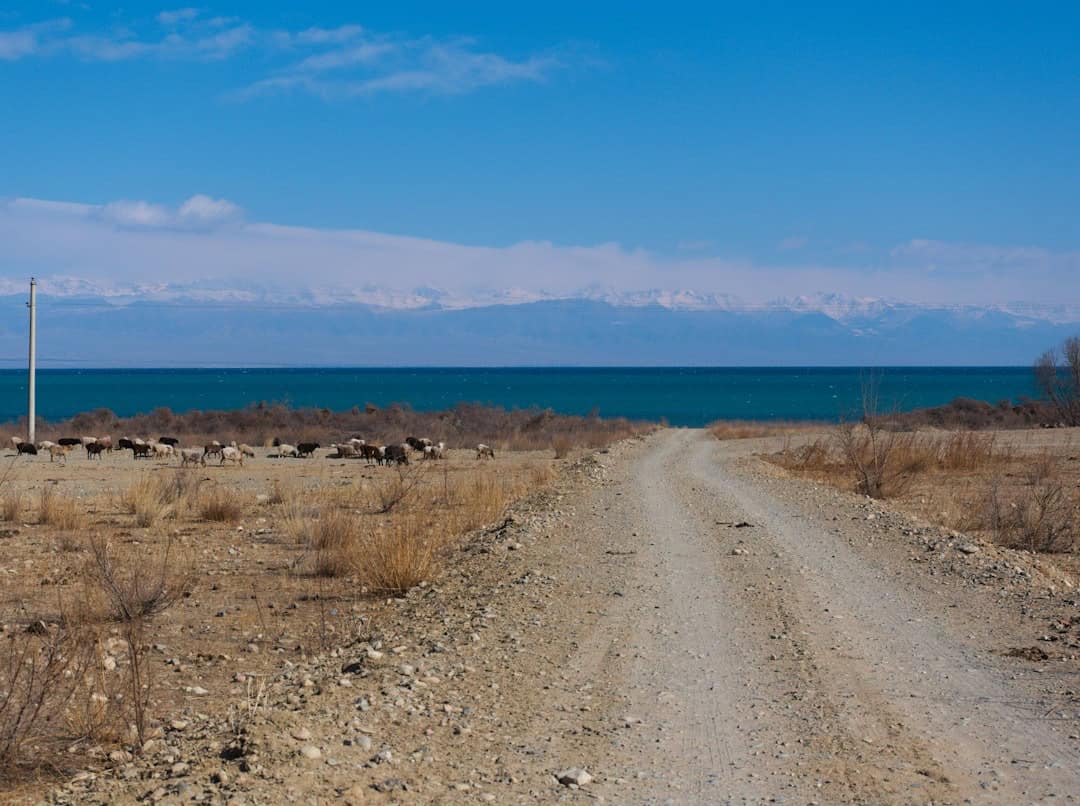
I didn’t expect to find myself hiking through a Martian-red canyon at 9am and paddleboarding on a turquoise alpine lake by 4pm — all within a three-hour drive of a major city. But that’s exactly what happened in southeastern Kazakhstan.
Over the past few years, Kazakhstan has been quietly expanding protected areas, improving trail infrastructure, and promoting eco-tourism. In spring 2026, with tulips blooming across the steppe and mountain passes reopening after winter, it feels like the perfect moment to go.
Key Takeaways
- Kazakhstan has 14 national parks, with expanded eco-trails and visitor facilities added since 2023.
- Altyn-Emel and Charyn Canyon are 2–3 hours from Almaty and cost around $3–$10 for park entry.
- Spring (April–June) is prime hiking season, with wild tulips and mild temperatures (15–25°C).
- Car rental from Almaty starts at $35–$50 per day — the easiest way to explore independently.
- Visa-free entry for many nationalities (including EU and US) for up to 30 days.
Why Kazakhstan — and Why Now?
Kazakhstan is the ninth-largest country in the world, but most travelers only know it as a punchline or a layover. That’s changing.
The government has been investing in eco-tourism, expanding national park boundaries, upgrading roads to key sites, and introducing marked hiking routes with QR-coded trail maps. Compared to overtouristed mountain destinations in Europe, this still feels raw — in a good way.
If you loved the Atlas Mountains in Morocco but wished for fewer tour buses (like I mentioned in my 5-day Morocco itinerary), Kazakhstan offers that same dramatic scale — just with more space and fewer people.
1. Altyn-Emel National Park: Singing Dunes and Wild Landscapes
Altyn-Emel is where Kazakhstan shows off.
About 250 km (4–5 hours) from Almaty, this massive park covers desert, mountains, and the famous “Singing Dune” — a 150-meter-high sand dune that literally hums when the wind hits it right.
Entry fees are surprisingly low: around 2,000–4,000 KZT ($3–$8), depending on vehicle and access zones. You’ll need either a 4WD or a local driver for deeper routes.
Spring is ideal. Temperatures hover around 20°C in April and May, and the steppe wildflowers — including rare wild tulips — start blooming.
Don’t expect luxury lodges. Expect vast silence, golden light, and maybe a herd of kulan (wild donkeys) in the distance.
2. Charyn Canyon: The “Grand Canyon” Without the Crowds
Yes, everyone calls it the Grand Canyon of Central Asia. But here’s the difference: I counted maybe 40 people on the main trail in peak afternoon.
Charyn Canyon is just 3 hours from Almaty, making it the easiest big adventure from the city. Entry is about 3,000 KZT ($6), and you can hike the 3 km Valley of Castles trail in 2–3 hours round-trip.
In spring, the heat hasn’t kicked in yet — which matters. Summer can easily hit 35–40°C.
If you want to stay overnight, basic eco-cabins near the canyon start at $40–$70 per night. Book in advance during May weekends.
3. Kolsai & Kaindy Lakes: Alpine Kazakhstan
If you showed me photos of Kolsai Lake without context, I’d guess Switzerland. Pine forests, snow-dusted peaks, teal water.
The Kolsai Lakes National Park has seen new marked trails and improved visitor facilities since 2024. You can hike from the first to the second lake (about 9 km one way), or rent a horse locally for around $20–$30.
Kaindy Lake, famous for its submerged forest, is nearby — but you’ll need a sturdy vehicle or local transfer for the rough road.
April and May are shoulder season sweet spots: cool hiking weather, fewer tour groups, and dramatic mountain backdrops.
4. Tulip Season on the Steppe (April–May Only)
Here’s something most people don’t realize: Kazakhstan is one of the original homes of wild tulips.
In spring, especially April, parts of the steppe around Turkistan and the Almaty region turn red and yellow with natural blooms. It’s subtle — not manicured like the Netherlands — but it feels authentic and wild.
If you’re visiting in April 2026, ask locally about bloom conditions. They vary by altitude and rainfall.
5. Adventure Beyond Hiking: Canyoning, Horse Trekking, and Space Tourism
Kazakhstan isn’t just about scenic overlooks.
You can:
- Go multi-day horse trekking in the Tian Shan Mountains (from $300–$600 for 3–4 days).
- Try canyoning and rafting trips near Almaty (from $40–$100).
- Visit Baikonur Cosmodrome — yes, the world’s first spaceport — on organized tours (typically $1,000+ and must be arranged well in advance).
This mix of raw nature and unexpected tech history makes Kazakhstan uniquely compelling for adventurous travelers.
Practical Tips for Visiting Kazakhstan in 2026
Kazakhstan is easier than you think — but planning helps.
- Fly into Almaty. It’s the best base for national parks and has the most international connections.
- Rent a car. Public transport to parks is limited. Expect $35–$50/day.
- Download offline maps. Google Maps works, but signal drops in remote areas.
- Carry cash. Park entrances and rural guesthouses often don’t take cards.
- Get an eSIM before arrival. Coverage in cities is excellent; mountains are patchy.
Visa-free access applies to many travelers (EU, UK, US, and others) for stays up to 30 days — always double-check before booking.
What It Costs (Realistic Spring 2026 Budget)
Kazakhstan is still affordable compared to Europe.
Mid-range daily budget: $60–$120 per person
- Guesthouse or simple hotel: $25–$60
- Car rental split between two people: ~$20–$30 each
- Meals: $10–$20 per day
- Park entries & activities: $5–$20
You’ll spend more if you book guided multi-day treks, but independent travel is very doable.
When to Visit Kazakhstan’s National Parks
April–June: Best overall. Wildflowers, mild temperatures, great hiking conditions.
July–August: Warmer and busier, especially around Almaty. Higher mountain treks are fully accessible.
September: Crisp air, golden steppe landscapes, fewer tourists.
Winter is beautiful but limits access unless you’re focused on skiing near Shymbulak.
Is Kazakhstan the Next Big Adventure Destination?
I think so — but not in a flashy, influencer-heavy way.
This is a place for travelers who like open space, self-driving road trips, and the feeling of discovering somewhere just before it gets popular.
Infrastructure is improving. Trails are better marked. National parks are expanding. But it still feels real.
If you’re looking for something different this spring — beyond Europe’s crowded hiking routes — Kazakhstan might be your smartest adventure move of 2026.
Have questions about planning a Central Asia trip? Drop them in the comments or explore more of our destination guides for practical, tech-smart travel tips.
If you’re planning a spring 2026 eco-adventure across Kazakhstan’s expanding national parks, browse stays with Hotels in Kazakhstan ansehen and book early for the best availability.
Frequently Asked Questions
Is Kazakhstan good for hiking?
Yes — especially around Almaty, where national parks like Kolsai Lakes, Charyn Canyon, and Altyn-Emel offer well-marked trails and dramatic scenery. Spring (April–June) is the best season for mild weather and wildflowers.
Do you need a visa to visit Kazakhstan?
Many nationalities, including EU, UK, and US passport holders, can enter visa-free for up to 30 days. Always check official government sources before traveling in case policies change.
How much does it cost to visit Kazakhstan’s national parks?
Most park entry fees range from $3 to $10 per person or vehicle. Guided tours and multi-day treks cost more, but independent visits are very affordable.
Is Kazakhstan safe for tourists?
Yes, Kazakhstan is generally considered safe, especially in and around major cities like Almaty and Astana. Standard travel precautions apply, particularly in remote areas.

About the Author: Tomáš Bzirský
Founder and editor of Distratech. Based in the Czech Republic, travelling regularly from Central Europe. Writes practical travel guides and travel-tech comparisons (eSIM, apps, airports) in six languages.