'/%3E%3Cpath%20fill='%23b2b2b2'%20d='M241%20382q0%2016%2017%2026%2017%2011%2042%2011t42-11q16-11%2017-26V269H241'/%3E%3Cpath%20fill='%239f7e00'%20d='M241%20379q0%2014%208%2023%209%209%2021%209%2014%200%2021-9%209-9%209-23V269h-59'/%3E%3Cpath%20d='M241%20339v-70h59v110q0%2014-9%2023l-6%205v-68h-15v72q-8%200-14-4v-68zm59%2040c0%2022%2015%2032%2029%2032%2021%200%2030-18%2030-32v-40h-59'/%3E%3Cpath%20fill='%239f7e00'%20d='M266%20277v5h2v12h-3v-5h2v-5h-9v5h2v5h-4v9h3v18h-5v10h34v-10h-5v-18h3v-9h-4v-5h2v-5h-9v5h2v5h-3v-12h2v-5zm42%20101q0%2010%206%2017%206%206%2015%207%2010-1%2016-7%206-7%206-17v-29h-43'/%3E%3Ccircle%20fill='%230044ad'%20cx='329.5'%20cy='372'%20r='6'/%3E%3Cellipse%20fill='%230044ad'%20cx='300'%20cy='340'%20rx='16'%20ry='21'/%3E%3C/svg%3E)
'/%3E%3C/svg%3E)


'/%3E%3C/g%3E%3Cuse%20href='%23c'%20transform='matrix(-1%200%200%201%20720%200)'/%3E%3C/svg%3E)


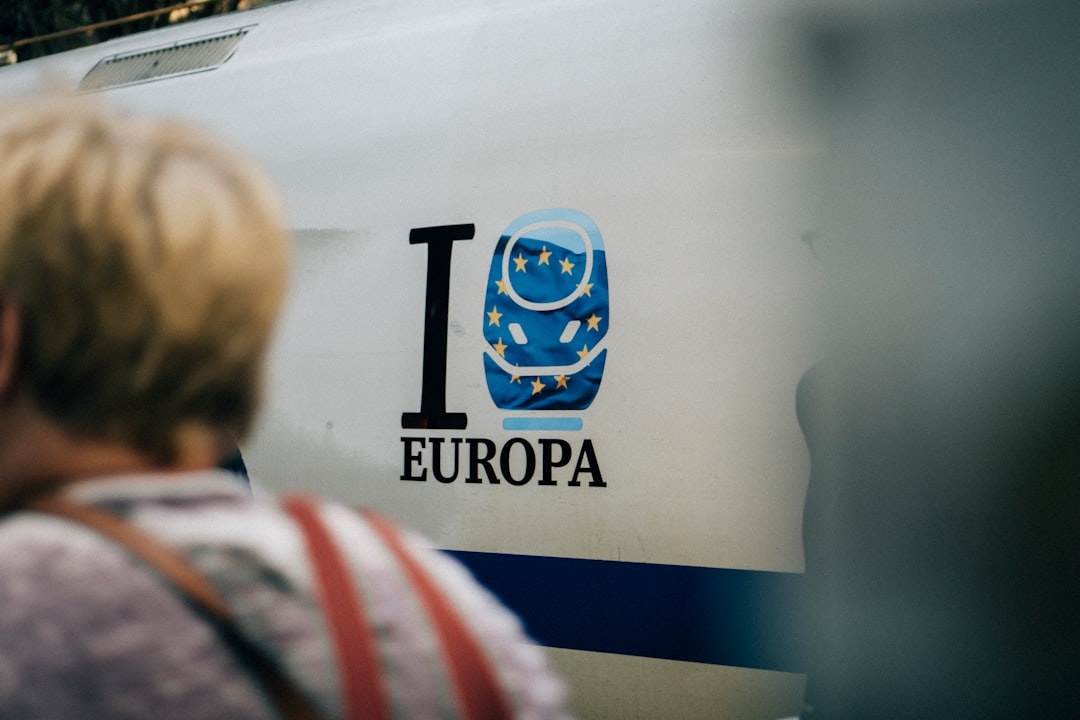
There’s something wildly romantic about boarding a train in Scandinavia and waking up in Italy. This month, June 2026, a brand-new 1,300km night train route linking Copenhagen and Rome officially launches — and it’s already one of the longest direct rail journeys in Europe.
Operated by a partnership between DSB (Denmark), Deutsche Bahn (Germany), ÖBB Nightjet (Austria), and Trenitalia (Italy), the route connects four countries in one seamless overnight trip. No airports. No security lines. Just a bed on rails and the Alps at sunrise.
Key Takeaways
- The new Copenhagen–Rome night train covers 1,300km in approximately 19 hours.
- Tickets start at €69 ($75) for a seat and €129 ($140) for a couchette; private sleepers from €249 ($270).
- Launch date: June 15, 2026, with three departures per week (expanding to daily in September).
- Booking available via bahn.com, oebb.at, and dsb.dk.
- Travel time compares favorably to flying when you factor in airport transfers and security.
The Route: Copenhagen to Rome in One Sweep
The train departs Copenhagen Central Station at 15:45 and arrives at Roma Termini at 10:30 the next morning. Total journey time: roughly 18 hours 45 minutes.
Major stops include Hamburg, Munich, Innsbruck, and Florence. It’s essentially a greatest-hits tour of central Europe — except you’re sleeping through half of it.
Distance-wise, 1,300km puts it among Europe’s longest direct passenger rail routes. For comparison, the Paris–Vienna Nightjet is 1,035km, and Stockholm–Berlin clocks in at around 1,100km. This one goes further — and crosses more climate zones.
What You’ll See (If You Stay Awake)
- Øresund coast leaving Copenhagen
- German countryside between Hamburg and Munich
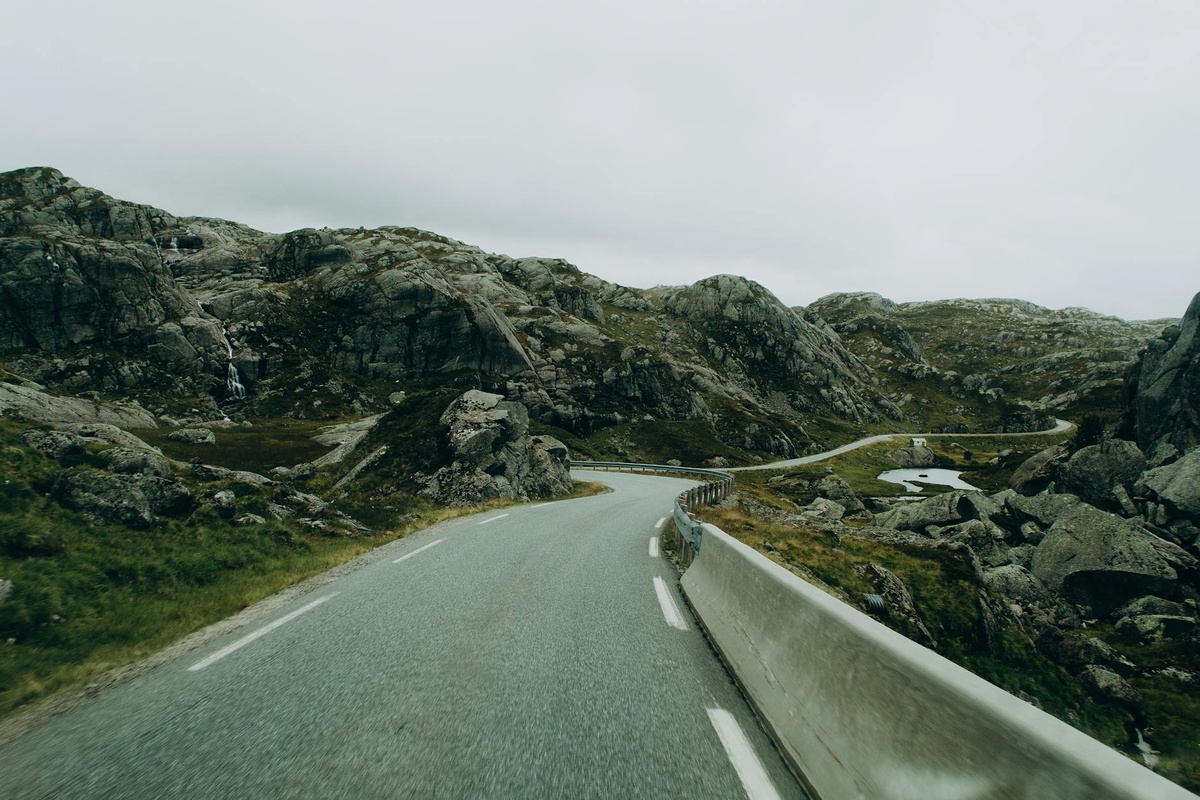
- Alpine scenery near Innsbruck at sunrise
- Tuscan hills before Florence
If you’re traveling in summer (June–August), sunrise over the Alps hits around 5:30–6:00am. Set an alarm — it’s worth it.
Ticket Prices: Is It Actually Cheaper Than Flying?
Short answer: sometimes. Long answer: it depends on your comfort level.
| Option | Price (One Way) | Total Travel Time | Comfort Level |
|---|---|---|---|
| Train Seat | €69 ($75) | 18h 45m | Basic recliner |
| Couchette (4–6 berth) | €129 ($140) | 18h 45m | Shared sleeper |
| Private Sleeper Cabin | €249–€349 ($270–$380) | 18h 45m | Hotel-style privacy |
| Flight (Copenhagen–Rome) | €45–€160 ($50–$175) | 2h 45m (+3–4h airport time) | Economy seat |
A €45 Ryanair ticket looks cheaper — until you add:
- €25–€40 for checked baggage
- €6–€15 airport transfer (Rome Ciampino bus: €6, 45 min vs taxi: €35, 25 min)
- 2–3 hours early airport arrival
Realistically, flying door-to-door takes 6–7 hours. The train takes longer, but you’re sleeping through most of it and saving one hotel night (Rome summer hotels average €160/$175 per night near Termini).
If you book a €129 couchette, you’re effectively getting transport + accommodation in one.
Who This Train Is Perfect For (And Who Should Skip It)
Do this train if:
- You’re already in Scandinavia and heading south for summer.
- You hate airport stress.
- You want a slow-travel experience.
- You’re interrailing (Eurail pass holders pay ~€39–€89 reservation fee).
Skip it if:
- You only have a long weekend in Rome.
- You can’t sleep on moving transport.
- You find shared compartments awkward.
Personally? I’d skip the basic seat. Eighteen hours upright isn’t romantic — it’s punishing. The 4-berth couchette is the sweet spot for value.
Booking Tips (Don’t Make This Mistake)
Book through bahn.com or oebb.at. Prices are identical, but ÖBB’s site usually shows sleeper availability more clearly.
Tickets opened 180 days in advance. For June and July 2026 departures, couchettes are already 60% sold out on peak Fridays.
Pro tip: Avoid third-party booking sites. They often can’t combine the multi-operator route properly and may split your ticket — risky if delays happen.
If you’re traveling with a Eurail pass, book the reservation immediately after buying your pass. Night train spots disappear fast in summer.
Onboard Experience: What You Actually Get
The train uses new-generation Nightjet rolling stock introduced in 2025.
Private sleeper cabins include:
- Real beds (not fold-down benches)
- Private sink; some compartments have en-suite shower/WC
- Breakfast included (coffee, bread, jam, yogurt)
- Power outlets + USB-C ports
Wi-Fi is available but inconsistent in rural Germany and the Alps. Download Netflix beforehand.
Compared to older Nightjet routes (like Vienna–Paris pre-2024), these cabins feel more hotel-like and less “retro sleeper.” It’s a noticeable upgrade.
Best Stops to Break the Journey (If 19 Hours Feels Long)
You don’t have to ride end-to-end.
Munich (8h from Copenhagen)
Hop off for beer gardens and the English Garden. Lunch at Augustiner-Keller (~€18 for schnitzel + beer). Then continue south the next day.
Innsbruck (11h from Copenhagen)
Arguably the most scenic stop. Summer hiking is in full swing in June, with cable cars running 8:30am–5:00pm. Nordkette round-trip ticket: €44 ($48).
Florence (16h from Copenhagen)
If Rome feels too obvious, exit here. Florence’s Santa Maria Novella station is walking distance to the Duomo.
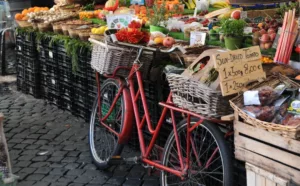
And if you’re building a food-focused trip through Europe, pair Florence or Rome with some of the continent’s best markets — I’ve detailed what to eat (and what to skip) in this guide to the best food markets in Europe for a summer trip.
Summer 2026 Timing: Why Now Is Ideal
Launching in June is strategic. Scandinavia has 17+ hours of daylight, while Italy is in full summer mode.
Rome in June averages 27°C (81°F). By July, it’s 32°C (90°F). If you’re heat-sensitive, aim for late June departures.
Meanwhile, Copenhagen is a breezy 20–22°C (68–72°F). You’re literally traveling from mild Nordic summer into Mediterranean heat overnight.
It’s also peak Interrail season. Expect lively compartments — especially on Thursday and Friday departures.
Sustainability: Train vs Plane Emissions
According to the European Environment Agency, long-distance trains emit roughly 14g CO₂ per passenger-km.
Flights average around 230g CO₂ per passenger-km.
Over 1,300km, that’s:
- Train: ~18kg CO₂
- Flight: ~299kg CO₂
That’s more than 16x higher emissions for flying.
If sustainability is part of your travel calculus this summer, this route makes a compelling case.
Final Verdict: Is This Europe’s Most Exciting New Train?
It might be.
It’s long, scenic, practical, and taps directly into Europe’s night train renaissance. Unlike shorter novelty routes, this one connects two major capitals that travelers genuinely move between.
Would I choose it over a €50 flight every time? No.
But for a summer 2026 trip — especially if you’re already traveling through Scandinavia or Germany — this 1,300km rail journey feels like the kind of slow, cinematic travel we don’t get enough of anymore.
If you’re planning a multi-country European summer, book early and grab a couchette. You’ll wake up in Italy with espresso waiting.
Check availability now on bahn.com or oebb.at before peak July dates sell out.
Frequently Asked Questions
How much does the Copenhagen–Rome night train cost?
Tickets start at €69 ($75) for a seat, €129 ($140) for a shared couchette, and €249–€349 ($270–$380) for a private sleeper cabin. Prices increase closer to departure, especially in July and August.
How long is the train journey from Copenhagen to Rome?
The full journey takes approximately 18 hours and 45 minutes, departing Copenhagen at 15:45 and arriving in Rome at 10:30 the next morning.
Is the night train cheaper than flying?
Budget flights can cost €45–€160, but once you add baggage and airport transfers, total costs often match or exceed a €129 couchette — which also replaces a hotel night.
When does the new route launch?
The first official departure is June 15, 2026, with three weekly services initially and daily departures planned from September 2026.

About the Author: Tomáš Bzirský
Founder and editor of Distratech. Based in the Czech Republic, travelling regularly from Central Europe. Writes practical travel guides and travel-tech comparisons (eSIM, apps, airports) in six languages.