'/%3E%3Cpath%20fill='%23b2b2b2'%20d='M241%20382q0%2016%2017%2026%2017%2011%2042%2011t42-11q16-11%2017-26V269H241'/%3E%3Cpath%20fill='%239f7e00'%20d='M241%20379q0%2014%208%2023%209%209%2021%209%2014%200%2021-9%209-9%209-23V269h-59'/%3E%3Cpath%20d='M241%20339v-70h59v110q0%2014-9%2023l-6%205v-68h-15v72q-8%200-14-4v-68zm59%2040c0%2022%2015%2032%2029%2032%2021%200%2030-18%2030-32v-40h-59'/%3E%3Cpath%20fill='%239f7e00'%20d='M266%20277v5h2v12h-3v-5h2v-5h-9v5h2v5h-4v9h3v18h-5v10h34v-10h-5v-18h3v-9h-4v-5h2v-5h-9v5h2v5h-3v-12h2v-5zm42%20101q0%2010%206%2017%206%206%2015%207%2010-1%2016-7%206-7%206-17v-29h-43'/%3E%3Ccircle%20fill='%230044ad'%20cx='329.5'%20cy='372'%20r='6'/%3E%3Cellipse%20fill='%230044ad'%20cx='300'%20cy='340'%20rx='16'%20ry='21'/%3E%3C/svg%3E)
'/%3E%3C/svg%3E)


'/%3E%3C/g%3E%3Cuse%20href='%23c'%20transform='matrix(-1%200%200%201%20720%200)'/%3E%3C/svg%3E)


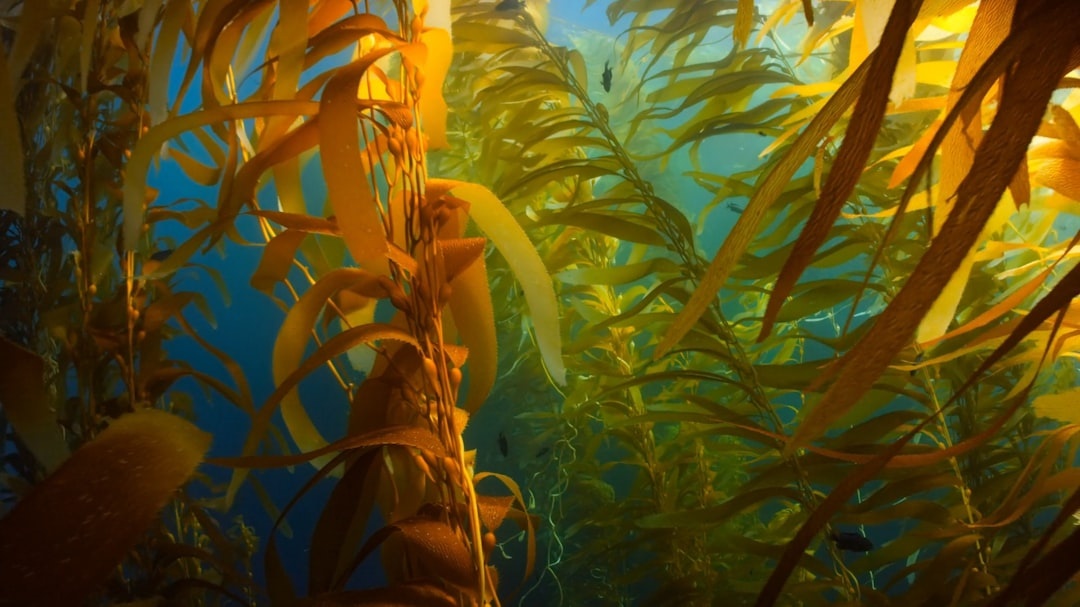
Summer 2026 was supposed to be peak Caribbean perfection. Instead, record levels of sargassum seaweed are washing up across parts of Mexico, the Dominican Republic, Jamaica, and Barbados — and hotels are quietly slashing prices to keep rooms filled.
If you’re flexible (and realistic), this is one of the best-value Caribbean summers in years. I’ve been tracking rates weekly, and some beachfront resorts are down 30–45% compared to June 2025. The trick isn’t avoiding the Caribbean — it’s choosing the right island, the right coast, and the right type of hotel.
Key Takeaways
- Beachfront hotels in Cancun and Punta Cana are 30–45% cheaper than summer 2025 (rooms from $165/night vs $280+ last year).
- West-facing beaches (Aruba, Curaçao, Jamaica’s Negril) are seeing far less seaweed than Mexico’s Riviera Maya.
- Resorts are offering added perks: $200–$500 resort credits, free transfers, and flexible cancellation.
- Best strategy: book swimmable-coast properties with pools and short cancellation windows (7–14 days).
Why Seaweed Is So Bad in 2026 (And Where It’s Worst)
The Atlantic sargassum belt is at near-record levels this year, according to the University of South Florida’s monitoring system. Warm water and shifting currents are pushing heavier blooms toward the eastern Caribbean and Mexico’s Caribbean coast.
Worst-hit areas right now (June 2026):
- Riviera Maya (Cancun to Tulum) — heavy accumulation, daily cleanup required
- Punta Cana (east coast DR) — moderate to heavy
- Barbados east coast — heavy
Less affected:
- Aruba — typically minimal due to geography and currents
- Curaçao — generally light
- Jamaica’s Negril (west coast) — patchy but manageable
Quick geography lesson: east-facing beaches get hit hardest. West-facing beaches are often dramatically cleaner. In Cancun, Playa Delfines can be brown while Isla Mujeres’ Playa Norte (a 20-minute ferry ride, $17 round-trip) looks nearly seaweed-free.
How Much Hotels Are Actually Discounting (Real Examples)
This isn’t a vague “deals available” situation. Here are real June–July 2026 prices compared to June 2025 averages:
| Hotel (Beachfront) | June 2025 Avg | June 2026 Rate | Discount |
|---|---|---|---|
| Hyatt Zilara Cancun (Adults Only) | $420/night | $255/night | ~39% |
| Secrets Maroma Beach | $510/night | $299/night | ~41% |
| Majestic Mirage Punta Cana | $350/night | $189/night | ~46% |
| Hilton Aruba Caribbean Resort | $380/night | $310/night | ~18% |
Notice the pattern: heavier seaweed = deeper discounts. Aruba, which is less affected, isn’t discounting nearly as aggressively.
Flight prices are also softer. New York (JFK) to Cancun round-trip in July 2026 is averaging $290 on JetBlue or American. Same route July 2025? $420+. That’s a $130 difference before you even land.
Before booking, check seat maps and loads. A lighter flight often signals softer demand. We break down how to do that step-by-step in this guide to checking how full your flight is.
Where You Should Go Instead (Smart Picks for 2026)
1. Aruba (Palm Beach)
Aruba is the safest bet this summer. Palm Beach and Eagle Beach are typically clear thanks to consistent trade winds and island positioning.
Best value stay: Riu Palace Aruba — $285/night all-inclusive in July 2026 (down from $360 last summer). Not ultra-luxury, but reliable and directly on Palm Beach.
Airport transfer: Taxi from AUA airport to Palm Beach is $31 flat, 15 minutes. Bus is $2.60 but takes 40 minutes and requires a short walk.
Skip east-coast natural pools this year — seaweed can collect there. Stick to Palm or Eagle Beach.
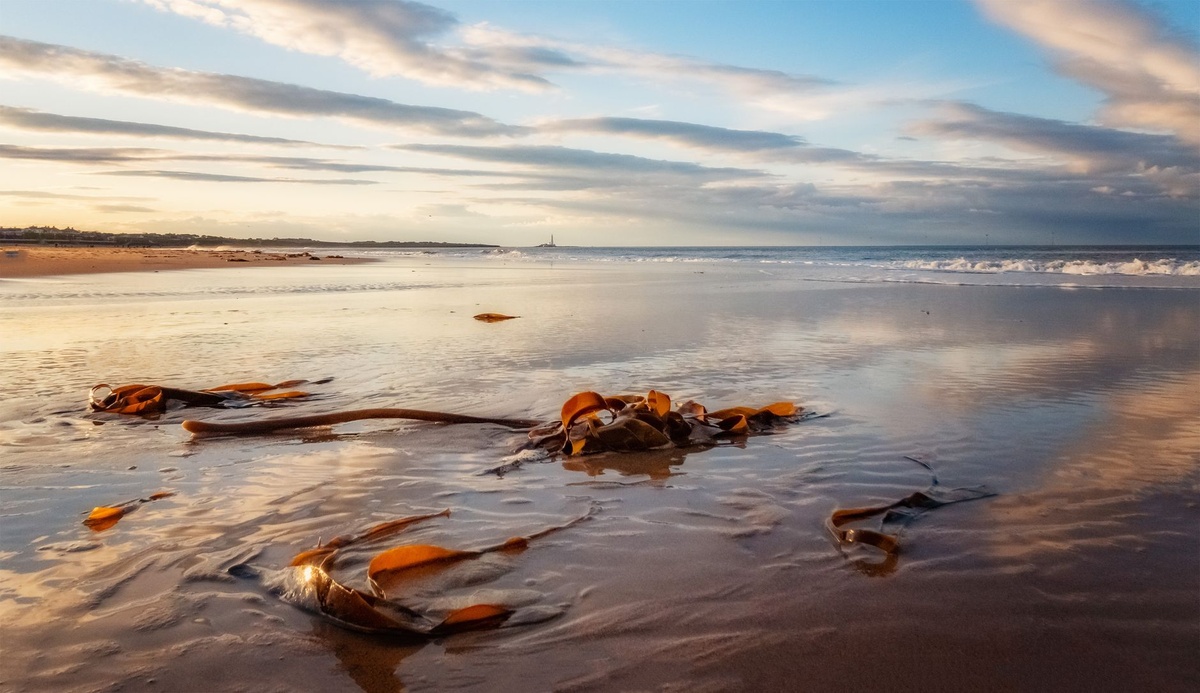
2. Isla Mujeres (Mexico)
Don’t cancel Cancun — pivot. Take the Ultramar ferry from Puerto Juárez (every 30 minutes, 20-minute ride, $17 round-trip). Playa Norte often remains swimmable even when mainland beaches are messy.
Hotel pick: Ixchel Beach Hotel — beachfront rooms from $210/night in July (down from $320 in 2025).
Golf cart rental: $65/day. Worth it. Taxis charge $12–15 per short ride.
3. Negril, Jamaica (Seven Mile Beach)
Negril’s west-facing position helps. There is some seaweed, but significantly less than Punta Cana.
Budget-friendly stay: CocoLaPalm — $165/night in July 2026. Small, boutique, walkable to beach bars.
Montego Bay airport transfer: $35 shared shuttle (90 minutes) vs $120 private (75 minutes). The private ride is worth it if you land late.
How to Book Smart (And Protect Yourself)
This isn’t the year to prepay non-refundable rates just to save $20 per night.
- Choose 7-day cancellation windows — most major resorts now offer free cancellation up to 7–14 days before arrival.
- Book ocean-view, not garden-view — if swimming isn’t ideal, at least you’ll have a view.
- Prioritize strong pool setups — multiple pools > single small pool.
- Check live beach webcams 3–5 days before departure.
Also, protect your accounts when booking from airport Wi-Fi or hotel networks. With recent password vault breaches making headlines, this is not the summer to reuse weak passwords. Read why travel makes this risk worse in our breakdown of the Dashlane password vault breach.
Is It Still Worth Going to the Caribbean This Summer?
Here’s the honest comparison:
Caribbean July 2026: $255/night all-inclusive, warm 85°F water, possible seaweed.
Mediterranean July 2026: $420/night for a mid-range hotel in Mallorca, crowded beaches, 90°F heatwaves.
Even factoring in occasional seaweed days, the Caribbean is dramatically cheaper for Americans right now. Europeans may find closer Mediterranean options cheaper overall due to flight costs (Paris to Punta Cana is $750 round-trip vs $120 to Mallorca).
If your dream trip is endless turquoise water with zero seaweed in every photo, skip 2026 and aim for winter. If you care more about value, cocktails, and resort time — this is a buyer’s market.
What to Do If the Beach Is Messy
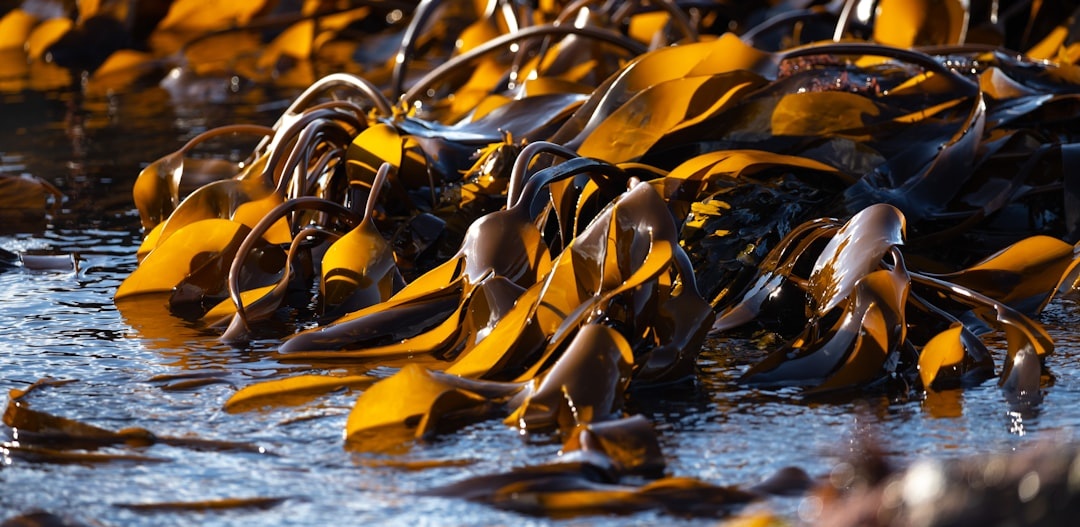
Seaweed rarely ruins an entire trip. It usually affects certain stretches and certain days.
- Book catamaran snorkel tours ($65–$95, 3–4 hours) — boats head to clearer offshore spots.
- Visit cenotes near Tulum (Gran Cenote $25 entry, 15-minute taxi $20 each way).
- Plan early beach swims — mornings are typically cleaner before tides shift.
- Use resort day passes elsewhere (ResortPass.com listings from $40–$75).
Compare that to canceling and rebooking last-minute flights: change fees may be $0, but fare differences can jump $200–$400 per ticket.
Timing Tips for Summer 2026
Peak seaweed tends to run May through August. September and October often see improvement, though that overlaps with peak hurricane season.
Best current strategy:
- Late June–early July: Biggest hotel discounts, moderate seaweed risk.
- Late August: Lower prices + slightly declining sargassum in some areas.
- December–April: Historically lowest seaweed levels, but 40–60% higher hotel rates.
For example, Hyatt Zilara Cancun is $255/night in July 2026. The same room for February 2027 is already pricing at $480/night. That’s nearly double.
The Bottom Line: This Is a Value Play
Record seaweed levels are real. So are record summer discounts.
If beach perfection is your only goal, wait. If you’re flexible on location and prioritize price, pools, food, and shoulder-to-shoulder value — summer 2026 might be the cheapest Caribbean you’ll see for years.
My move? Aruba for maximum swim reliability. Isla Mujeres for smart Mexico savings. Punta Cana only if the deal is too good to ignore (think sub-$200 all-inclusive).
Watch the webcams. Book flexible rates. And don’t let a little seaweed scare you away from a $300-per-night discount.
Frequently Asked Questions
Is the Caribbean safe to visit with seaweed in 2026?
Yes. Sargassum is a natural algae and not dangerous, though it can smell as it decomposes. The main issue is beach aesthetics and swimming conditions, not safety.
Which Caribbean island has the least seaweed right now?
Aruba and Curaçao are currently seeing the least impact due to their location outside the main Atlantic sargassum flow. Palm Beach in Aruba has remained largely swimmable in June 2026.
How much cheaper are Caribbean hotels because of seaweed?
In heavily affected areas like Cancun and Punta Cana, beachfront all-inclusives are 30–45% cheaper than summer 2025, with rooms from $165–$299 per night instead of $350–$500.
When is seaweed season in the Caribbean?
Seaweed season typically runs from May through August, sometimes extending into September. Winter months (December–April) historically have the lowest levels but much higher hotel prices.

About the Author: Tomáš Bzirský
Founder and editor of Distratech. Based in the Czech Republic, travelling regularly from Central Europe. Writes practical travel guides and travel-tech comparisons (eSIM, apps, airports) in six languages.