'/%3E%3Cpath%20fill='%23b2b2b2'%20d='M241%20382q0%2016%2017%2026%2017%2011%2042%2011t42-11q16-11%2017-26V269H241'/%3E%3Cpath%20fill='%239f7e00'%20d='M241%20379q0%2014%208%2023%209%209%2021%209%2014%200%2021-9%209-9%209-23V269h-59'/%3E%3Cpath%20d='M241%20339v-70h59v110q0%2014-9%2023l-6%205v-68h-15v72q-8%200-14-4v-68zm59%2040c0%2022%2015%2032%2029%2032%2021%200%2030-18%2030-32v-40h-59'/%3E%3Cpath%20fill='%239f7e00'%20d='M266%20277v5h2v12h-3v-5h2v-5h-9v5h2v5h-4v9h3v18h-5v10h34v-10h-5v-18h3v-9h-4v-5h2v-5h-9v5h2v5h-3v-12h2v-5zm42%20101q0%2010%206%2017%206%206%2015%207%2010-1%2016-7%206-7%206-17v-29h-43'/%3E%3Ccircle%20fill='%230044ad'%20cx='329.5'%20cy='372'%20r='6'/%3E%3Cellipse%20fill='%230044ad'%20cx='300'%20cy='340'%20rx='16'%20ry='21'/%3E%3C/svg%3E)
'/%3E%3C/svg%3E)


'/%3E%3C/g%3E%3Cuse%20href='%23c'%20transform='matrix(-1%200%200%201%20720%200)'/%3E%3C/svg%3E)


I was in Rome last April, standing alone in the Roman Forum at 8:35am, soft light hitting the columns, espresso still in hand. By 10:15am, it was shoulder-to-shoulder cruise groups and selfie sticks. That’s spring in Rome 2026: magical — if you time it right.
April and May are hands-down the best months to visit. Daytime temps hover between 18–24°C (64–75°F), wisteria spills over Trastevere balconies, and evenings are perfect for long pasta dinners outside. But it’s also peak spring break and Jubilee-related travel spillover — so strategy matters.
Key Takeaways
- Book Colosseum/Vatican tickets at least 3–4 weeks ahead for April–May 2026.
- Visit major sights before 9am or after 4pm to avoid peak tour group waves.
- Expect to spend €35–€55 per day on excellent budget eats.
- Stay in Trastevere, Monti, or Prati for walkability without historic-center chaos.
- Plan 5 full days to see highlights without rushing.
Day 1: Ancient Rome Without the Chaos
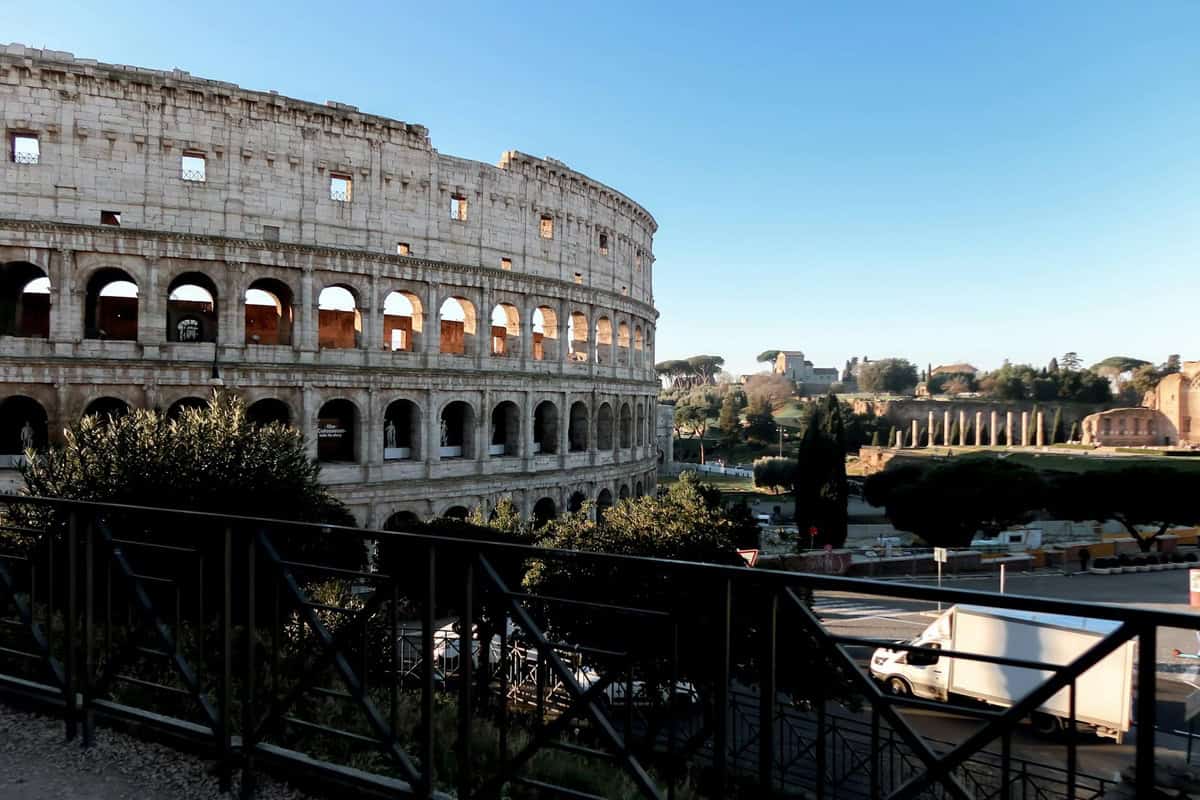
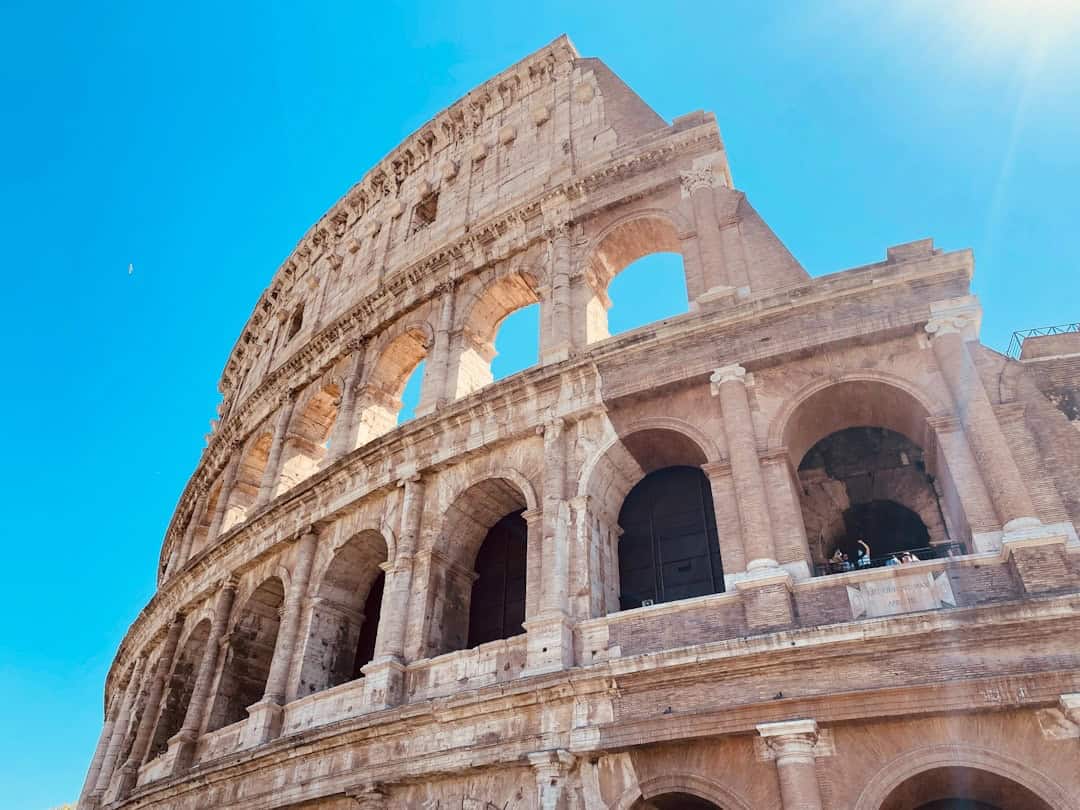
Start at the Colosseum at 8:30am sharp. Book the “Arena Floor” ticket (€24) directly through the official site. The first entry slot is dramatically quieter than anything after 10am.
From there, walk straight into the Roman Forum and Palatine Hill. Budget 2.5–3 hours. Bring water — there are refill fountains (nasoni) throughout.
Tourist trap alert: Skip the gladiator photo ops outside. They’ll ask €20–€30 for one picture.
For lunch, walk 12 minutes to Monti and eat at La Taverna dei Fori Imperiali. Their cacio e pepe is around €14 and genuinely excellent. Reserve ahead — it’s small.
In the evening, climb Capitoline Hill for sunset views over the Forum (free), then grab gelato at Fatamorgana (€3.50 for a small). Avoid neon-colored gelato — it’s a sign of artificial ingredients.
Day 2: Vatican City (Smart Route)
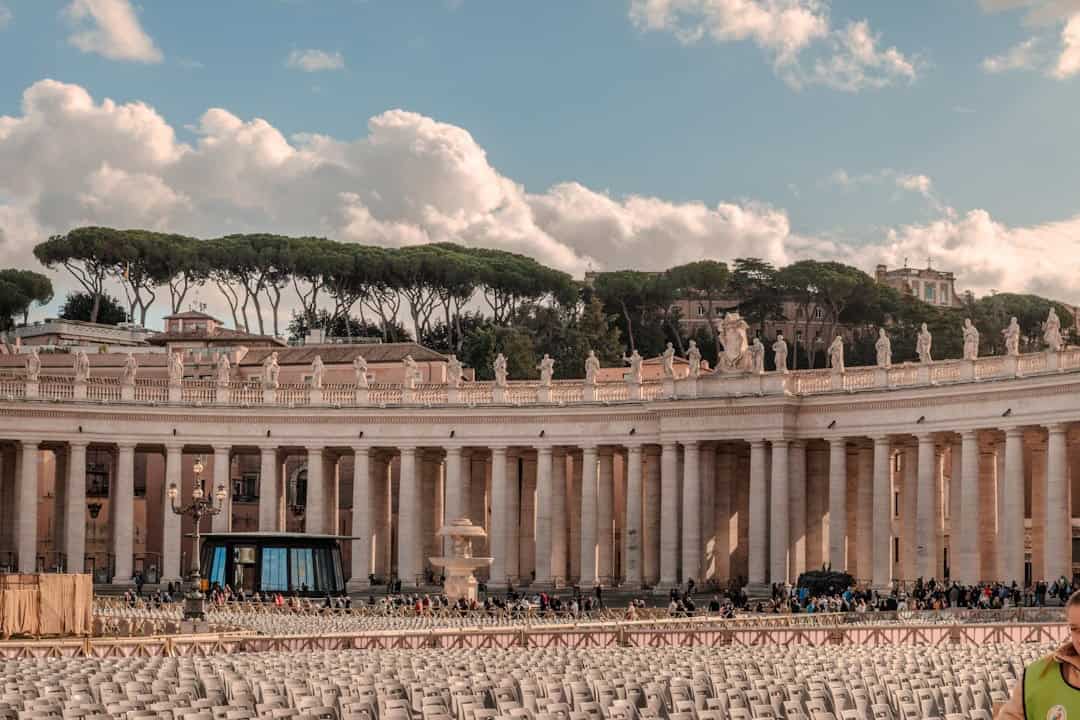
The Vatican Museums are busiest between 10:30am and 2pm. So either book the 8am entry or go after 4pm when tour groups taper off.
Tickets are €20 online. Add €5 for “skip-the-line” — worth every cent in spring.
Move quickly through early galleries and linger in the Raphael Rooms and Sistine Chapel. Total time: 3 hours.
St. Peter’s Basilica is free, but security lines can hit 60–90 minutes by midday. Go right after the museums or at 7:15am before they build.
Climb the dome (€8). It’s 551 steps and one of the best views in Rome.
For lunch, walk into Prati. Pizzarium Bonci sells pizza al taglio by weight — about €6–€8 per generous slice. It’s creative, seasonal, and far better than tourist-center pizza.
Day 3: Trastevere + Campo de’ Fiori (Slow Spring Day)
Spring mornings in Trastevere are pure magic. Ivy-covered buildings, locals walking dogs, minimal crowds before 9am.
Start at the Botanical Garden (€8). Wisteria and roses bloom from mid-April into May. It’s quiet and overlooked by most visitors.
Then visit Santa Maria in Trastevere (free). The golden mosaics glow in morning light.
Cross Ponte Sisto into Campo de’ Fiori. Yes, it’s touristy. But it’s still worth walking through once — just don’t buy the overpriced spices.
For lunch, head to Roscioli Salumeria. It’s not cheap-cheap (expect €20–€25), but their carbonara is elite-tier Rome. Reserve in advance.
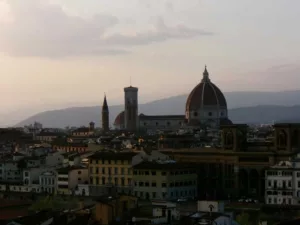
If you’re serious about Italian food, consider pairing Rome with a quick train trip north — here’s my take on Bologna vs. Florence for a food-focused weekend.
Day 4: Appian Way + Hidden Rome
By Day 4, you’ll want space.
Rent bikes (€15–€25/day) and explore the Appian Way (Via Appia Antica). It’s one of the oldest roads in the world, lined with ruins and wildflowers in spring. Go early to avoid heat and weekend crowds.
Stop at the Catacombs of San Callisto (€10). Tours run every 30 minutes.
In the afternoon, visit Basilica di San Clemente (€10). You descend through layers of history — 12th century to 4th century to ancient Roman structures. It’s wildly underrated.
Dinner: Da Enzo al 29 in Trastevere. Go right at opening (usually 6:30pm) or expect a long wait. Their amatriciana is about €13 and outstanding.
Day 5: Villa Borghese + Elegant Rome
Book Borghese Gallery tickets (€15) at least 2–3 weeks ahead in spring. Entry is timed for 2 hours max — which is perfect.
Bernini’s sculptures alone are worth the trip.
Afterward, rent bikes or simply stroll through Villa Borghese park. Spring picnics here are peak Rome energy.
Walk down to Piazza del Popolo, then wander toward the Spanish Steps (yes, crowded, but iconic). Skip sitting on the steps — it’s fined.
End at the Trevi Fountain after 10pm. It’s dramatically less crowded than midday.
Where to Stay (Spring 2026 Picks)
- Trastevere: Best atmosphere, nightlife, walkable. Slightly noisy.
- Monti: Cool, central, near Colosseum without being chaotic.
- Prati: Calmer, near Vatican, better hotel value.
Expect €160–€250/night for a solid 3-star boutique in April–May 2026. Book early — spring demand is strong.
Budget Breakdown (5 Days, Mid-Range Traveler)
- Attractions: €120–€160 total
- Food: €35–€55 per day
- Transport: €1.50 per bus/metro ride or €24 for a 72-hour pass
- Bike rental (optional): €20
Total (excluding hotel/flights): roughly €350–€500 for 5 days.
Crowd-Avoiding & Smart Travel Tips for Spring
- Pre-book everything major. Colosseum and Borghese regularly sell out in April.
- Visit big sights Tue–Thu. Weekends spike with domestic tourism.
- Use early mornings for icons, afternoons for neighborhoods.
- Bring a light jacket. Evenings drop below 15°C (59°F).
- Refill water at nasoni fountains. Safe, cold, and free.
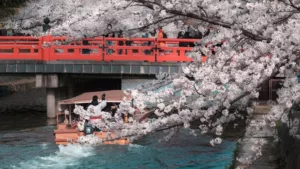
If you love spring travel for blossoms and shoulder-season magic, you might also enjoy our guide to Kyoto during cherry blossom season — very different vibe, same timing strategy.
Is Spring 2026 a Good Time to Visit Rome?
Yes — with planning.
April brings Easter events (check Vatican schedules), and May has multiple public holidays across Europe that increase weekend traffic. Mid-week travel is your friend.
Compared to July and August, spring is dramatically more comfortable. You’ll walk 15,000–20,000 steps daily — cooler weather makes that enjoyable instead of exhausting.
Final Thoughts: Rome Rewards the Early Riser
Rome in spring is about contrast — ancient ruins in soft light, long lunches in hidden trattorias, quiet side streets just one block from chaos.
Plan smart, eat well, wake up early, and Rome will feel timeless instead of overwhelming.
If you’re building a bigger 2026 Europe itinerary, bookmark this guide and start locking in those spring reservations now. The best Rome experiences go to travelers who plan just a little ahead.
For stay planning, browse Rome hotels for spring 2026 and lock in a location near your must-see sights early.
Frequently Asked Questions
How much does a 5-day trip to Rome cost in spring 2026?
Excluding flights and hotels, expect €350–€500 for attractions, food, and local transport. Mid-range hotels average €160–€250 per night in April–May 2026.
When is the best month to visit Rome in spring?
Late April to mid-May offers the best balance of warm weather (18–24°C) and manageable crowds. Avoid Easter week if you want shorter Vatican lines.
Is the Colosseum worth it in 2026?
Yes — but only with pre-booked timed tickets. Go at opening (8:30am) or late afternoon to avoid heavy tour groups.
What area is best to stay in Rome for first-time visitors?
Monti is ideal for first-timers: central, walkable to the Colosseum, and less chaotic than staying directly near Trevi Fountain.

About the Author: Tomáš Bzirský
Founder and editor of Distratech. Based in the Czech Republic, travelling regularly from Central Europe. Writes practical travel guides and travel-tech comparisons (eSIM, apps, airports) in six languages.