'/%3E%3Cpath%20fill='%23b2b2b2'%20d='M241%20382q0%2016%2017%2026%2017%2011%2042%2011t42-11q16-11%2017-26V269H241'/%3E%3Cpath%20fill='%239f7e00'%20d='M241%20379q0%2014%208%2023%209%209%2021%209%2014%200%2021-9%209-9%209-23V269h-59'/%3E%3Cpath%20d='M241%20339v-70h59v110q0%2014-9%2023l-6%205v-68h-15v72q-8%200-14-4v-68zm59%2040c0%2022%2015%2032%2029%2032%2021%200%2030-18%2030-32v-40h-59'/%3E%3Cpath%20fill='%239f7e00'%20d='M266%20277v5h2v12h-3v-5h2v-5h-9v5h2v5h-4v9h3v18h-5v10h34v-10h-5v-18h3v-9h-4v-5h2v-5h-9v5h2v5h-3v-12h2v-5zm42%20101q0%2010%206%2017%206%206%2015%207%2010-1%2016-7%206-7%206-17v-29h-43'/%3E%3Ccircle%20fill='%230044ad'%20cx='329.5'%20cy='372'%20r='6'/%3E%3Cellipse%20fill='%230044ad'%20cx='300'%20cy='340'%20rx='16'%20ry='21'/%3E%3C/svg%3E)
'/%3E%3C/svg%3E)


'/%3E%3C/g%3E%3Cuse%20href='%23c'%20transform='matrix(-1%200%200%201%20720%200)'/%3E%3C/svg%3E)


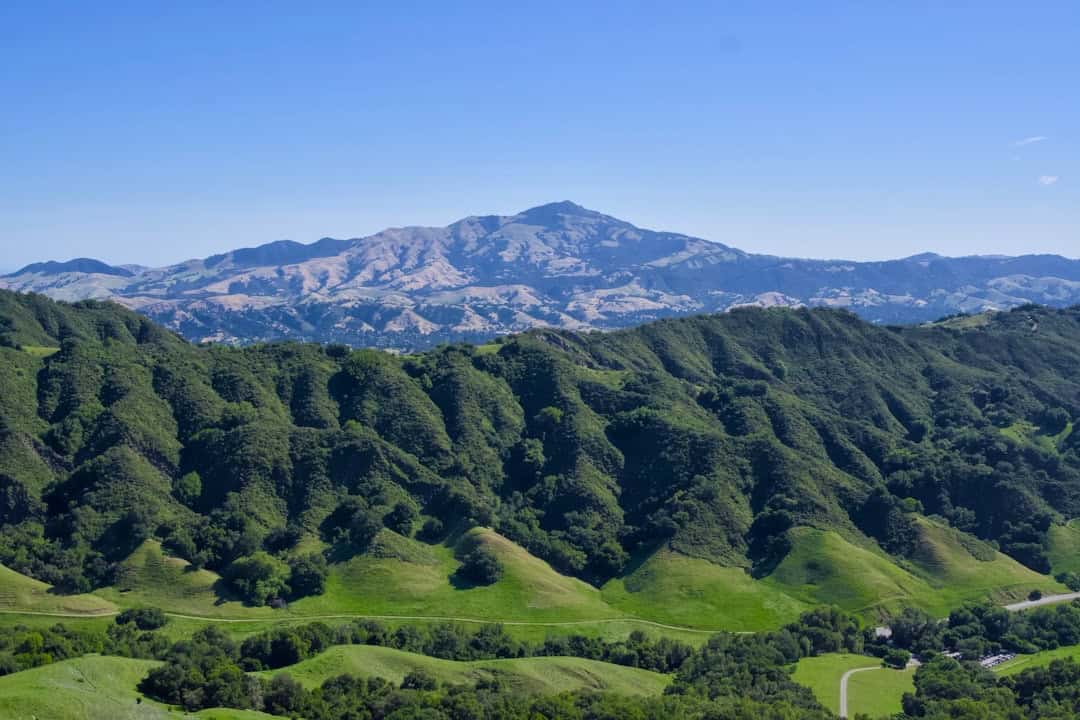
Last April, I hiked through a tunnel of neon-orange poppies in California and didn’t break a sweat. Two weeks later, I was standing under a waterfall in Utah without the summer crowds. That’s the magic of spring hiking in the U.S.—cooler temps, wildflowers, rushing rivers, and far fewer people blocking your trail photos.
If you’re planning a hiking trip in April or May 2026, this is the sweet spot before peak summer chaos (and peak prices). Here are the best spring hiking destinations in the U.S.—with honest tips on what’s worth it and what to skip.
Key Takeaways
- April–May offers ideal hiking temps (50–75°F) in deserts, Southwest parks, and lower-elevation trails.
- Shenandoah and Great Smoky Mountains peak for wildflowers in late April–early May 2026.
- National park entry fees range from $20–$35 per vehicle (7-day pass).
- Book lodging at least 6–8 weeks ahead for popular parks, especially weekends.
- Download offline trail maps—cell service is unreliable in most parks.
1. Zion National Park, Utah
If you only pick one spring hiking destination, make it Zion.
By mid-April, daytime temps hover between 65–80°F—perfect for big hikes without the brutal 100°F summer heat. Snowmelt makes waterfalls dramatic, and the Virgin River is flowing strong through The Narrows.
Best spring hikes:
- Angels Landing (5.4 miles round-trip, permit required, $6 lottery fee)
- The Narrows (bottom-up) – hike as far as you like in the river
- Emerald Pools – easier, great for early-season waterfalls
What to know for 2026: The Angels Landing permit system is still in place. Apply the day before via the NPS site. Shuttle service typically runs from March through late November—parking inside the park is limited.
Skip: Midday starts. Start before 8 a.m. or after 3 p.m. to avoid both crowds and heat.
2. Great Smoky Mountains National Park, Tennessee/North Carolina
Late April into early May 2026 is prime wildflower season—locals call it “Spring Wildflower Pilgrimage” time for a reason.
Over 1,500 flowering plant species bloom here. You’ll see trillium, violets, and pink lady’s slippers lining the trails.
Best hikes in spring:
- Alum Cave Trail (5 miles round-trip) – moderate, great mountain views
- Porters Creek Trail – wildflower heaven
- Rainbow Falls – strongest flow in spring
Entry to the park is free, but parking requires a tag ($5 daily, $15 weekly). It’s still one of the best-value national parks in the country.
Pro tip: Mornings are misty and magical for photography. By noon, parking lots get chaotic.
3. Joshua Tree National Park, California
April is your last comfortable month here before summer turns the park into a furnace.
Expect 70–85°F daytime temps in April and slightly warmer in May. If winter rains were decent (as they were in much of Southern California in early 2026), you might catch lingering wildflowers.
Top spring hikes:
- Hidden Valley (1 mile loop) – easy, classic Joshua trees
- Ryan Mountain (3 miles round-trip) – panoramic views
- Barker Dam – short and scenic, especially after rain
Entrance fee: $30 per vehicle (7 days).
Tourist trap alert: Don’t just drive from viewpoint to viewpoint. The magic of Joshua Tree is on foot, especially around sunrise.
4. Shenandoah National Park, Virginia
If you’re on the East Coast and don’t want to fly west, Shenandoah in late April and May is hard to beat.
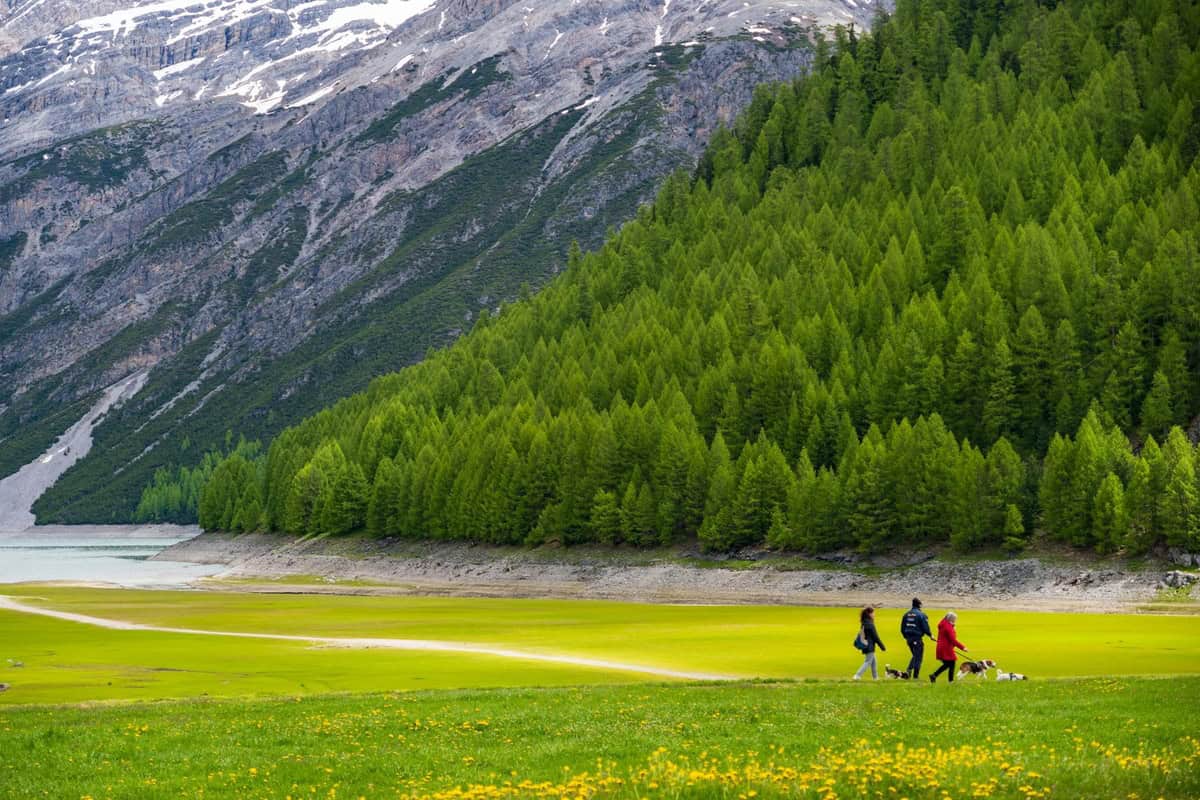
Skyline Drive stretches 105 miles, but the real beauty is below the ridgeline—waterfalls are strongest in spring thanks to snowmelt and rain.
Best spring hikes:
- Dark Hollow Falls – short but steep, classic waterfall shot
- Old Rag (9 miles) – strenuous, partial rock scramble, permit required March–November
- Stony Man – easy summit with big views
Entrance fee: $30 per vehicle (7 days).
Go midweek if possible. D.C. weekend traffic can turn a peaceful hike into a parking battle.
5. Sedona, Arizona
Red rock country absolutely glows in spring light.
April is ideal (60–80°F), while May starts warming up but is still manageable for early hikes. Wildflowers add pops of color against the red sandstone.
Favorite hikes:
- Devil’s Bridge (4.2 miles round-trip) – iconic photo spot
- Cathedral Rock – short, steep, epic sunset views
- West Fork Trail – shaded canyon hike, cooler temps
Parking can be frustrating. A Red Rock Pass costs $5 daily or $15 weekly.
Honest take: Devil’s Bridge is stunning, but go at sunrise. By 10 a.m., expect a literal line for photos.
6. Columbia River Gorge, Oregon
If waterfalls are your thing, April and May are peak season here.
Spring runoff transforms the gorge into a waterfall factory. Multnomah Falls gets all the fame, but smaller falls like Wahkeena and Latourell are just as beautiful—and less crowded.
Best spring hikes:
- Multnomah–Wahkeena Loop (5 miles)
- Latourell Falls Loop – easy and scenic
- Eagle Creek Trail – reopening sections continue in 2026 after restoration
Timed-use permits may still apply at certain trailheads—check before you go.
7. Big Bend National Park, Texas
Big Bend in April feels like a secret. By June, it’s brutally hot. In April? Perfect.
Expect daytime temps in the 70s–80s°F. Desert blooms, clear skies, and some of the darkest night skies in the U.S.
Best hikes:
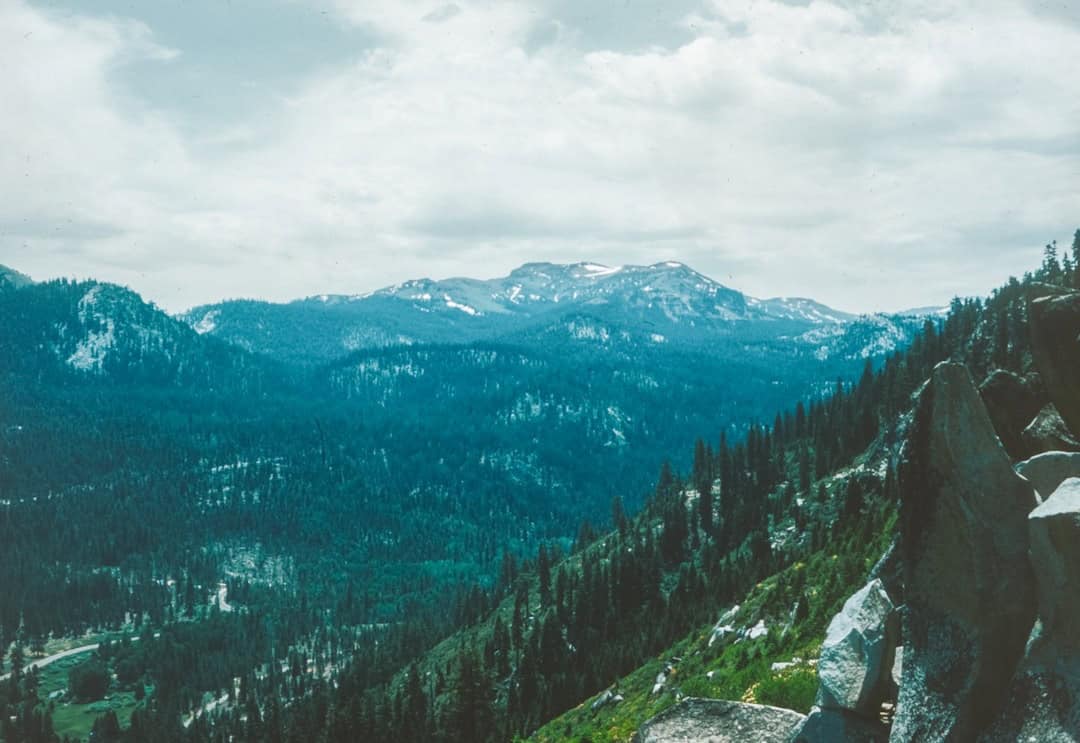
- Lost Mine Trail (4.8 miles round-trip)
- Santa Elena Canyon Trail – short but dramatic
- South Rim – long, challenging, unforgettable views
Entrance fee: $30 per vehicle.
It’s remote—gas up before entering the park and download offline maps.
Spring Hiking Tech & Planning Tips (Don’t Skip This)
Even experienced hikers underestimate spring conditions. Snow can linger at higher elevations, and rivers run stronger.
Before you go, I recommend comparing offline navigation apps. We did a full breakdown in our guide to the best offline map apps for travelers in 2026—and yes, it can save you from getting very lost.
- Download offline maps before entering the park.
- Check trail conditions on the NPS website 24–48 hours before hiking.
- Start early (before 8 a.m.) for parking and cooler temps.
- Pack layers—spring weather shifts fast.
- Bring 2–3 liters of water per person in desert parks.
If you’re combining hiking with city stops (for example, pairing Shenandoah with D.C. or Sedona with Phoenix), plan recovery days. Your knees will thank you.
When to Go: April vs. May 2026
April is best for desert parks (Zion, Joshua Tree, Big Bend, Sedona). Wildflowers bloom, and temperatures are ideal.
May shines in higher elevations and the East Coast (Smokies, Shenandoah, Columbia River Gorge). Waterfalls peak, and mountain roads are fully open.
Avoid Memorial Day weekend (May 25, 2026). Prices spike, trails crowd, and the vibe shifts from peaceful to theme park.
Final Thoughts: Where Should You Go?
If you want drama: Zion.
If you want wildflowers: Smokies.
If you want fewer crowds and big skies: Big Bend.
Spring is the most underrated hiking season in the U.S. You get summer-level scenery without summer-level suffering.
Pick your park, book early, download your maps, and get out there before everyone else figures it out.
Frequently Asked Questions
Where is the best place to hike in April in the U.S.?
Zion National Park and Sedona are top choices in April thanks to mild 60–80°F temperatures and ideal desert hiking conditions before summer heat arrives.
Are national parks crowded in May?
Early May is manageable, but crowds increase toward Memorial Day weekend. Visit midweek and start hikes before 8 a.m. for a quieter experience.
How much does it cost to visit U.S. national parks?
Most major national parks charge $20–$35 per vehicle for a 7-day pass. The America the Beautiful annual pass costs $80 and covers all national parks.
Is spring a good time for waterfall hikes?
Yes—April and May are peak waterfall months in places like the Great Smoky Mountains and Columbia River Gorge due to snowmelt and seasonal rain.

About the Author: Tomáš Bzirský
Founder and editor of Distratech. Based in the Czech Republic, travelling regularly from Central Europe. Writes practical travel guides and travel-tech comparisons (eSIM, apps, airports) in six languages.