'/%3E%3Cpath%20fill='%23b2b2b2'%20d='M241%20382q0%2016%2017%2026%2017%2011%2042%2011t42-11q16-11%2017-26V269H241'/%3E%3Cpath%20fill='%239f7e00'%20d='M241%20379q0%2014%208%2023%209%209%2021%209%2014%200%2021-9%209-9%209-23V269h-59'/%3E%3Cpath%20d='M241%20339v-70h59v110q0%2014-9%2023l-6%205v-68h-15v72q-8%200-14-4v-68zm59%2040c0%2022%2015%2032%2029%2032%2021%200%2030-18%2030-32v-40h-59'/%3E%3Cpath%20fill='%239f7e00'%20d='M266%20277v5h2v12h-3v-5h2v-5h-9v5h2v5h-4v9h3v18h-5v10h34v-10h-5v-18h3v-9h-4v-5h2v-5h-9v5h2v5h-3v-12h2v-5zm42%20101q0%2010%206%2017%206%206%2015%207%2010-1%2016-7%206-7%206-17v-29h-43'/%3E%3Ccircle%20fill='%230044ad'%20cx='329.5'%20cy='372'%20r='6'/%3E%3Cellipse%20fill='%230044ad'%20cx='300'%20cy='340'%20rx='16'%20ry='21'/%3E%3C/svg%3E)
'/%3E%3C/svg%3E)


'/%3E%3C/g%3E%3Cuse%20href='%23c'%20transform='matrix(-1%200%200%201%20720%200)'/%3E%3C/svg%3E)


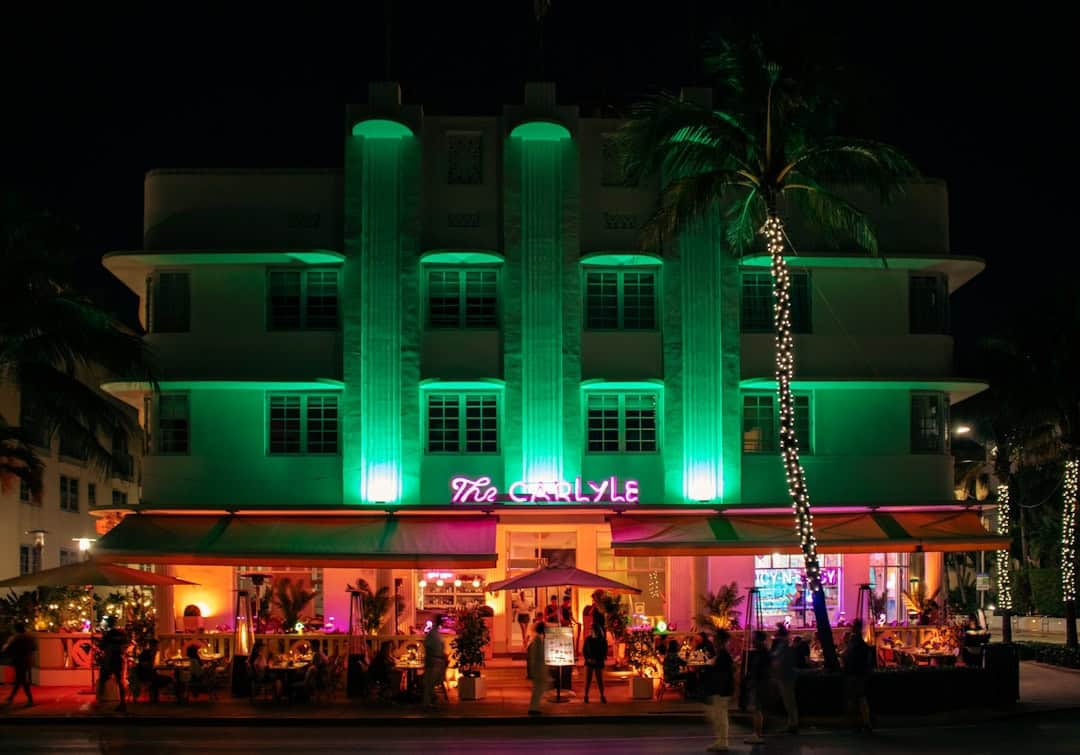
I’ve lived in Miami long enough to roll my eyes at $28 cocktails on Ocean Drive — and to know exactly where to go instead.
Three days in Miami is the sweet spot. It’s enough time to eat proper Cuban food in Little Havana, bike the Venetian Causeway at sunset, swim in water that’s already warm by April (around 78°F/26°C), and still have a lazy café morning in the Design District.
Spring is one of the best times to visit. The winter crowds have thinned, hurricane season is months away, and hotel rates dip slightly before summer. Expect highs around 82°F (28°C) and breezy evenings perfect for rooftop bars.
Key Takeaways
- Three days is ideal to cover South Beach, Wynwood, Little Havana, and Brickell without rushing.
- Budget $180–$250 per day (mid-range hotel, good meals, rideshares, activities).
- Skip Ocean Drive restaurants — head two blocks west for better food at half the price.
- April–May offers warm ocean temps (~78°F) and fewer crowds than winter peak season.
Day 1: South Beach — But Do It Right
Yes, you’re going to South Beach. No, you’re not eating dinner on Ocean Drive.
Morning: Walk, Bike, Swim
Start early. By 8:30am, the beach is calm, locals are jogging, and the sand isn’t scorching yet.
Rent a Citi Bike ($4.95 single ride or $24 day pass) and cruise the Miami Beach Boardwalk from South Pointe Park up toward Mid-Beach. It’s flat, scenic, and about 4 miles end-to-end.
Swim before noon. The water is clear this time of year, and spring brings fewer jellyfish than late summer.
Lunch: Go West
Here’s your first local rule: walk at least two blocks west of Ocean Drive.
Try La Sandwicherie (cash only). A massive French baguette sandwich runs $12–$15 and easily feeds two. Grab it to-go and eat in Flamingo Park.
Afternoon: Art Deco & Coffee
Skip overpriced Art Deco “tours.” Instead, download a self-guided map and wander Collins Avenue between 5th and 15th Streets.
Stop at Panther Coffee in Sunset Harbour for a proper cortado ($4.50). This area feels more local, less spring-break chaos.
Dinner: South of Fifth
If you want a splurge, book Smith & Wollensky for sunset steaks. Expect $60+ per entrée.
My pick? Estiatorio Milos happy hour (5–7pm). Sit at the bar, order Greek small plates and wine, and keep it under $40.
Day 2: Little Havana, Wynwood & Downtown Energy
This is the day Miami shows its personality beyond beaches.
Morning: Little Havana (Calle Ocho)
Arrive by 9am before tour buses roll in.
Start at Versailles Bakery for a café con leche ($3.50) and a guava pastelito. Then walk to Domino Park and along SW 8th Street.
For something deeper, book a small-group food tour (~$69). You’ll try croquetas, Cuban sandwiches, and fresh sugarcane juice while learning the neighborhood’s history.
Lunch: Cuban Done Right
Skip flashy spots. Go to Sanguich de Miami. Their Cuban sandwich is pressed perfectly, not soggy, not overloaded — about $14 and worth every dollar.
Afternoon: Wynwood Walls & Galleries
Uber to Wynwood (10–15 minutes, $12–$18 depending on traffic).
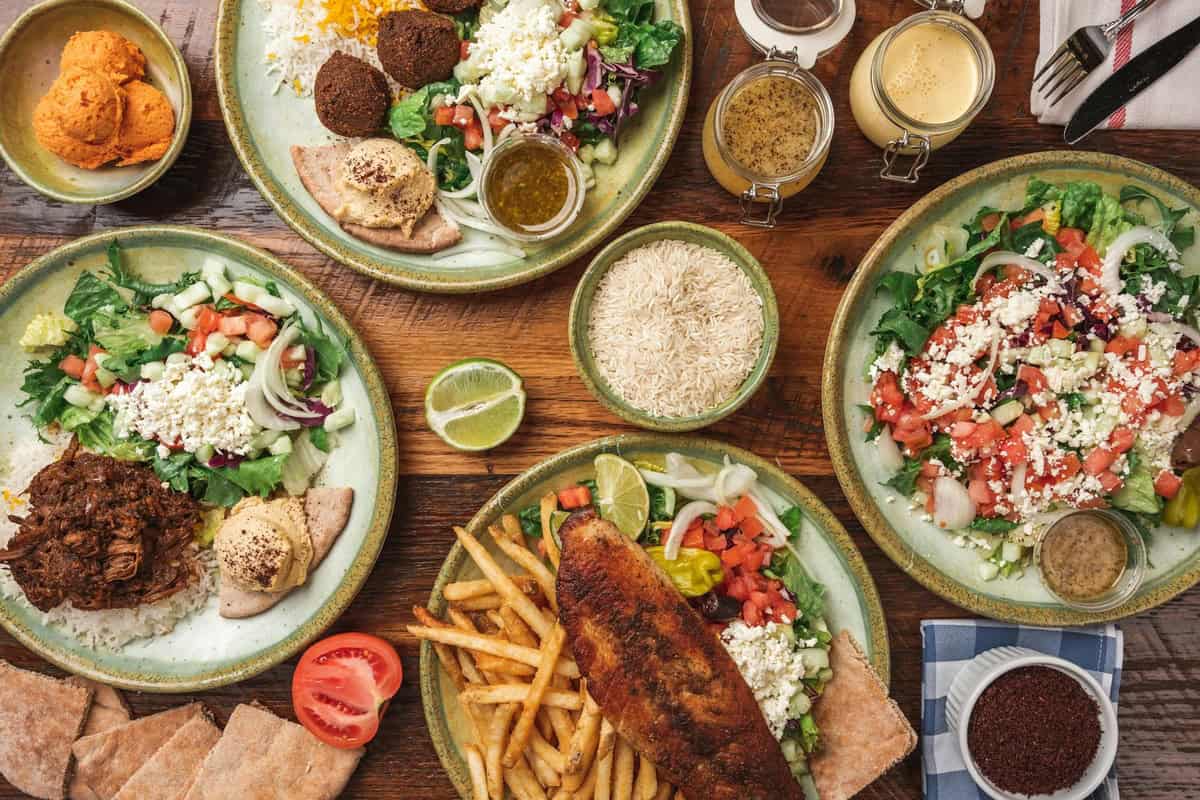
Wynwood Walls entry is around $12, but honestly, the best murals are free on surrounding streets. Spend an hour wandering NW 2nd Avenue.
Pop into independent galleries — many are free — and cool down with a craft beer at Cervecería La Tropical.
Evening: Brickell & Biscayne Bay
Brickell is Miami’s mini-Manhattan. Sleek towers, rooftop pools, and finance bros.
Walk the Brickell Key path at sunset (1.1-mile loop). It’s breezy, quiet, and one of the best skyline views in the city.
Dinner at Coyo Taco’s hidden backroom in Wynwood if you want fun. Or go upscale at Zuma in Downtown (plan $100+ per person).
Day 3: Nature, Design & A Different Side of Miami
By day three, get off the obvious track.
Option 1: Everglades Half-Day Trip
If you’ve never seen the Everglades, go. It’s about 45 minutes west.
An airboat tour costs $30–$50. Go early (8–9am) to avoid heat and crowds. You’ll spot gators, herons, and vast wetlands that feel nothing like Miami’s skyline.
Option 2: Key Biscayne Escape
Prefer beach time? Drive or Uber to Crandon Park on Key Biscayne (parking ~$7 weekdays).
It’s quieter than South Beach, with calmer water and fewer party groups. Bring snacks and make it a slow morning.
Afternoon: Design District
The Miami Design District is high-end — think Prada, Louis Vuitton, and modern art installations.
You don’t need to shop. Come for architecture, public art, and lunch at Mandolin Aegean Bistro (Mediterranean plates $18–$30).
If you travel with gadgets, Miami’s humidity can be intense. I’ve been testing the new wide foldable from Huawei here, and the larger screen is surprisingly useful for maps and restaurant reservations on the go.
Final Night: Rooftop or Low-Key?
For flashy: Sugar at EAST Miami. Go before 8pm to avoid long lines. Cocktails are $20, but the skyline views are unbeatable.
For chill: Lagniappe in Midtown. Live music, string lights, affordable wine, and a backyard vibe.
What to Eat in Miami (And What to Skip)
Miami is a food city. But it’s uneven.
Must-eats:
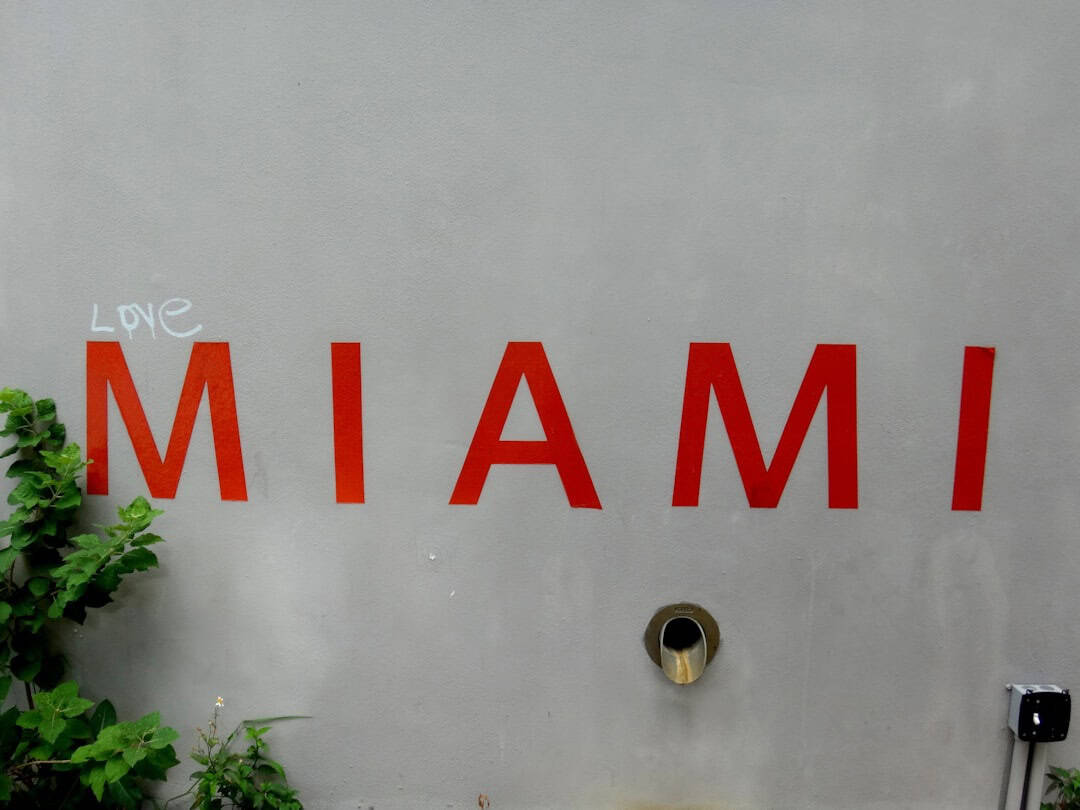
- Cuban sandwich (Little Havana, not Ocean Drive)
- Stone crab claws (in season Oct–May; market price, often $40+ per serving)
- Fresh ceviche (Peruvian spots in Downtown or Doral)
- Key lime pie (tart, not neon green)
Skip:
- Any restaurant with a host aggressively waving you in on Ocean Drive
- $35 “seafood pasta” with frozen shrimp
- Chain restaurants in Bayside Marketplace
Getting Around Miami
Miami is not as walkable as it looks.
South Beach? Walk or bike.
Between neighborhoods? Use Uber/Lyft. Expect $12–$25 per ride.
Renting a car makes sense if you’re doing the Everglades or Key Biscayne. Otherwise, parking fees ($30–$50 per night at hotels) add up fast.
Quick Practical Tips
- Book restaurants 3–5 days ahead for weekends in spring.
- Wear sunscreen year-round — UV index is high even in April.
- Hydrate constantly; humidity sneaks up on you.
- Check hotel resort fees (often $25–$45 per night).
- Plan indoor activities mid-afternoon to avoid peak heat.
How Much Does a 3-Day Miami Trip Cost?
Mid-range breakdown per person:
- Hotel: $200–$350 per night (South Beach boutique)
- Food: $60–$120 per day
- Transport: $20–$40 per day
- Activities: $30–$70 total
Total: roughly $550–$900 for three days, depending on how hard you lean into rooftop cocktails.
When Is the Best Time to Visit Miami?
Right now — spring — is close to perfect.
March and April bring warm ocean temperatures, manageable humidity, and fewer crowds than peak winter. By June, heat and afternoon storms ramp up.
If you like shoulder-season travel in Europe — like we recommend in this guide to Spain in April — Miami in late spring offers that same sweet spot: great weather without peak chaos.
Final Thoughts: Miami Beyond the Postcard
Miami isn’t just neon lights and beach selfies. It’s Cuban coffee at 9am, skyline walks at sunset, and hidden wine bars under banyan trees.
Three days gives you just enough time to see the glossy version — and the local one. Plan smart, eat selectively, and don’t waste a single meal on Ocean Drive.
If you’re heading to Florida soon, save this guide — and tell me: rooftop cocktails or backyard wine bar?
Planning your stay? Find hotels in Miami and book the best option for your three-day itinerary.
Frequently Asked Questions
Is three days enough for Miami?
Yes. Three days is ideal to cover South Beach, Little Havana, Wynwood, and either the Everglades or Key Biscayne without rushing.
How much money do I need for 3 days in Miami?
Plan for $550–$900 per person for a mid-range trip, including hotel, food, transport, and a few activities. Rooftop bars and fine dining will push you toward the higher end.
What is the best area to stay in Miami for first-time visitors?
South Beach is best for walkability and beach access. If you prefer a modern, urban vibe with easier access to Downtown, choose Brickell.
When is the cheapest time to visit Miami?
Late summer and early fall (August–October) tend to have the lowest hotel prices, but it’s hurricane season and very humid. Spring offers better weather with slightly higher rates.

About the Author: Tomáš Bzirský
Founder and editor of Distratech. Based in the Czech Republic, travelling regularly from Central Europe. Writes practical travel guides and travel-tech comparisons (eSIM, apps, airports) in six languages.