'/%3E%3Cpath%20fill='%23b2b2b2'%20d='M241%20382q0%2016%2017%2026%2017%2011%2042%2011t42-11q16-11%2017-26V269H241'/%3E%3Cpath%20fill='%239f7e00'%20d='M241%20379q0%2014%208%2023%209%209%2021%209%2014%200%2021-9%209-9%209-23V269h-59'/%3E%3Cpath%20d='M241%20339v-70h59v110q0%2014-9%2023l-6%205v-68h-15v72q-8%200-14-4v-68zm59%2040c0%2022%2015%2032%2029%2032%2021%200%2030-18%2030-32v-40h-59'/%3E%3Cpath%20fill='%239f7e00'%20d='M266%20277v5h2v12h-3v-5h2v-5h-9v5h2v5h-4v9h3v18h-5v10h34v-10h-5v-18h3v-9h-4v-5h2v-5h-9v5h2v5h-3v-12h2v-5zm42%20101q0%2010%206%2017%206%206%2015%207%2010-1%2016-7%206-7%206-17v-29h-43'/%3E%3Ccircle%20fill='%230044ad'%20cx='329.5'%20cy='372'%20r='6'/%3E%3Cellipse%20fill='%230044ad'%20cx='300'%20cy='340'%20rx='16'%20ry='21'/%3E%3C/svg%3E)
'/%3E%3C/svg%3E)


'/%3E%3C/g%3E%3Cuse%20href='%23c'%20transform='matrix(-1%200%200%201%20720%200)'/%3E%3C/svg%3E)


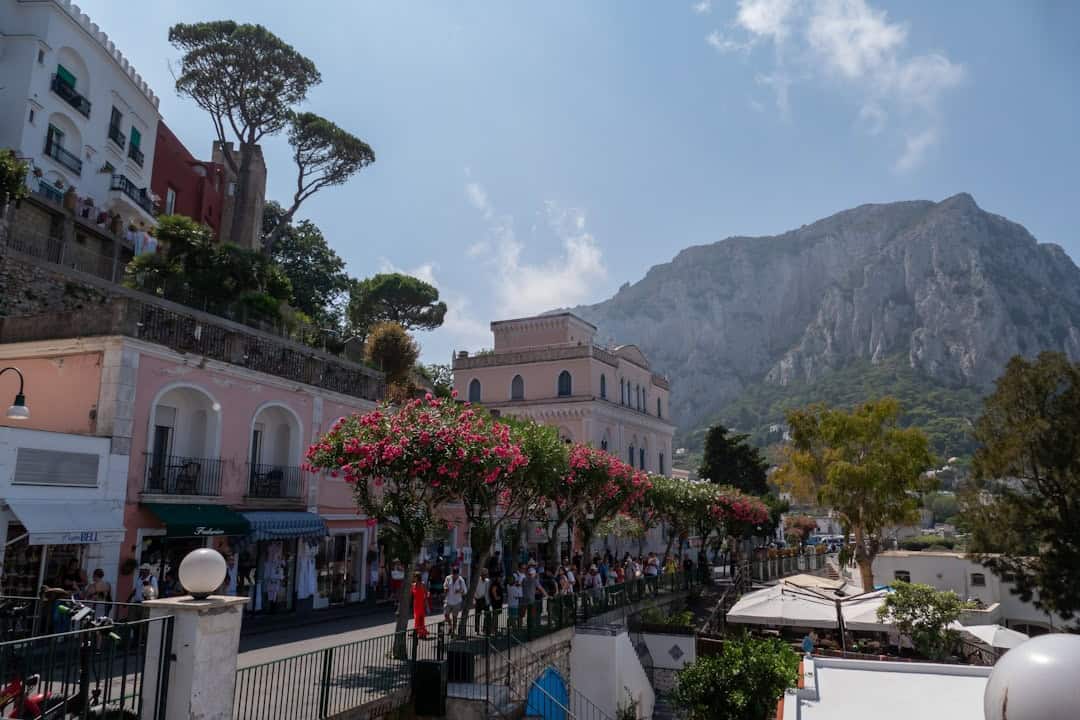
I first visited Capri on a sweaty July afternoon when three cruise ships had just docked. The Marina Grande felt like an airport terminal at rush hour — tour groups waving flags, €25 taxi rides for 10-minute hops, and a two-hour wait for the Blue Grotto.
This summer, that chaos might finally ease.
Local authorities have rolled out a new crackdown aimed at overtourism — tighter controls on day-trippers, stricter regulation of aggressive hawkers, and increased limits on unauthorized tour operators. For travelers who actually want to enjoy Capri (not just survive it), that’s very good news.
Key Takeaways
- Capri is limiting large tour groups and tightening controls on unlicensed vendors for summer 2026.
- Peak ferry arrivals between 10am–2pm are being staggered to reduce congestion at Marina Grande.
- Blue Grotto waits can still reach 60–90 minutes in July; go before 9am or after 4pm.
- Expect €20–€30 for a one-way taxi across the island; public buses cost around €2.50.
- Shoulder season (late May and September) remains the sweet spot for fewer crowds and better hotel rates.
What Exactly Is Changing in Capri for Summer 2026?
Capri isn’t banning tourists — it depends on them. But officials are finally acknowledging that 16,000+ daily visitors on a tiny island (just 4 square miles) is unsustainable.
This year’s measures focus on three main areas:
- Stricter control of day-trippers: Ferry schedules are being staggered during peak hours, especially arrivals from Naples and Sorrento between 10am and 2pm.
- Limits on oversized tour groups: Large guided groups clogging Via Camerelle and the Gardens of Augustus are being capped and more tightly managed.
- Crackdown on unauthorized vendors and tour operators: Expect fewer aggressive “boat tour?” pitches at Marina Grande.
The goal isn’t exclusivity. It’s flow. And that alone could make Capri feel dramatically more relaxed.
Why This Matters for Your Trip
Capri’s biggest problem has never been beauty. It’s logistics.
When 3–4 ferries unload simultaneously, taxis disappear, the funicular line stretches down the port steps, and restaurants in Capri Town fill by noon.
With staggered arrivals and tighter management, you’re more likely to:
- Wait 20 minutes instead of 60 for the funicular
- Find a lunch table without booking three days ahead
- Walk Via Krupp without shoulder-checking a tour group
- Actually hear the waves at Marina Piccola
That’s the Capri most people imagine when they book the trip.
How to Take Advantage of the Crackdown (Smart Planning Tips)
Even with new regulations, timing is everything.
1. Arrive Before 9am — or After 4pm
Early ferries from Naples (around 7–8am) are still the golden ticket. You’ll beat the bulk of day-trippers and have Capri Town relatively calm for at least two hours.
Alternatively, arrive late afternoon and stay overnight. Once the last ferries leave around 5–6pm, the island exhales.
2. Stay Overnight (It Changes Everything)
If your budget allows, one night makes Capri magical.
Yes, hotels are expensive. Expect €350–€600 per night for mid-range boutique properties in summer. But after 6pm, when the port empties out, Capri feels like a different island.
You’ll have sunset at Punta Tragara almost to yourself.
If you’re weighing splurges on this trip versus others, compare it realistically — like we did in this Japan travel budget breakdown for 2026. Capri is pricey, but a one-night strategic stay can be worth more than three rushed day trips.
3. Skip the Taxi — Use the Bus
Taxis are iconic (those white convertibles are everywhere on Instagram), but they’re not efficient.
A ride from Marina Grande to Anacapri can cost €25–€30. The public bus? Around €2.50.
Yes, it gets crowded. But with improved arrival flow this year, bus turnover should be smoother during peak windows.
4. Book Blue Grotto Tours Strategically
The Blue Grotto is still Capri’s most divisive attraction.
Cost breakdown:
- €18 entrance fee
- €15–€25 small rowboat ride
- Plus transport to the cave
Total: often €40–€60 per person.
With better regulation of boat operators this summer, pricing transparency is improving — but crowds still spike midday. Go early or late, or skip it entirely and swim at Marina Piccola instead. I’m opinionated here: the glow is beautiful, but not worth 90 minutes in line.
Will Capri Actually Feel Less Crowded?
Realistically? In July and August, it will still be busy.
But there’s a difference between “buzzing Mediterranean energy” and “theme park gridlock.” The new measures are designed to eliminate the latter.
If you want near-serenity, consider late May or September. Spring 2026 has already seen strong hiking traffic, especially along the Path of the Forts in Anacapri — but without peak summer crush.
Think of Capri like the Amalfi Coast’s glamorous cousin. It’s never empty. It just has better and worse moments.
Best Places to Escape the Crowds (Even in Summer)
If the port area feels hectic, move immediately.
Anacapri
Most day-trippers never make it up here. Take the bus or taxi 15–20 minutes uphill and you’ll find quieter piazzas and better views.
Monte Solaro’s chairlift (€14 round-trip) gives you panoramic views without a strenuous hike.
Villa San Michele
Entrance is around €10, and the gardens are peaceful even on busy days. It’s one of the few places where you can sit and hear yourself think.
Walk the Pizzolungo Trail
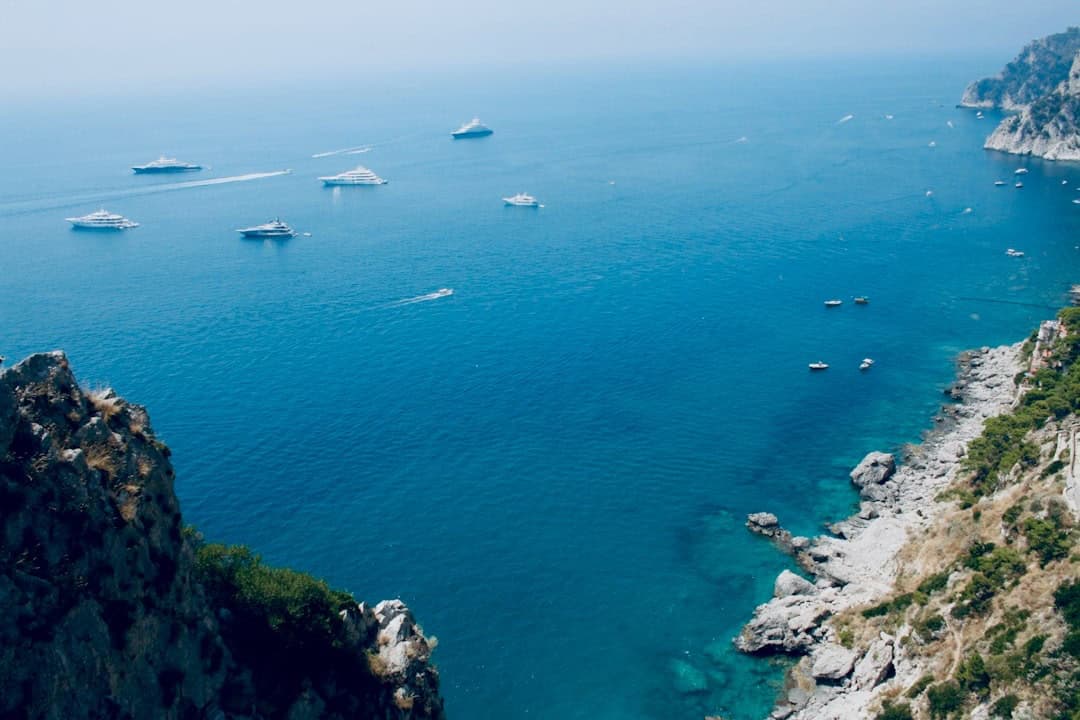
About 3 miles, moderate difficulty, and far less crowded than Via Camerelle. Bring water. There are limited services along the route.
If you love island hiking, you might also enjoy something more rugged and less polished — like this 10-day Azores island-hopping itinerary. Capri is glamorous; the Azores are wild.
Practical Tech Tips for Capri in 2026
Capri’s Wi-Fi can be inconsistent, especially in crowded areas.
Instead of paying €10 per day for international roaming, I recommend setting up an eSIM before you land. We compared the top options in this guide to the best eSIMs for international travel in 2026. Italy coverage is strong and plans start around $5–$10 for short stays.
Also:
- Download ferry schedules offline — connections at the port can slow dramatically.
- Use Google Maps’ “busy times” feature before heading to restaurants.
- Pre-book beach clubs; walk-ins are risky in July.
Is Capri Still Worth Visiting in 2026?
Yes — if you plan it right.
The crackdown isn’t about making Capri exclusive. It’s about making it breathable.
You’ll still pay €8 for a lemon granita in the main square. You’ll still see designer boutiques you can’t afford. But you might also find a quiet terrace in Anacapri, a peaceful swim at Marina Piccola, and a sunset that feels personal instead of performative.
Capri has always been about timing. This summer, smart timing might finally be rewarded.
If you’re heading to Italy, don’t write Capri off because of its reputation. The island is adjusting — and that could mean a more relaxed, more authentic experience for travelers who plan ahead.
Thinking of going? Book early ferries, stay one night if you can, and explore beyond Capri Town. The island is small — but the experience doesn’t have to feel crowded.
If you want to settle in and enjoy Capri without the crowds, browse available options with hotels in Capri ansehen and book early for summer dates.
Frequently Asked Questions
Is Capri limiting the number of tourists in 2026?
Capri isn’t capping total visitors, but it is staggering ferry arrivals and tightening control over large tour groups and unlicensed operators to reduce congestion during peak hours.
How much does a day trip to Capri cost?
Expect €25–€40 round-trip ferry tickets, €2.50–€30 for local transport depending on bus or taxi, and €40–€60 if you visit the Blue Grotto. A realistic day budget is €80–€150 per person.
When is the best time to visit Capri?
Late May, early June, and September offer warm weather with fewer crowds. In July and August, arrive before 9am or stay overnight to avoid peak congestion.
Is it worth staying overnight in Capri?
Yes. After the last ferries leave around 6pm, the island becomes noticeably calmer. Even one night (from €350+) can transform your experience.

About the Author: Tomáš Bzirský
Founder and editor of Distratech. Based in the Czech Republic, travelling regularly from Central Europe. Writes practical travel guides and travel-tech comparisons (eSIM, apps, airports) in six languages.