You’re heading off for a summer escape — maybe island-hopping in Greece, boarding one of Europe’s most scenic coastal train trips, or flying to New York for WorldPride events. Then at airport security or border control, an officer asks for your phone.
Not to glance at your boarding pass. To inspect it.
For international travelers entering or leaving certain countries — including the United States — airport authorities can search and even confiscate your phone. You don’t have to be accused of a crime. And yes, this can apply to citizens too.
Key Takeaways
- Border agents in some countries can search or seize your phone without a warrant.
- Refusing to unlock your phone may lead to device confiscation or denied entry (for non-citizens).
- Confiscations can last days to months — disrupting banking, 2FA logins, and travel plans.
- A $0 factory reset and cloud backup before travel is the most effective protection.
- Using eSIMs ($4.50–$49 depending on country) lets you travel without exposing your main SIM data.
Can Airport Authorities Really Take Your Phone?
Yes. At international borders, many governments grant expanded search powers to customs and border officials.
In the U.S., for example, Customs and Border Protection (CBP) officers can search electronic devices at ports of entry without a traditional warrant. Other countries have similar rules.
Why this matters when you’re traveling: Your phone isn’t just a gadget. It holds boarding passes, hotel reservations, banking apps, 2FA codes, work emails, photos, and private messages. Losing access — even temporarily — can derail your trip.
If you’re flying this summer for remote work, a safari lodge stay in Africa, or Pride events in Amsterdam, your phone likely doubles as your office and your wallet.
What Actually Happens During a Phone Search?
There are typically two types of searches:
- Manual search: An officer scrolls through your phone on the spot.
- Forensic search: Your phone is connected to specialized software that copies and analyzes data.
Manual searches can last 5–30 minutes. Forensic searches may require confiscation for days or weeks.
Why this matters when you’re traveling: A forensic seizure can mean boarding your connecting flight without your phone — or worse, missing it while waiting.
If your boarding passes, lounge access QR codes, and train tickets are digital-only, you’ll need paper backups fast.
Can You Refuse to Unlock Your Phone?
This depends on citizenship and local law.
- Citizens: Often cannot be denied entry, but devices may be confiscated.
- Non-citizens: Refusal can lead to denied entry.
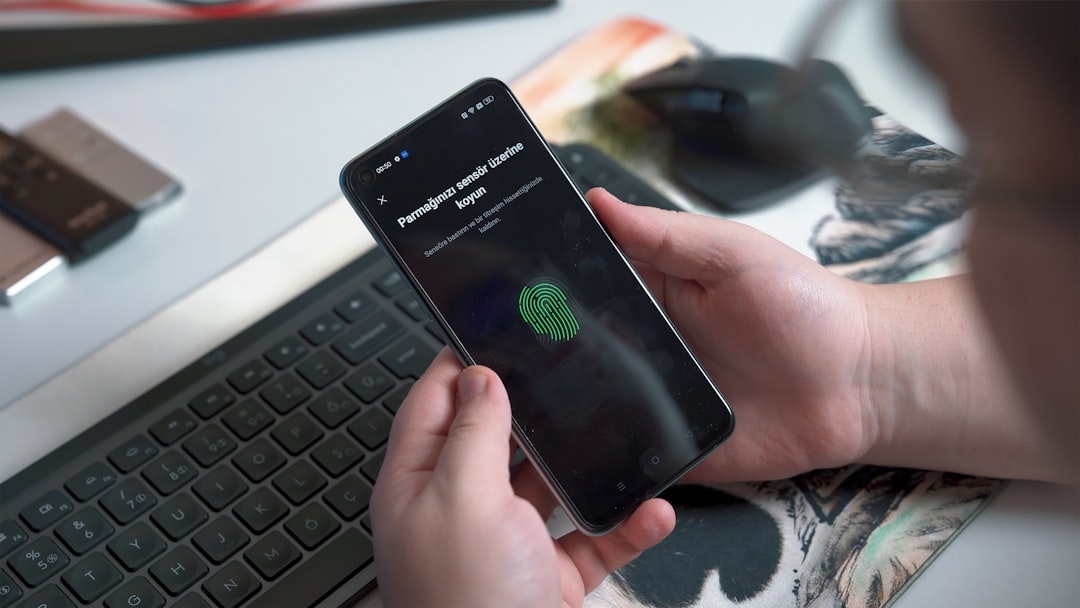
- Biometric unlock (Face ID / fingerprint): Easier for officers to compel than a memorized passcode.
Why this matters when you’re traveling: If you’re entering on a visa — digital nomad visa, tourist visa, or ESTA — your leverage is limited. A standoff could mean missing your entire summer trip.
Pro tip: Before landing, power off your phone. On most devices (iPhone 15 Pro, 187g; Samsung Galaxy S25, 162g), rebooting disables biometric unlock until you enter your passcode.
How Long Can They Keep Your Phone?
Confiscations can last anywhere from a few hours to several months.
During that time, authorities may copy data, analyze messages, and review cloud-connected content accessible from the device.
Why this matters when you’re traveling:
- No access to banking apps (Chase, Revolut, Wise)
- No 2FA authentication codes
- No airline rebooking through apps
- No WhatsApp contact with hosts or tour operators
If you’re heading somewhere remote — say a luxury safari camp featured in our roundup of Africa’s hottest new safari lodges — connectivity is already limited. Losing your primary device compounds the problem.
What Data Are They Looking For?
It varies, but searches may include:
- Messages (SMS, WhatsApp, Signal metadata)
- Photos and videos
- Email accounts
- Social media apps
- Contacts
- Cloud-linked documents
Deleted content may still be recoverable during forensic searches.
Why this matters when you’re traveling: Even innocent content can be misinterpreted without context — especially across languages and cultures. A sarcastic text about “smuggling snacks” can trigger extra scrutiny.
How to Prepare Before You Travel (Smart Traveler Setup)
This is where you take control.
1. Back Up Everything
Use encrypted cloud backups:
- iCloud+ 200GB: $2.99/month
- Google One 200GB: $2.99/month
Backup over Wi-Fi before heading to the airport.
Why this matters when you’re traveling: If your phone is seized, you can restore your entire digital life to a replacement device within 30–60 minutes.
2. Remove Non-Essential Apps
Delete:
- Work Slack accounts
- Sensitive messaging apps
- Private photo vaults
You can reinstall them later.
Why this matters when you’re traveling: Less data on-device means less data accessible during a search.
3. Use a Travel Phone (Serious Nomad Move)
Buy a secondary device for border crossings.
Solid options in 2026:
- iPhone SE (2025): $429, 144g, 15-hour video playback
- Google Pixel 8a: $499, 188g, 24-hour mixed use battery
Load only essentials: maps, airline app, hotel booking, eSIM.
Traveler verdict: If you cross borders frequently, this is worth it. $429 is cheaper than losing a $1,199 iPhone 17 Pro — and your data.
4. Switch to eSIM Before Arrival
eSIMs reduce dependence on physical SIM cards tied to your identity.
Examples:
- Airalo USA 10GB: $26 (30 days)
- Thailand local SIM at airport: ~$8 for 15GB
- Europe regional eSIM 20GB: $49
Why this matters when you’re traveling: If your device is confiscated, your primary SIM (with banking SMS codes) isn’t physically accessible.
Yes, Airalo costs 3x more than a Thai airport SIM. But it activates instantly and avoids airport kiosk lines during peak summer arrivals.
5. Print Critical Documents
Always carry paper copies of:
- Boarding passes
- Hotel confirmations
- Return ticket
- Travel insurance
Why this matters when you’re traveling: If your phone disappears at customs, you can still check into your hotel at midnight in Mykonos.
What If Your Phone Is Taken?
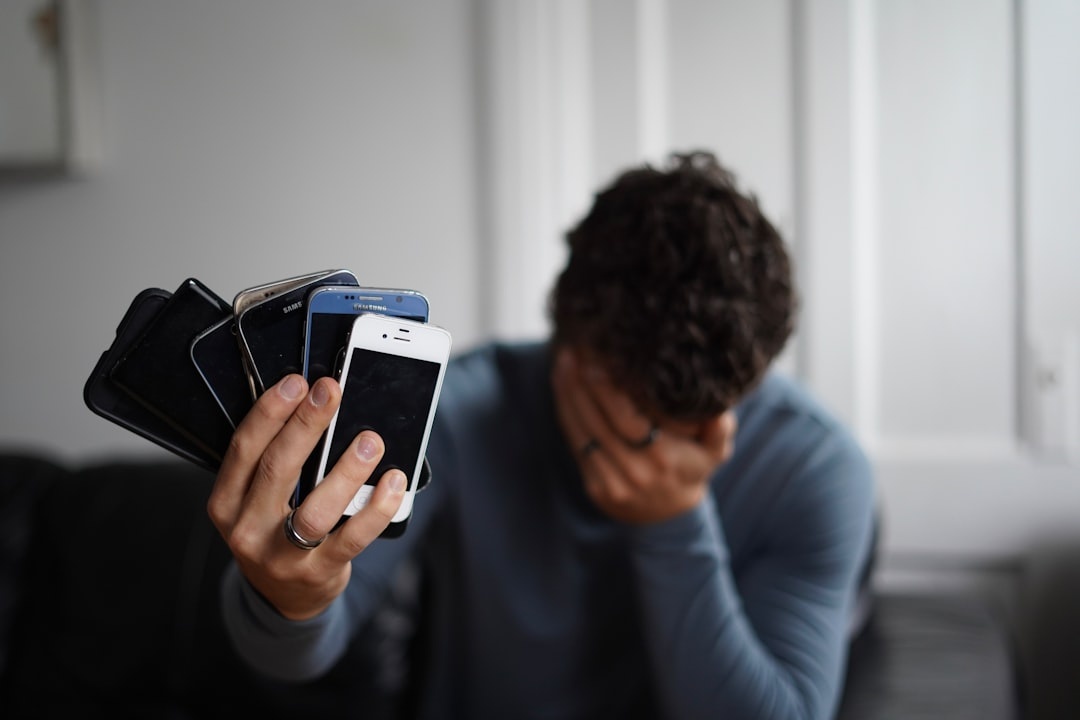
Stay calm. Ask for documentation confirming seizure.
Write down:
- Officer’s name and badge number
- Agency contact details
- Case reference number
Then immediately:
- Log into iCloud or Google from another device.
- Change passwords for email and banking apps.
- Revoke device sessions.
Why this matters when you’re traveling: Speed reduces risk. If your phone contained active sessions to Wise, PayPal, or your business Gmail, you want those locked down within minutes.
Should You Wipe Your Phone Before Travel?
For high-risk travelers — journalists, activists, business executives — yes.
Factory reset takes 5–10 minutes. Restoring from backup takes about 30 minutes on fast Wi-Fi (tested on 300 Mbps fiber).
Why this matters when you’re traveling: A clean device dramatically limits what can be searched.
For most vacationers heading on a summer rail journey across Europe (especially if debating Interrail vs point-to-point tickets), a full wipe may be overkill — but minimizing data is smart.
Does This Happen Often?
Device searches represent a small fraction of total travelers — but they’re not rare.
Summer is peak travel season, and increased border traffic means more inspections overall.
Why this matters when you’re traveling: The odds may be low. The impact, however, is high.
You insure your luggage. You back up your photos. Protecting your digital life deserves the same planning.
Traveler Checklist Before Your Next Flight
- ✅ Full encrypted backup completed
- ✅ Sensitive apps removed
- ✅ Biometric unlock disabled before landing
- ✅ Paper copies of bookings printed
- ✅ Password manager master password memorized
Five small steps. Huge peace of mind.
Final Thoughts: Your Phone Is Your Passport to Everything
In summer 2026, travel is hyper-digital. Boarding passes, eSIM activation, hotel keys, AI translation, mobile banking — it all lives in your pocket.
That convenience comes with vulnerability at international borders.
You don’t need paranoia. You need preparation.
Back up your data. Minimize what you carry digitally. Consider a travel phone if you cross borders often. And never assume “I’ve done nothing wrong” means your device won’t be inspected.
Your phone is more valuable than your suitcase. Treat it that way.
Frequently Asked Questions
Can airport security unlock my iPhone without my permission?
If your phone uses Face ID or fingerprint unlock, officers may attempt biometric access. A powered-off iPhone requires a passcode on restart, which offers stronger legal protection in many regions.
How long can customs keep my phone?
It varies by country. Some confiscations last hours; others can extend weeks or months during forensic analysis. Always request written documentation if your device is seized.
Will I get my data back if my phone is confiscated?
If you’ve backed up to iCloud or Google One ($2.99/month for 200GB), you can restore your data to a new device. Without a backup, recovery is unlikely.
Should I buy a separate travel phone?
Frequent international travelers benefit from a secondary device like the $429 iPhone SE or $499 Pixel 8a. It limits data exposure and protects your primary phone.
Does deleting apps before travel help?
Yes. Removing messaging, work, and cloud storage apps reduces accessible data during manual searches and limits what can be reviewed on-device.

About the Author: Tomáš Bzirský
Founder and editor of Distratech. Based in the Czech Republic, travelling regularly from Central Europe. Writes practical travel guides and travel-tech comparisons (eSIM, apps, airports) in six languages.