'/%3E%3Cpath%20fill='%23b2b2b2'%20d='M241%20382q0%2016%2017%2026%2017%2011%2042%2011t42-11q16-11%2017-26V269H241'/%3E%3Cpath%20fill='%239f7e00'%20d='M241%20379q0%2014%208%2023%209%209%2021%209%2014%200%2021-9%209-9%209-23V269h-59'/%3E%3Cpath%20d='M241%20339v-70h59v110q0%2014-9%2023l-6%205v-68h-15v72q-8%200-14-4v-68zm59%2040c0%2022%2015%2032%2029%2032%2021%200%2030-18%2030-32v-40h-59'/%3E%3Cpath%20fill='%239f7e00'%20d='M266%20277v5h2v12h-3v-5h2v-5h-9v5h2v5h-4v9h3v18h-5v10h34v-10h-5v-18h3v-9h-4v-5h2v-5h-9v5h2v5h-3v-12h2v-5zm42%20101q0%2010%206%2017%206%206%2015%207%2010-1%2016-7%206-7%206-17v-29h-43'/%3E%3Ccircle%20fill='%230044ad'%20cx='329.5'%20cy='372'%20r='6'/%3E%3Cellipse%20fill='%230044ad'%20cx='300'%20cy='340'%20rx='16'%20ry='21'/%3E%3C/svg%3E)
'/%3E%3C/svg%3E)


'/%3E%3C/g%3E%3Cuse%20href='%23c'%20transform='matrix(-1%200%200%201%20720%200)'/%3E%3C/svg%3E)


I’ve done Europe by train every summer for the last decade — from midnight-sun hops in Scandinavia to beach weekends in Italy. In 2026, with dynamic pricing everywhere and more mandatory reservations on high-speed trains, the classic “just buy a Eurail Pass” advice isn’t always right.
Sometimes the pass is a steal. Other times, you’ll overpay by €150+ for the romance of flexibility.
Key Takeaways
- A 7-day Eurail Global Pass (2nd class) costs about €335 in 2026; it only saves money on long, flexible, last-minute routes.
- High-speed routes like Paris–Barcelona can be cheaper point-to-point (€39–€79) if booked 2–3 months ahead.
- Scandinavia and Switzerland are where passes shine — regular fares often exceed €100 per leg.
- Reservation fees (France, Spain, Italy) add €10–€35 per train even with a pass.
- In summer 2026, dynamic pricing makes early booking more important than ever.
What the Eurail/Interrail Pass Actually Costs in 2026
For non-European residents, the Eurail Global Pass is the product. EU residents use Interrail, same pricing structure.
As of June 2026, standard 2nd-class prices:
- 4 days in 1 month: €258
- 7 days in 1 month: €335
- 10 days in 2 months: €401
- 15 consecutive days: €476
That’s before reservations. High-speed trains in France, Spain, and Italy require seat bookings that typically cost €10–€35 per leg. Night trains can cost €20–€45 for couchettes.
Point-to-point tickets, booked via SNCF Connect, Trenitalia, or Renfe, now use airline-style pricing. Book 90 days out? Cheap. Book 3 days before departure in July? Painful.
Let’s look at five real summer routes.
Route 1: Paris → Barcelona (High-Speed, 6h30)
Distance: 1,035 km
Travel time: 6h30 direct TGV/AVE
Summer 2026 demand: High (festivals + beach season)
| Option | Cost (June 2026 sample) | Notes |
|---|---|---|
| Advance ticket (2–3 months ahead) | €49–€79 | Limited fare buckets |
| Last-minute ticket (1 week out) | €129–€189 | Common in July |
| Eurail Pass + reservation | €335 pass + €32 reservation | Reservation mandatory |
If Paris–Barcelona is your only long leg, the pass makes no sense.
Even at €79, that’s cheaper than burning one of your 7 travel days (effectively €47 per day on a €335 pass) plus a €32 reservation. You’re already at €79 — and that’s assuming you fully maximize all pass days.
Verdict: Book early, skip the pass.
Route 2: Zurich → Milan → Florence → Rome (Switzerland to Italy Classic)
This is a summer favorite — alpine lakes to Tuscan sunsets in 48 hours.
Sample breakdown (2nd class, booked 2–4 weeks ahead):
- Zurich–Milan (3h30 EC): €65–€95
- Milan–Florence (1h50 Frecciarossa): €29–€59
- Florence–Rome (1h30 Frecciarossa): €25–€55
Total realistic cost: €119–€209
With a Eurail Pass:
- 1 travel day for Zurich–Milan (+ €13 reservation)
- 1 travel day for Milan–Florence–Rome (yes, same day counts once, + €10–€13 per train)
So you’re using 2 travel days (≈ €94 value on a 7-day pass) plus roughly €30 in reservations.
Total effective cost: about €124.
This is close. If Swiss fares are high (they often spike above €100 last-minute), the pass wins. If you book early Italian fares at €29, point-to-point is cheaper.
If you’re planning a scenic Swiss-heavy itinerary, read our detailed breakdown of Switzerland by train using the Glacier and Bernina Express — that’s where passes start making serious sense.
Verdict: Pass wins if booking late or traveling flexibly in Switzerland.
Route 3: Copenhagen → Stockholm → Oslo (Scandinavian Triangle)
Distance combined: ~1,200 km
Travel time total: ~10–12 hours across segments
Summer factor: Midnight sun = peak demand
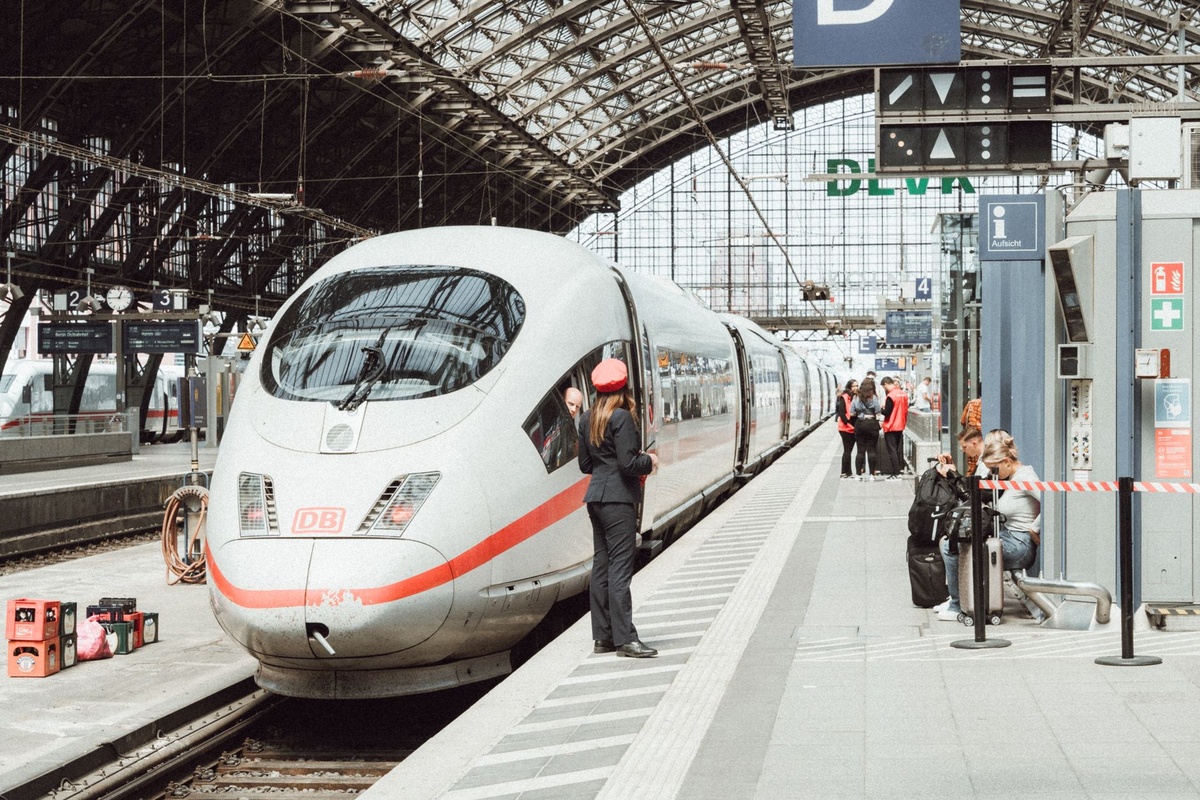
Typical 2026 fares (booked 3–6 weeks ahead):
- Copenhagen–Stockholm (5h15 SJ train): €45–€85
- Stockholm–Oslo (5h30 Vy train): €35–€75
Total: €80–€160
Last-minute fares often hit €120+ per segment in July.
With a Eurail Pass:
- No mandatory reservations on many departures
- 2 travel days (≈ €94 equivalent on 7-day pass)
- Optional reservations: €5–€10
This is where the pass shines. Scandinavia has high base fares and fewer cheap advance tickets compared to Italy or Spain.
If you decide spontaneously to chase better weather (which happens — June 2026 has already seen rainy spells in Stockholm), flexibility has real value.
Verdict: Pass usually wins, especially for flexible summer travel.
Route 4: Vienna → Budapest → Prague (Central Europe Loop)
Distances are short. Competition is strong. Prices are low.
Sample fares (booked anytime, even fairly last-minute):
- Vienna–Budapest (2h40 Railjet): €19–€39
- Budapest–Prague (6h45 EC): €25–€45
Total: €44–€84
With Eurail:
- 2 travel days (~€94 equivalent)
- No or low reservations
You’re overpaying almost every time.
Buses like FlixBus can be as low as €18 Vienna–Budapest (3h), though trains are more comfortable and central-to-central.
Verdict: Skip the pass. Buy direct tickets.
Route 5: Amsterdam → Berlin → Munich → Venice (Big Cross-Border Run)
This is the kind of ambitious summer trip people imagine when buying a pass.
Segment pricing (booked 4–8 weeks out):
- Amsterdam–Berlin (6h20 ICE): €38–€79
- Berlin–Munich (4h ICE): €29–€69
- Munich–Venice (6h30 EC): €49–€89
Total realistic range: €116–€237
With Eurail:
- 3 travel days (~€141 equivalent)
- Munich–Venice reservation ~€13
If you hit mid-range fares (~€60 average), you’re spending €180 point-to-point. The pass equivalent is around €154.
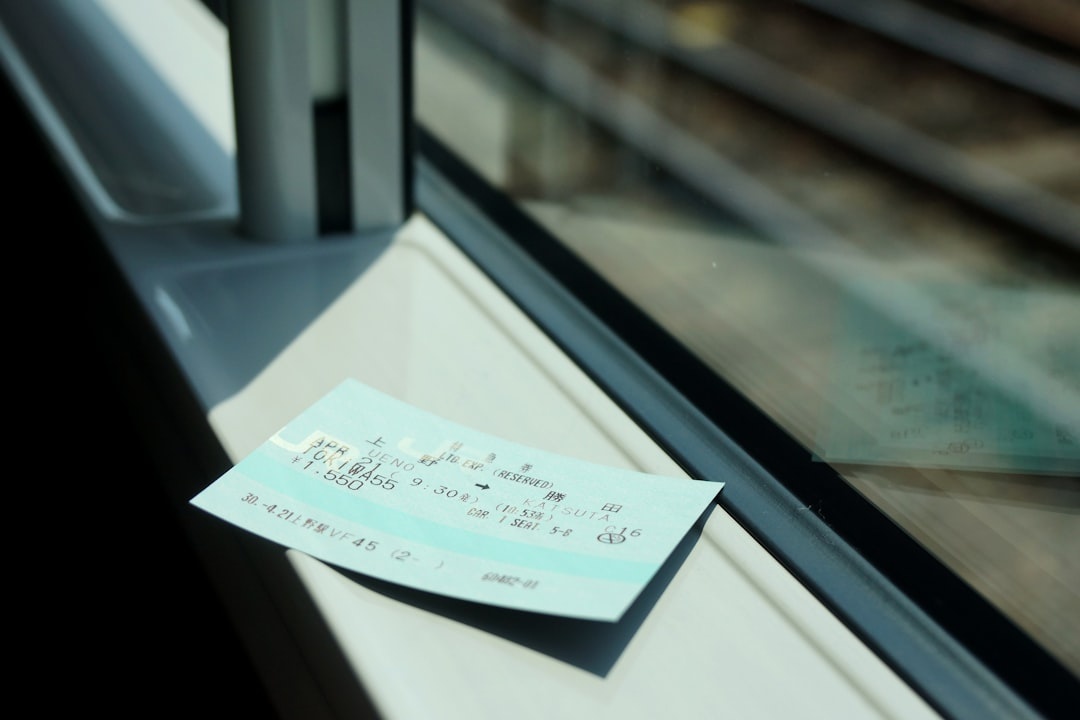
Small savings — but only if you fully use the pass.
Verdict: Slight edge to the pass for multi-country, longer-distance chains.
So When Does Eurail Actually Save Money?
Based on 2026 pricing patterns, the pass works best when:
- You’re traveling in Switzerland, Scandinavia, or Germany with longer legs.
- You’re booking less than 2 weeks in advance during summer.
- You want weather flexibility (very real in June/July).
- You’re doing 4+ long-distance journeys within a month.
It rarely makes financial sense for:
- Italy-only trips (cheap Frecciarossa deals)
- Spain booked early (AVLO + Renfe deals from €9–€25)
- Short Central European hops
If you’re doing just 2–3 major train rides total, buy tickets individually. The math favors you.
Hidden Costs People Forget
1. Reservation Caps in France & Spain
Pass holders get limited seat quotas. In July 2026, Paris–Nice trains are selling out of pass reservations days in advance. Regular tickets? Still available — just expensive.
2. Night Train Supplements
Berlin–Zurich couchette: €34 with pass vs €69–€129 full fare. Here the pass can halve the cost.
3. Travel Insurance
Missed connections on separate tickets can be messy. Read our breakdown on what actually matters in travel insurance for 2026 — especially delay coverage if you’re chaining trains.
My Opinionated 2026 Strategy
If I were planning a 3-week Europe summer trip right now:
- Mostly Germany + Switzerland + Scandinavia? Buy the 7-day or 10-day pass.
- Mostly Italy + Spain booked early? Skip it.
- Mix of both? Consider a 4-day pass and fill gaps with cheap tickets.
I personally skip the pass for foodie Italy loops and use it for alpine or Nordic routes where tickets regularly cross €80–€120.
Flexibility is the real product Eurail sells. If your itinerary is locked and you’re booking 2–3 months out, dynamic pricing usually beats the pass.
Final Verdict: It’s Not About Romance — It’s About Geography
In 2026, the Eurail/Interrail pass isn’t universally cheaper. It’s geographically selective.
North and Alpine Europe? Often yes.
Southern Europe booked early? Usually no.
Before buying, price out every leg individually. If the total is within €50–€80 of the pass, buy flexibility. If it’s €150 cheaper point-to-point, take the savings and spend it on better hotels — ideally ones now offering Apple Wallet room keys so you can skip front-desk lines after long train days.
Want more deep-dive Europe planning breakdowns with real numbers? Explore our train guides on Distratech — and price your routes before you romanticize the pass.
Frequently Asked Questions
Is the Eurail Pass worth it in 2026?
It’s worth it for long-distance travel in Switzerland, Germany, and Scandinavia where single tickets often exceed €80–€120. It’s usually not worth it for Italy or Spain if you book 2–3 months in advance.
How much does a 7-day Eurail Global Pass cost in 2026?
As of June 2026, a 7-days-in-1-month 2nd class pass costs about €335. You’ll also pay €10–€35 per high-speed reservation in countries like France, Spain, and Italy.
Do you still need seat reservations with Eurail?
Yes, on most high-speed and international trains in France, Spain, and Italy. Reservations typically cost €10–€35 and can sell out in peak summer months.
Is Interrail cheaper than buying separate tickets?
It depends on the route. A Central Europe loop like Vienna–Budapest–Prague can cost €44–€84 total with regular tickets, which is cheaper than using two pass days worth about €94.

About the Author: Tomáš Bzirský
Founder and editor of Distratech. Based in the Czech Republic, travelling regularly from Central Europe. Writes practical travel guides and travel-tech comparisons (eSIM, apps, airports) in six languages.