'/%3E%3Cpath%20fill='%23b2b2b2'%20d='M241%20382q0%2016%2017%2026%2017%2011%2042%2011t42-11q16-11%2017-26V269H241'/%3E%3Cpath%20fill='%239f7e00'%20d='M241%20379q0%2014%208%2023%209%209%2021%209%2014%200%2021-9%209-9%209-23V269h-59'/%3E%3Cpath%20d='M241%20339v-70h59v110q0%2014-9%2023l-6%205v-68h-15v72q-8%200-14-4v-68zm59%2040c0%2022%2015%2032%2029%2032%2021%200%2030-18%2030-32v-40h-59'/%3E%3Cpath%20fill='%239f7e00'%20d='M266%20277v5h2v12h-3v-5h2v-5h-9v5h2v5h-4v9h3v18h-5v10h34v-10h-5v-18h3v-9h-4v-5h2v-5h-9v5h2v5h-3v-12h2v-5zm42%20101q0%2010%206%2017%206%206%2015%207%2010-1%2016-7%206-7%206-17v-29h-43'/%3E%3Ccircle%20fill='%230044ad'%20cx='329.5'%20cy='372'%20r='6'/%3E%3Cellipse%20fill='%230044ad'%20cx='300'%20cy='340'%20rx='16'%20ry='21'/%3E%3C/svg%3E)
'/%3E%3C/svg%3E)


'/%3E%3C/g%3E%3Cuse%20href='%23c'%20transform='matrix(-1%200%200%201%20720%200)'/%3E%3C/svg%3E)


Solo travel in 2026 isn’t about “finding yourself” on a random beach. It’s structured, strategic, and surprisingly tech-driven. Travelers are booking women-only surf camps in Portugal, tracking neighborhood safety scores in real time, and planning August escapes around meteor showers instead of nightclub openings.
With overtourism pushing prices up in hotspots (central Barcelona averages €240/night in peak August) and 40°C heat waves across southern Europe, solo travelers are getting smarter. Freedom now means flexibility, safety means data, and self-development often comes with a calendar invite and a measurable goal.
Key Takeaways
- September 2026 Mediterranean trips cost 25–40% less than August, with temperatures dropping from 40°C to ~27°C.
- Women-only and small-group solo tours in Europe average $1,800–$3,200 for 7–10 days, often including accommodation and activities.
- Safety apps like GeoSure (free) and SafeAround Pro ($4.99/month) offer neighborhood-level risk data for smarter decisions.
- Skill-based retreats (surf, yoga, coding) start around $900–$1,200 per week including lodging and instruction.
- eSIM data plans for Europe cost $26–$39 for 10GB—far cheaper than $10/day roaming from U.S. carriers.
1. September Is the New “Solo Summer”
August 2026 is blistering across southern Europe. Athens and Seville regularly hit 40–42°C, and hotel prices remain in peak-season mode. Increasingly, solo travelers are shifting their “summer” into September—especially for Mediterranean cities.
Take Lisbon. A private room in Alfama averages €180/night in mid-August versus €120/night in mid-September, according to Booking.com and Expedia listings. That’s roughly a 33% drop for similar daylight hours and only a minor temperature shift (29°C in August vs 25°C in September).
| City | Mid-August Avg Hotel | Mid-September Avg Hotel | Temp Difference |
|---|---|---|---|
| Barcelona | €240/night | €170/night | 31°C → 26°C |
| Rome | €220/night | €160/night | 34°C → 27°C |
| Lisbon | €180/night | €120/night | 29°C → 25°C |
Flights follow the same pattern. A New York (JFK) to Rome (FCO) roundtrip on ITA Airways or Delta basic economy averages $980 in mid-August versus about $720 in late September when booked 6–8 weeks in advance via Google Flights or Skyscanner.
September also means fewer cruise passengers in port cities like Naples and Barcelona, shorter lines at the Colosseum (timed entry €18), and more availability for small-group tours. For first-time solo travelers, that breathing room can make a big difference.
2. Safety Is Data-Driven (Not Just “Trust Your Gut”)
In 2026, solo travelers aren’t guessing about safety—they’re measuring it.
GeoSure (free, iOS/Android) rates neighborhoods for overall safety, health security, LGBTQ+ inclusivity, and women’s safety. SafeAround Pro ($4.99/month) overlays crime trends and incident data on city maps. Instead of relying on outdated forum posts, travelers can compare districts block by block.
Example: In Medellín, El Poblado consistently scores higher for tourist safety metrics at night than Laureles. A $10–$15 Uber ride (15–20 minutes depending on traffic) is often a smarter decision than a 25-minute walk after dark.
Accommodation choices are evolving too. Solo travelers increasingly prioritize:
- Female-only dorms (Generator Hostels in Barcelona or Rome: €35–€50/night via Hostelworld)
- Capsule hotels in Tokyo ($40–$70/night, 24-hour staffed reception, luggage lockers)
- Apartment hotels like Citadines or Staycity (€120–€150/night in Europe, keyless entry + front desk)
Transport decisions are also more calculated. In Rome:
Bus: €1.50, 45 minutes in traffic, often crowded in August.
Taxi via Free Now app: €18–€22, 20 minutes, GPS-tracked with driver ID and receipt.
For many solo women and first-time travelers, paying €20 instead of €1.50 at night isn’t indulgent—it’s risk management.
3. Skill-Based Solo Travel Is Replacing “Party Trips”
The fastest-growing solo niche in 2026? Travel that teaches you something measurable.
Surf camps in Ericeira, Portugal—about 45 minutes (50 km) from Lisbon Airport—start at €950 ($1,030) for 7 nights at Lapoint Surf Camp, including shared accommodation, daily lessons, and board rental. Booking directly through the camp’s website is often cheaper than third-party platforms. Compare that with a standard beach hotel at €170/night plus €35–€50 per private lesson, and the structured camp offers both savings and built-in community.
Yoga and mindfulness retreats in Ubud, Bali average $1,200 for 6 nights at The Yoga Barn (shared room, workshops included). A private room runs closer to $1,750. Flights from Los Angeles (LAX) to Denpasar (DPS) in September average $850–$950 roundtrip with one stop in Tokyo or Singapore when booked two months out.
Coding bootcamps abroad are trending as well. Le Wagon in Berlin offers a 9-week intensive for €6,900. Comparable U.S.-based programs often exceed $12,000. Even after adding €900/month for shared housing in Berlin (Neukölln or Kreuzberg), some travelers see cost savings—plus the benefit of living in Europe.
The appeal is simple: you return home with a credential, portfolio, or physical skill—not just photos.
4. Solo Doesn’t Mean Alone: Curated Micro-Groups
Completely solo travel is increasingly giving way to curated small-group experiences. Travelers want autonomy—with optional community.
Flash Pack (ages 30–49) runs 8–12 person trips. A 9-day Morocco itinerary costs about $2,950, including boutique riads, some meals, and guided excursions. G Adventures’ “Solo-ish” Europe departures average $1,799 for 7 days, typically covering accommodation and transport between cities.
Major festivals remain magnets for solo travelers—but with more structure. Burning Man (Aug 30–Sept 7, 2026) tickets are $575 plus a $150 vehicle pass. Add an RV rental from Las Vegas ($2,500/week), fuel (~$300), and supplies, and the total can exceed $4,000 quickly. Many now join pre-arranged theme camps for logistics and support.
Contrast that with the Edinburgh Fringe (through late August). Hostel beds average £30–£40/night via Hostelworld, and show tickets cost £10–£18. It’s social, walkable, and accessible by tram from Edinburgh Airport (£7.50, 30 minutes).
The 2026 shift isn’t away from people—it’s toward intentional, smaller circles.
5. Tech Is the Real Travel Companion
In 2026, your most important travel partner may be your phone.
eSIMs from Airalo or Holafly cost $26–$39 for 10GB in Europe (valid 30 days). Compare that to $10/day roaming from major U.S. carriers. Over 14 days, that’s $39 versus $140. Installation takes under five minutes via QR code.
Translation apps like DeepL now outperform basic Google Translate in nuanced conversations—particularly helpful in Japan, Germany, or rural France. Offline downloads ensure access without signal.
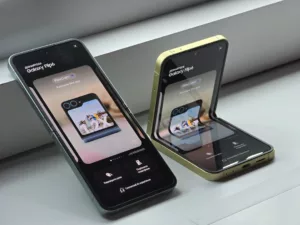
Battery strategy matters. Foldable phones like Samsung’s Fold8 and Flip8 are popular among solo travelers who want tablet-size navigation and split-screen itinerary planning without carrying a second device. Pair it with a 10,000mAh power bank ($25 on Amazon) for full-day coverage.
Still, analog backups matter. A €12 Michelin regional map of Sardinia or Provence won’t lose signal in mountain switchbacks.
6. Astro-Tourism & Nature-First Escapes
The Perseids meteor shower peaks August 12–13, 2026. Dark-sky destinations are booking months in advance.
In the Azores (a 2-hour flight from Lisbon), whale-watching tours from Ponta Delgada cost €65 for a 3-hour excursion with Futurismo Azores Adventures. Guesthouses average €110/night in August, dropping to €85 in September. Flights from Boston to Ponta Delgada (PDL) average $650–$800 roundtrip.

Iceland remains spectacular but crowded in August. Expect $320/night for a mid-range Reykjavik hotel near Laugavegur. In September, prices fall closer to $240—and you gain a chance of early northern lights. The Golden Circle loop is 230 km and easily done in a day with a rental car (~$90/day in September).
Prefer desert skies? Petra in Jordan can reach 39°C in August. October averages closer to 26°C. Entry to Petra costs 50 JOD (about $70) for a one-day pass. Wadi Rum overnight desert camps range from $60 (basic shared tent) to $180 (luxury bubble tent with private bathroom).
Nature-first travel isn’t about isolation. It’s about trading overcrowded city centers for open horizons.
Practical Solo Travel Setup for 2026
- Book flights 6–8 weeks out for Europe shoulder season; Tuesday or Wednesday departures can price 10–15% lower.
- Choose accommodation with 24-hour reception or clear self-check-in instructions.
- Buy travel insurance (SafetyWing from $45/month; World Nomads averages $80–$120 per trip depending on coverage).
- Download offline maps on Google Maps and Maps.me before departure.
- Share live location with one trusted contact via WhatsApp or iMessage.
Budget baseline for a safe, mid-range solo trip to Europe in September 2026:
- Flight (U.S.–Europe): $700–$900 roundtrip
- Accommodation: $120–$180/night
- Food: $30–$50/day (mix of cafés and casual restaurants)
- Local transport & activities: $20–$40/day
Total for 7 days: approximately $1,800–$2,400, depending on city and booking timing.
The Big Shift: Solo Travel as Personal Infrastructure
The defining trend of 2026 isn’t minimalism or luxury. It’s intentionality.
Solo travelers are choosing cooler months over peak heat, data over guesswork, and skill-building over bar crawls. Freedom now means designing your trip around who you want to become—healthier, more skilled, more confident, or simply better rested.
If you’re planning for late 2026, consider September in the Mediterranean or the Azores for whale watching and stargazing. Skip 40°C cities in August unless there’s a compelling reason (La Tomatina in Buñol—last Wednesday of August—might qualify; train from Valencia costs €3.60 and takes 50 minutes, but book Renfe tickets early).
Pick one measurable goal—learn to surf, write 10,000 words, hike 100 km on Portugal’s Rota Vicentina, or reset your sleep schedule—and build the itinerary around that.
Solo travel in 2026 isn’t escapism. It’s strategy.
Frequently Asked Questions
Is solo travel safe in 2026?
Yes—especially when you use neighborhood-rating apps like GeoSure, book well-reviewed accommodation, and budget $15–$25 for rideshare at night in major cities. Data-driven planning reduces risk significantly.
How much does a solo trip to Europe cost in 2026?
Expect $1,800–$2,400 for 7 days including flights, mid-range hotels ($120–$180/night), food, and activities. Traveling in September instead of August can reduce total costs by 25–40%.
When is the best month for solo travel in Europe?
September offers warm weather (25–27°C in southern Europe), fewer crowds, and lower hotel rates. October is even cheaper in Portugal, Spain, and Italy, with mild averages around 22–24°C.
Are solo group tours worth it?
For many travelers, yes. Small-group trips costing $1,800–$3,000 for 7–10 days often include boutique hotels, guides, and transport—sometimes matching or beating the cost of booking comparable experiences independently.
What’s the best tech setup for solo travel?
An unlocked phone with a $30 eSIM, offline maps, a 10,000mAh power bank, and cloud backups of key documents (passport, insurance) provides reliable, low-cost connectivity and peace of mind.

About the Author: Tomáš Bzirský
Founder and editor of Distratech. Based in the Czech Republic, travelling regularly from Central Europe. Writes practical travel guides and travel-tech comparisons (eSIM, apps, airports) in six languages.