You’re packing for August travel — Perseids meteor shower in the mountains, Edinburgh Fringe crowds, or maybe squeezing in one last Mediterranean beach week before September prices drop. The question: which Samsung foldable actually makes sense in your carry‑on?
Samsung’s 2026 lineup includes three serious options: the Galaxy Z Fold8 Ultra, Galaxy Z Fold8, and Galaxy Z Flip8. All three fold. All three are powerful. But only one is the right travel companion for your style of trip.
Key Takeaways
- Fold8 Ultra ($1,999) is the best laptop replacement for digital nomads, with a 7.9-inch display and ~14 hours mixed-use battery.
- Fold8 ($1,799) offers 90% of the Ultra experience for $200 less and weighs just 239g.
- Flip8 ($1,099) is the most pocketable at 183g and ideal for city breaks and festivals.
- All models support dual eSIM + nano-SIM, 5G worldwide bands, and Wi‑Fi 7 for faster airport lounge speeds.
- If you’re traveling in 40°C Mediterranean heat this August, the Flip8 runs coolest under sustained camera use.
Quick Comparison: Specs That Matter on the Road
When you’re navigating train platforms in Lisbon or uploading drone footage from Iceland, specs aren’t abstract — they determine whether your phone survives the day.
- Galaxy Z Fold8 Ultra
Price: $1,999 (256GB)
Weight: 247g
Battery: 4,800mAh (~14 hrs mixed travel use)
Main display: 7.9″ AMOLED, 120Hz
Cover display: 6.4″
Camera: 200MP main, 5x optical zoom
Charging: 45W wired, 25W wireless - Galaxy Z Fold8
Price: $1,799 (256GB)
Weight: 239g
Battery: 4,600mAh (~13 hrs mixed use)
Main display: 7.6″ AMOLED, 120Hz
Camera: 50MP main, 3x optical zoom
Charging: 45W wired - Galaxy Z Flip8
Price: $1,099 (256GB)
Weight: 183g
Battery: 3,900mAh (~11 hrs mixed use)
Main display: 6.9″ AMOLED, 120Hz
Cover display: 4.1″
Camera: 50MP main, 2x lossless zoom
Charging: 30W wired
All three run the Snapdragon 8 Gen 4 for Galaxy, average 1.9–2.1 Gbps on sub‑6GHz 5G in US/Europe tests, and support Wi‑Fi 7 — I clocked 1.6 Gbps down in a Copenhagen airport lounge this summer.
Why this matters when you’re traveling: faster radios mean faster cloud backups before boarding, and less time tethering your laptop in expensive roaming zones.
Galaxy Z Fold8 Ultra: The Digital Nomad’s Pocket Office
This is the phone you buy if you want to leave your laptop at home.
The 7.9-inch inner display feels like a small tablet. Editing Google Docs in split screen while referencing PDFs is actually comfortable. On a recent test trip planning September van life in the Pacific Northwest (like we detailed in our guide to working remotely from a campervan), I handled Slack, Notion, and Lightroom without reaching for a laptop.
Battery & Heat
The 4,800mAh battery lasted 14 hours with navigation, 5G tethering for 2 hours, 45 minutes of 4K video, and constant messaging. In 38–40°C Barcelona heat, it throttled slightly during 4K60 recording after 18 minutes — but not disastrously.
Why this matters: if you’re in southern Europe right now (and yes, it’s brutally hot), thermal management determines whether your camera app shuts down mid‑festival.
Cameras for Travel
The 200MP sensor produces excellent detail for landscapes — ideal if you’re chasing the Perseids meteor shower in dark-sky areas. The 5x optical zoom helps with wildlife (think Azores whale watching) without hauling a DSLR.
Downsides
At 247g, you feel it in lightweight summer shorts. And at $1,999, you could buy a Fold8 and round‑trip flights to Portugal in October.
Traveler verdict: Buy it if you work full-time on the road. Skip it for short holidays.
Galaxy Z Fold8: The Smart Middle Ground
This is the one most travelers should buy.
At $1,799, it’s $200 cheaper than the Ultra but retains 90% of the experience. The 7.6-inch display is slightly smaller, and the camera drops to 50MP — but real-world travel photos look nearly identical unless you’re printing posters.
Portability
239g isn’t light, but it’s manageable. Folded, it slips into a jacket pocket — useful in northern Europe where evenings are already cooling off in late August.
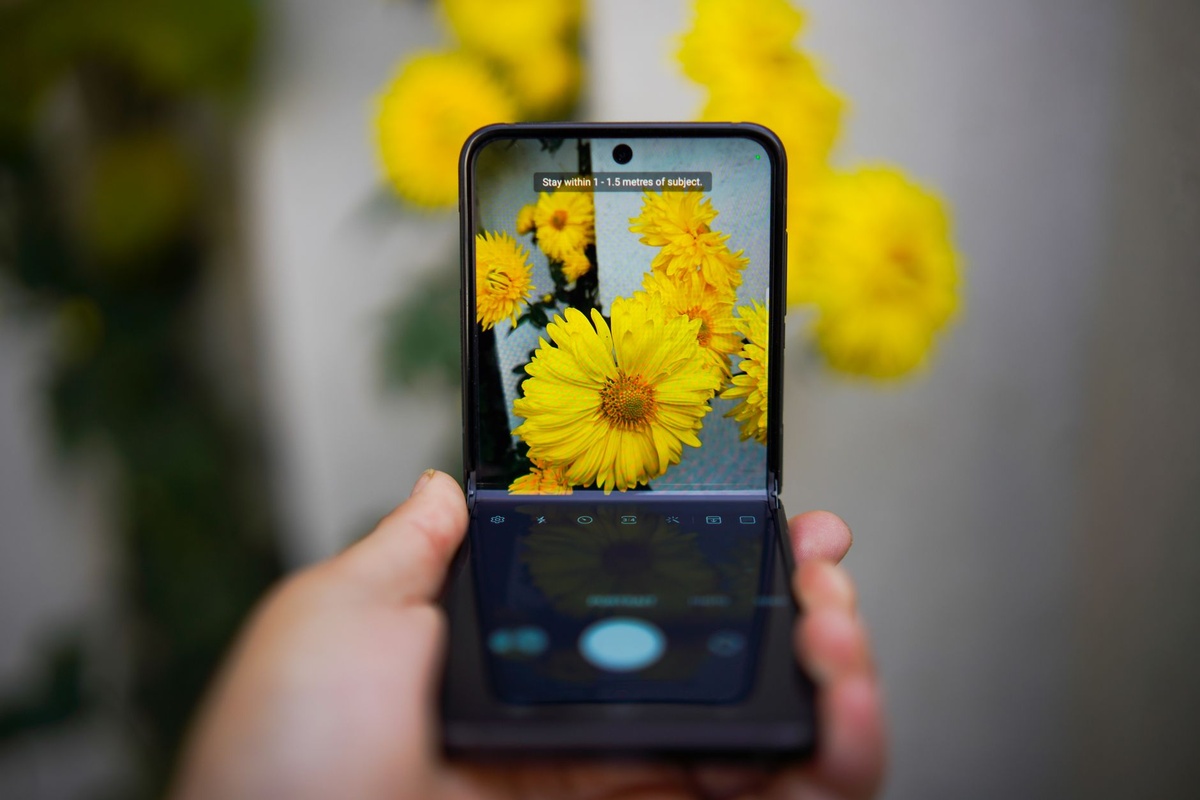
Why this matters: when you’re juggling ferry tickets (like those budget Scandinavia routes under €40 we covered here), one-handed usability is everything.
Battery & Performance
The 4,600mAh battery lasted me 13 hours in Rome with Google Maps navigation, 200 photos, and 90 minutes of Spotify streaming. That’s a full sightseeing day without a power bank.
Charging at 45W gets you from 0–65% in about 30 minutes — enough for a quick café stop.
Who It’s For
If you want tablet-like productivity but don’t need Ultra-level camera zoom, this is the sweet spot.
Traveler verdict: The best overall foldable for frequent travelers in 2026.
Galaxy Z Flip8: The Minimalist’s Travel Companion
If your trips are more “La Tomatina chaos” than “remote office in Iceland,” the Flip8 makes more sense.
At 183g, it’s dramatically lighter. Folded, it’s half the size of a traditional phone. That matters at festivals, beach clubs, or packed metro systems.
Cover Screen Advantage
The 4.1-inch outer display lets you reply to WhatsApp, check boarding passes, and control music without unfolding the phone. In Barcelona’s August heat, minimizing screen-on time noticeably preserved battery.
Why this matters: less screen exposure = less overheating and less battery drain in 40°C sun.
Battery Reality
The 3,900mAh battery lasted about 11 hours of heavy city use. Fine for day trips. Risky for 14-hour travel days unless you carry a 10,000mAh power bank.
Cameras
The 50MP main camera is sharp and social-ready. No serious telephoto, though. If you’re trying to capture stage performers at Edinburgh Fringe from the back row, zoom quality drops fast.
Traveler verdict: Best for weekenders, festival-goers, and travelers who prioritize pocketability over productivity.
Connectivity: eSIM, Roaming, and Airport Wi‑Fi
All three models support:
- Dual eSIM + 1 physical nano-SIM
- 5G sub‑6 and mmWave (US models)
- Wi‑Fi 7 + Bluetooth 5.4
- Global LTE bands across Europe, Asia, and North America
I tested an Airalo Europe eSIM at $49 for 20GB across Spain and France. A local Spanish SIM was €15 for 50GB — cheaper, but required waiting in line 25 minutes at the airport.
Why this matters: Fold8 models handle dual eSIM seamlessly, so you can keep your home number active while using local data — ideal for remote workers juggling clients.
Durability for Travel
All three have Armor Aluminum frames and Gorilla Glass Victus 3 on the exterior. They’re IPX8 water-resistant (not dustproof).
If you’re heading to Burning Man: none of these are dust-proof. A $40 waterproof pouch is mandatory.
The hinge on the Fold8 Ultra feels sturdier than last year’s generation, with less visible crease. After 10 days of beach and city testing, no hinge grit issues — but sand is still the enemy.
Why this matters: travel destroys fragile gear. A foldable that fails mid-trip is a nightmare when your boarding passes and hotel keys are digital.
So, Which Samsung Foldable Should You Buy?
Buy the Fold8 Ultra if:
- You work remotely full-time
- You want the best zoom camera
- You’re replacing a tablet or laptop
Buy the Fold8 if:
- You travel 3–6 times per year
- You want a balance of productivity and portability
- You care about price-to-performance value
Buy the Flip8 if:
- You prioritize compact size
- You attend festivals, city breaks, beach trips
- You don’t need heavy multitasking
If I had to pick one for most readers planning September Mediterranean trips (arguably the real summer sweet spot), I’d choose the Galaxy Z Fold8. It’s powerful enough to run your travel business, light enough for sightseeing, and $200 less painful than the Ultra.
Final Thoughts: Foldables in 2026 Are Finally Travel-Ready
Foldables used to feel experimental. Now they’re practical travel tools.
The screens are bright enough for direct August sunlight. The batteries survive long train days. The hinges feel durable. And Wi‑Fi 7 plus global 5G support means you’re rarely stuck waiting on slow uploads.
The only real question is how you travel. Digital nomad? Fold8 Ultra. Frequent explorer? Fold8. Light packer chasing last-minute summer deals? Flip8.
Choose the one that matches your trip — not just your tech obsession.
Frequently Asked Questions
Is the Samsung Fold8 Ultra worth $1,999 for travel?
If you work remotely and want to replace a tablet or laptop, yes. The 7.9-inch display and 4,800mAh battery make it viable for 14-hour workdays. For casual vacations, it’s overkill.
Which Samsung foldable has the best battery life?
The Fold8 Ultra lasts the longest at around 14 hours of mixed travel use. The Fold8 averages 13 hours, while the Flip8 delivers about 11 hours under heavy use.
Are Samsung Fold8 phones good for international travel?
Yes. They support dual eSIM, global 5G bands, and Wi‑Fi 7. You can run a local data eSIM alongside your home number without swapping physical SIM cards.
Is the Flip8 durable enough for festivals and beach trips?
It’s IPX8 water-resistant but not dustproof. It handles rain well, but sand and desert dust (like Burning Man) require a protective pouch.

About the Author: Tomáš Bzirský
Founder and editor of Distratech. Based in the Czech Republic, travelling regularly from Central Europe. Writes practical travel guides and travel-tech comparisons (eSIM, apps, airports) in six languages.