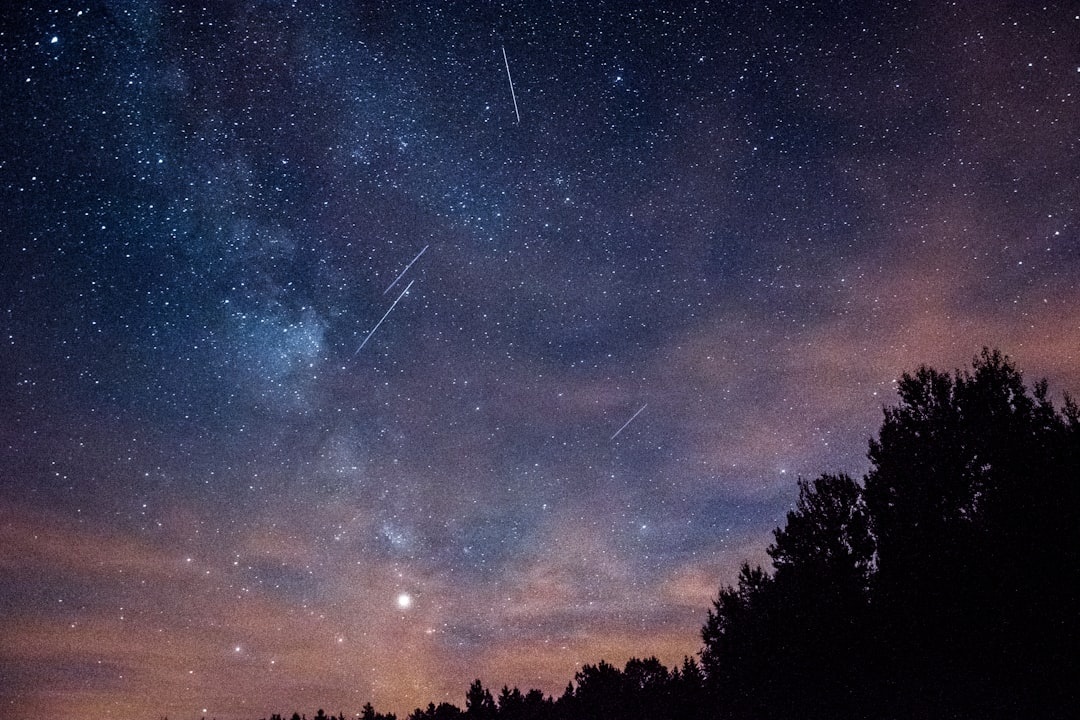
Every August, Instagram explodes with dreamy captions about the Perseids meteor shower over the Dolomites. And every August, hundreds of photographers drag tripods up to Tre Cime or Lago di Braies… and come home with crowded foregrounds, hazy skies, and blown‑out meteor streaks.
I’ve photographed the Dolomites during the mid‑August Perseids peak and again during late‑September new moons. The difference isn’t subtle. If your goal is crisp Milky Way arches over jagged limestone peaks—not a chaotic meteor lottery—September wins decisively.
Key Takeaways
- Perseids peak August 12–13, but coincide with peak tourism, higher humidity, and frequent haze at 1,500–2,000m.
- Tre Cime toll road costs €30–€35 ($33–$38) per car in August vs €20–€25 ($22–$27) in late September.
- Late September new moons (Sept 8–10 & Sept 29–30, 2026) offer 10+ hours of darkness and clearer post‑front air.
- Cortina hotels average €260–€320 ($285–$350) in August vs €150–€200 ($165–$220) in late September.
- Fewer crowds mean fewer headlamps, cleaner long exposures, and more predictable Milky Way alignment.
1. The Perseids Hype vs. Reality in the Dolomites
The Perseids peak around August 12–13 each year. Under ideal dark‑sky conditions, you might see 60–100 meteors per hour.
In the Dolomites in August? You’re competing with thousands of other photographers, campers, hikers, and vanlifers who read the same planning guides.
At Tre Cime di Lavaredo, the private toll road (typically open 7am–8pm in summer, weather dependent) costs €30–€35 ($33–$38) per car in August. By late afternoon on meteor‑peak nights, the parking lot near Rifugio Auronzo is often full. Rangers close access once capacity is reached, forcing late arrivals to turn around.
In late September, that same toll typically drops to €20–€25 ($22–$27). You can often arrive an hour before sunset and still find parking without circling for 30–45 minutes.
Crowds Kill Long Exposures
Astrophotography requires stillness and darkness. During Perseids week, expect:
- Headlamps sweeping across your foreground every 20–30 seconds
- Car headlights flaring into long exposures
- Drones (often illegally) buzzing over Lago di Braies or Seceda
- Groups chatting loudly beside carefully framed tripod setups
A single 20‑second exposure ruined by a white LED beam means reshooting. Multiply that interruption across 60–100 frames for stacking, and your “meteor hunt” becomes a frustration test.
Late September? You might share a ridge with three photographers instead of 300.
2. Weather Data: August Haze vs. September Clarity
August is warm in the Dolomites—but warmth isn’t your friend for night photography.
At 1,500–2,000 meters (4,900–6,500 ft), daytime highs average 18–25°C (64–77°F). Heat triggers convection clouds and frequent late‑afternoon thunderstorms. Even when storms clear by 9pm, lingering moisture creates haze that softens stars and reduces contrast.
Late September shifts the equation.
| Mid-August (Perseids) | Late September (New Moon) | |
|---|---|---|
| Avg High (1,500m) | 22°C (72°F) | 14–16°C (57–61°F) |
| Humidity | Moderate–High | Lower after cold fronts |
| Darkness Duration | ~8.5 hrs | ~10–11 hrs |
| Tourism Level | Peak | Shoulder |
After early autumn cold fronts sweep through northern Italy, the air often turns dramatically clearer. That crisp alpine transparency is what makes limestone ridgelines glow under starlight.
You’re not just gaining longer darkness—you’re gaining cleaner air and sharper detail.
3. Meteors Are Random. The Milky Way Is Predictable.
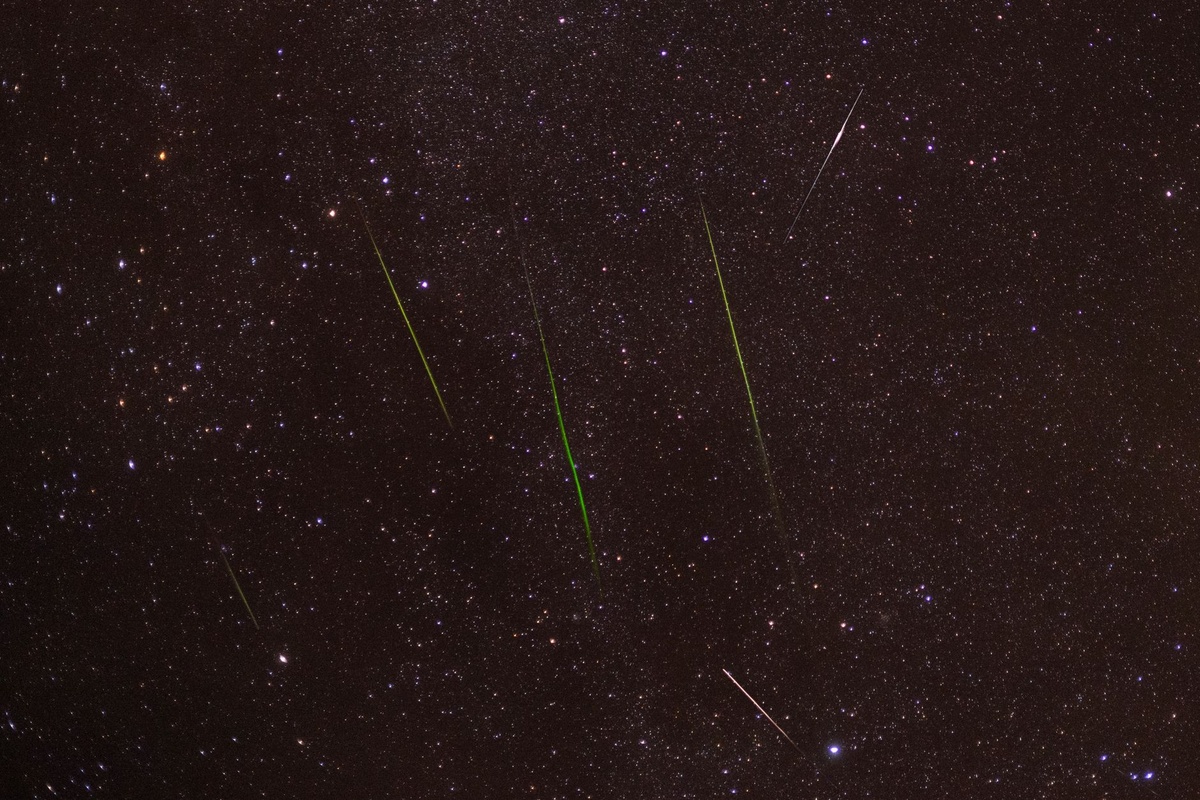
Meteors are unpredictable streaks of luck.
You can wait 15 minutes and see none. Then three flash outside your composition. Capturing a perfectly placed meteor above Tre Cime requires timing, framing—and luck.
The Milky Way is different. It’s measurable and predictable.
With apps like PhotoPills (€10.99 / $10.99 one‑time purchase) or Stellarium (free basic version), you can plan the galactic core’s exact alignment over Seceda, Alpe di Siusi, or Passo Giau weeks in advance.
In late September, the core sets earlier in the evening, but astronomical darkness lasts longer before dawn. You can shoot multi‑row vertical panoramas without constantly scanning the sky for fleeting meteors.
If you’re optimizing logistics, use tools like Google’s Ask Maps real‑time terrain and transit features to check bus schedules, parking congestion, and road closures before driving up winding alpine passes.
4. The Cost Difference: Flights, Hotels, Cars
August is peak European holiday season. Ferragosto (around August 15) sends Italian families into the mountains, joined by German, Austrian, and Dutch travelers.
Prices reflect that demand.
Cortina d’Ampezzo Hotel Comparison (3–4★)
| Mid-August (Perseids) | Late September | |
|---|---|---|
| Hotel Olimpia | €290 ($320) | €175 ($190) |
| Hotel Alaska | €310 ($340) | €189 ($205) |
| Average 3–4★ | €260–€320 ($285–$350) | €150–€200 ($165–$220) |
That’s roughly a 30–40% savings for similar comfort and dramatically better shooting conditions. Booking platforms like Booking.com and Expedia consistently show lower shoulder‑season rates three to four weeks out.
Rental cars from Venice Marco Polo Airport (VCE) via Hertz, Sixt, or Europcar:
- August: €95–€120/day ($105–$130) for a compact SUV
- Late September: €55–€70/day ($60–$75) for the same category
The drive from Venice (VCE) to Cortina d’Ampezzo is about 160 km (100 miles) and takes roughly 2 hours via the A27 and SS51. Public bus via ATVO costs €12–€15 ($13–$16) and takes about 2h45m. In August, evening buses often sell out; in late September, seats are usually available a day or two in advance.
If you’ve read our Mallorca peak‑season comparison here, the pattern is identical: shoulder season equals better value and fewer logistical headaches.
5. Specific Locations: August vs. September Conditions
Tre Cime di Lavaredo
One of Europe’s most iconic alpine scenes. In August, expect rows of tripods along the Rifugio Auronzo trail.
Late September brings cooler 5–10°C (41–50°F) night temperatures—better for sensor performance and personal comfort—and far fewer headlamps in your frame.
Lago di Braies
In August, daytime visitors linger into blue hour. Parking reservations cost around €10–€15 ($11–$16) for limited slots.
By late September, sunset crowds thin earlier, and you can often capture mirror‑like reflections by 9pm without constant interruptions.
Alpe di Siusi (Seiser Alm)
Europe’s largest alpine meadow is ideal for wide Milky Way panoramas. The Ortisei cable car costs about €28 ($30) round trip and runs roughly 8:30am–5pm in summer.
In September, fewer hikers stay overnight in rifugi, and you’re less likely to see scattered headlamps across the meadow.
6. Light Pollution and Human Impact
The Dolomites are not a certified Dark Sky Reserve. You already contend with light glow from towns like Cortina d’Ampezzo and Brunico.
In August, add hundreds of LED headlamps, camper van interior lights, and late‑night arrivals.
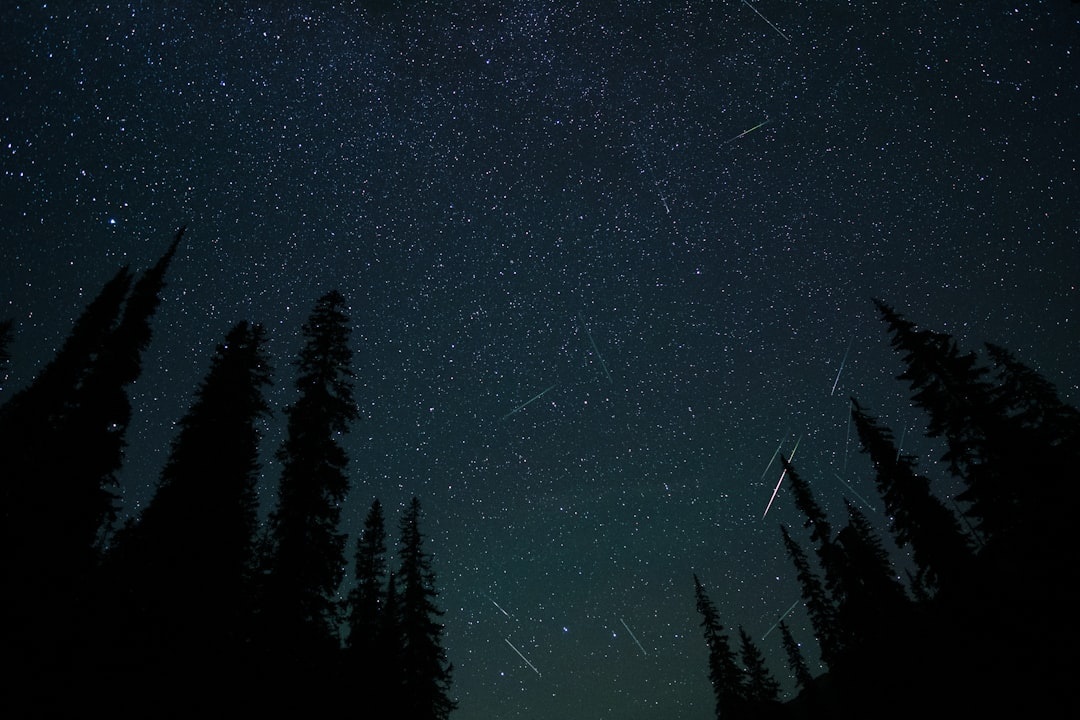
Every stray beam increases foreground contrast and forces heavier editing in Lightroom or Capture One. Blown highlights and color casts are harder to recover than slightly underexposed shadows.
Late September dramatically reduces incidental human light. It’s not remote Iceland—but it’s close enough for clean compositions.
7. If You’re Locked Into August: Damage Control
School holidays and fixed PTO don’t always allow flexibility. If August is your only option:
- Arrive by 4–5pm to secure parking at Tre Cime or Passo Giau.
- Book rifugio stays (€60–€120 per person with half board) to avoid night driving.
- Choose east‑facing compositions to minimize residual twilight.
- Shoot multiple shorter exposures and stack rather than pushing extreme ISO.
- Use a red headlamp—and keep it on red mode.
And expect to delete a significant percentage of your frames due to light interference.
8. Why Late September New Moons Are the Sweet Spot
In 2026, new moons fall around September 8–10 and again September 29–30. Those windows offer ideal conditions.
You get:
- 10+ hours of usable darkness
- Lower accommodation and car rental rates
- Clearer air after autumn fronts
- Fewer tourists and headlamps
- Greater flexibility in composition and timing
Yes, it’s colder—night temperatures can drop to 3–8°C (37–46°F) at 2,000 meters. Bring a down jacket, thin gloves, and spare batteries (cold drains them faster).
If you’re traveling solo for a dedicated photography trip, you’re also tapping into the 2026 rise in skills‑focused solo travel. We explore that trend in our guide to solo travel trends for 2026.
The Verdict: Plan Around the Moon, Not the Hashtag
The Perseids are romantic. The Dolomites are cinematic. Together, they sound unbeatable.
In practice, August delivers peak prices, peak crowds, and unpredictable meteor results.
Late September new moons deliver what serious photographers actually want: darker skies, sharper air, lower costs, and space to work.
If your goal is a lucky meteor snapshot, go in August. If your goal is a portfolio‑worthy Milky Way over limestone spires, book Venice flights for late September, reserve a cheaper rental car, and enjoy the mountains after the frenzy fades.
Chase the galactic core—not the hashtag.
Für Übernachtungen in den Dolomiten lohnt sich ein Blick auf Hotels in den Dolomiten ansehen, damit du nachts ohne Stress zu den besten Spots kommst.
Frequently Asked Questions
When is the best time to photograph the Milky Way in the Dolomites?
Late September during the new moon (around Sept 8–10 and Sept 29–30 in 2026) offers longer darkness, clearer post‑storm air, and fewer tourists than mid‑August.
How much does it cost to access Tre Cime di Lavaredo?
The toll road typically costs €30–€35 ($33–$38) per car in August and drops to €20–€25 ($22–$27) in late September, depending on the season and weather.
Is the Perseids meteor shower worth photographing in the Dolomites?
It’s memorable as an experience, but challenging for serious astrophotography due to crowds, haze, and unpredictable meteor placement within your composition.
How cold is it at night in the Dolomites in September?
Expect 3–8°C (37–46°F) at 2,000 meters in late September. Bring insulated layers and spare batteries, as cold conditions reduce battery life.
What’s the closest airport to the Dolomites for photographers?
Venice Marco Polo (VCE) is the most practical international gateway, about 160 km (2 hours by car) from Cortina d’Ampezzo. Innsbruck (INN) in Austria is another option, roughly 2.5 hours away.

About the Author: Tomáš Bzirský
Founder and editor of Distratech. Based in the Czech Republic, travelling regularly from Central Europe. Writes practical travel guides and travel-tech comparisons (eSIM, apps, airports) in six languages.