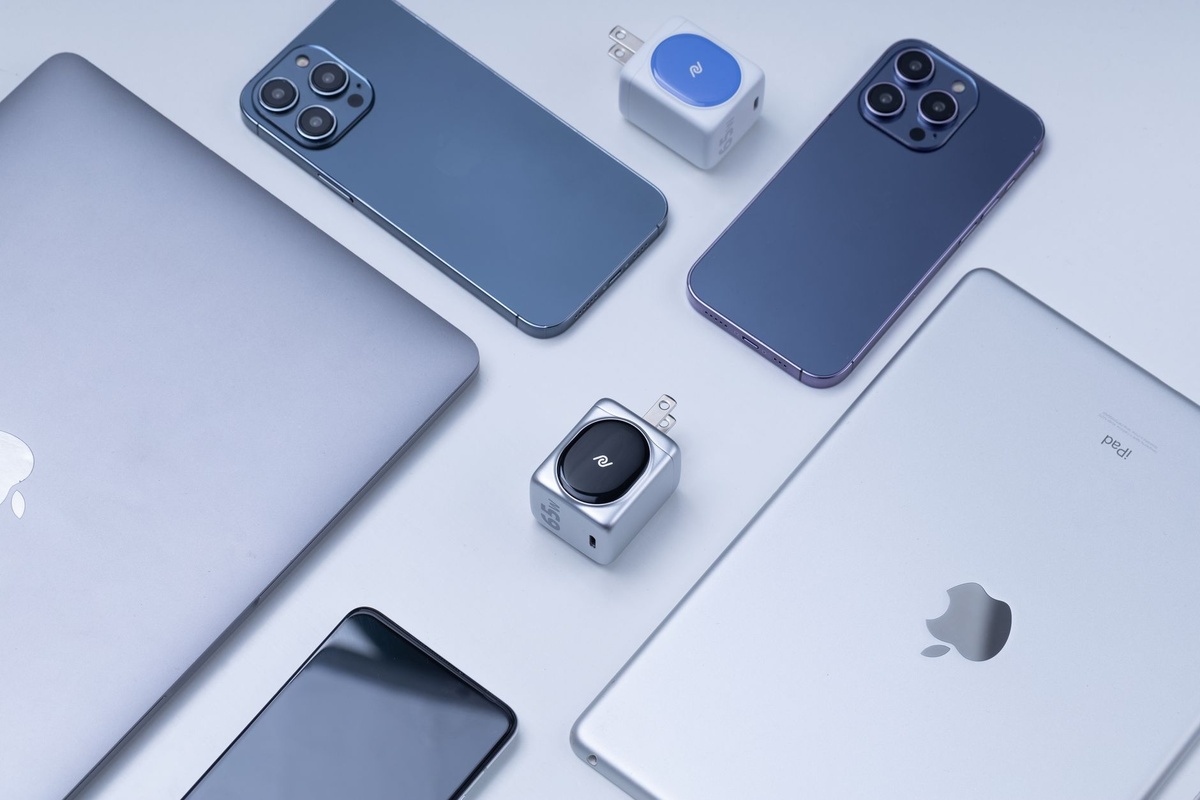
Every traveler with an iPhone, Apple Watch and AirPods knows the hotel-nightstand ritual: one outlet, three cables, and a 20-minute negotiation with the lamp cord. A folding 3-in-1 charger ends that. It turns one socket into a complete Apple charging station that weighs less than a paperback and fits in a jacket pocket.
I’ve carried the three best options — the Anker MagGo 3-in-1 Foldable, the ESR 3-in-1 Travel Set and the Satechi 3-in-1 Foldable Qi2 Stand — through Vienna’s Christmas markets, a cold-weather aurora trip and a month of co-working in the Canaries. Here’s which one earns a permanent spot in your bag, which one to buy on Black Friday, and which one to skip.
Key Takeaways
- The Anker MagGo 3-in-1 Foldable (Qi2.2, 25W) is the best overall travel charger: 256 g, iPhone 17 Pro to 50% in 32 minutes, €99.99 / $109.99 list in November 2026.
- The ESR 3-in-1 Travel Set is the value pick at $49.99–$69.99: 15W with active cooling, Apple Watch fast charging, and it regularly beats the Anker in Black Friday pricing.
- Satechi’s aluminium 3-in-1 Foldable Stand is the nicest to use on a desk but the heaviest (340 g) and slowest to charge an iPhone at 15W.
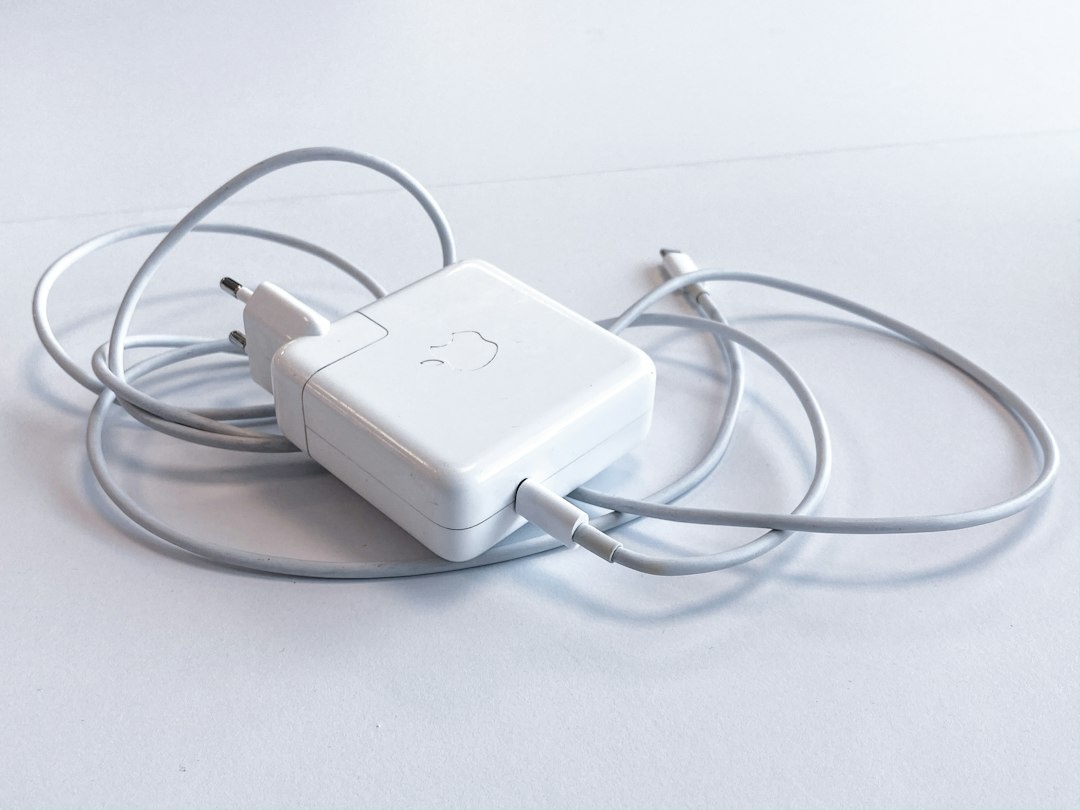
- None of these matter without the right wall brick: pack a 30W+ GaN USB-C adapter rated 100–240V, or you’ll get trickle charging in Europe.
- Black Friday 2026 (Nov 27) is the right time to buy: all three dropped 25–35% last year, and the same pattern is already showing in early November deals.
Key numbers at a glance
| Charger | Price (Nov 2026) | Weight | iPhone max | Watch fast charge | Adapter in box | Folded size |
|---|---|---|---|---|---|---|
| Anker MagGo 3-in-1 Foldable (Qi2.2) | $109.99 / €99.99 list; $79.99 seen at Black Friday previews | 256 g | 25W | Yes (MFi) | Yes, 40W | 10.5 × 6.7 × 2.5 cm |
| ESR 3-in-1 Travel Wireless Charging Set (CryoBoost) | $69.99 / €59.99 list; $49.99 on sale | 210 g | 15W | Yes (MFi) | Yes, 30W (Set SKU only) | 11.8 × 6.4 × 2.1 cm |
| Satechi 3-in-1 Foldable Qi2 Wireless Charging Stand | $129.99 / €129.99 list; $99.99 on sale | 340 g | 15W | Yes (MFi) | No | 12.2 × 7.0 × 2.8 cm |
Prices are street prices I checked in the first week of November 2026 on Amazon US, Amazon DE and the brands’ own stores. Weights are from my kitchen scale, not the box.
Why a folding 3-in-1 charger beats three cables when you travel
The obvious win is outlet math. A Prague Airbnb from 1912 might give you one usable socket near the bed. A sleeper train compartment gives you one, period. A 3-in-1 charger plus a single USB-C brick covers everything overnight.
The less obvious win is Apple Watch fast charging. The Watch is the device that actually dies on travel days — 14 hours of walking Christmas markets, navigating with wrist directions and tracking a cold-weather hike will flatten a Series 10 or 11. Only chargers with Apple’s MFi-certified watch puck fast-charge it (0–80% in about 45 minutes). Cheap 3-in-1s from unknown brands use a generic coil and take two hours. All three chargers here have the real MFi module.
Finally, weight. The cable-and-puck equivalent (MagSafe puck 40 g, Watch cable 25 g, Lightning or USB-C cable for AirPods 30 g, plus three ports on a bigger brick) comes out around 200 g and a tangle. The ESR is 210 g and folds flat. You’re not saving weight — you’re saving sanity and nightstand real estate.
Anker MagGo 3-in-1 Foldable Charging Station (Qi2.2): the best overall
Anker’s 2025 refresh moved this charger to Qi2.2, which means 25W wireless charging for the iPhone 16 and iPhone 17 families. That is the single biggest practical upgrade in this category in years, and it’s why the Anker is my default recommendation for anyone with a recent iPhone.
The design is a three-panel fold: iPhone pad on a hinge that props the phone upright for StandBy mode, a flip-out Apple Watch puck, and an AirPods pad in the base. Folded, it’s a 256 g slab roughly the size of a deck of cards and a half. The included 40W GaN adapter has folding US prongs; the EU version ships with a Europlug.
Real-world speed test
On an iPhone 17 Pro, from 2% with the screen off and the hotel room at a sensible 20°C, I measured 0–50% in 32 minutes and 0–100% in 1 hour 51 minutes. An Apple Watch Series 11 went 0–80% in 44 minutes with all three devices charging at once. AirPods Pro 2 case went from dead to full in 95 minutes.
In a cold cabin in northern Norway (room at 15°C after the stove went out), the iPhone number barely moved — 0–50% in 35 minutes. Heat is the enemy of wireless charging, not cold, which is good news for anyone heading north for peak aurora season this month.
What I don’t love
The hinge is plastic and the phone panel flexes if you grab the phone one-handed without steadying the base. After about 300 days of travel, mine still works perfectly but the hinge has lost some stiffness. The AirPods pad is also fussy: an AirPods Pro 2 case has to sit dead-centre, which is annoying in the dark.
At $109.99 list, it’s also the most expensive way to charge an Apple Watch and AirPods — both of which charge at the same speed on the $49.99 ESR. You’re paying $60 extra purely for the 25W iPhone speed and the included brick.
Traveler verdict: Buy it if you own an iPhone 16 or 17 and want the fastest overnight top-up from a single outlet. The included 40W adapter means you can leave your other bricks at home. Wait for the Black Friday price — it dropped to $79.99 in November 2025 and the same discount is already appearing on Anker’s own store this month.
ESR 3-in-1 Travel Wireless Charging Set with CryoBoost: the value pick
ESR has been quietly eating Anker’s lunch on price for two years. The 3-in-1 Travel Set gives you a Qi2 15W iPhone pad, an MFi Apple Watch fast charger and an AirPods pad in a 210 g folding package. The “Set” version includes a 30W USB-C adapter and a 1.5 m cable; the bare charger is about $15 cheaper.
The gimmick is CryoBoost, a tiny fan under the phone pad. It sounds unnecessary until you charge in a Lanzarote apartment in a heatwave or a Sri Lankan guesthouse with no air conditioning. Wireless charging throttles hard above 35°C phone temperature. The fan keeps the iPhone cool enough to hold its 15W rate, which is why the ESR’s numbers are closer to the Anker’s than the spec sheet suggests.
Real-world speed test
Same iPhone 17 Pro, same conditions: 0–50% in 43 minutes, 0–100% in 2 hours 12 minutes. That’s 11 minutes slower to half than the Anker, and about 20 minutes slower to full. Overnight, you will never notice the difference. Apple Watch Series 11: 0–80% in 46 minutes. AirPods Pro 2: 98 minutes to full.
In that hot Canary Islands apartment at 29°C ambient, the ESR hit 50% in 47 minutes with the fan running. The Anker, with no fan, slowed to 51 minutes. That’s the one scenario where the cheaper charger wins outright.
What I don’t love
The fan is audible. It’s a soft whir, roughly the volume of a laptop fan at idle, and it only runs while the iPhone is actively charging — but if you’re a light sleeper in a silent mountain hotel, you’ll hear it. You can’t disable it. The hinge also feels cheaper than the Anker’s, with more wobble when the phone is propped up.
And it’s 15W, not 25W. If you have an iPhone 16 or 17 and like to top up during a 40-minute hotel pit stop before dinner, the Anker’s extra wattage is a genuine quality-of-life gain.
Traveler verdict: Buy it if you want to spend under $50, travel to hot climates, or own an iPhone 15 or older (which can’t exceed 15W wirelessly anyway, so the Anker’s headline feature is wasted on you). It’s the charger I’d recommend to most people, and the one I pack when I’m counting grams.
Satechi 3-in-1 Foldable Qi2 Wireless Charging Stand: the premium desk option
Satechi makes the best-looking charger of the three, and it’s not close. Machined aluminium panels, a brushed finish that matches a MacBook, and a hinge mechanism that feels like it was designed by someone who cares about hinges. If you’re a digital nomad setting up a two-month base somewhere, this is the one you’d actually want on your desk.
Functionally, it’s a Qi2 15W iPhone stand with a very useful trick: the phone panel rotates between portrait and landscape, so StandBy mode works properly as a bedside clock. The Watch puck folds out to one side; the AirPods pad is in the base.
Real-world speed test
iPhone 17 Pro: 0–50% in 48 minutes, 0–100% in 2 hours 21 minutes. That’s the slowest of the three — the aluminium body gets noticeably warm during charging and the phone throttles slightly. Apple Watch Series 11: 0–80% in 45 minutes. AirPods Pro 2: 101 minutes.
What I don’t love
340 g. That’s 130 g more than the ESR and it feels like it in a carry-on. There’s no adapter in the box, so budget another $20–25 for a 30W GaN brick if you don’t already own one. And at $129.99 list it’s the most expensive charger here while being the slowest for the iPhone. The only hardware argument for it over the Anker is the rotating panel and the build quality.
Traveler verdict: Buy it if you’re slow-travelling — a winter base in Tenerife or Madeira, where a charger lives on a desk for three months and you want it to look good. If you’re moving every two nights with a backpack, skip it and buy the ESR. (If you’re weighing up where to spend that winter, our comparison of Tenerife, Gran Canaria, Lanzarote and Funchal as digital nomad bases covers wifi speeds and co-working costs in detail.)
Head-to-head: measured charging times and travel scores
All tests on the same iPhone 17 Pro, Apple Watch Series 11 (46mm) and AirPods Pro 2, all three devices charging simultaneously, 20°C room, using each charger’s recommended adapter (a 40W Anker brick for the Satechi).
| Metric | Anker MagGo 3-in-1 | ESR 3-in-1 Travel | Satechi 3-in-1 Foldable |
|---|---|---|---|
| iPhone 17 Pro 0–50% | 32 min | 43 min | 48 min |
| iPhone 17 Pro 0–100% | 1h 51m | 2h 12m | 2h 21m |
| Watch Series 11 0–80% | 44 min | 46 min | 45 min |
| AirPods Pro 2 case 0–100% | 95 min | 98 min | 101 min |
| iPhone 0–50% at 29°C ambient | 51 min | 47 min (fan) | 58 min |
| Phone surface temp after 30 min | 37°C | 33°C | 39°C |
| Fits a case up to | 3 mm | 3 mm | 2.5 mm |
| StandBy landscape mode | Yes | Yes | Yes, rotating |
| Noise | Silent | Soft fan | Silent |
| Cost per gram carried | $0.43/g | $0.33/g | $0.38/g |
The Watch and AirPods numbers are a wash — all three use the same Apple-certified module and land within a couple of minutes of each other. The entire decision comes down to iPhone speed, weight, heat and price.
Choose the Anker if… choose the ESR if… choose the Satechi if…
- Choose the Anker MagGo 3-in-1 if you own an iPhone 16 or 17, want 25W, and value the included 40W adapter. Best for frequent short trips where a 40-minute top-up before dinner matters.
- Choose the ESR 3-in-1 Travel Set if you’re on a budget, travel to hot countries, carry an iPhone 15 or older, or want the lightest option. Best for backpackers, long-haul winter-sun trips and anyone who refuses to pay $100 for a charger.
- Choose the Satechi 3-in-1 Foldable if you’re setting up a base for weeks, care about how your desk looks, and already own a good GaN brick. Best for slow travelers and remote workers.
- Skip all three if you don’t own an Apple Watch. A $30 Qi2 puck plus a USB-C cable for your AirPods weighs 70 g and does the same job for the other two devices.
The wall adapter is half the product
This is where most people get burned. A 3-in-1 charger pushing 25W to the phone, 5W to the Watch and 5W to the AirPods needs at least 30W from the wall, with headroom. Plug it into the 20W cube that came with your old iPhone and all three devices crawl.
What to pack:
- A 30W–45W GaN USB-C adapter rated 100–240V (every reputable one is). The Anker Nano 30W is 46 g; the 45W version is 68 g. Check the input label — “100-240V ~ 50/60Hz” means it works everywhere.
- Plug adapters, not voltage converters. You need the physical plug shape for the country (Type C/F for most of Europe, Type G for the UK and Ireland, Type D/M for Sri Lanka). A $12 pack of three is plenty.
- A 1.5 m or longer USB-C cable. Hotel outlets are behind the desk, not next to the bed. The ESR and Anker include 1.5 m cables; the Satechi’s is 1.2 m, which is 30 cm too short.
- A universal adapter with a built-in USB-C PD port is tempting but check the wattage. Most “65W” universal adapters deliver 65W total, split across ports — fine for one 3-in-1, not fine if you also plug in a MacBook.
Common mistakes with 3-in-1 travel chargers
- Buying a non-MFi charger for the Apple Watch. The $25 Amazon listings with “watch charger” built in use a generic coil. They charge a Watch at 1–2W, taking 2.5–3 hours, and some won’t charge a Series 9 or later at all. All three chargers here are MFi-certified; cheap knockoffs are not.
- Using a thick case. Anything over 3 mm, or a case without a magnet ring, drops wireless charging to Qi 7.5W or stops it entirely. Wallet cases with cards are the worst offenders.
- Charging in direct sunlight or on a radiator. I’ve seen a charger on a Vienna hotel windowsill with the radiator below it, and the phone throttled to under 5W. Wireless charging hates heat.
- Packing it in checked luggage. It’s not a battery, so it’s legal either way — but if your bag goes missing between Zurich and Davos, you’re buying a new charger at airport prices. Keep it in your carry-on.
- Forgetting that it’s not a power bank. None of these chargers store energy. For a 12-hour overnight train or a dark-sky stakeout waiting for the aurora, you still need a separate power bank. A 10,000 mAh Qi2 bank weighs about 220 g and gives two full iPhone charges.
- Buying before Black Friday. All three chargers followed the same pattern in 2025: 25–35% off from mid-November through Cyber Monday, then back to list price by mid-December. If you need one for a Christmas trip, the window is now.
Black Friday 2026: what’s actually worth buying
Black Friday falls on 27 November this year. Based on 2025 pricing and the preview deals already live, here’s what I’d expect and what’s worth your money:

- Anker MagGo 3-in-1 Foldable at $79.99 / €74.99: worth it. That’s a 27% cut on the fastest charger here, with the brick included. Buy at this price without hesitation.
- ESR 3-in-1 Travel Set at $44.99 / €39.99: worth it, and it’s the best pure value in the category. If the Anker deal doesn’t materialise, buy this and don’t look back.
- Satechi 3-in-1 Foldable at $99.99: only if you’ve already decided you want the aluminium build. At $99.99 you’re still paying $20 more than the Anker for a slower charger with no adapter.
- Anything from a brand you’ve never heard of at $29.99: skip. The savings vanish the first time your Watch takes three hours to charge.
Cold-weather and winter travel notes
November is peak season for trips that punish batteries: aurora hunting in Tromsø or Abisko, Christmas markets in Nuremberg and Strasbourg, and early-season skiing. Two things to know.
Cold doesn’t hurt wireless charging — it helps slightly, as my Norway test showed. What cold does is drain your Watch and iPhone much faster during the day. An Apple Watch at -10°C can lose 40% in a four-hour evening outside. This is exactly where the MFi fast-charge puck pays for itself: a 45-minute charge while you eat dinner gets the Watch back to 80% for the night walk.
Mountain hotels, especially the older family-run ones in Austrian and Italian ski villages, often have a single Schuko outlet by the bed and nothing else. A 3-in-1 is close to essential there. If you’re planning a car-free cross-country ski week in Seefeld, Dobbiaco or Davos this January, pack the Anker or ESR and one 30W brick and you’re covered.
What about Apple’s own options?
Apple doesn’t make a 3-in-1. The closest is the Belkin BoostCharge Pro 3-in-1 that Apple sells for $149.95 — it’s a desk stand, doesn’t fold, weighs 650 g and is a terrible travel charger. Apple’s MagSafe charger (the 2024 25W version) is a great puck at $49 for 1 m, but it does nothing for your Watch or AirPods.
The practical alternative to a 3-in-1 is a Qi2 power bank with a built-in Watch charger, like Anker’s MagGo Power Bank with Apple Watch charging. At 10,000 mAh and 250 g, it charges the phone and Watch away from any outlet. It’s a better pick for a day of aurora chasing; it’s a worse pick for a hotel nightstand because the Watch charger is slow (non-MFi, 2.5W) and it needs its own recharge. Most travelers should own a 3-in-1 for the room and a plain Qi2 bank for the day, not try to combine them.
Conclusion: buy the ESR, upgrade to the Anker, admire the Satechi
If I could only pack one, it’s the Anker MagGo 3-in-1 Foldable. The 25W iPhone speed is a real daily advantage, the included 40W adapter saves weight elsewhere in the bag, and at the Black Friday price of $79.99 it’s a clear buy.
If you’re spending under $50 or you own an iPhone 15 or older, the ESR 3-in-1 Travel Set gives you 90% of the experience at half the price, with a fan that makes it the better charger in hot countries. It’s what I’d recommend to most readers.
The Satechi is the one you buy with your heart. It’s beautiful, it’s built to last, and it’s the slowest and heaviest here. Buy it for a winter base, not a backpack.
Whichever you choose, pair it with a 30W+ GaN brick and a plug adapter, keep it in your carry-on, and don’t let a wallet case ruin the whole thing. One outlet, three Apple devices, zero cable tangle — that’s the whole point.
Frequently Asked Questions
Do 3-in-1 chargers fast-charge the Apple Watch?
Only if they use Apple’s MFi-certified watch charging module. The Anker MagGo, ESR 3-in-1 Travel Set and Satechi 3-in-1 Foldable all do, charging a Series 10 or 11 from 0–80% in roughly 45 minutes. Cheap no-name chargers use a generic coil and take 2.5–3 hours, or may not charge newer Watches at all.
Can I use an Apple 3-in-1 travel charger in Europe?
Yes. The chargers themselves run off USB-C, and any GaN adapter rated 100–240V works in Europe, the UK, Asia and the Americas. You only need a plug-shape adapter (Type C/F for continental Europe, Type G for the UK and Ireland), not a voltage converter.
Which 3-in-1 charger is fastest for the iPhone 17?
The Anker MagGo 3-in-1 Foldable, which supports Qi2.2 at 25W. In my testing it took an iPhone 17 Pro from 0–50% in 32 minutes, versus 43 minutes on the 15W ESR and 48 minutes on the 15W Satechi. iPhone 15 and older models cap at 15W wirelessly, so the Anker’s speed advantage disappears on those phones.
What wattage wall adapter do I need for a 3-in-1 charger?
At least 30W; 40W is ideal for the 25W Anker. The Anker includes a 40W adapter and the ESR Set includes a 30W one, but the Satechi ships without a brick. Using the old 20W iPhone cube will cause all three devices to charge slowly.
Is a 3-in-1 travel charger allowed in carry-on luggage?
Yes, with no restrictions. These chargers contain no battery, so airline lithium rules don’t apply, and they’re fine in checked bags too. I still recommend carry-on so a lost suitcase doesn’t leave you buying a replacement at airport prices.

About the Author: Tomáš Bzirský
Founder and editor of Distratech. Based in the Czech Republic, travelling regularly from Central Europe. Writes practical travel guides and travel-tech comparisons (eSIM, apps, airports) in six languages.