It’s August 2026. Flights to Barcelona are packed, Iceland is heaving with road-trippers chasing waterfalls, and parents everywhere are juggling airport queues and kids asking for Wi‑Fi passwords.
If you’re traveling as a family of four this late summer — maybe squeezing in a Mediterranean trip before school starts or planning a smarter, quieter September escape — switching to eSIMs is the easiest way to stay connected without hunting for plastic SIM cards at arrivals.
Key Takeaways
- Expect to pay $8–$20 per person for 5–10GB of Europe data valid 7–30 days via providers like Airalo or Holafly.
- Setup takes 5–10 minutes per phone using a QR code or in-app install on iPhone (XR and newer) and most Android flagships.
- A family of four can save $60–$120 vs airport SIM cards and eliminate four pieces of plastic waste.
- Install and test eSIMs at home over Wi‑Fi before departure to avoid airport stress.
Why eSIM Is the Smart Move for Families in 2026
A physical SIM at a European airport typically costs €25–€40 ($27–$44) for 10–20GB. Multiply that by four people and you’re at $160 fast.
By comparison, an eSIM for Europe from Airalo runs about $13 for 5GB/30 days or $20 for 10GB. Holafly offers unlimited Europe data for $29 for 7 days. For a family of four on a 10‑day trip, you’re realistically looking at $52–$116 total.
That’s cheaper than one airport taxi from Rome Fiumicino to Trastevere (€55 flat rate, 30–40 minutes) — and it avoids four tiny plastic cards that will end up in a drawer or landfill.
It’s also safer. Kids get data instantly when you land, so you can track them via Find My or Google Family Link at crowded events like the Edinburgh Fringe or La Tomatina.
Step 1: Check If All Four Phones Are eSIM-Compatible
Do this a week before departure — not in the Uber to the airport.
iPhone (Apple)
- iPhone XR, XS, 11, 12, 13, 14, 15, and 16 models support eSIM.
- In the U.S., iPhone 14 and newer are eSIM-only (no SIM tray).
- Go to Settings → Cellular → Add eSIM to confirm.
Android
- Google Pixel 4 and newer
- Samsung Galaxy S20 and newer
- Galaxy Z Fold/Flip models (including the 2026 Fold8/Flip8 line — see our Fold8 vs Flip8 comparison if you’re upgrading before your trip)
On Android: Settings → Network & Internet → SIMs → Add eSIM.
Quick comparison:
| Device | eSIM Support | Dual SIM? |
|---|---|---|
| iPhone 16 | Yes (eSIM only in US) | Yes (2 eSIMs active) |
| Samsung S25 | Yes | Yes (1 physical + 1 eSIM) |
| Pixel 9 | Yes | Yes |
| Older iPhone 8 | No | No |
If one child has an older phone without eSIM support, upgrading to a refurbished iPhone 13 (~$399 on BackMarket) can still be cheaper long-term than paying $10/day roaming fees.
Step 2: Choose the Right Data Plan for a Family of Four
Don’t buy four identical plans blindly. Parents typically use more data (maps, bookings, restaurant searches), kids mostly use messaging, Spotify, and light TikTok.
Here’s a realistic 10-day Europe breakdown:
- Parent 1 (navigation + hotspot backup): 10GB
- Parent 2: 5–10GB
- Teen: 5GB
- Pre-teen: 3–5GB
Streaming Netflix over cellular will burn 1GB per hour. Tell your kids to download shows on hotel Wi‑Fi instead.
Best eSIM Providers (2026)
Airalo (airalo.com)
5GB Europe (30 days): ~$13
10GB Europe (30 days): ~$20
Holafly (holafly.com)
Unlimited Europe (7 days): ~$29
Unlimited Europe (15 days): ~$47
Nomad (getnomad.app)
10GB Europe (30 days): ~$18
For most families, mixing plans works best. Example:
- 2 × 10GB plans ($20 each)
- 2 × 5GB plans ($13 each)
Total: $66 for the whole family.
Compare that to Verizon TravelPass at $10 per line per day. For 10 days:
$10 × 4 people × 10 days = $400.
That’s a $334 difference — enough for four tickets to Park Güell (€10 each) plus a proper tapas dinner in Gràcia.
Step 3: Install the eSIM (iPhone Step‑by‑Step)
Do this at home on stable Wi‑Fi. Installation takes 3–5 minutes.
- Buy your plan via provider app or website.
- You’ll receive a QR code or in-app install option.
- On iPhone: Settings → Cellular → Add eSIM.
- Select Use QR Code (or direct install).
- Label it “Europe Trip 2026.”
- Set as Secondary line for data only.
Keep your primary number active for iMessage and WhatsApp verification.
Before departure, toggle the new eSIM off. Turn it on when the plane lands and switch Cellular Data to the travel eSIM.
Time comparison:
- eSIM setup at home: 5 minutes.
- Buying SIM at airport kiosk in Rome in August: 20–45 minutes in line.
Step 4: Install the eSIM (Android Step‑by‑Step)
Android menus vary slightly by brand, but the flow is similar.
- Purchase your eSIM plan.
- Open Settings → Network & Internet → SIMs.
- Tap Add eSIM.
- Scan QR code or enter activation code.
- Set it as preferred data SIM.
On Samsung Galaxy devices, go to Settings → Connections → SIM Manager.
Pro tip: Disable “Data Roaming” on your primary SIM to avoid accidental $100 surprise charges.
Step 5: Set Parental Controls and Data Limits
Kids will burn through 5GB faster than you think if TikTok auto-plays over cellular.
On iPhone
- Settings → Cellular → Select eSIM → Turn on Low Data Mode
- Settings → Screen Time → App Limits
On Android
- Settings → Network → Data Usage → Set Data Warning (e.g., 4.5GB)
- Enable Data Saver mode
Example: Set a 4.5GB warning on a 5GB plan. When your teen hits the limit in day 7 of a 10‑day trip, you can top up for $5–$10 instead of buying a whole new plan.
Environmental Impact: Is eSIM Actually Greener?
A standard SIM card weighs about 0.5 grams including packaging. That sounds tiny — until you multiply it by millions of travelers every summer.
For your family of four, that’s four plastic cards plus packaging avoided per trip.
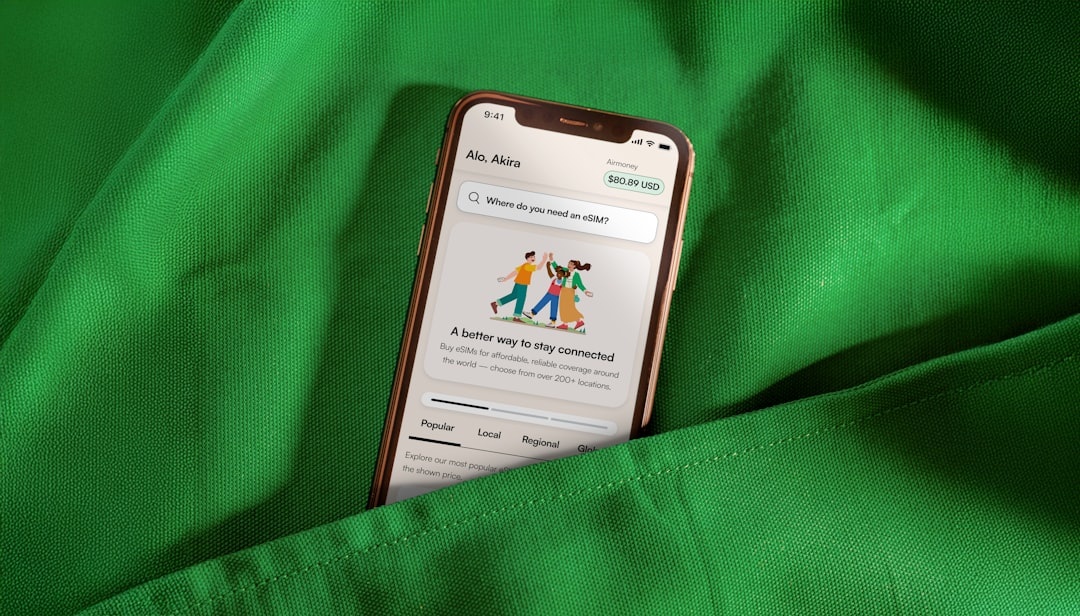
More importantly, eSIM reduces shipping, retail packaging, and airport distribution logistics. It’s not a climate silver bullet, but it’s a practical micro-change — especially if you travel 2–3 times per year.
If you’re raising globally aware kids — the same generation driving the independence trends we’re seeing in 2026’s solo travel movement — this is an easy sustainability win.
August vs September Travel: Data Strategy Tips
August in southern Europe means 40°C (104°F) days in Seville and Athens. You’ll rely heavily on Google Maps to find shade, indoor museums, and air-conditioned cafés.
September, on the other hand, is the contrarian sweet spot. Barcelona drops to 26°C (79°F), crowds thin after La Tomatina (last Wednesday of August), and you’ll use less data simply because you’re not constantly re-routing around heat exhaustion.
In northern Europe — say Iceland or the Azores for whale watching — coverage is excellent in cities but patchy in rural fjords. Download offline maps before driving the Ring Road (Route 1 is 1,332 km / 828 miles).
If you’re road-tripping, treat your data planning like campsite Wi‑Fi strategy — similar logic to what we outline in our September van life guide for the Pacific Northwest.
Common Mistakes Families Make (And How to Avoid Them)
- Installing at the airport: Bad Wi‑Fi + tired kids = mistakes. Do it at home.
- Buying unlimited for everyone: Overkill. Mix data tiers instead.
- Forgetting to label SIMs: Name them clearly to avoid confusion.
- Not checking coverage maps: Rural Scotland ≠ central Paris.
- Leaving primary roaming on: Double charges happen fast.
Skip airport kiosks entirely unless you need a local phone number for business. For most families, data-only eSIM is enough.
Final Thoughts: A Small Tech Shift That Makes Family Travel Smoother
Four phones. One flight. Zero plastic SIM cards.
Setting up eSIMs before your trip takes under 30 minutes total for a family of four. It can save you $300+, eliminate airport stress, and keep your kids connected safely from touchdown to takeoff.
If you’re planning a late-summer dash to Europe or eyeing a smarter September escape, handle your connectivity now — then focus on booking that seaside hotel instead.
And if you’ve upgraded your devices recently, double-check your model supports dual eSIM so you can travel even lighter next time.
Connected kids. Lower costs. Less waste. That’s a travel win.
Frequently Asked Questions
How much does an eSIM cost for a family of four in Europe?
Expect $60–$120 total for 7–15 days using mixed 5GB and 10GB plans from providers like Airalo or Nomad. That’s significantly cheaper than $400+ for U.S. carrier roaming at $10 per line per day.
Can kids use eSIM on their phones?
Yes, as long as the phone supports eSIM (iPhone XR or newer, most recent Samsung and Pixel models). Parents should set data warnings and enable Low Data or Data Saver mode to avoid overages.
Is eSIM better than buying a SIM card at the airport?
In most cases, yes. Airport SIMs in Europe cost €25–€40 and require waiting in line, while eSIMs cost $13–$20 and install in under 5 minutes at home.
Do I need unlimited data for a 10-day trip?
Usually no. 5–10GB per person is enough for maps, messaging, and light social media if you avoid video streaming on cellular data.

About the Author: Tomáš Bzirský
Founder and editor of Distratech. Based in the Czech Republic, travelling regularly from Central Europe. Writes practical travel guides and travel-tech comparisons (eSIM, apps, airports) in six languages.