'/%3E%3Cpath%20fill='%23b2b2b2'%20d='M241%20382q0%2016%2017%2026%2017%2011%2042%2011t42-11q16-11%2017-26V269H241'/%3E%3Cpath%20fill='%239f7e00'%20d='M241%20379q0%2014%208%2023%209%209%2021%209%2014%200%2021-9%209-9%209-23V269h-59'/%3E%3Cpath%20d='M241%20339v-70h59v110q0%2014-9%2023l-6%205v-68h-15v72q-8%200-14-4v-68zm59%2040c0%2022%2015%2032%2029%2032%2021%200%2030-18%2030-32v-40h-59'/%3E%3Cpath%20fill='%239f7e00'%20d='M266%20277v5h2v12h-3v-5h2v-5h-9v5h2v5h-4v9h3v18h-5v10h34v-10h-5v-18h3v-9h-4v-5h2v-5h-9v5h2v5h-3v-12h2v-5zm42%20101q0%2010%206%2017%206%206%2015%207%2010-1%2016-7%206-7%206-17v-29h-43'/%3E%3Ccircle%20fill='%230044ad'%20cx='329.5'%20cy='372'%20r='6'/%3E%3Cellipse%20fill='%230044ad'%20cx='300'%20cy='340'%20rx='16'%20ry='21'/%3E%3C/svg%3E)
'/%3E%3C/svg%3E)


'/%3E%3C/g%3E%3Cuse%20href='%23c'%20transform='matrix(-1%200%200%201%20720%200)'/%3E%3C/svg%3E)


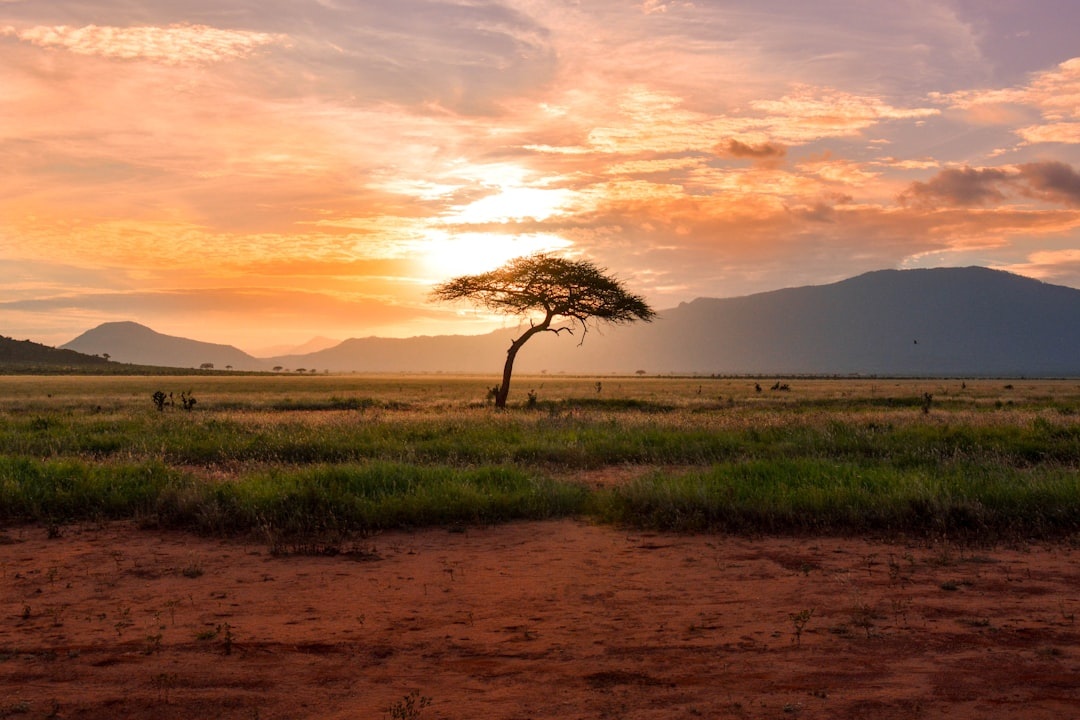
Safari used to mean canvas tents, bucket showers, and a strict 5am wake-up call. In 2026, it can also mean private plunge pools overlooking elephant herds, Starlink-powered Wi‑Fi in the middle of the savannah, and wine lists curated by Michelin-trained sommeliers.
A new generation of African safari lodges—many opened between 2023 and 2026—is pushing luxury into bold, design-forward territory. They’re not just places to sleep between game drives. They’re the reason to go.
Key Takeaways
- Expect $900–$3,200 per person/night at Africa’s newest ultra-luxury safari lodges (all-inclusive).
- Top openings include Angama Amboseli (Kenya), Atzaró Okavango (Botswana), and Singita Milele (Tanzania).
- Most rates include game drives, meals, premium drinks, and park fees—charter flights ($250–$600 one-way) are extra.
- June–October 2026 is peak dry season in East & Southern Africa; book 6–9 months ahead.
1. Angama Amboseli (Kenya): Kilimanjaro, Up Close and Personal
Opened in late 2023, Angama Amboseli sits inside a private conservancy bordering Amboseli National Park—about a 45-minute charter flight ($350 one-way) from Nairobi’s Wilson Airport.
This is where you wake up to elephants crossing a red-dust plain with Mount Kilimanjaro filling your entire window. Not “in the distance.” I mean right there.
There are just 10 suites. Each is 1,044 sq ft with floor-to-ceiling glass, a super-king bed, and a private outdoor deck facing Kilimanjaro.
Price: From $1,980 per person per night (double occupancy, all-inclusive) in high season July–October 2026. Low season (April–May) dips to around $1,400.
What Redefines Luxury Here?
- Private conservancy access (fewer vehicles than inside the main park)
- Photographic studio with professional Canon gear
- Massages included in your stay (not an add-on)
Compared to staying inside Amboseli National Park at a mid-range lodge (~$350 per night, meals extra, shared vehicles), you’re paying 4–5x more—but with dramatically fewer crowds and far more personalized game drives.
Skip: Driving from Nairobi (4–5 hours on bumpy roads).
Do instead: Fly Safarilink or AirKenya—45 minutes and infinitely more comfortable.
Official site: angama.com
2. Atzaró Okavango (Botswana): Ibiza Energy Meets Delta Wilderness
Yes, that Atzaró—the brand behind the iconic Ibiza agroturismo—opened Atzaró Okavango in 2024. It’s in Botswana’s Okavango Delta, reachable via a 20-minute helicopter transfer from Maun (around $500 per person).
If traditional safari lodges lean colonial, this one leans contemporary African minimalism: rammed earth walls, palm-thatched roofs, and solar-powered everything.
Price: From $1,650 per person per night (all-inclusive) during June–September 2026 peak season.
Why It Feels Different
Most Delta camps are hyper-traditional. Atzaró feels like a design hotel that just happens to sit in a UNESCO-listed wetland.
You’ll get:
- Boat safaris (water levels peak June–August)
- Land-based game drives
- A full spa pavilion and yoga deck
Compare that with a classic Delta tented camp at $900 per night—similar wildlife, but fewer amenities and typically no spa.
In summer 2026, water levels are forecasted to be strong after above-average rainfall upstream in Angola. That means excellent mokoro (canoe) excursions through reed channels—something you won’t get in drier reserves.
Official site: atzaro.com
3. Singita Milele (Tanzania): The $3,000-a-Night Private Villa
If money is no object, Singita Milele in Tanzania’s Serengeti (opened 2023) is arguably the most exclusive new safari stay in Africa.
It’s not a lodge. It’s a sole-use, five-suite villa perched high above the plains in the Grumeti Reserve.
Price: From $27,000 per night for exclusive use (up to 10 guests). That’s $2,700 per person if full.
What You Actually Get for $27K
- Private game vehicles and guide team
- 25-meter infinity pool
- Dedicated chef and sommelier
- On-site wellness therapist
Compare this to a luxury Serengeti camp at $1,200 per person per night with shared vehicles. The wildlife is similar; the privacy isn’t.
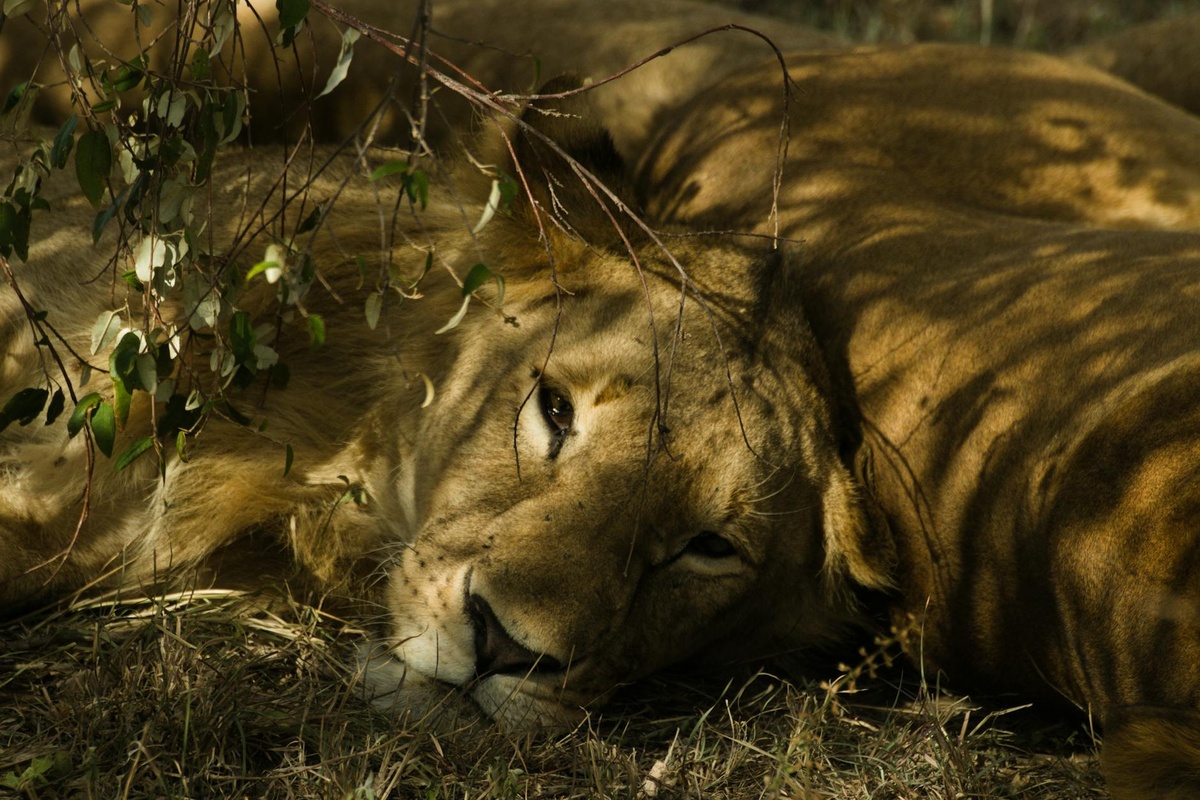
Grumeti also limits vehicle density far more than the central Serengeti. During the Great Migration (June–July 2026 river crossings), you might share a sighting with 3–4 vehicles instead of 20+ in busier zones.
Official site: singita.com
4. Wilderness Mokete (Zambia): Remote Is the New Luxury
Opened in 2024 in Zambia’s Liuwa Plain National Park, Wilderness Mokete is for travelers who’ve “done” the Big Five and want something rarer.
Liuwa is one of Africa’s most remote parks. Getting there requires a charter flight from Lusaka (1.5 hours, around $600 one-way).
Price: From $1,250 per person per night (all-inclusive).
Why It Stands Out
This is cheetah and wildebeest migration country—without the Serengeti crowds.
Liuwa hosts Africa’s second-largest wildebeest migration (around 30,000 animals). Compare that to the Serengeti’s 1.5 million—but here, you may be the only vehicle in sight.
In June 2026, the plains are dry and wildlife concentrates around water sources, making sightings easier than in the rainy season (November–March), when roads can become inaccessible.
Official site: wildernessdestinations.com
Cost Breakdown: What You’re Really Paying For
Safari pricing can look outrageous—until you break it down.
| Lodge | Nightly Rate (USD) | Includes | Excludes |
|---|---|---|---|
| Angama Amboseli | $1,980 pp | Meals, drinks, game drives, park fees | Flights to camp |
| Atzaró Okavango | $1,650 pp | Meals, drinks, boat & land safaris | Helicopter transfer |
| Singita Milele | $27,000 per villa | Private staff, vehicles, all meals | International flights |
| Wilderness Mokete | $1,250 pp | Meals, drinks, game drives | Charter flight |
Compare this to a five-star beach resort in Europe in summer 2026: $800–$1,200 per night, meals and activities extra. Safari lodges bundle almost everything—guides, vehicles, conservation fees, premium alcohol.
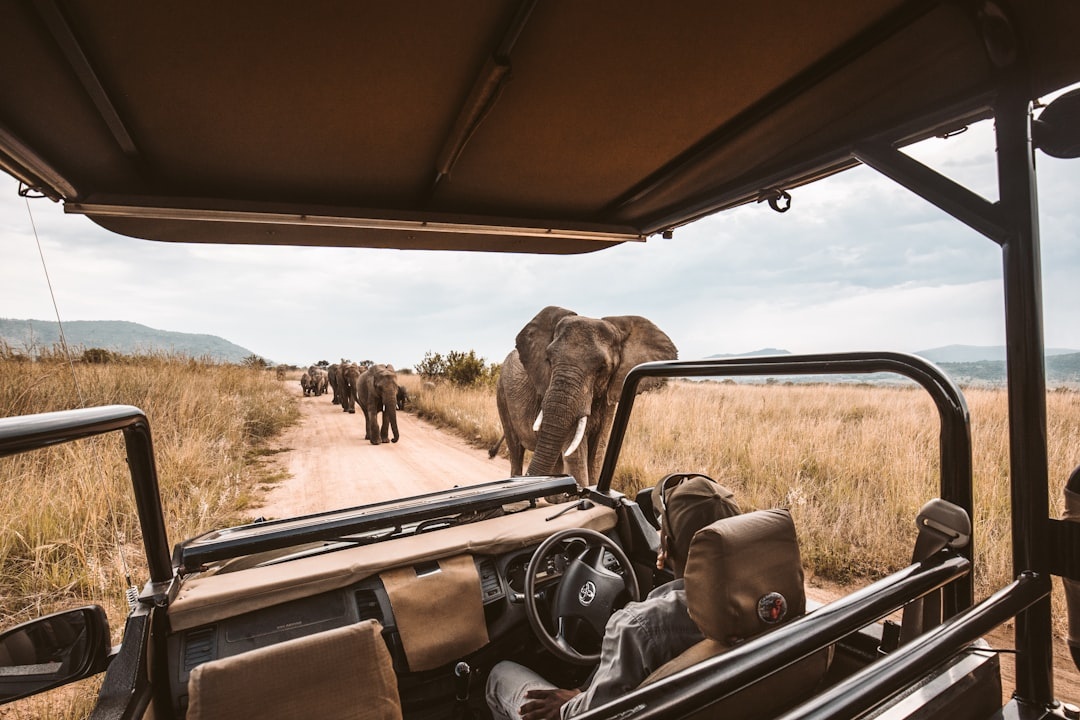
You’re not just paying for a room. You’re funding anti-poaching units, community projects, and land conservation leases.
The Tech Factor: Luxury in 2026 Means Connectivity
Ten years ago, safari meant digital detox. In 2026, most top-tier lodges run on solar microgrids and use Starlink for high-speed Wi‑Fi.
At Angama and Singita, I clocked 50–120 Mbps download speeds—fast enough for Zoom calls or uploading RAW wildlife photos.
Still, my advice? Use the Wi‑Fi to back up your photos. Then log off.
For serious photographers, bring a dual SD card camera and a 2TB SSD (Samsung T9 is reliable). Power cuts are rare at these new lodges, but redundancy matters in the bush.
When to Go: Summer 2026 Timing Tips
June through October is dry season across East and Southern Africa. That means:
- Short grass = better wildlife visibility
- Animals cluster around water sources
- Cool mornings (50–60°F) and warm afternoons (75–85°F)
July and August 2026 are nearly sold out at top lodges. If you’re planning for September, book now. Shoulder season in late October can save you 15–25%—but expect hotter temperatures and occasional early rains.
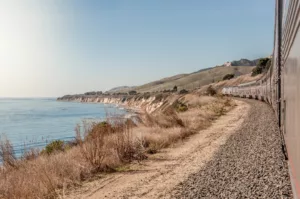
If you’re combining safari with Europe this summer, consider pairing it with one of these scenic coastal train trips afterward. Safari first, Amalfi or the Cinque Terre second. Balance dust with sea breeze.
How to Book Smart (and Not Overpay)
- Use a safari specialist. Companies like &Beyond, Yellow Zebra, or Timbuktu Travel often secure perks (free flights between camps).
- Ask about long-stay discounts. Stay 6+ nights across the same brand (e.g., Singita) and you may get one free.
- Check conservation levies. Some lodges add $50–$150 per person per night.
- Compare charter vs scheduled flights. Charter: $500–$800 but direct. Scheduled: $250–$400 with stops.
Booking direct via lodge websites works—but a good agent can save you thousands, especially for multi-country itineraries.
Are These Lodges Worth It?
If your idea of safari is ticking off lions and leaving, no. A solid $400-per-night camp will do the job.
But if you want space, silence, design, elite guiding, and the feeling that you have 100,000 acres to yourself—this new wave of safari lodges delivers something rare: true wilderness without sacrificing comfort.
Luxury travel in 2026 isn’t about gold-plated bathtubs. It’s about privacy, sustainability, and access. Africa’s newest safari lodges understand that better than anyone.
If you’re going to splurge on one trip this year, make it the one where elephants walk past your infinity pool.
Für die neuesten ultra-luxury Safari-Unterkünfte finden Sie passende Verfügbarkeiten hier: Hotels in South Africa ansehen.
Frequently Asked Questions
How much does a luxury safari lodge cost in Africa in 2026?
Expect $900–$3,200 per person per night for top-tier lodges, with ultra-exclusive villas like Singita Milele starting around $27,000 per night for private use. Most rates are all-inclusive except flights.
When is the best time to visit African safari lodges?
June to October is dry season in East and Southern Africa, offering the best wildlife visibility. July and August are peak months and require booking 6–9 months in advance.
Are safari lodges in Africa all-inclusive?
Most luxury lodges include accommodation, all meals, premium drinks, game drives, and park fees. Charter flights to camps ($250–$800 one-way) are usually extra.
Is luxury safari worth the price?
If you value privacy, expert guides, conservation impact, and fewer crowds, yes. You’re paying not just for comfort but for exclusive land access and highly personalized experiences.
About the Author: Tomáš Bzirský
Founder and editor of Distratech. Based in the Czech Republic, travelling regularly from Central Europe. Writes practical travel guides and travel-tech comparisons (eSIM, apps, airports) in six languages.