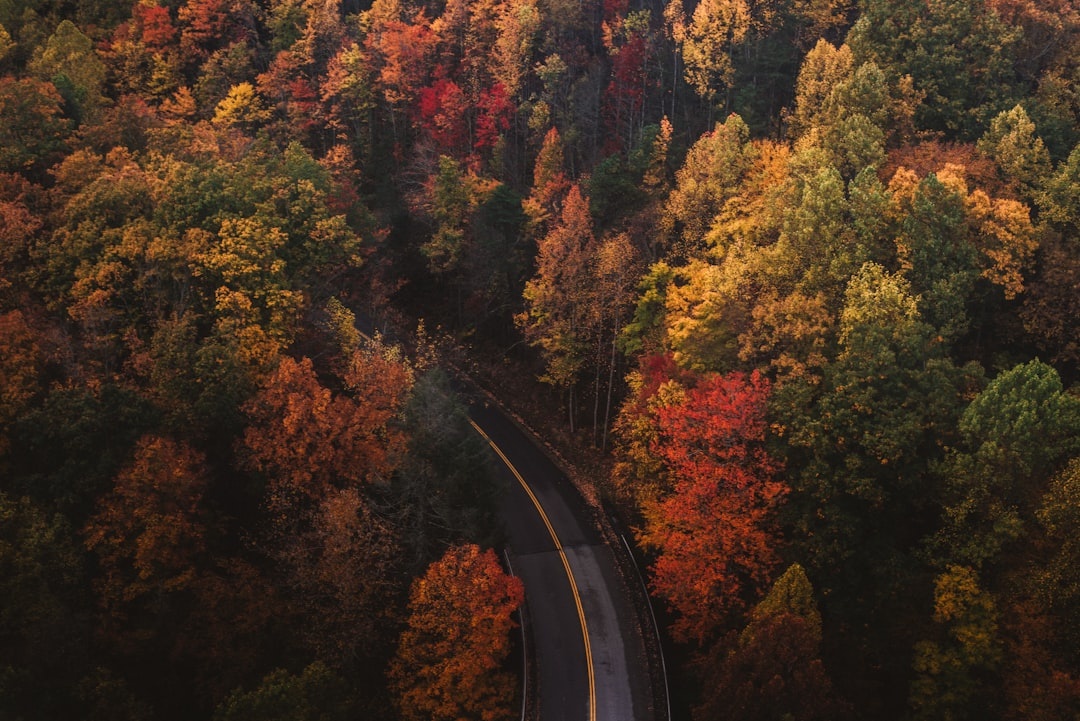
Fall foliage by train is the rare travel hack that still feels romantic and practical: no rental car surge pricing, no leaf-peeper traffic, and no arguing over who has to drive while everyone else stares out the window. September 2026 is the sweet spot to book because early color is already creeping into northern New England, peak October weekends are filling fast, and fall lodging in popular U.S. mountain towns is now often pricier than summer.
Key Takeaways
- Book Amtrak foliage routes 3–6 weeks ahead for the best October coach fares, especially Friday–Sunday departures.
- The best-value foliage train is the Downeaster: Boston to Brunswick from about $30 one-way in 3 hours 20 minutes.
- The most scenic East Coast route is the Adirondack, running 381 miles from New York City to Montreal from about $70 one-way.
- Skip rental cars in Hudson Valley towns; Metro-North/Amtrak plus local taxis often beats $90–$130 per day car rates.
- Use the Amtrak app, Google Maps offline downloads, and Wanderlog to manage delays, seats, and stopover plans.
Before You Book: How Fall Foliage Amtrak Trips Work in 2026
Amtrak fares are dynamic, so the same New York–Burlington seat can be $74 on a Tuesday and $156 on a Friday before Indigenous Peoples’ Day weekend. Book directly at Amtrak.com or in the Amtrak app, both open 24/7, and avoid third-party rail resellers that add fees without improving your seat.
For peak color, aim north first. Vermont, northern New York, and Maine usually peak from late September to mid-October, while the Hudson Valley, Pennsylvania, and Virginia often look best from mid-October into early November.
| Route | Best Segment | Travel Time | Typical One-Way Coach Fare | Best Peak Window |
|---|---|---|---|---|
| Adirondack | New York City to Montreal | 10 hr 30 min–11 hr 45 min | $70–$125 | Late Sep–mid Oct |
| Ethan Allen Express | New York City to Burlington | 7 hr 35 min | $74–$145 | Late Sep–mid Oct |
| Downeaster | Boston to Brunswick | 3 hr 20 min | $30–$45 | Early–mid Oct |
| Empire Service | New York City to Hudson/Albany | 2 hr–2 hr 35 min | $32–$58 | Mid–late Oct |
| Cardinal | Charlottesville to White Sulphur Springs | 3 hr 15 min | $28–$55 | Late Oct–early Nov |
If you’re flying into a train hub, don’t leave airfare until the last minute. Distratech’s guide to when to buy flights for 2026–27 trips is useful here because October weekends into Boston, New York, and Burlington can spike faster than the train fare itself.
1. Adirondack: New York City to Montreal for the Big, Cinematic Leaf Trip
The Adirondack is the one I’d book if you want the “glass of wine, paperback, lake-and-maple-trees” version of fall. The full route covers roughly 381 miles from New York Penn Station to Montreal, tracing the Hudson River, Lake Champlain, and the eastern edge of the Adirondack Mountains.
Expect about 10.5 to 11.75 hours end to end, depending on border processing. Fares commonly start around $70 one-way in coach, while last-minute October weekend seats can push $120–$160.
Skip flying New York to Montreal for this trip. A flight may be 1 hour 30 minutes in the air, but with airport transfers, security, and customs, you’re often at 5–6 hours total and $180–$320 round-trip; the train is slower but dramatically better for foliage.
Where to sit and where to stop
From New York to Albany, sit on the left side for Hudson River views. North of Albany, either side works, but the right side often wins near Lake Champlain.
If you don’t want the full Montreal run, stop at Saratoga Springs. Saratoga Spa State Park is typically open from 6:00 a.m. to sunset, and a taxi from the station to Broadway costs about $12–$18 versus a 35-minute walk.
For food, skip the generic station snacks and go to Hamlet & Ghost in Saratoga Springs for cocktails and small plates; mains usually run $24–$38. In Montreal, go straight to Olive et Gourmando in Old Montreal, generally open 8:00 a.m.–5:00 p.m., where a sandwich and coffee will cost about CAD $24–$30, roughly USD $18–$22.
2. Ethan Allen Express: New York City to Burlington Without Renting a Car
The Ethan Allen Express is the cleanest way to do Vermont foliage if you want mountains, breweries, and a proper lakeside base. The New York City to Burlington trip takes about 7 hours 35 minutes and usually prices from $74–$145 one-way in October.
This route beats driving if you’re starting in Manhattan. Driving is about 300 miles and 5.5–6.5 hours before leaf-season traffic, tolls, gas, and parking; the train takes longer on paper, but you land downtown without paying $35–$45 per night for hotel parking.
Burlington’s Union Station puts you beside Lake Champlain and a 10-minute walk from Church Street Marketplace. Most shops open around 10:00 a.m. and close between 6:00 p.m. and 8:00 p.m., while bars and restaurants run later.
Do this, not that
Skip trying to “see all of Vermont” in one weekend. Do Burlington plus one focused excursion instead: Shelburne Farms, about 7 miles south, is better than spending half your day in a rental car chasing Instagram farms.
A taxi or rideshare to Shelburne Farms is usually $22–$35 each way, while a full-day rental car can run $90–$130 in October before fuel. Shelburne Farms’ walking trails are generally open daily from sunrise to sunset; check shelburnefarms.org for seasonal program hours before you go.
For dinner, book Honey Road on Church Street, where small plates run about $12–$22 and dinner for two with drinks lands near $95–$130. For a cheaper hit, August First does excellent sandwiches around $13–$16 and is usually open 7:30 a.m.–3:00 p.m.
3. Downeaster: Boston to Brunswick for Maine Color on a Budget
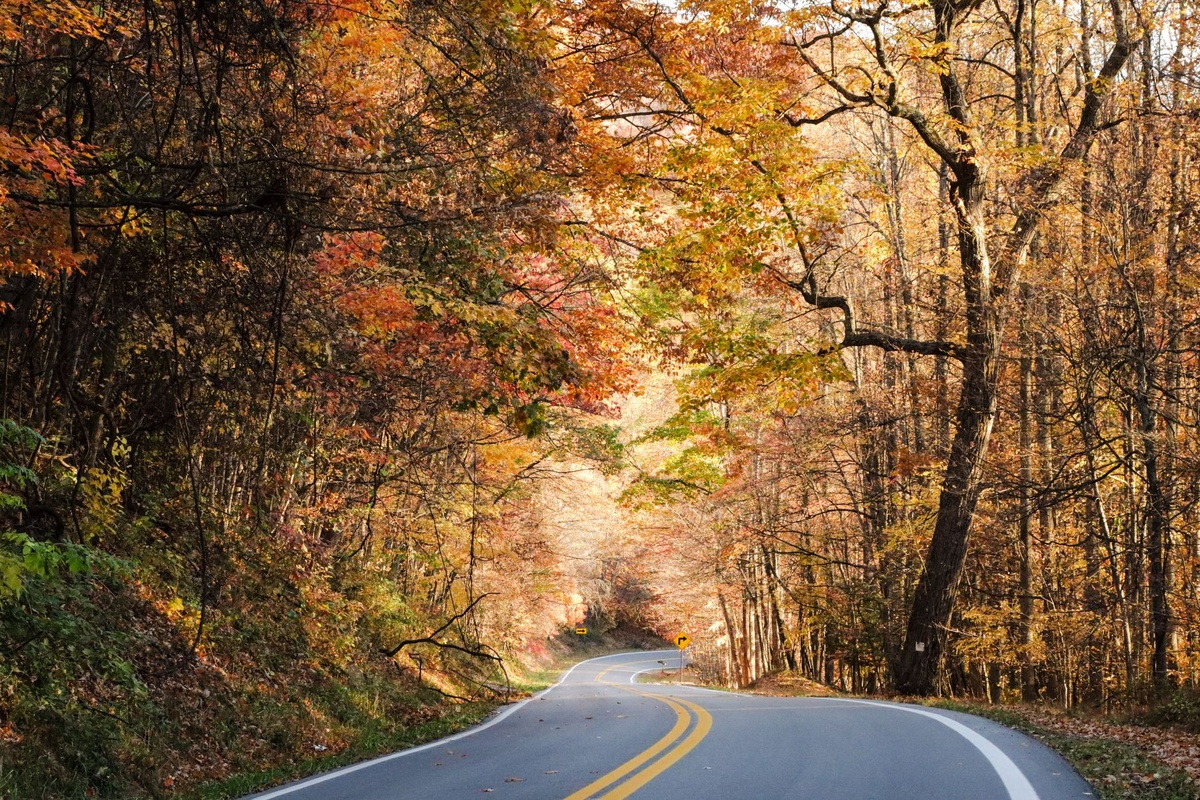
The Downeaster is the foliage route I recommend to people who don’t want to overplan. Boston North Station to Brunswick takes about 3 hours 20 minutes, covers roughly 145 miles, and one-way fares often start around $30.
Compared with renting a car in Boston, it’s a bargain. A compact rental in October can cost $75–$110 per day, garage parking in Boston adds $40–$60 nightly, and weekend traffic on I-95 can turn a 2.5-hour drive into 4 hours.
Book at AmtrakDowneaster.com or Amtrak.com. The route serves Boston, Woburn, Haverhill, Exeter, Durham, Dover, Wells, Saco, Old Orchard Beach, Portland, Freeport, and Brunswick.
Best stop: Portland or Brunswick?
Choose Portland if food is the point. From the Portland Transportation Center, the METRO Route 1 bus to downtown costs about $2 and takes 15–20 minutes, while a taxi or rideshare is $12–$20 and takes 8–12 minutes.
Choose Brunswick if you want quieter foliage and Bowdoin College charm. The station is walkable to Maine Street, and the Bowdoin College Museum of Art is usually open Tuesday–Saturday 10:00 a.m.–5:00 p.m. and Sunday 1:00 p.m.–5:00 p.m., with free admission.
In Portland, skip the longest lobster-roll line you see and book Eventide Oyster Co. at off-hours; brown butter lobster rolls are typically around $19–$23. In Brunswick, go to Tao Yuan for a splurge dinner, where tasting-style meals often run $65–$95 per person before drinks.
4. Empire Service: New York City to Hudson or Albany for the Easiest Weekend Escape
If you live in New York, the Empire Service is the no-excuses fall trip. New York Penn Station to Hudson takes about 2 hours, while Albany-Rensselaer takes roughly 2 hours 30 minutes; fares often start at $32–$58 one-way.
The scenery starts fast. You hug the Hudson River for long stretches, with cliffs, lighthouses, bridges, marshes, and fiery maples doing more work than any itinerary could.
Skip Beacon for peak October weekends if you hate crowds. Do Hudson instead: it has better restaurants, antique shops, river views, and enough sidewalks that you can leave the car out of it.
Hudson game plan
The Amtrak station is a 10-minute walk from Warren Street, where most shops open around 11:00 a.m. and close between 5:00 p.m. and 6:00 p.m. A local taxi to Olana State Historic Site costs about $18–$25 each way; rideshare availability can be patchy, so pre-book with a local cab company.
Olana’s landscape is generally open daily from 8:00 a.m. to sunset, and house tour tickets usually cost around $15–$20 for adults. The view over the Hudson Valley from the carriage roads is worth it even if you skip the interior tour.
Eat at Lil’ Deb’s Oasis if you can get in; expect $18–$30 plates and a loud, joyful room. For a calmer lunch, Kitty’s does sandwiches and rotisserie plates around $14–$24 and is a smarter move than wasting an hour in a brunch line.
5. Cardinal: Charlottesville to White Sulphur Springs for Late-Season Appalachian Color
The Cardinal is the contrarian pick because it peaks later than New England. When Vermont is past prime, Virginia and West Virginia can still be glowing from late October into early November.
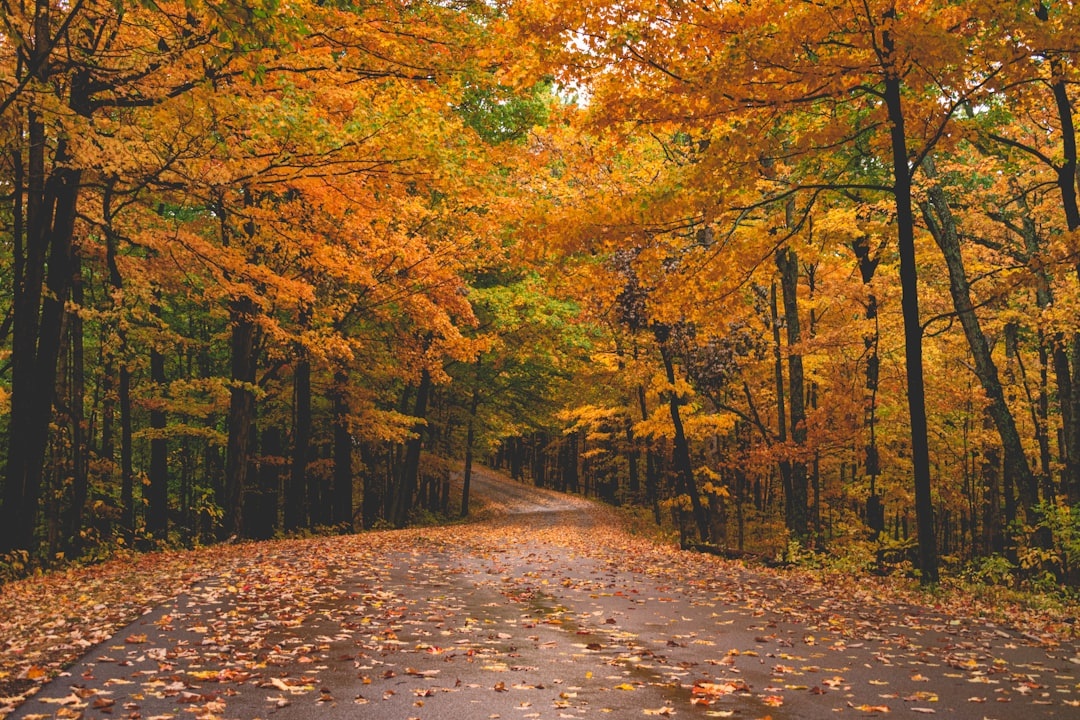
The Charlottesville to White Sulphur Springs segment takes about 3 hours 15 minutes and often costs $28–$55 one-way. The train crosses the Blue Ridge and Allegheny Mountains, with river valleys and forested slopes that feel more remote than the mileage suggests.
Compared with driving, the train is slower only if traffic is perfect. Charlottesville to White Sulphur Springs is about 115 miles and 2 hours 15 minutes by car, but add mountain weather, fuel, and $25–$45 daily resort parking if you’re staying near The Greenbrier.
Best way to use this route
Start in Charlottesville for wineries and early fall color, then ride west for the mountain section. If you want a pre-train breakfast, MarieBette Café opens around 8:00 a.m.; pastries run $4–$7 and breakfast plates are usually $12–$18.
In White Sulphur Springs, the Greenbrier resort is the famous splurge, but don’t book it just to say you did. If rates are above $450–$650 per night in October, stay in Lewisburg instead and spend the savings on dinner at The French Goat, where mains typically run $28–$46.
Use this route if your schedule is flexible. The Cardinal does not run daily, unlike the Empire Service or Downeaster, so check operating days carefully before booking hotels.
Tech Tips That Make Amtrak Foliage Trips Easier
Train travel is low-stress until you lose signal in the mountains or realize your hotel is two miles uphill from the station. Set up the boring tech before departure and your trip feels much smoother.
- Use the Amtrak app: free on iOS and Android, best for eTickets, platform alerts, and delay notifications.
- Download offline Google Maps: free, useful on the Adirondack and Cardinal where cell service drops between towns.
- Track foliage: use state tourism maps such as VermontVacation.com and ILoveNY.com; both update seasonal color reports.
- Build a stopover plan in Wanderlog: free version is enough; Pro is about $49.99 per year if you want offline itineraries and attachments.
- Bring a power bank: a 10,000 mAh Anker battery costs about $22–$30 and saves you when older train cars have awkward outlets.
If you’re crossing into Canada on the Adirondack, consider an eSIM for Montreal so you’re not hunting for Wi-Fi after customs. Airalo Canada plans often start around $6–$11 for short trips, which is cheaper than many U.S. carrier roaming day passes at $10–$12 per day.
Booking Strategy: When to Buy, What to Avoid, and Where to Sit
For September planning, book October foliage trains now. Midweek seats can stay reasonable, but Friday outbound and Sunday return trains are the first to jump.
My rule: if your round-trip fare is under $120 for a short route or under $220 for a long route, buy it. Waiting to save $12 is not worth risking a $90 fare jump or sold-out convenient departures.
- Book direct: use Amtrak.com or the Amtrak app for the easiest changes and notifications.
- Pick morning departures: daylight matters; a $20 cheaper evening train is bad value if you miss the views.
- Avoid tight dinner reservations: Amtrak delays of 20–60 minutes are not rare on long-distance routes.
- Pack food for long routes: café-car meals can cost $8–$14 and sell out of the good stuff.
- Use flexible hotel rates: pay $10–$25 more for free cancellation if your trip depends on peak color timing.
For seats, the best side depends on direction, but here’s the simple version: left side northbound from New York to Albany, right side northbound along Lake Champlain, either side on the Downeaster, and right side westbound on the Cardinal for several mountain and river views.
Final Call: The Route I’d Book First
If you want the biggest scenery, book the Adirondack. If you want the best value, book the Downeaster. If you want a stylish car-free weekend with excellent food, book Empire Service to Hudson.
September is shoulder-season gold, but fall foliage is the exception where waiting can get expensive fast. Open Amtrak.com, compare a Tuesday/Wednesday fare against Friday/Sunday, and lock the train that gives you daylight views instead of just the cheapest seat.
CTA: Pick your route this week, book the train before peak October fares climb, and build the rest of the trip around the station—not the rental car counter.
Frequently Asked Questions
What is the best Amtrak route for fall foliage?
The Adirondack is the best overall foliage route, running about 381 miles from New York City to Montreal with Hudson River, Lake Champlain, and Adirondack views. For a shorter budget trip, the Downeaster from Boston to Brunswick is excellent from about $30 one-way.
When should I book Amtrak tickets for fall foliage?
Book 3–6 weeks ahead for October foliage trips, and earlier for holiday weekends. Friday and Sunday trains often rise fastest, with fares sometimes doubling compared with Tuesday or Wednesday departures.
How much does an Amtrak fall foliage trip cost?
Short routes like Boston to Brunswick or New York to Hudson can cost about $30–$58 one-way in coach. Longer routes such as New York to Burlington or Montreal usually run about $70–$145 one-way, depending on date and demand.
Is Amtrak better than driving for leaf peeping?
For Hudson Valley, Vermont, and Maine weekends, Amtrak often beats driving once you add rental cars, gas, tolls, parking, and traffic. A Boston rental car can cost $75–$110 per day, while the Downeaster starts around $30 one-way.

About the Author: Tomáš Bzirský
Founder and editor of Distratech. Based in the Czech Republic, travelling regularly from Central Europe. Writes practical travel guides and travel-tech comparisons (eSIM, apps, airports) in six languages.