'/%3E%3Cpath%20fill='%23b2b2b2'%20d='M241%20382q0%2016%2017%2026%2017%2011%2042%2011t42-11q16-11%2017-26V269H241'/%3E%3Cpath%20fill='%239f7e00'%20d='M241%20379q0%2014%208%2023%209%209%2021%209%2014%200%2021-9%209-9%209-23V269h-59'/%3E%3Cpath%20d='M241%20339v-70h59v110q0%2014-9%2023l-6%205v-68h-15v72q-8%200-14-4v-68zm59%2040c0%2022%2015%2032%2029%2032%2021%200%2030-18%2030-32v-40h-59'/%3E%3Cpath%20fill='%239f7e00'%20d='M266%20277v5h2v12h-3v-5h2v-5h-9v5h2v5h-4v9h3v18h-5v10h34v-10h-5v-18h3v-9h-4v-5h2v-5h-9v5h2v5h-3v-12h2v-5zm42%20101q0%2010%206%2017%206%206%2015%207%2010-1%2016-7%206-7%206-17v-29h-43'/%3E%3Ccircle%20fill='%230044ad'%20cx='329.5'%20cy='372'%20r='6'/%3E%3Cellipse%20fill='%230044ad'%20cx='300'%20cy='340'%20rx='16'%20ry='21'/%3E%3C/svg%3E)
'/%3E%3C/svg%3E)


'/%3E%3C/g%3E%3Cuse%20href='%23c'%20transform='matrix(-1%200%200%201%20720%200)'/%3E%3C/svg%3E)


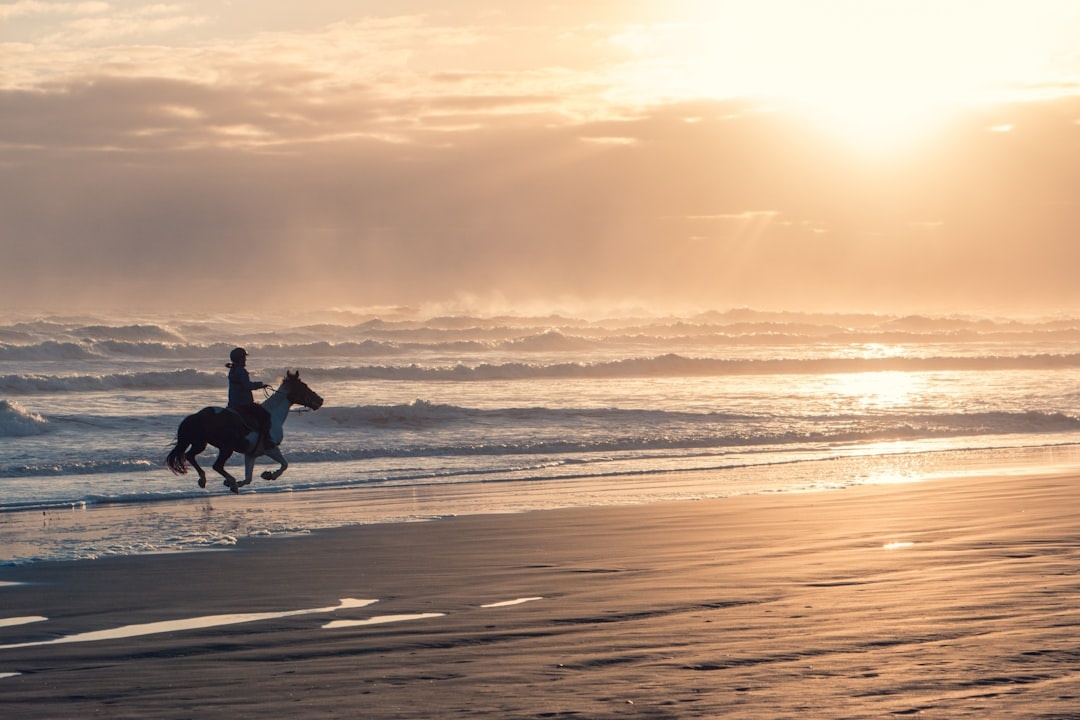
On 23 September 2026, the planet gives travelers a neat little loophole: fly north for early fall color, or fly south for spring wildlife, longer light, and whale season. It’s one of the smartest dates on the travel calendar because August crowds are thinning, back-to-school fares start appearing, and southern Europe’s 40°C heat is finally optional rather than unavoidable.
Key Takeaways
- 23 September 2026 is ideal for choosing northern fall or southern spring in one trip-planning window.
- Vermont and Hokkaido offer some of the earliest foliage, with gondolas from about $25–$40.
- Hermanus, Kaikōura, and Península Valdés are peak southern hemisphere whale destinations in September.
- Book in August for better post-summer fares before late-September events and school-holiday spikes.
- Skip overheated southern Europe in early September; this is the smarter shoulder-season move.
Why 23 September Is the Best “Pick Your Season” Travel Date
The September equinox lands on 23 September 2026, when day and night are roughly balanced worldwide. In the northern hemisphere, that means crisp mornings, harvest menus, and the first serious foliage; in the southern hemisphere, it means spring blooms, whale calves, and shoulder-season pricing before December crowds.
This is especially useful if you’re planning now in August. The Perseids peak on 12–13 August, Burning Man starts later this month, Edinburgh Fringe is still inflating UK prices, and Spain’s La Tomatina will send late-August demand into Valencia — but late September is where the deals start to breathe.
My take: skip the “one last summer” scramble in southern Europe unless you’re deliberately chasing the Mediterranean in September, which is often the real summer without July chaos. For an equinox trip, do something more interesting: choose fall in Vermont, Hokkaido, or Slovenia — or spring whale season in South Africa, New Zealand, or Argentina.
Quick Comparison: Fall North vs Spring South
| Destination | Season on 23 Sept | Best For | Typical Anchor Cost | Nearest Major Gateway |
|---|---|---|---|---|
| Vermont, USA | Early fall | Maples, cider, mountain drives | Stowe Gondola: about $40 adult | Burlington BTV |
| Daisetsuzan, Hokkaido | Japan’s earliest autumn | Alpine foliage and ropeways | Asahidake Ropeway: ¥3,500 / ~$24 | Asahikawa AKJ or Sapporo CTS |
| Julian Alps, Slovenia | Alpine shoulder fall | Lake hikes without peak crowds | Vintgar Gorge: €15 / ~$16 | Ljubljana LJU |
| Hermanus, South Africa | Spring | Land-based southern right whales | Boat tour: R1,220 / ~$67 | Cape Town CPT |
| Kaikōura, New Zealand | Spring | Sperm whales, seals, albatross | Whale Watch: NZ$180 / ~$108 | Christchurch CHC |
| Península Valdés, Argentina | Spring | Whales, penguins, elephant seals | Whale boat: ~$60–$90 | Trelew REL |
1. Vermont, USA — The Classic Fall Choice, But Time It Right
Vermont is the obvious pick, but don’t expect full postcard peak on 23 September. The hack is to aim high: Stowe, Smugglers’ Notch, the Northeast Kingdom, and Jay Peak usually show color earlier than lower valleys.
Fly into Burlington International Airport, then drive 38 miles / 61 km to Stowe in about 50 minutes. A rental car usually runs $65–$95 per day in late September; the bus via Green Mountain Transit can cost around $2–$4 but takes 2+ hours with connections, so rent the car if you care about foliage timing.
Book the Stowe Gondola SkyRide, typically open 10:00–16:30 in fall season, with adult tickets around $40. Smugglers’ Notch State Park day use is about $5 for adults, and the better move is sunrise on Route 108 before tour buses arrive.
Skip the overpriced “leaf-peeping package” inns if they lock you into a fixed route. Stay in Burlington and compare hotels in Burlington, where late-September rooms often sit around $180–$260 versus $280–$450 in Stowe on prime weekends.
Eat at Hen of the Wood in Burlington if you can get a table; mains run about $32–$46 and it’s still the Vermont restaurant I’d plan around. For a cheaper foliage-day lunch, Black Cap Coffee in Stowe does sandwiches and coffee for about $12–$18, while the Ben & Jerry’s Factory tour in Waterbury is a fun $6 detour, usually open 10:00–18:00.
2. Daisetsuzan, Hokkaido — Japan’s Earliest Autumn Without Kyoto Crowds
If you want fall foliage in Japan on the equinox, skip Kyoto. Its maples usually don’t peak until November, while Daisetsuzan National Park in Hokkaido often starts turning red and gold by mid-to-late September.
The easiest base is Asahikawa. From Asahikawa Station to Asahidake Onsen, the Ideyu-go bus takes about 1 hour 40 minutes and costs around ¥1,800 / $12; a taxi is faster at roughly 1 hour 10 minutes but can cost ¥20,000 / $135.
The Asahidake Ropeway is the must-do: September operating hours are commonly around 06:30–17:30, with round-trip adult tickets about ¥3,500 / $24. Go before 08:00 if the weather app shows clear skies, because cloud can erase the view by lunch.
Skip a rushed day trip from Sapporo. Sapporo to Asahidake is about 220 km and 3–3.5 hours each way by car, which turns your foliage day into a highway day.
For food, Asahikawa Ramen Aoba is the right post-hike choice: bowls are usually ¥900–¥1,200 / $6–$8, and the soy-based broth fits the cold air perfectly. Use Japan Travel by NAVITIME for transit, Windy for mountain weather, and download offline maps because trailhead signal can be patchy.
3. Julian Alps, Slovenia — Fall Atmosphere Without Alpine Prices
Slovenia is the sleeper pick if you want European fall without Switzerland pricing. On 23 September, Lake Bled and Lake Bohinj still feel soft and green, while higher trails begin shifting toward autumn.
Ljubljana to Lake Bled is 55 km: about 45 minutes by car, or 1 hour 15 minutes by bus for around €5.70 / $6. A taxi can run €75–€95, which is silly unless you’re splitting it three ways after a late flight.
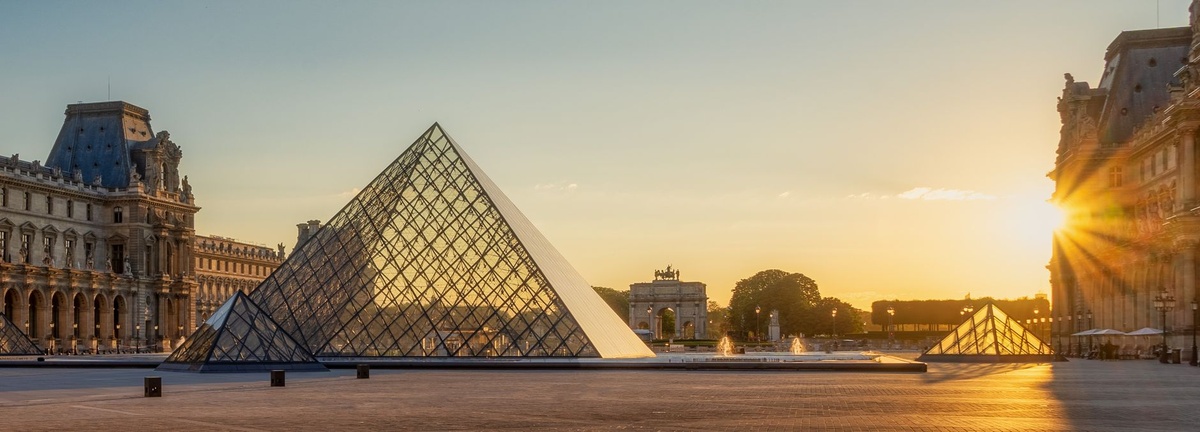
Book Vintgar Gorge in advance; September tickets are about €15 / $16 and timed entry usually runs from around 07:30–18:00, weather permitting. For better views and fewer selfie sticks, skip Bled Island’s €18 pletna boat and go to Lake Bohinj instead, 26 km farther west.
The Vogel Cable Car above Bohinj usually operates roughly 08:00–18:00 in September, with round-trip adult tickets around €32 / $35 via vogel.si. Compared with the Jungfrau region in Switzerland, where major cable cars can cost $70–$120, Slovenia feels like a cheat code.
Eat at Oštarija Peglez’n in Bled for trout and dumplings, with mains around €16–€24. If you want one splurge, Old Cellar Bled does Slovenian wine pairings without the lakefront markup.
4. Hermanus, South Africa — Spring Whale Season You Can See From Shore
Hermanus is the best-value whale destination on this list because you don’t need a boat. Southern right whales come close enough to shore that the 12 km Cliff Path functions like a free marine safari.
Cape Town to Hermanus is 120 km and about 1 hour 45 minutes by car via the N2 and R43. Shared shuttles typically cost R550–R850 / $30–$47 and take 2.5 hours; an Uber or private transfer can hit R1,600 / $88 or more.
Boat trips with operators such as Hermanus Whale Cruises or Southern Right Charters usually cost around R1,220 / $67 for adults and last about 2 hours. But here’s the opinionated bit: if the sea is rough, skip the boat and walk the Cliff Path from Gearing’s Point to Sievers Point instead.
The Old Harbour Museum is a quick context stop, generally open Monday–Saturday around 09:00–17:00, with entry about R30 / $2. The Hermanus Whale Festival usually lands on the final weekend of September, so book beds early if your equinox trip overlaps.
Eat at Bientang’s Cave because it is touristy for a reason: you can watch whales from lunch, with mains around R180–R280 / $10–$15. Pear Tree is better for dinner if you want less spectacle and more polished seafood.
5. Kaikōura, New Zealand — Spring Whales, Seals, and Big-Sky Road Trips
Kaikōura is not the cheapest equinox choice, but it’s one of the most dramatic. Snow-dusted mountains drop into the Pacific, sperm whales feed offshore year-round, and spring brings extra seabird and marine life activity.
From Christchurch, it’s 181 km and about 2 hours 30 minutes by car. InterCity buses can cost from NZ$35 / $21 and take around 3 hours, while rental cars are commonly NZ$70–NZ$110 / $42–$66 per day in September.
Book Whale Watch Kaikōura early; adult tickets are NZ$180 / $108, tours take about 3.5 hours including check-in, and departures often begin around 07:15. The company refunds if weather cancels the sailing, which matters because spring seas can be moody.
Skip the scenic helicopter unless you have money to burn — flights can exceed NZ$395 / $237 for 30 minutes. Do the Kaikōura Peninsula Walkway instead: it’s free, 11.7 km for the full loop, and takes about 3 hours with seal-colony stops.
For food, Coopers Catch is the reliable fish-and-chips stop, with meals around NZ$16–NZ$24 / $10–$15. The Pier Hotel is better for a sit-down seafood dinner, especially if you want crayfish without the roadside hype.
6. Península Valdés, Argentina — The Southern Hemisphere Wildlife Jackpot
Península Valdés is what you book when “spring” means whales, penguins, elephant seals, and windswept Atlantic landscapes. September is prime time for southern right whales around Puerto Pirámides, and Magellanic penguins begin returning to regional colonies.
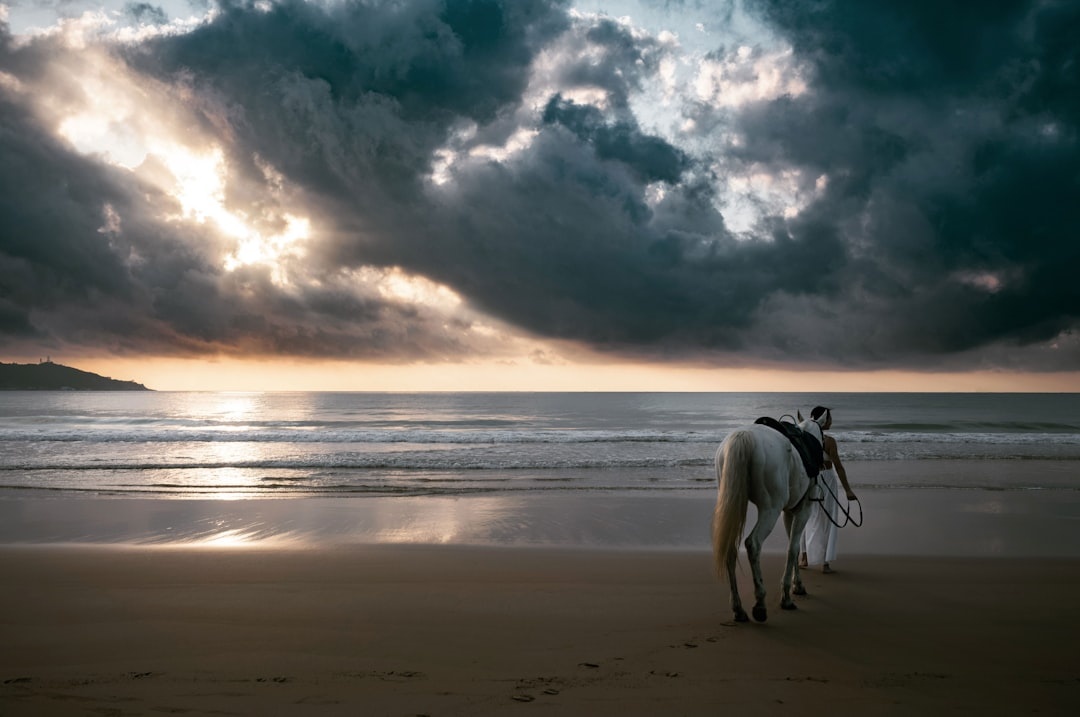
Fly to Trelew, then drive 60 km / 50 minutes to Puerto Madryn. Buses can cost around $5–$8 equivalent depending on the exchange rate, while taxis or transfers often run $40–$55.
Puerto Madryn to Puerto Pirámides is another 100 km / 1 hour 15 minutes. Whale-watching boats usually cost around $60–$90 per adult for a 1.5-hour trip; check operators listed via peninsulavaldes.org.ar or book locally the day before if wind forecasts look unstable.
The Península Valdés protected area entrance fee changes with inflation, but foreign visitors should budget roughly $35–$45 equivalent in 2026. Visitor centers and reserve access points commonly operate around 08:00–18:00 or later in spring, but always verify hours before driving because distances are big and fuel stops are limited.
Skip the rushed day trip from Trelew if wildlife is the reason you came. Stay in Puerto Pirámides for at least one night, because morning boat conditions are often calmer and you avoid spending half the day on gravel roads.
Tech Setup for an Equinox Trip
The equinox hack works best when you can react quickly to weather, foliage, and wildlife reports. Don’t plan every hour; plan your data, maps, and backup routes.
- For foliage: use Gaia GPS or AllTrails offline maps, plus local foliage trackers in Vermont and Japan weather apps for Hokkaido.
- For whales: check Windy and local operator cancellation pages before paying for boats.
- For connectivity: install an eSIM before leaving home; compare long-stay options in our Holafly plans guide, or use Airalo for country-specific short trips.
- For money: carry a Wise or Revolut card, but keep cash for Argentina park fees, rural Slovenia buses, and small-town Vermont cafes.
- For timing: book refundable whale tours where possible; weather matters more than your spreadsheet.
Best Pick by Travel Style
If you want the most reliable fall color around 23 September, choose Daisetsuzan over Vermont. Vermont is more charming, but Hokkaido’s alpine foliage is usually further along by the equinox.
If you want whales without paying for a boat, choose Hermanus. Kaikōura and Península Valdés are spectacular, but Hermanus gives you the best free viewing from land.
If you want Europe without heatstroke, choose Slovenia. Northern Europe is still warm in September, southern Europe can remain brutally hot, and Slovenia hits the sweet spot: lake swims, cool hikes, and restaurant terraces without August gridlock.
My personal ranking for 23 September 2026: Hermanus for wildlife value, Daisetsuzan for true equinox drama, and Slovenia for the easiest low-stress European escape.
Ready to Choose Your Side of the Equinox?
The beauty of 23 September is that you don’t have to accept the season outside your window. Go north for the first smell of woodsmoke and wet leaves, or go south for whales, blossoms, and spring light.
If you’re planning in August, don’t wait for the September rush. Check flights now, book refundable rooms, install your eSIM, and let the equinox decide whether you’re packing fleece or sunscreen.
Frequently Asked Questions
When is the September equinox in 2026?
The September equinox falls on 23 September 2026. It marks the start of astronomical fall in the northern hemisphere and spring in the southern hemisphere.
Where is the best place to see fall foliage on 23 September?
Daisetsuzan National Park in Hokkaido is one of the most reliable foliage choices around 23 September, with ropeway tickets around ¥3,500 / $24. Vermont can show early color then, especially around Stowe and the Northeast Kingdom, but peak often arrives later.
Is September a good month for whale watching?
Yes, September is excellent in the southern hemisphere. Hermanus, Kaikōura, and Península Valdés all have strong whale activity, with tours ranging from about $67 in South Africa to $108 in New Zealand.
Which equinox destination is best on a budget?
Slovenia is the best budget-friendly European pick, with buses from Ljubljana to Bled around €5.70 and Vintgar Gorge entry about €15. Hermanus is the best wildlife-value option because whale watching from the Cliff Path is free.

About the Author: Tomáš Bzirský
Founder and editor of Distratech. Based in the Czech Republic, travelling regularly from Central Europe. Writes practical travel guides and travel-tech comparisons (eSIM, apps, airports) in six languages.