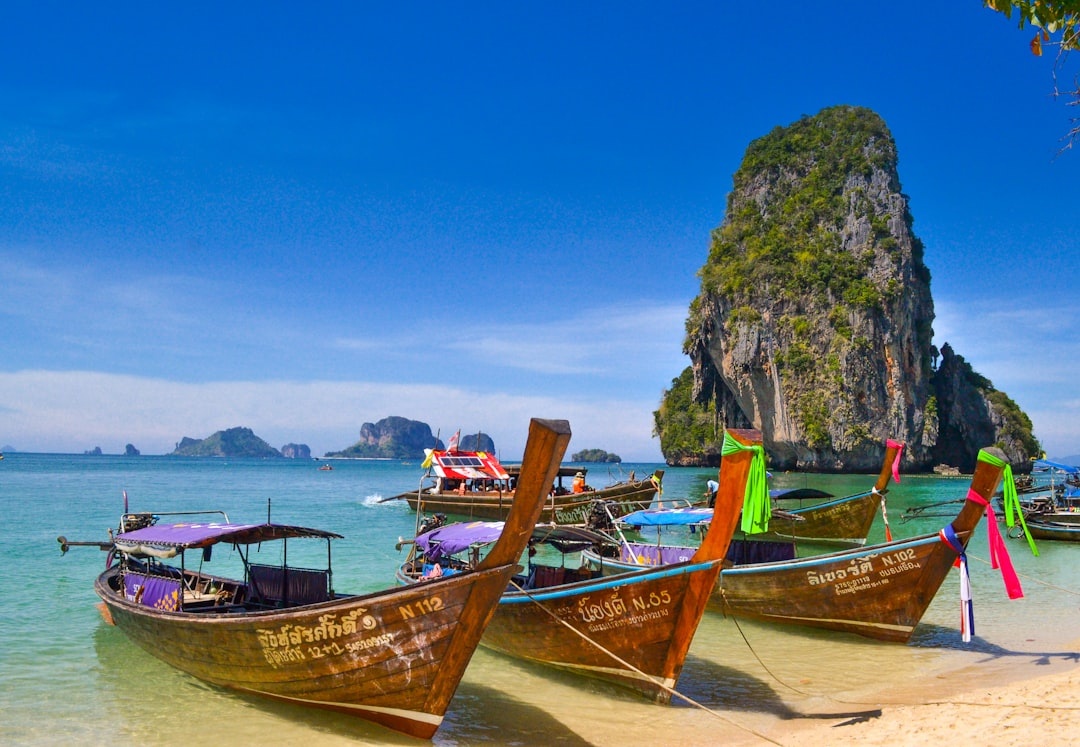
Thailand is tightening the easy-entry window for EU travellers, cutting visa-free stays from 60 days back to 30 days — a small line in immigration policy that can completely change your island-hopping plan, remote-work stint, or winter escape.
Key Takeaways
- EU passport holders should plan around 30 visa-free days, not the recent 60-day allowance.
- A 30-day extension costs 1,900 THB, about $52 or €48, at Thai immigration offices.
- For 31–90 day trips, apply for a Tourist Visa at thaievisa.go.th before departure.
- Overstay fines are 500 THB per day, capped at 20,000 THB, with possible entry bans.
- September remains one of the cheapest months to fly to Thailand, often €200–€400 less than December.
The key point: this is not Thailand banning EU travellers, and it is not the same as visa-on-arrival. It simply means the “show up and stay two months” era is ending, so your trip needs a cleaner visa plan before you book flights, ferries, hotels, and onward tickets.
What Thailand’s 30-Day Visa-Free Cut Means for EU Travellers
EU travellers entering Thailand under the visa exemption scheme should now build trips around a 30-day stay. That is a major shift from the 60-day visa-free window Thailand introduced during its tourism push, especially for Europeans doing long winter trips from Germany, France, Italy, Spain, the Netherlands, and Scandinavia.
The practical difference is simple: a 45-night Thailand trip that was previously effortless now requires either an immigration extension, a tourist visa, or a different long-stay visa. The fee difference is also real — visa-free entry costs $0, while a local extension costs 1,900 THB, around $52 or €48.
| Trip length | Best option | Typical cost | Time needed |
|---|---|---|---|
| 1–30 days | Visa-free entry | $0 / €0 | No pre-approval |
| 31–60 days | Visa-free + extension | 1,900 THB / $52 / €48 | Half day at immigration |
| 61–90 days | Tourist Visa + extension | About €35–€45 visa fee + 1,900 THB | 5–15 business days online |
| Remote work / long stay | DTV or long-stay visa | From 10,000 THB / about $275 | Varies by embassy |
Do not confuse Thailand’s visa exemption with visa-on-arrival. Most EU passport holders use visa exemption, while visa-on-arrival is a separate paid category for certain nationalities and usually has different conditions.
For September 2026 trips, double-check the final effective date and passport-specific rules on the official Thai e-Visa site at thaievisa.go.th and your nearest Thai embassy website. Airline check-in agents can deny boarding if your return or onward ticket does not match the permitted stay.
The Smartest Plan for a 30-Day Thailand Trip
If you can keep Thailand to 30 days, do it. It saves you the 1,900 THB extension fee, a taxi across town, and a morning sitting under fluorescent lights at immigration.
Thirty days is still enough for a proper Thailand route, but you need to stop pretending you can “do everything.” Skip the rushed Bangkok–Chiang Mai–Pai–Krabi–Koh Phi Phi–Koh Samui mega-loop, and choose either the north plus one beach region, or Bangkok plus islands.
Best 30-day route for first-timers
- Bangkok: 4 nights — temples, food, rooftop bars, jet lag recovery.
- Chiang Mai: 6 nights — night markets, cooking class, Doi Suthep, cafés.
- Krabi or Koh Lanta: 8 nights — beaches without Phuket prices.
- Koh Tao or Koh Phangan: 7 nights — diving, coves, slower island time.
- Bangkok: 2 nights — shopping, massage, buffer before flying home.
Bangkok to Chiang Mai is best by flight if you are visa-day counting: 1 hour 15 minutes and often $30–$60 in September on Thai AirAsia, Nok Air, or Thai Vietjet. The sleeper train is more romantic but takes 12–13 hours and costs about 900–1,600 THB, or $25–$44, for a second-class berth via dticket.railway.co.th.
September is shoulder-season gold for Thailand if you are flexible. Yes, it rains, but flights from Europe to Bangkok often sit around €520–€750 return in September versus €850–€1,200 around Christmas and New Year; use that saving to book better hotels, not more visa stress.
If your dates are flexible, compare fares early and read our guide on when to buy international flights for 2026–27. For Thailand, I like setting Google Flights alerts 10–14 weeks out, then checking airline sites directly before purchasing.
How to Extend Your Stay by 30 Days Inside Thailand
If your trip lands at 31–60 days, the usual workaround is a 30-day extension at a Thai immigration office. The official extension fee is 1,900 THB, paid in Thai baht, and card acceptance is inconsistent — bring cash.
Most immigration offices open Monday to Friday, roughly 8:30am–12:00pm and 1:00pm–4:30pm, excluding Thai public holidays. Go before 9:00am; arriving after lunch can mean a 2–4 hour wait, especially in Bangkok, Chiang Mai, and Phuket.
You usually need your passport, departure card if issued, one passport photo, photocopies of your passport ID page and entry stamp, your accommodation address, and completed TM.7 extension form. Photocopies near immigration offices usually cost 2–5 THB per page, while passport photos cost around 100–150 THB for a set.
Where to extend in popular cities
| City | Office | Distance/time | Transport comparison |
|---|---|---|---|
| Bangkok | IT Square Lak Si / Immigration counters vary by category | About 24 km from Sukhumvit; 45–70 min by taxi | Grab 350–500 THB vs train/metro 80–120 THB |
| Chiang Mai | Chiang Mai Immigration near airport | About 3 km from Old City; 10–20 min | Grab 120–180 THB vs songthaew 40–60 THB |
| Phuket | Phuket Immigration, Phuket Town | About 15 km from Patong; 35–55 min | Taxi 600–900 THB vs local bus 50–100 THB |
Bangkok is the most annoying place to extend because the office can be far from where visitors actually stay. If you know you need an extension, Chiang Mai is easier: the immigration office is near the airport, and you can be done by lunch if you arrive early.
Skip using a random “visa agent” on Khao San Road for a basic extension unless mobility or language issues make it worth paying. Agents often charge 3,500–6,000 THB total, compared with 1,900 THB if you do it yourself.
For 60–90 Days: Apply for a Tourist Visa Before You Fly
If you already know you want more than 30 days, the cleanest move is to apply for a Tourist Visa before departure through thaievisa.go.th. In many EU countries, the single-entry Tourist Visa gives 60 days and can usually be extended once for another 30 days inside Thailand.
Embassy fees vary, but EU travellers commonly pay around €35–€45 for a single-entry Tourist Visa. Add the 1,900 THB extension and a 90-day Thailand stay typically costs about €83–€93 in visa-related fees — cheaper than a last-minute border run and much less stressful.
Processing time is usually 5–15 business days, but I would not apply five days before departure. Upload errors, bank statement questions, or hotel-address mismatches can slow things down.
- Use the official site: thaievisa.go.th, not lookalike visa portals charging €80–€150 service fees.
- Match your dates: your flight booking and accommodation should support your planned stay.
- Keep PDFs offline: save visa approval, insurance, hotel booking, and onward ticket in Google Drive and on your phone.
- Book refundable rooms: if you are still planning, reserve cancellable accommodation rather than inventing addresses.
For Bangkok arrival nights, I’d stay near transit rather than in old-city traffic. The Quarter Ladprao often runs $55–$85 per night and connects to MRT/BTS via Union Mall, while ASAI Bangkok Chinatown is better for food and usually $45–$75; compare hotels in Bangkok before locking in a non-refundable rate.
My opinion: skip staying on Khao San unless you are 22 and actively want buckets, noise, and bad pad thai. Stay in Ari for cafés, Chinatown for food, or Silom/Sathorn for transport and grown-up nightlife.
Border Runs Are Now the Worst Backup Plan
A decade ago, travellers casually hopped to Cambodia or Malaysia and came back with a fresh stay. In 2026, that is a weak strategy: it costs more, wastes days, and gives immigration officers a reason to ask what you are really doing in Thailand.
A Bangkok–Phnom Penh return flight can cost $90–$180 even in shoulder season, plus airport transfers and one hotel night. Compare that with a 1,900 THB extension — around $52 — and the extension wins unless you genuinely want to visit Cambodia.
Land borders are not free either. Bangkok to Aranyaprathet by train is cheap at around 50–300 THB but takes 5–6 hours before you even deal with the border; a private visa-run van can cost 2,500–4,500 THB, or $69–$124.
If you want a regional add-on, make it intentional. Fly Bangkok to Kuala Lumpur in 2 hours 15 minutes, eat properly in Jalan Alor, and return after a few days — do not spend 14 hours in a van just to reset a clock.
Digital Nomads: The 30-Day Rule Changes the Math
The 30-day cut matters most for remote workers who used Thailand as an easy two-month base. If that is you, stop relying on visa-exempt entries and look at the Destination Thailand Visa, commonly known as the DTV, or another long-stay category.
The DTV has been positioned for remote workers, freelancers, and people joining Thai soft-power activities such as Muay Thai, cooking, or medical/wellness programs. The standard government fee is often cited around 10,000 THB, roughly $275 or €253, though embassy pricing and documents can vary.
That is still cheaper than repeated flights out. Two regional visa runs at $150 each plus hotels can easily hit $400–$500, while a properly issued long-stay visa buys predictability.
For tech setup, install your eSIM before you fly so you can pull up visa PDFs at check-in and immigration. I use Airalo or Nomad for arrival data, then switch to a local AIS, True, or dtac tourist SIM if staying longer.
Typical Thailand tourist SIM pricing in 2026: 299–599 THB, about $8–$17, for 8–15 days of high-speed data at airport counters. Airport SIMs are convenient but overpriced; AIS shops in malls often have better 30-day packages from around 399 THB.
Costs to Recalculate Before Booking Thailand Now
The visa change does not make Thailand expensive, but it does punish vague planning. A 37-day trip now has hidden costs: extension fee, transport to immigration, photocopies, and half a day lost.
| Expense | Do-it-yourself extension | Agent-assisted extension |
|---|---|---|
| Immigration fee | 1,900 THB / $52 / €48 | Usually included |
| Transport | 80–900 THB depending city | 0–500 THB depending pickup |
| Photos/photocopies | 120–180 THB | Often included |
| Total | About 2,100–3,000 THB | About 3,500–6,000 THB |
| Time | 2–5 hours | Usually less, but not always |
Food and hotels still soften the blow. A strong Bangkok lunch at Polo Fried Chicken costs about 120–250 THB per person, while Jay Fai can run 1,000–1,500 THB per dish and require a long wait; unless it is your dream, skip Jay Fai and eat at Krua Apsorn or Jeh O Chula instead.
For islands, ferry costs add up faster than people expect. Krabi to Koh Phi Phi is about 450–600 THB and 2 hours, while Surat Thani to Koh Phangan via bus-ferry combo is often 650–950 THB and 4–6 hours via Lomprayah or Seatran.
September helps because it is low-to-shoulder season in much of Thailand. Phuket and Krabi see rain, but hotel rates can be 25–45% lower than January; Chiang Mai is greener, quieter, and usually cheaper before peak cool season starts in November.
My Verdict: Keep It Under 30 Days or Commit to the Right Visa
The worst Thailand plan now is a 35–45 day “we’ll figure it out later” trip. That length is too long for visa-free comfort and too short to justify sloppy admin.
If you want a beach holiday, stay under 30 days and spend the saved time somewhere better than an immigration waiting room. If you want 60–90 days, apply for a Tourist Visa before flying; if you want a semi-base in Chiang Mai, Bangkok, Phuket, or Koh Phangan, investigate the DTV before booking a lease.
Thailand is still one of Asia’s best-value destinations, especially in September when flights soften, crowds thin, and the north turns lush. The new 30-day rule just means the smart traveller does the boring visa bit first — then eats better, moves slower, and avoids expensive mistakes.
Before you book: check your passport’s latest entry rules on thaievisa.go.th, set a flight alert, and count your arrival and departure days carefully. If your trip is 31 days, immigration will count it that way too.
Frequently Asked Questions
Can EU travellers still enter Thailand without a visa?
Yes, EU passport holders can still enter Thailand visa-free, but they should plan around a 30-day stay. For longer trips, use a 30-day extension or apply for a Tourist Visa before departure.
How much does it cost to extend a Thailand visa-free stay?
The standard extension fee is 1,900 THB, about $52 or €48. Add roughly 100–180 THB for passport photos and photocopies, plus transport to the immigration office.
Is a Thailand Tourist Visa better than extending visa-free entry?
For trips over 60 days, yes. A Tourist Visa usually gives 60 days and can often be extended by 30 days, making it cleaner for 61–90 day stays than relying on border runs.
What happens if I overstay in Thailand?
Thailand’s overstay fine is 500 THB per day, capped at 20,000 THB. Longer or repeated overstays can lead to detention, deportation, and entry bans, so do not treat it as a cheap extension.

About the Author: Tomáš Bzirský
Founder and editor of Distratech. Based in the Czech Republic, travelling regularly from Central Europe. Writes practical travel guides and travel-tech comparisons (eSIM, apps, airports) in six languages.