September is the sweet spot for leaf-peepers who hate traffic: the air is still warm, flights are softer than summer, and the first color is already creeping into high-elevation pockets of New England, the Rockies, and the Upper Midwest. The trick in 2026 is choosing places where fall color is spectacular and logistics do not ruin the mood.
Key Takeaways
- Peak foliage starts in late September in northern Maine, Vermont, New Hampshire, and Colorado’s high country.
- Best-value national park foliage: Great Smoky Mountains, with no entry fee and parking tags from $5/day.
- Best car-free option: Boston to Vermont or New York foliage by Amtrak from about $31–$85 one-way.
- Book weekend lodging now: Stowe, Bar Harbor, and North Conway can hit $250–$450/night in October.
- Skip Saturday scenic drives; go sunrise or midweek for 40–60% less traffic on famous foliage roads.
When Fall Foliage Peaks in the USA in 2026
Fall color in the U.S. moves like a slow wave: north to south, high elevation to low elevation. In September, the best early bets are northern New England, Colorado aspens, Michigan’s Upper Peninsula, and high ridges in the Adirondacks.
By mid-October, the action shifts to the Catskills, lower Vermont, western Massachusetts, Pennsylvania, and the Blue Ridge. Late October into early November belongs to the Great Smoky Mountains, Shenandoah, Arkansas, and parts of the southern Appalachians.
| Region | Best 2026 Window | Typical Trip Cost | Best For |
|---|---|---|---|
| Northern New England | Sept. 25–Oct. 12 | $220–$450/night hotels | Classic red maples |
| Colorado Rockies | Sept. 18–Oct. 6 | $160–$320/night lodges | Golden aspens |
| Upper Midwest | Sept. 28–Oct. 15 | $130–$260/night inns | Lakeside color |
| Blue Ridge & Smokies | Oct. 15–Nov. 5 | $110–$280/night cabins | Long drives, budget value |
One pricing warning: fall lodging is now often pricier than summer in top U.S. foliage towns. In Stowe and Bar Harbor, October weekends regularly beat July midweek rates by $75–$150 per night, so the shoulder-season savings are strongest if you travel Sunday to Thursday.
1. Vermont Route 100: Best Classic New England Foliage
If someone asks for the postcard version of American fall, send them to Vermont Route 100. The best stretch runs roughly 146 miles from Wilmington to Stowe, passing covered bridges, farm stands, maple creemees, and hillsides that look edited even when they are not.
For 2026, aim for October 1–13 in northern Vermont and October 7–18 farther south. Skip Stowe’s Main Street on Saturday afternoon; do the Stowe Recreation Path at 8 a.m. instead, when parking is easier and the light hits Mount Mansfield from the side.
Costs: Ben & Jerry’s Factory tours in Waterbury are about $6 for adults and $1 for kids at benjerry.com. Cold Hollow Cider Mill is free to enter, usually open 8 a.m.–6 p.m. in fall, and cider doughnuts run about $1.50 each.
Base yourself in Waterbury rather than Stowe if you want value. A Stowe inn can run $300–$450/night on peak October weekends, while Waterbury often sits closer to $180–$280/night and is only 10 miles, or about 15 minutes, away.
Eat here: Prohibition Pig in Waterbury is the move; order the chopped pork sandwich for about $17 and skip the long Stowe brunch lines. For something faster, Blackback Pub does excellent local beer and burgers around $18.
Data point: Driving Route 100 Waterbury to Killington takes about 1 hour 20 minutes for 58 miles with no stops; leaf-peeping turns it into a 4-hour day. That is a feature, not a bug.
2. White Mountains, New Hampshire: Best Scenic Drive
The Kancamagus Highway is famous for a reason: 34.5 miles of mountain passes, river pullouts, and hardwood forest between Lincoln and Conway. It is also where good trips go to die if you arrive at 11 a.m. on a peak Saturday.
Drive it at sunrise from Lincoln to Conway, not the other way around. You will hit Sabbaday Falls before the tour buses and reach Conway in time for lunch.
Costs: White Mountain National Forest day-use sites cost $5/day, payable at trailhead kiosks or in advance via Recreation.gov for select sites. The Conway Scenic Railroad’s Mountaineer trip typically starts around $75–$95 for adults, and seats should be booked at conwayscenic.com two to four weeks ahead.
Opening hours: The Lincoln Woods Visitor Center is generally open 8 a.m.–4:30 p.m. in fall, but check the U.S. Forest Service page before you drive because staffing varies. Sabbaday Falls itself is open daylight hours.
Skip staying in North Conway if prices spike above $300/night. Lincoln is less cute but more practical, with quicker access to Franconia Notch and often $40–$80 cheaper per night.
Eat here: White Mountain Bagel Co. in Lincoln beats a hotel breakfast; a bagel sandwich is about $8–$11. In North Conway, Moat Mountain Smoke House is touristy but reliable, with pulled pork plates around $20.
Comparison: Driving Boston to Lincoln is 132 miles and about 2 hours 15 minutes; Boston to North Conway is 137 miles but often 3 hours with weekend traffic. Pick Lincoln if you hate brake lights.
3. Acadia National Park, Maine: Best Ocean-and-Foliage Combo
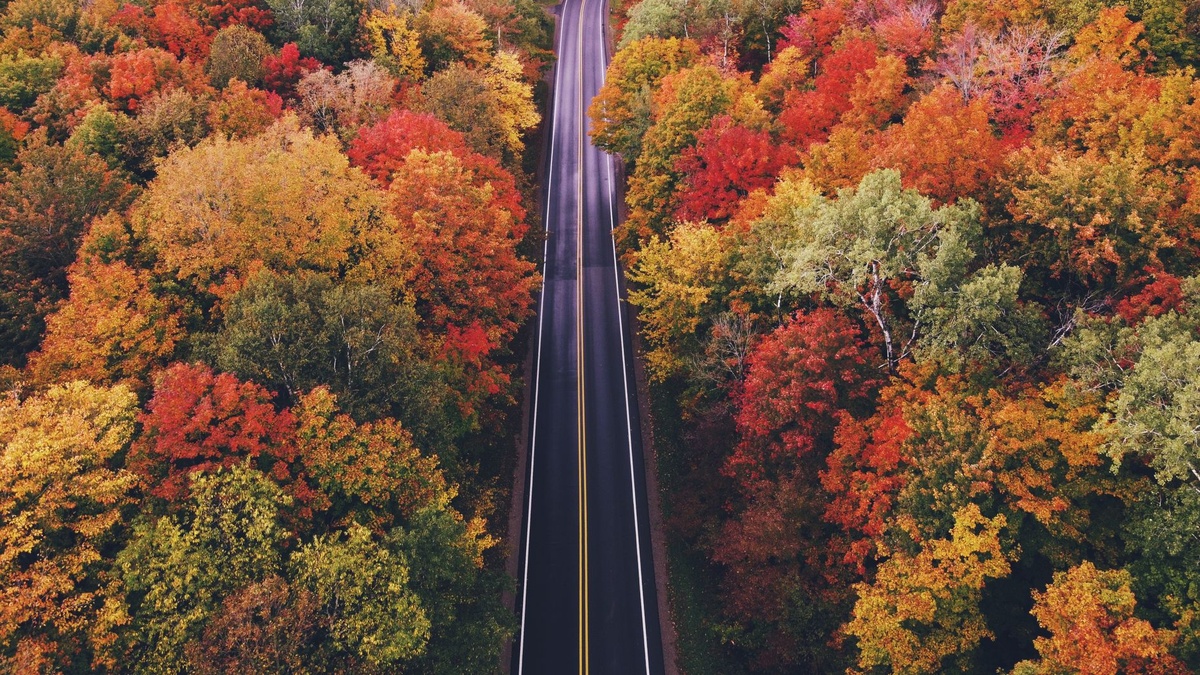
Acadia is not the reddest foliage destination in America, but it may be the most dramatic: orange blueberry barrens, dark spruce, granite cliffs, and the Atlantic all in one frame. Peak usually lands around October 7–20, with inland areas changing before the coast.
Costs: Acadia’s private vehicle pass is $35 for seven days, sold at nps.gov/acad or Recreation.gov. Cadillac Summit Road requires a separate timed vehicle reservation, usually $6, during the reservation season.
Hulls Cove Visitor Center is typically open 8:30 a.m.–4:30 p.m. in fall. Park Loop Road remains open 24 hours unless weather intervenes, but services shrink after Indigenous Peoples’ Day.
Skip Cadillac Mountain sunrise unless you genuinely love waking at 4:30 a.m. Do sunset from Blue Hill Overlook instead; it is less chaotic and you still get the layered island view.
Eat here: Side Street Cafe in Bar Harbor is the better casual pick over the waterfront lobster traps; lobster mac runs about $28 and actually fills you up. For a splurge, book The Burning Tree in Otter Creek, where mains hover around $32–$45.
Comparison: Bar Harbor hotel rooms can hit $325–$500/night on October weekends. Ellsworth, 20 miles away and about 35 minutes by car, often prices at $150–$230/night with easier parking.
4. Adirondacks, New York: Best Big-Mountain Color Without New England Prices
The Adirondacks deliver serious foliage without quite as much New England mythology baked into the room rates. Lake Placid, Keene Valley, and Saranac Lake give you mountain views, mirror-like water, and excellent hiking within a compact 40-mile loop.
Peak color usually hits the High Peaks around September 25–October 8. Lower-elevation towns like Lake George often peak one to two weeks later, which gives you flexibility if your dates are fixed.
Costs: Parking at the Adirondack Mountain Reserve lot for popular trailheads like Indian Head requires a free reservation at hikeamr.org. Whiteface Mountain Veterans’ Memorial Highway usually costs about $20 for driver plus vehicle and $20 per additional adult, with fall hours commonly 8:45 a.m.–5:30 p.m. until seasonal closure.
Skip Lake Placid’s busiest Mirror Lake hotels on peak weekends. Saranac Lake is 9 miles away, about 15 minutes by car, and rooms can be $60–$120 cheaper per night.
Eat here: Big Slide Brewery in Lake Placid is worth the wait; pizzas run about $18–$24. For breakfast, Origin Coffee Co. beats most hotel buffets, with espresso drinks around $5 and sandwiches around $10.
Car vs. train: New York City to Lake Placid is roughly 290 miles and 5 hours by car. Amtrak to Westport from Moynihan Train Hall can be about $55–$95 one-way and takes around 5.5 hours, then you need a 45-minute shuttle or rental car.
If you want a car-light version of the trip, read Distratech’s guide to the best Amtrak routes for fall foliage before you commit to a rental.
5. Colorado’s San Juan Skyway: Best Golden Aspen Road Trip
Colorado does fall differently: fewer red maples, more electric-gold aspens against dark evergreens and sharp peaks. The San Juan Skyway, a 236-mile loop through Durango, Silverton, Ouray, Telluride, and Cortez, is the state’s best autumn drive.
The 2026 sweet spot should be September 20–October 5, earlier than most eastern foliage trips. This is part of the bigger September altitude-shift trend: travelers are trading crowded beaches for off-peak alpine stays, and mountain-view lodging demand has been surging.
Costs: The Durango & Silverton Narrow Gauge Railroad starts around $105–$125 for standard adult round trips in fall, booked at durangotrain.com. Million Dollar Highway viewpoints are free, but fuel is not cheap; budget $45–$70 in gas for the loop, depending on your vehicle.
Skip driving Ouray to Silverton in bad weather or after dark. The road has steep drop-offs, no guardrails in places, and a 25-mile stretch that feels longer than it looks.
Eat here: In Ouray, BrickHouse 737 is the smart dinner reservation, with entrées around $28–$42. In Durango, James Ranch Grill is better for lunch than downtown tourist patios; burgers are about $17 and the mountain setting does half the work.
Comparison: Denver to Durango is about 336 miles and 6.5–7 hours by car. Flying Denver to Durango-La Plata can take 1 hour 15 minutes, but fares often run $180–$380 round-trip in September; driving wins if you want flexibility.
6. Great Smoky Mountains: Best Budget Fall Foliage Trip
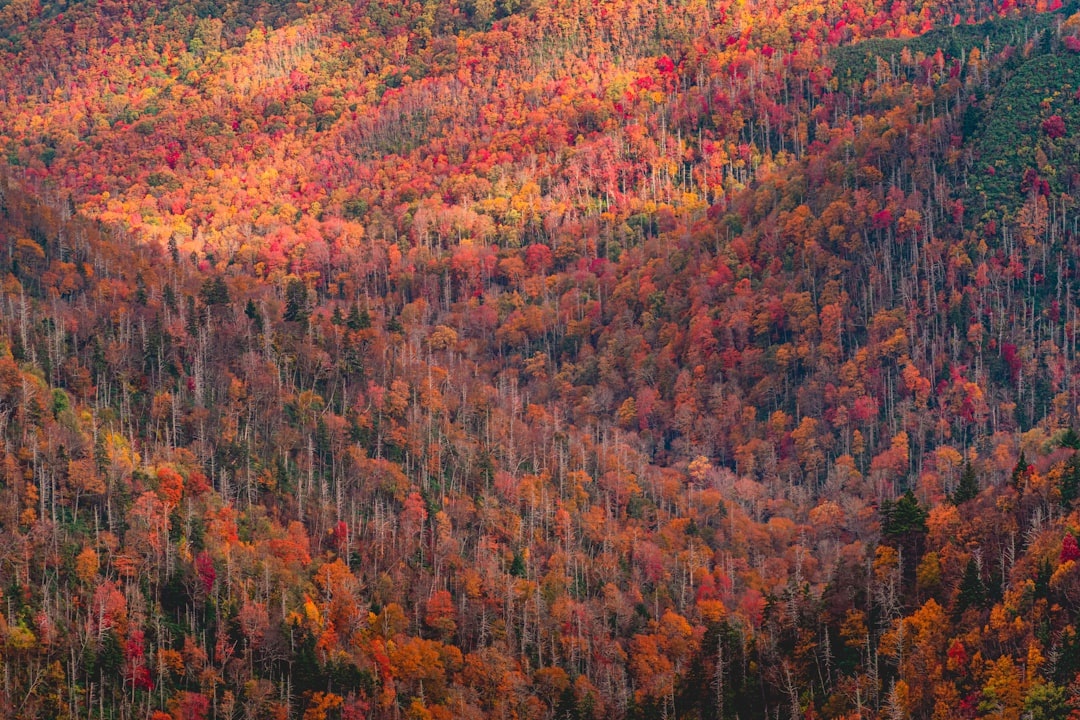
Great Smoky Mountains National Park is the value play for late-season color. There is no entrance fee, the foliage window is long, and the elevation range means you can chase color from high ridges down to valleys over several weeks.
For 2026, target October 18–November 5. Early color starts near Clingmans Dome/Kuwohi and Newfound Gap; later color hits Cades Cove and lower Gatlinburg roads.
Costs: The park has no entry fee, but parking tags cost $5/day, $15/week, or $40/year via Recreation.gov or park kiosks. Cades Cove Loop Road is 11 miles and free to drive, but it can take 2–4 hours during peak foliage traffic.
Sugarlands Visitor Center near Gatlinburg is usually open 9 a.m.–5 p.m. in fall. Go there for maps and restroom stops before driving Newfound Gap Road, where services are limited.
Skip Gatlinburg’s main strip if you came for nature. Stay in Townsend instead: it is quieter, closer to Cades Cove, and cabins often run $140–$240/night versus $220–$350/night in central Gatlinburg.
Eat here: The Dancing Bear Appalachian Bistro in Townsend is genuinely good, not just “good for a gateway town,” with mains around $26–$44. For cheap breakfast, Crockett’s Breakfast Camp in Gatlinburg is filling but crowded; go before 8 a.m. or do Apple Valley Cafe in Townsend instead.
Comparison: Knoxville airport to Townsend is 24 miles and about 35 minutes; Knoxville to Gatlinburg is 44 miles and often 1 hour 15 minutes in October traffic. Townsend wins for sanity.
7. Upper Peninsula, Michigan: Best Underrated Lakeside Color
Michigan’s Upper Peninsula is criminally underrated for fall color, especially if you want waterfalls, Lake Superior cliffs, and fewer tour buses than New England. The best loop links Marquette, Munising, Pictured Rocks, and Porcupine Mountains Wilderness State Park.
Peak usually falls around September 28–October 12. Weather changes fast up here, so pack a real shell, not a fashion flannel.
Costs: Pictured Rocks National Lakeshore has a $20 per vehicle entrance fee valid for seven days. Pictured Rocks Cruises from Munising typically run about $48–$65 for adults in fall and should be booked at picturedrocks.com.
Porcupine Mountains Wilderness State Park requires a Michigan Recreation Passport; non-resident daily passes are about $11. The visitor center is generally open 8 a.m.–4 p.m. in fall, but hours shorten later in October.
Eat here: In Marquette, The Vierling is the old-school pick for whitefish, with plates around $22–$30. In Munising, skip random pasty counters and go to Tracey’s at Roam Inn for better fish and cocktails.
Comparison: Driving Marquette to Munising is 44 miles and about 45 minutes; Munising to Porcupine Mountains is 155 miles and roughly 3 hours. Distances look small on the map, but UP roads make this a 4–5 day trip, not a weekend sprint.
Smart Planning Tips for a 2026 Fall Foliage Trip
Fall foliage travel rewards people who plan like photographers, not tourists. Sleep near the first viewpoint, drive early, and eat dinner later than everyone else.
- Book lodging Sunday–Thursday: In foliage hotspots, weekday rates can be 25–40% lower than Friday and Saturday.
- Use live color tools: Check SmokyMountains.com’s foliage map, state tourism foliage trackers, and recent Instagram geotags.
- Download offline maps: Google Maps offline is free; Gaia GPS Premium costs about $59.90/year and is better for trail layers.
- Reserve timed entries early: Acadia’s Cadillac reservations and popular train rides sell out first.
- Do not overdrive: A 100-mile foliage day can take 5 hours with overlooks, lunch, and traffic.
For flights, September remains the rare shoulder-season win: warm weather, fewer school-holiday crowds, and generally better fares than peak summer. If you are pairing a foliage trip with Thanksgiving or winter travel, use Distratech’s 2026–27 flight booking calendar so you do not overpay twice.
International visitors should also think about connectivity before driving into mountain valleys. A U.S. eSIM from Airalo can be cheaper than roaming, but download offline maps anyway because Acadia, the Adirondacks, and the Smokies all have dead zones.
Where to Stay: My Quick Verdict
If this is your first U.S. foliage trip, base in Boston for two nights, then head north into Vermont or New Hampshire. It gives you nonstop flight options, rental car competition, Amtrak access, and a soft landing before country-road driving.
Compare hotels in Boston for the first night, then move closer to the leaves. Boston airport hotels can run $190–$320/night in September and October, while downtown properties often jump to $300–$500/night during convention weeks.
For the best overall trip, I would pick Vermont Route 100 for romance, the White Mountains for drama, and the Smokies for value. I would skip overpriced peak-weekend Stowe unless you have a specific inn or restaurant you are excited about.
Final Call: The Best Fall Foliage Pick for 2026
If you want the safest all-around choice, go to New Hampshire’s White Mountains during the first two weeks of October. You get classic color, big mountain views, reasonable driving distances, and enough towns to pivot if lodging spikes.
If you are traveling in September, choose Colorado or northern Maine. If you are late to planning, go south to the Smokies in late October, where the season lasts longer and your dollar stretches further.
Save this guide, check live foliage reports 7–10 days before departure, and book refundable lodging where possible. Autumn color is predictable in pattern, not exact timing — the flexible traveler gets the best show.
Frequently Asked Questions
When is the best time to see fall foliage in the USA?
The best national window is late September through early November. Northern New England and Colorado peak around Sept. 20–Oct. 12, while the Smokies and southern Appalachians usually peak from Oct. 18–Nov. 5.
Where is the best fall foliage in the USA?
For classic red and orange color, Vermont Route 100 and New Hampshire’s White Mountains are the strongest picks. For golden aspens, choose Colorado’s San Juan Skyway in late September.
How much does a fall foliage trip cost?
A 3-night foliage trip typically costs $650–$1,400 per person with lodging, car rental, fuel, meals, and park fees. Budget travelers should target the Great Smoky Mountains, where entry is free and parking starts at $5/day.
Can you see fall foliage without renting a car?
Yes, but you need to choose carefully. Amtrak routes from New York or Boston to Vermont, the Hudson Valley, and upstate New York can cost about $31–$95 one-way, but rural trailheads usually still require shuttles, taxis, or bikes.

About the Author: Tomáš Bzirský
Founder and editor of Distratech. Based in the Czech Republic, travelling regularly from Central Europe. Writes practical travel guides and travel-tech comparisons (eSIM, apps, airports) in six languages.