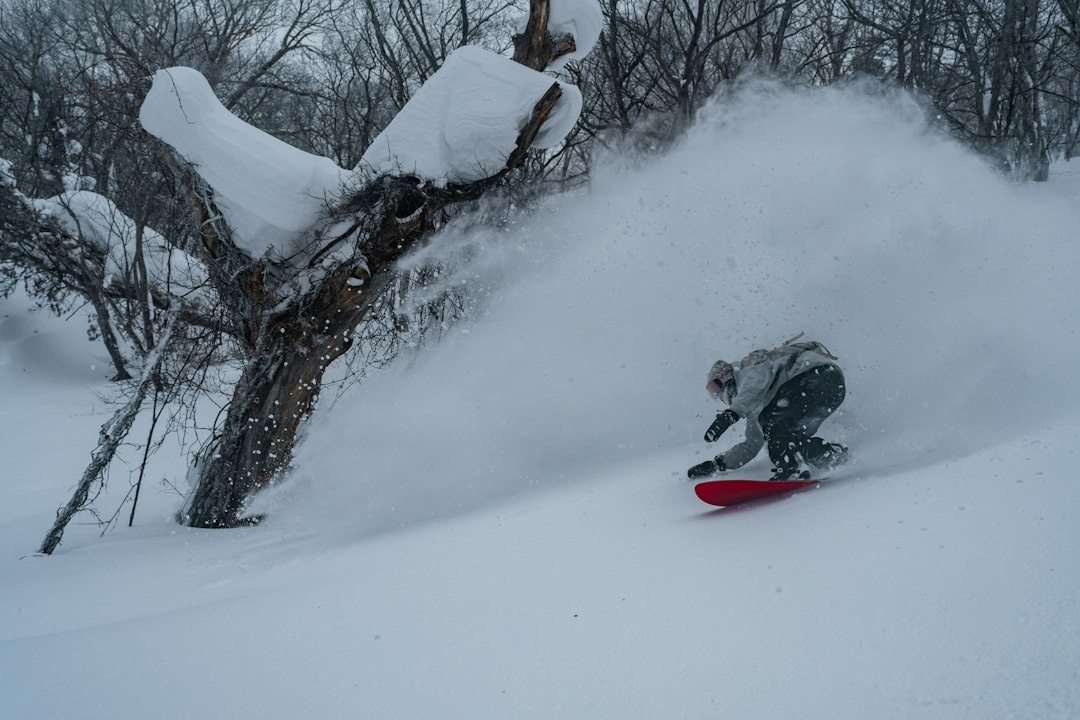
January in Japan is not a ski holiday with some snow on the side. It is the month the Siberian high sits down over the Sea of Japan and pumps cold, dry storms into Hokkaido and the Northern Alps almost every day. Niseko averages roughly 15 metres of snow a season; Hakuba around 11. Both get the bulk of it between late December and mid-February.
The catch is that first-timers waste money on the wrong valley, the wrong airport, and the wrong lift pass. It’s November 2026 now, which is the last sensible window to lock in January 2027 flights and beds before prices jump again. Here’s the exact sequence I’d follow.
Key Takeaways
- Niseko gets more snow (15 m/season) and is easier to navigate; Hakuba has steeper, bigger-vertical terrain (1,071 m at Happo-One) and costs 30-50% less for accommodation.
- For Niseko fly to New Chitose (CTS) and take the Whiteliner bus (~€29, 2h45); for Hakuba fly to Haneda and take the Hokuriku Shinkansen to Nagano plus Alpico bus (~€69 total, about 3h30 from Tokyo Station).
- Niseko United All Mountain pass costs about €66/day in January 2027; a Hakuba Valley pass about €57/day — but a 7-day stay is cheaper than Ikon or Epic for both.
- Book accommodation before 1 December: Hirafu’s best self-catered apartments for 10-24 January 2027 are already 70%+ sold.
- Avoid 23 January–7 February 2027 in Niseko: Australian school holidays overlap with Chinese New Year (6 February) and prices peak.
Key Numbers at a Glance (January 2027, €1 ≈ ¥165)
| Metric | Niseko United | Hakuba Valley |
|---|---|---|
| Average seasonal snowfall | ~15 m | ~11 m |
| Top elevation / max vertical | 1,308 m / 940 m | 1,831 m / 1,071 m (Happo-One) |
| Resorts on one pass | 4 interlinked | 10 (not interlinked, shuttle bus) |
| Adult day pass, January | ¥10,900 (~€66) | ¥9,400 (~€57) |
| Nearest major airport | New Chitose, 110 km | Haneda, ~300 km |
| Airport to resort (cheapest sensible) | Bus, 2h45, ~€29 | Train + bus, ~3h30, ~€69 |
| 1-bed self-catered apartment, mid-Jan | €280-420/night | €140-220/night |
| Multi-pass partner | Ikon (7 days) | Epic (5 days) |
Step 1: Choose Your Valley Honestly
Niseko is the easy answer, and that’s not an insult. Four resorts (Grand Hirafu, Hanazono, Niseko Village, Annupuri) share one mountain, one pass and one lift-linked trail map. English is everywhere, the gate-accessed backcountry is patrolled and well signed, and the snow is lighter and more consistent than anywhere else that has a chairlift.
Hakuba is a valley of ten separate resorts strung along 30 km of road under 3,000 m peaks. Happo-One alone has more vertical than all of Niseko. The terrain is steeper, the views are alpine rather than volcanic, and a pension room costs what a Niseko parking space does.
The honest trade-off: Hakuba’s top lifts close in high wind far more often than Niseko’s, and it has more “between storm” days. Niseko’s downside is price and crowds on the Hirafu groomers between 9 and 11 a.m.
Decision framework
- Choose Niseko if: it’s your first time skiing deep powder, you’re travelling with mixed-ability friends or kids, you want tree skiing without a guide, or you refuse to cook and want 50+ restaurants within walking distance.
- Choose Hakuba if: you’re a strong intermediate or above, you like long steep fall-line runs, your budget is under €2,500 for the week, or you want to pair skiing with Tokyo, Nagano’s Zenko-ji temple and the Jigokudani snow monkeys (1h15 from Hakuba).
- Choose both if: you have 12+ days. Do Hakuba first (ski legs on steeper terrain), then fly Haneda–Chitose (1h35, ~€75 on JAL’s Japan Explorer Pass fare) for a Niseko finale.
Step 2: Pick the Right Airport — New Chitose vs Haneda vs Narita
No airline flies direct from Europe to New Chitose (CTS). You connect in Tokyo, Seoul (Korean Air, ~2h50 to CTS) or Taipei. Finnair and JAL’s Helsinki–Tokyo flights paired with an ANA or JAL domestic add-on are the smoothest; book the domestic leg on JAL’s Japan Explorer Pass or ANA’s Discover Japan fare for ¥7,700-13,000 (€47-79) instead of the ¥40,000+ walk-up price.
For Hakuba, Haneda wins over Narita. Haneda is 15 minutes from Shinagawa by Keikyu and 30 minutes from Tokyo Station; Narita is 55-60 minutes on the Narita Express (¥3,070). The one Narita trick: take the Keisei Skyliner to Ueno (41 min, ¥2,570) and board the Hokuriku Shinkansen there — Ueno is a Shinkansen stop and you skip the Tokyo Station scrum.
Black Friday matters here. Finnair, Qatar, Turkish and Etihad all ran Japan fares in the €620-780 return range last November; this week watch for the same. A January 2027 Europe–Tokyo return booked in mid-November 2026 should land at €700-950, versus €1,100-1,400 if you wait until mid-December.
Airport-to-resort transfer options compared (January 2027 prices)
| Route | Option | Time | Cost per person (€) | Book via |
|---|---|---|---|---|
| CTS → Niseko Hirafu | Whiteliner / Resort Liner bus | 2h45-3h | €29-32 one way | whiteliner.jp, hokkaidoresortliner.jp |
| CTS → Niseko Hirafu | JR via Sapporo + Otaru to Kutchan, then bus | 3h30-4h | €22 | Suica at the gate; no reservation needed |
| CTS → Niseko Hirafu | Private van transfer (up to 8) | 2h15 | €230-270 per vehicle | skybus.co.jp, SkiJapan |
| Haneda → Hakuba Happo | Train to Tokyo Stn + Hokuriku Shinkansen to Nagano + Alpico bus | 3h30-4h | €69 (€3 + €49 + €17) | smart-ex.jp / JR East app, alpico.co.jp |
| Haneda or Narita → Hakuba | Nagano Snow Shuttle direct bus | 5h-6h | €64-70 | naganosnowshuttle.com |
| Shinjuku → Hakuba | Alpico highway bus | 5h | €35 | highwaybus.com |
My pick for Niseko is the Whiteliner; it drops at Hirafu Welcome Centre with a free connecting shuttle to most lodges. For Hakuba take the Shinkansen (the “Kagayaki” does Tokyo–Nagano in 1h20) and sit on the right side for Mount Asama views. Buses on the Saturday of each January weekend sell out two to three weeks ahead, so book transfers the same day you book flights.
Skip hiring a car at CTS unless you’ve driven on ice before. The Route 230 stretch over Nakayama Pass has whiteouts most January afternoons, and an SUV with chains costs €95-120/day plus €25/night parking in Hirafu.
Step 3: Niseko United vs Hakuba Valley — the Lift Pass Decision
Niseko United’s All Mountain pass is one card for all four resorts, and in January 2027 it’s ¥10,900 (~€66) per day, dropping to around €58/day on a 7-day pass bought online at niseko.ne.jp. Hanazono’s new gondola and the Annupuri gates mean you’ll genuinely use all four, so don’t buy a single-resort Grand Hirafu pass to save €8.
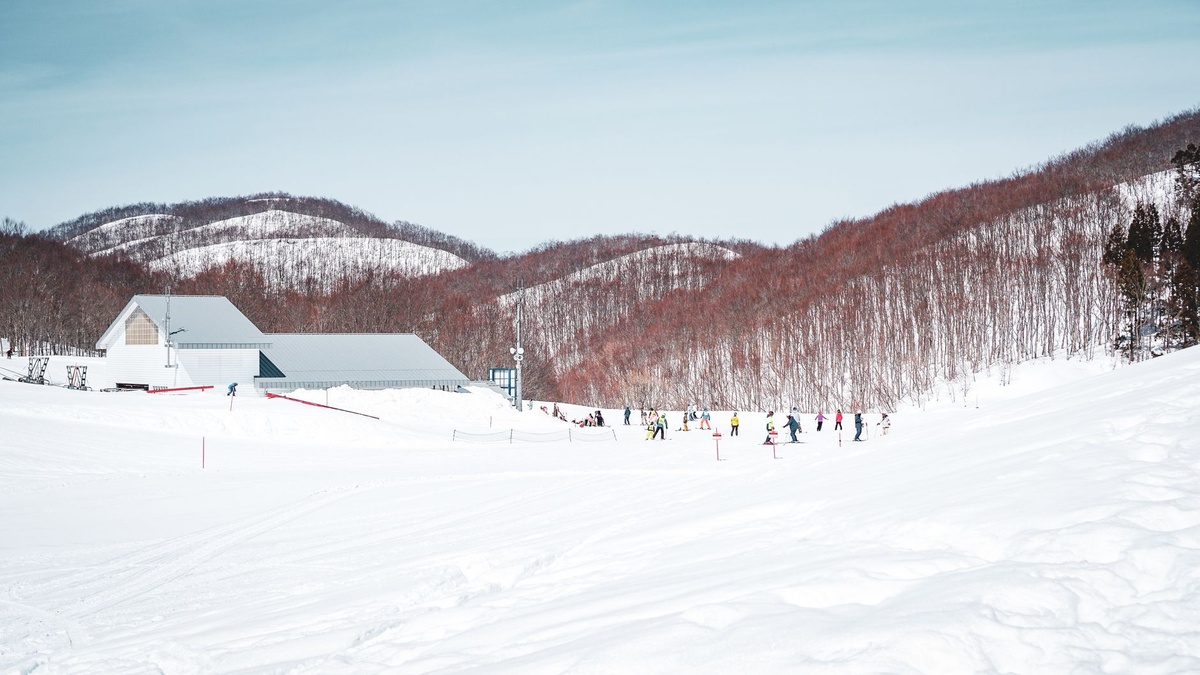
The Hakuba Valley pass is ¥9,400 (~€57) per day and covers all ten resorts plus the inter-resort shuttle. Most people ski Happo-One, Goryu/47 and Iwatake from the central villages, then bus 25 minutes north to Cortina and Norikura on a storm day — Cortina’s tree skiing is the best in the valley and rarely tracked out before noon.
Is Ikon or Epic worth it for one week?
A full Ikon Pass for 2026-27 runs about €1,250 and includes 7 days at Niseko United; Epic is about €1,000 and includes 5 days at Hakuba Valley (plus Rusutsu). If you’re only skiing Japan, both lose to the local multi-day pass: 7 days at Niseko bought locally is ~€405, and 6 days at Hakuba is ~€310.
The multi-pass only wins if you’d already be skiing 5+ days in the Alps or North America this winter. In that case, buy before the December price rise and treat Japan as “free” days.
- Niseko tech tip: download the Yukiyama app for live gate status and lift closures; the official niseko.ne.jp avalanche bulletin updates at 7 a.m. in English.
- Hakuba tech tip: the Hakuba Valley app shows which of the ten resorts actually have upper lifts open — check it at 8 a.m. before you commit to a shuttle.
- Both: snow-forecast.com’s “Niseko Annupuri” and “Happo-One” pages at 1,000 m are more reliable than any weather app’s village forecast.
Step 4: Book Beds and Decide Where You’ll Eat
In Niseko, stay in Hirafu if it’s your first trip: ski-in access, the bus hub, and the restaurants are all there. Expect €280-420/night for a one-bedroom apartment in mid-January 2027, or €120-160 for a twin in a lodge like Hirafu House or the Niseko Park Hotel. Niseko Village and Annupuri are quieter and 15-20% cheaper but you’ll depend on the shuttle after 5 p.m.
Check availability across the Hirafu, Village and Annupuri properties on one page via hotels in Niseko, then cross-check the same listing on the operator’s direct site; many Niseko managers (Vacation Niseko, H2 Group) knock 5-10% off direct bookings in January.
In Hakuba, base yourself in Happo Village or Echoland. A family-run pension with breakfast and dinner is €90-150 per person per night — Pension Lazy Daisy and Hakuba Gondola Hotel are reliable — while a modern apartment at Phoenix Hotel or The Happo runs €180-260/night. Wadano is quieter and ski-in for Happo-One’s Sakka slopes.
Where to eat (book the first two before you fly)
- Niseko: Bang Bang in Hirafu for yakitori (~€35 per person, reserve a week ahead); Niseko Ramen Kazahana for a €9 miso ramen after a cold day; Bar Gyu+ (“the fridge door bar”) for one hot toddy, not six. Skip the €90 wagyu teppanyaki places on Hirafu-zaka; the quality-to-price ratio is Tokyo-chain level.
- Hakuba: Izakaya Hie near Happo for local Shinshu dishes (~€28 with sake); Hakuba Brewing Company in Echoland for the pale ale and burgers; Sounds Like Cafe for the €6 flat white that fuels most of the valley’s ski instructors.
- Onsen: Yukoro in Hirafu (¥1,000, open to 10 p.m.) and Happo no Yu in Hakuba (¥900, open to 9:30 p.m.) are both walkable. Go at 8 p.m., not 4:30 p.m.
Step 5: Sort Gear, Data and Logistics
Rent rather than haul, unless you own fat skis. Rhythm Japan operates in both Niseko and Hakuba and charges ¥7,500-9,500 (~€45-58) per day for a 105-115 mm-waist powder ski; book online in November for 10% off. Bringing your own? Ship them from the airport with Yamato Takkyubin (¥2,800-3,500 per bag, delivered to your lodge in 1-2 days) instead of dragging them onto the Shinkansen.
Data: Japan has excellent coverage but almost no free Wi-Fi on mountain. A 10 GB / 30-day Japan eSIM from Airalo is about €14; Nomad often undercuts that on 20 GB plans. Install it on the plane, not at the airport counter queue.
Cash: many Hakuba pensions and some Niseko izakayas are still cash-only. 7-Eleven ATMs accept foreign cards with a ¥110 fee. Add Suica to Apple Wallet before you leave; it works on every train, bus and vending machine from Haneda to the Alpico bus.

Flights into Tokyo in January are frequently delayed by Hokkaido snow on the connecting leg. If a connection within the EU/UK leg leaves you stranded for more than three hours, AirHelp can claim up to €600 under EU261 — worth filing even if the airline rebooks you.
Sample 7-Night Budget: Niseko vs Hakuba (one adult, mid-January 2027)
| Item | Niseko (€) | Hakuba (€) |
|---|---|---|
| Return flight Europe–Tokyo (Nov 2026 sale fare) | 780 | 780 |
| Domestic add-on / transfers | 150 (HND–CTS €75 + Whiteliner €29 x2 + Haneda train €17) | 140 (Shinkansen + Alpico x2) |
| Accommodation, 7 nights (shared 1-bed, per person) | 1,120 (€320/night ÷ 2) | 560 (€160/night ÷ 2) |
| Lift pass, 6 days | 355 | 310 |
| Ski rental, 6 days | 290 | 270 |
| Food and drink (€55/day) | 385 | 330 (pensions include dinner) |
| Onsen, eSIM, misc | 80 | 80 |
| Total | €3,160 | €2,470 |
That €700 gap is almost entirely accommodation. If you’re travelling as a family on a tight budget and the kids are small, be honest about whether a week of deep snow beats a month of beach — our 28-night Thailand winter plan for families costs roughly the same per person as seven nights in Hirafu.
Common First-Timer Mistakes
- Booking 23 January–7 February 2027 in Niseko. Australian school holidays run into Chinese New Year (6 February 2027) and nightly rates jump 30-40%. Aim for 9-22 January instead.
- Flying into Narita for Niseko. The Narita–Chitose domestic schedule is thin; Haneda has 20+ daily departures and a 35-minute transit if you book JAL or ANA through-tickets.
- Not booking the transfer bus. Whiteliner and Alpico both sell out on January Saturdays; a last-minute taxi from CTS is €240.
- Ducking ropes in Niseko. Use the numbered gates. Patrol confiscates passes, and the out-of-gate terrain above Hanazono has killed people in exactly this kind of January.
- Expecting Hakuba’s top lifts to run every day. Happo-One’s upper lifts close in wind roughly one day in four in January; have a Cortina or Tsugaike tree-skiing plan B.
- Relying on a chatbot for route or avalanche advice. Use the resort’s own bulletin and the Yukiyama/Hakuba Valley apps; generative AI still hallucinates lift names and gate numbers.
- Packing like it’s the Alps. January temperatures sit at -8°C to -15°C on the hill with humidity that gets into everything; bring a second pair of gloves and a face covering, and dry boots on the lodge heater every night.
Lock It In This Week
The order is simple: pick your valley with the framework above, buy the Europe–Tokyo fare during this month’s Black Friday sales, add the CTS domestic leg or Shinkansen seat, then book accommodation and the transfer bus on the same evening. Lift passes and rentals can wait until December, when early-bird discounts are still live.
Do that before 1 December and you’ll pay €700-1,000 less than someone deciding in the new year — and you’ll have your pick of the storms. Already been to one valley? Tell us in the comments which you’d send a first-timer to, and why.
Frequently Asked Questions
Is Niseko or Hakuba better for a first Japan ski trip?
Niseko is better for most first-timers: more snow (around 15 m a season), four linked resorts on one pass, and English everywhere. Choose Hakuba if you’re an advanced skier who wants steeper terrain and a budget roughly 25-30% lower — our sample week comes to €2,470 versus €3,160.
How much does a Niseko United lift pass cost in January 2027?
An adult All Mountain day pass is about ¥10,900 (~€66) in January 2027, falling to roughly €58 per day on a 7-day pass bought online. The Hakuba Valley equivalent is ¥9,400 (~€57) per day.
Which airport should I fly into for Niseko?
New Chitose (CTS), 110 km from Niseko. There are no direct flights from Europe, so connect via Haneda (1h35, €47-79 on JAL or ANA tourist fares) or Seoul, then take the Whiteliner bus for about €29 and 2h45.
How do I get from Tokyo to Hakuba?
Take the Hokuriku Shinkansen from Tokyo or Ueno to Nagano (1h20-1h30, ~€49), then the Alpico bus to Hakuba (70 min, ~€17). Door to door from Haneda it’s about 3h30-4h for roughly €69.
When is the best week in January 2027 for powder in Japan?
Statistically 9-22 January: the storm cycle is at its most consistent and you avoid the 23 January–7 February crowd surge from Australian school holidays and Chinese New Year (6 February 2027). Accommodation in that window is also 30-40% cheaper than the following fortnight.

About the Author: Tomáš Bzirský
Founder and editor of Distratech. Based in the Czech Republic, travelling regularly from Central Europe. Writes practical travel guides and travel-tech comparisons (eSIM, apps, airports) in six languages.