'/%3E%3Cpath%20fill='%23b2b2b2'%20d='M241%20382q0%2016%2017%2026%2017%2011%2042%2011t42-11q16-11%2017-26V269H241'/%3E%3Cpath%20fill='%239f7e00'%20d='M241%20379q0%2014%208%2023%209%209%2021%209%2014%200%2021-9%209-9%209-23V269h-59'/%3E%3Cpath%20d='M241%20339v-70h59v110q0%2014-9%2023l-6%205v-68h-15v72q-8%200-14-4v-68zm59%2040c0%2022%2015%2032%2029%2032%2021%200%2030-18%2030-32v-40h-59'/%3E%3Cpath%20fill='%239f7e00'%20d='M266%20277v5h2v12h-3v-5h2v-5h-9v5h2v5h-4v9h3v18h-5v10h34v-10h-5v-18h3v-9h-4v-5h2v-5h-9v5h2v5h-3v-12h2v-5zm42%20101q0%2010%206%2017%206%206%2015%207%2010-1%2016-7%206-7%206-17v-29h-43'/%3E%3Ccircle%20fill='%230044ad'%20cx='329.5'%20cy='372'%20r='6'/%3E%3Cellipse%20fill='%230044ad'%20cx='300'%20cy='340'%20rx='16'%20ry='21'/%3E%3C/svg%3E)
'/%3E%3C/svg%3E)


'/%3E%3C/g%3E%3Cuse%20href='%23c'%20transform='matrix(-1%200%200%201%20720%200)'/%3E%3C/svg%3E)


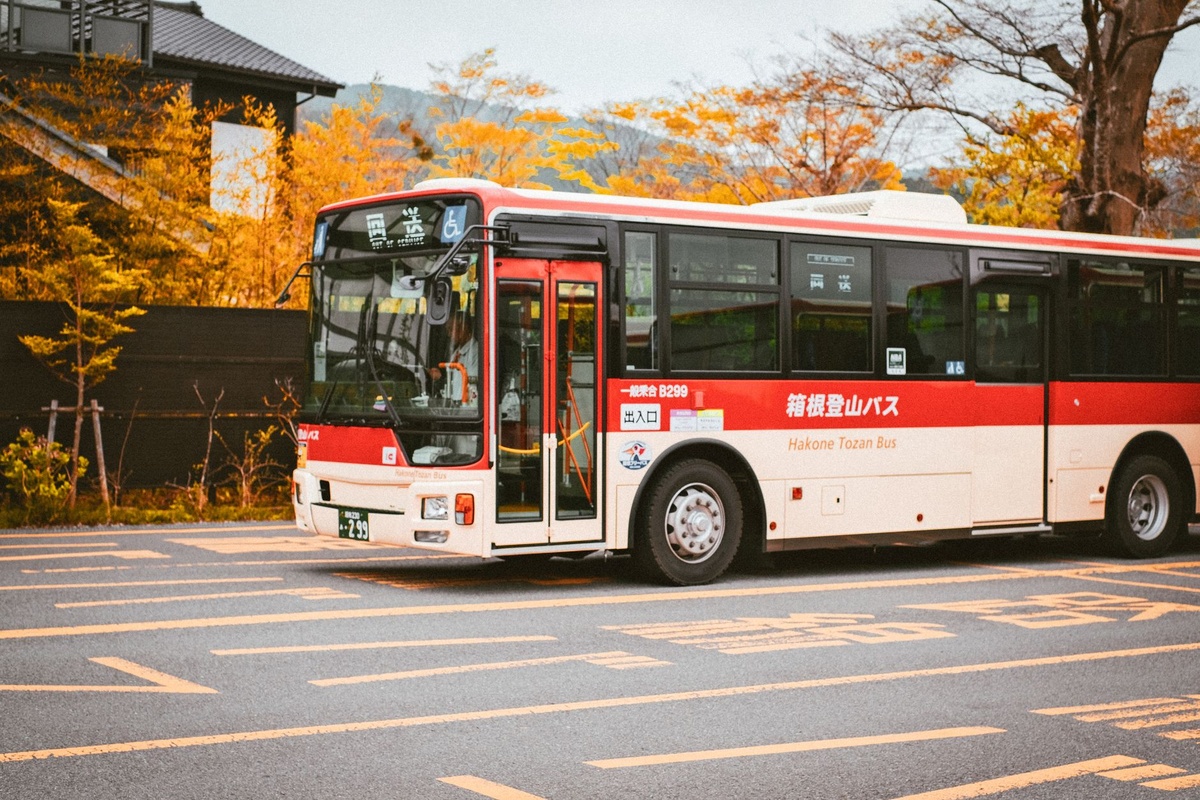
Japan’s famous nationwide JR Pass looks like the obvious choice for a family crossing the country, but on a Tokyo–Hakone–Kyoto–Kinosaki wellness itinerary, it can cost more than buying every train separately. For two adults and two children aged 6–11 traveling in September 2026, individual JR tickets plus the Hakone Freepass save approximately ¥35,360 (€208/$244) over a seven-day national pass.
Key Takeaways
- A seven-day ordinary JR Pass costs a family of four ¥150,000 (€882/$1,034) before Hakone transport.
- Individual JR tickets plus four Odawara-origin Hakone Freepasses total about ¥129,640 (€762/$894).
- The 429-kilometer Odawara–Kyoto leg takes roughly 2 hours on a direct Hikari and costs ¥12,300 per adult.
- A Kansai Wide Area Pass only wins if you add Himeji, Okayama or another substantial JR day trip.
- Avoid Japan’s September 19–23, 2026 Silver Week unless trains and family ryokan are booked well ahead.
Key Numbers at a Glance
All yen fares below are September 2026 planning prices. Euro and dollar conversions use ¥170 = €1 and ¥145 = $1; your card’s exchange rate will vary, so compare the final price in yen.
| Item | Adult | Child 6–11 | Family of four | Time or validity |
|---|---|---|---|---|
| National JR Pass, ordinary | ¥50,000 (€294/$345) | ¥25,000 (€147/$172) | ¥150,000 (€882/$1,034) | 7 consecutive days |
| Hakone Freepass from Odawara | ¥6,000 (€35/$41) | ¥1,500 (€9/$10) | ¥15,000 (€88/$103) | 2 days |
| Tokyo–Odawara, unreserved Shinkansen | ¥3,280 (€19/$23) | ¥1,640 (€10/$11) | ¥9,840 (€58/$68) | 33–36 minutes |
| Odawara–Kyoto, reserved Hikari | About ¥12,300 (€72/$85) | About ¥6,150 (€36/$42) | About ¥36,900 (€217/$254) | About 2 hours |
| Kyoto–Kinosaki Onsen | About ¥5,370 (€32/$37) | About ¥2,680 (€16/$18) | About ¥16,100 (€95/$111) | 2 hours 20–35 minutes |
| Kinosaki Onsen–Tokyo | About ¥17,270 (€102/$119) | About ¥8,630 (€51/$60) | About ¥51,800 (€305/$357) | 4 hours 40–55 minutes |
Prices apply to the itinerary and assumptions described here in September 2026. Japanese rail fares can vary slightly by train, seat type, season and whether through fares or separate tickets are issued.
The Assumptions Behind This Comparison
This guide assumes two adults and two children aged 6–11, all using their own seats. Children under six can usually travel free with a fare-paying adult if they do not occupy a reserved seat, but that is a poor strategy on a two-hour Shinkansen ride.
The route is Tokyo → Hakone for two nights → Kyoto → Kinosaki Onsen → Tokyo. It covers approximately 1,344 rail kilometers, including 84 kilometers from Tokyo to Odawara, 430 kilometers onward to Kyoto and 158 kilometers from Kyoto to Kinosaki.
The comparison uses ordinary-class reserved seats on the longer journeys and an unreserved seat from Tokyo to Odawara. Green Car upgrades are comfortable, but four ordinary seats arranged as two pairs already give a family more practical space than many European first-class trains.
The national JR Pass must also fit inside seven consecutive days. If your Tokyo-to-Kinosaki journey spans eight or nine days, the ¥80,000 adult 14-day pass becomes dramatically worse: ¥240,000 (€1,412/$1,655) for this family versus roughly ¥114,640 for the comparable individual JR journeys.
Option 1: The National JR Pass Is Convenient, but Not Good Value
The seven-day ordinary JR Pass costs ¥50,000 per adult and ¥25,000 per child, producing a family total of ¥150,000. Buy through the official Japan Rail Pass website or an authorized overseas seller, and confirm that every traveler qualifies as a temporary visitor.
The pass covers the Tokyo–Odawara Shinkansen, Odawara–Kyoto Hikari services, the Kyoto–Kinosaki Limited Express Kinosaki and the JR journey back to Tokyo. It does not cover Hakone’s ropeway, mountain railway, pirate-style sightseeing cruise or most local buses.
That missing Hakone coverage raises the realistic family total to approximately ¥165,000 (€971/$1,138) after adding Odawara-origin Hakone Freepasses. Individual tickets plus the same Hakone passes cost about ¥129,640, a difference equivalent to a family shojin ryori lunch and a luggage-forwarding service.
The Nozomi problem
The national pass still does not provide unrestricted Nozomi travel. Pass holders need a separate special ticket to use the fastest Nozomi or Mizuho services, so the practical Odawara–Kyoto choice is a direct Hikari or a transfer.
That is not a major loss from Odawara because most Nozomi trains do not stop there anyway. However, on Kyoto–Tokyo, a Nozomi takes about 2 hours 10 minutes versus roughly 2 hours 40 minutes on many Hikari services.
Verdict: skip the national JR Pass for this four-stop itinerary. Choose it only if you compress all long-distance journeys into seven days and add another expensive detour, such as Kyoto–Hiroshima–Kyoto, worth roughly ¥22,000 per adult.
Option 2: Hakone Freepass Plus Individual JR Tickets Wins
The best-value setup is surprisingly simple: buy individual JR tickets for the intercity legs and a two-day Hakone Freepass from Odawara. The family spends approximately ¥129,640 (€762/$894) in total, including Hakone transportation.
| Journey or pass | Distance | Family price, September 2026 | Typical duration | Best booking channel |
|---|---|---|---|---|
| Tokyo–Odawara | 84 km | ¥9,840 (€58/$68) | 33–36 min | JR ticket machine or staffed counter |
| Hakone Freepass from Odawara | Local transport network | ¥15,000 (€88/$103) | 2 days | Odakyu or Odawara Station |
| Odawara–Kyoto | 430 km | About ¥36,900 (€217/$254) | About 2 hr | SmartEX or JR counter |
| Kyoto–Kinosaki Onsen | 158 km | About ¥16,100 (€95/$111) | 2 hr 20–35 min | JR West or JR counter |
| Kinosaki Onsen–Tokyo | About 672 km via Kyoto | About ¥51,800 (€305/$357) | 4 hr 40–55 min | JR West plus SmartEX, or one JR counter transaction |
| Total | About 1,344 km | ¥129,640 (€762/$894) | Four travel days | Mixed |
Why the Hakone Freepass matters
The Odawara-origin two-day pass costs ¥6,000 per adult and ¥1,500 per child. It covers the Hakone Tozan train, cable car, ropeway, selected buses and the Lake Ashi sightseeing cruise; check current service notices at the official Odakyu Hakone Freepass page.
Paying separately for a classic loop can exceed ¥7,000 per adult, depending on stops. The pass also prevents repeated ticket-machine negotiations while two children are asking when the pirate ship leaves.
The pass does not include the Shinkansen from Tokyo or a Romancecar limited-express surcharge. A Shinjuku-origin Freepass is cheaper if your hotel is near Shinjuku: approximately ¥7,100 per adult and ¥1,600 per child, plus around ¥1,200 per adult and ¥600 per child for reserved Romancecar seats.
For the whole family, the Shinjuku pass plus Romancecar comes to roughly ¥21,000 (€124/$145). Tokyo Station–Odawara Shinkansen tickets plus Odawara Freepasses cost about ¥24,840 (€146/$171), but save around 40–60 minutes if you are staying near Tokyo Station, Ginza or Ueno.
My choice: use the Shinkansen from Tokyo Station if your hotel is east of Shinjuku. Skip crossing Tokyo with luggage just to save ¥3,840; the transfer can erase both the financial and time advantage.
A stopover ticket can trim the price further
A staffed JR counter can sometimes issue one Tokyo–Kyoto basic-fare ticket permitting a stopover at Odawara, with separate Shinkansen supplements for each segment. That can save a few hundred yen per adult compared with fully separate Tokyo–Odawara and Odawara–Kyoto fares.
Do not assume a discounted SmartEX product allows the same stopover. Most app-issued Shinkansen products are tied to a specific segment; exiting at Odawara can terminate the ticket.
Option 3: Regional Rail Passes Only Work With Extra Day Trips
The most relevant regional product is JR West’s Kansai Wide Area Pass, sold through the official JR West booking site. At approximately ¥12,000 per adult and ¥6,000 per child for five days, the family price is ¥36,000 (€212/$248).
It covers Kyoto–Kinosaki Onsen and the return to Kyoto, plus destinations including Osaka, Nara, Himeji and Okayama. It does not cover the Tokaido Shinkansen between Tokyo, Odawara and Kyoto.
| Ticket strategy | Family rail cost | Hakone included? | Best use case |
|---|---|---|---|
| Individual JR tickets | About ¥114,640 (€674/$791) | No | Tokyo–Hakone–Kyoto–Kinosaki–Tokyo only |
| Individual JR + Hakone Freepass | About ¥129,640 (€762/$894) | Yes | Best overall choice for this itinerary |
| Kansai Wide hybrid + Hakone | About ¥140,240 (€825/$967) | Yes | Kinosaki plus at least one substantial Kansai day trip |
| 7-day national JR Pass + Hakone | ¥165,000 (€971/$1,138) | Yes | Only with another long intercity journey |
| 14-day national JR Pass + Hakone | ¥255,000 (€1,500/$1,759) | Yes | Not sensible for this route |
The Kansai Wide pass costs roughly ¥3,800 more for the family than buying a simple Kyoto–Kinosaki round trip, before considering through-fare savings toward Tokyo. Add a Kyoto–Himeji Shinkansen day trip, however, and the pass moves into profit because that excursion can cost around ¥30,000 for four.
The cheaper Kansai Area Pass is a trap for this itinerary: it does not extend to Kinosaki Onsen. Skip it, even if an online map makes the coverage look close.
A Clear Decision Framework
- Choose individual JR tickets plus the Hakone Freepass if your route is limited to Tokyo, Hakone, Kyoto and Kinosaki.
- Choose the Shinjuku-origin Hakone Freepass if you are staying in western Tokyo and prefer one direct Romancecar ride over a faster Shinkansen connection.
- Choose the Kansai Wide Area Pass if you add Himeji, Okayama, Kurashiki or another costly JR West excursion within five consecutive days.
- Choose the seven-day national JR Pass only if an additional Hiroshima-scale return journey pushes individual JR fares beyond ¥50,000 per adult.
- Choose no rail pass at all for a child under six only if the child can genuinely travel without a dedicated reserved seat.
A useful break-even rule is ¥50,000 per adult. If the long-distance JR journeys inside the same seven-day window total less than that, the national pass is primarily a convenience purchase rather than a saving.
The Best 10-Night Family Wellness Itinerary
Days 1–3: Tokyo
Spend three nights recovering from the flight rather than rushing directly to Hakone. A family room near Tokyo Station costs roughly ¥32,000–¥45,000 (€188–€265) nightly in September, while comparable rooms in Shinjuku often begin around ¥28,000.
For a gentle first-day soak, Toyosu Senkyaku Banrai’s Tokyo Toyosu Manyo Club operates 24 hours, with daytime admission generally around ¥3,850 per adult and lower child rates. Check tattoo rules and maintenance dates before visiting; a neighborhood sento costing ¥550 is far cheaper but usually has fewer family-friendly facilities.
For dinner, book Tokyo Shiba Tofuya Ukai near Tokyo Tower, typically open for lunch and dinner with seasonal closures. Set menus cost considerably more than a station meal, but the garden setting is a better first-night experience than paying inflated prices for character cafés.
Days 4–5: Hakone
Take a morning Kodama from Tokyo to Odawara in 33–36 minutes, collect or activate the Hakone Freepass, and continue to Hakone-Yumoto. The local Odakyu ride takes about 15 minutes versus 35–50 minutes by road when weekend traffic backs up.
Stay at Hakone Kowakien Hotel for family pools and easy Yunessun access, or Hakone Yutowa for a calmer Gora base. A family room with breakfast can run ¥45,000–¥70,000 (€265–€412) nightly; a private ryokan with dinner may exceed ¥100,000.
Complete the loop clockwise only if the ropeway is operating. Hakone Ropeway generally runs around 9:00 a.m.–4:45 p.m. from February through November, while lake cruise times vary seasonally; volcanic gas or strong wind can close either service.
Gora Park normally opens from 9:00 a.m.–5:00 p.m., with last entry around 4:30 p.m. Entry is included with many Hakone Freepass products, compared with approximately ¥650 per adult without one.
For lunch, choose Hatsuhana Soba Honten in Hakone-Yumoto over a rushed convenience-store meal. Expect roughly ¥1,500–¥2,500 per person and verify its changing weekly closing day before building the day around it.
Days 6–8: Kyoto
Reserve one of the limited direct Hikari services from Odawara to Kyoto. It takes around two hours; a poor connection via Nagoya can add 20–40 minutes and another luggage transfer.
September remains hot in Kyoto, with daytime highs commonly around 28–30°C. Visit Fushimi Inari before 7:30 a.m., rest during the humid afternoon, and book temple gardens or a bath for late afternoon rather than forcing children through five midday shrines.
For wellness rather than checklist tourism, book lunch at Shigetsu inside Tenryu-ji in Arashiyama. The vegetarian temple restaurant generally serves from 11:00 a.m.–2:00 p.m., with set meals beginning around ¥3,800; reservations are wiser than queuing for social-media-famous noodles.
Kyoto’s Fufu-no-yu in Arashiyama generally opens around noon and closes around 10:00 p.m. Admission is roughly ¥1,200–¥1,500 per adult, far less than a private hotel spa treatment costing ¥15,000 or more.
Days 9–10: Kinosaki Onsen
The direct Limited Express Kinosaki covers Kyoto–Kinosaki in approximately 2 hours 20–35 minutes. Reserve seats because some departures fill during weekends, Silver Week and autumn foliage season.
Stay in a ryokan that includes the Yumepa pass for Kinosaki’s public bathhouses. Nishimuraya Hotel Shogetsutei works well for families wanting larger facilities, while Nishimuraya Honkan is the atmospheric splurge; expect around ¥60,000–¥100,000 (€353–€588) per family nightly with dinner and breakfast.
Goshono-yu generally opens from 7:00 a.m.–11:00 p.m. and is usually closed Thursday. Without ryokan bath access, individual bath entry is around ¥800 per adult, while a day pass is approximately ¥1,500—two baths already justify the pass.
Skip an overloaded seven-bath marathon with children. Do Goshono-yu after check-in, Kouno-yu before dinner and one final bath the next morning; three relaxed visits beat seven hurried changing-room negotiations.
Sample 2026 Budget for Two Adults and Two Children
This is a comfortable, mid-upscale wellness budget for ten nights, excluding international flights. It assumes family rooms in Tokyo and Kyoto, two half-board onsen stays, and no luxury private transfers.
| Category | Family cost in yen | EUR, September 2026 | USD, September 2026 |
|---|---|---|---|
| Individual rail tickets + Hakone Freepass | ¥129,640 | €762 | $894 |
| Tokyo, 3 nights | ¥102,000 | €600 | $703 |
| Hakone, 2 nights with some meals | ¥124,000 | €729 | $855 |
| Kyoto, 3 nights | ¥114,000 | €671 | $786 |
| Kinosaki, 2 nights with dinner and breakfast | ¥150,000 | €882 | $1,034 |
| Additional food and drinks | ¥100,000 | €588 | $690 |
| Baths, temples and activities | ¥45,000 | €265 | $310 |
| Luggage forwarding and local extras | ¥16,000 | €94 | $110 |
| Estimated total | ¥780,640 | €4,592 | $5,382 |
Switching to business hotels and one onsen night can cut around ¥160,000 from the total. Upgrading both Hakone and Kinosaki to private-bath suites can add ¥200,000–¥350,000, dwarfing any rail-pass saving.
September 2026 Timing: The Week to Avoid
September is often shoulder-season gold elsewhere, but Japan has a pricing and crowd exception in 2026. The holidays around Respect for the Aged Day and the autumn equinox create a rare five-day Silver Week from September 19–23.
During those dates, direct Kyoto–Kinosaki trains and family ryokan can sell out, while rooms costing ¥65,000 on September 15 may jump above ¥90,000. Travel in the first half of September or after September 24 for better availability.
Tokyo and Kyoto remain humid, but Hakone is commonly 4–6°C cooler, making this an excellent early-autumn altitude shift. Kinosaki is quieter outside the holiday block, although the classic willow-lined atmosphere is strongest after dark when day visitors leave.
Typhoons remain possible. Avoid booking a nonrefundable same-day connection between Kinosaki and an international flight; the train journey to Tokyo is nearly five hours even when everything runs perfectly.
Booking and Tech Strategy
Use SmartEX for Tokaido Shinkansen journeys and JR West’s site for Kyoto–Kinosaki reservations. SmartEX sales generally open one month before departure, although advance request functions may accept preferences earlier without immediately confirming the seat.
Each ticket can be linked to an eligible IC card, but every traveler needs a separate card. With children, collecting paper tickets from a machine is often easier than managing four IC associations across multiple phones.
Load Mobile Suica on compatible iPhones for subways, buses and convenience stores. Foreign Android phones frequently lack the required Japanese FeliCa support, so buy physical Welcome Suica or standard IC cards where available rather than troubleshooting at a ticket gate.
Install Japan Travel by NAVITIME alongside Google Maps. NAVITIME is better at filtering by rail pass and train type, while Google Maps is usually clearer for the final walk from a station to a ryokan.
Carry a compact power bank because route planning, translation and Shinkansen QR codes drain phones quickly. Distratech’s field-tested guide to the best travel power banks for 2026 compares capacity and charging speed, although the article is in Greek.
Common Mistakes That Cost Families Money
- Buying a 14-day JR Pass for a 10-day trip. Pass duration does not need to match vacation duration; it needs to beat the price of the covered journeys.
- Forgetting that seven days means consecutive calendar days. A pass activated Monday expires Sunday, not after seven separate travel days.
- Buying the Shinjuku Hakone Freepass while departing from Tokyo Station. Use the cheaper Odawara-origin version when arriving by Shinkansen.
- Assuming every Hikari stops at Odawara. Direct trains are limited, so choosing the wrong departure can add a transfer at Nagoya or Shin-Yokohama.
- Ignoring oversized luggage rules. Bags with combined dimensions over 160 centimeters need an oversized-luggage seat reservation on relevant Shinkansen routes; unreserved boarding can trigger a ¥1,000 handling fee.
- Dragging suitcases through Hakone. Forward large bags from Tokyo to Kyoto for roughly ¥2,500–¥3,500 each and carry one overnight bag; stairs and crowded mountain buses are worse than the fee.
- Scheduling Kinosaki before a flight. A delayed limited express can break the connection, while an extra Tokyo night costs less than four replacement air tickets.
- Not declaring tattoos before booking. Some baths permit small covered tattoos, while others refuse entry; reserve a private bath rather than arguing with published rules.
The Verdict
For two adults and two children traveling Tokyo–Hakone–Kyoto–Kinosaki in September 2026, buy individual intercity tickets plus the Odawara Hakone Freepass. The estimated family cost is ¥129,640 (€762/$894), saving roughly ¥35,360 over a seven-day national pass plus Hakone transport.
Add the Kansai Wide Area Pass only if Himeji, Okayama or another costly JR day trip enters the plan. Otherwise, spend the savings on luggage forwarding, one excellent temple lunch and a ryokan room with a private bath—upgrades your family will notice more than a rail-pass logo.
Price the exact trains on SmartEX and JR West one month before departure, then reserve the ryokan first if traveling around September 19–23. Save this comparison and rerun the yen totals before purchasing, because the arithmetic—not the pass’s reputation—should decide.
Frequently Asked Questions
Is the JR Pass worth it for Tokyo, Hakone, Kyoto and Kinosaki?
No, not for this route alone. A family of two adults and two children pays ¥150,000 for seven-day JR Passes, versus about ¥114,640 for comparable individual JR tickets.
How much does the Hakone Freepass cost for a family of four?
Using September 2026 prices, two adult and two child two-day passes from Odawara cost ¥15,000 (€88/$103). The pass covers major Hakone trains, buses, the ropeway and the Lake Ashi sightseeing cruise.
Does the Kansai Wide Area Pass cover Kinosaki Onsen?
Yes, it covers travel between Kyoto or Osaka and Kinosaki Onsen. At approximately ¥36,000 for this family, it becomes worthwhile when paired with another JR excursion such as Himeji or Okayama.
How long is the train from Kyoto to Kinosaki Onsen?
The direct Limited Express Kinosaki takes approximately 2 hours 20–35 minutes over 158 kilometers. Reserve seats during weekends and September 19–23, 2026.
Do children need their own train tickets in Japan?
Children aged 6–11 generally pay half the adult rail fare and receive their own seat. Children under six can often ride free without a reserved seat, but buying a child ticket is safer and more comfortable on long journeys.

About the Author: Tomáš Bzirský
Founder and editor of Distratech. Based in the Czech Republic, travelling regularly from Central Europe. Writes practical travel guides and travel-tech comparisons (eSIM, apps, airports) in six languages.