'/%3E%3Cpath%20fill='%23b2b2b2'%20d='M241%20382q0%2016%2017%2026%2017%2011%2042%2011t42-11q16-11%2017-26V269H241'/%3E%3Cpath%20fill='%239f7e00'%20d='M241%20379q0%2014%208%2023%209%209%2021%209%2014%200%2021-9%209-9%209-23V269h-59'/%3E%3Cpath%20d='M241%20339v-70h59v110q0%2014-9%2023l-6%205v-68h-15v72q-8%200-14-4v-68zm59%2040c0%2022%2015%2032%2029%2032%2021%200%2030-18%2030-32v-40h-59'/%3E%3Cpath%20fill='%239f7e00'%20d='M266%20277v5h2v12h-3v-5h2v-5h-9v5h2v5h-4v9h3v18h-5v10h34v-10h-5v-18h3v-9h-4v-5h2v-5h-9v5h2v5h-3v-12h2v-5zm42%20101q0%2010%206%2017%206%206%2015%207%2010-1%2016-7%206-7%206-17v-29h-43'/%3E%3Ccircle%20fill='%230044ad'%20cx='329.5'%20cy='372'%20r='6'/%3E%3Cellipse%20fill='%230044ad'%20cx='300'%20cy='340'%20rx='16'%20ry='21'/%3E%3C/svg%3E)
'/%3E%3C/svg%3E)


'/%3E%3C/g%3E%3Cuse%20href='%23c'%20transform='matrix(-1%200%200%201%20720%200)'/%3E%3C/svg%3E)


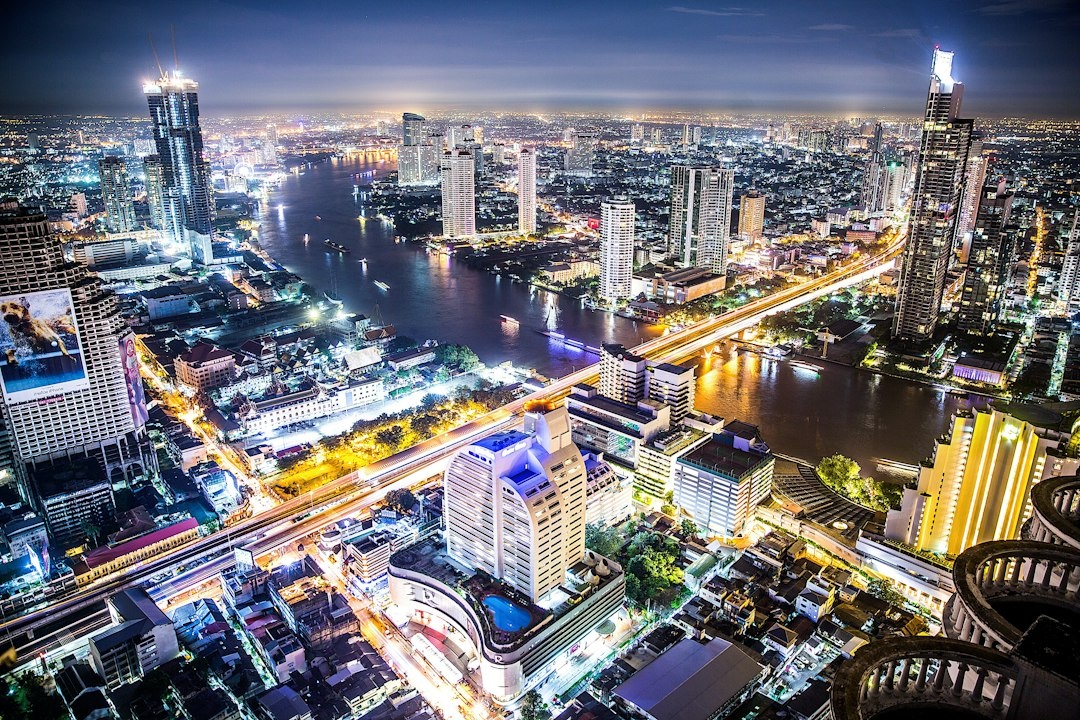
A €6 taxi detour in Bangkok is annoying; a rigged card payment in a Ho Chi Minh City bar can cost €150; and arriving at Siem Reap’s new airport without a transfer plan can turn a €7 shuttle ride into a €35 negotiation. For solo travelers after dark, the safest city is not simply the one with fewer scams—it is the one where prices, transport and payment systems are easiest to verify before fatigue or alcohol enters the equation.
Key Takeaways
- Typical avoidable losses range from €3–€15 for taxi or market overcharging to €80–€400 in serious bar and card-payment incidents.
- Bangkok has the best late-night transit, while Siem Reap is easiest to navigate on foot once you are in the center.
- Thailand’s foreign-card ATM fee is usually 220 THB (€5.87), compared with roughly €1.80–€3.35 in Vietnam and €3.40–€5.15 in Cambodia.
- Use Grab or another app to establish a price ceiling, decline dynamic currency conversion, and photograph bar menus before ordering.
- September brings lower hotel prices but regular evening rain in all three cities, increasing taxi demand and opportunistic surge pricing.
Key Numbers at a Glance
The figures below are realistic loss ranges rather than official scam-frequency statistics. They combine posted transport and ATM charges, app fare checks, menu prices and recurring traveler complaint patterns; conversions use approximate September 2026 rates of €1 = 37.5 THB, 30,000 VND or US$1.17.
| Metric | Bangkok | Ho Chi Minh City | Siem Reap |
|---|---|---|---|
| Common minor loss | 150–600 THB (€4–€16) | 100,000–500,000 VND (€3.35–€16.70) | US$5–$20 (€4.30–€17.10) |
| Serious bar/card loss | €85–€300+ | €80–€400+ | €40–€170+ |
| Foreign-card ATM fee | 220 THB (€5.87) | 55,000–100,000 VND (€1.83–€3.33) | US$4–$6 (€3.42–€5.13) |
| Airport to center | 28–32 km; 35–75 min | 7–9 km; 25–55 min | 45–55 km; 50–75 min |
| Most useful transport app | Grab or Bolt | Grab or Xanh SM | Grab or PassApp |
| After-dark safety verdict | Best transport infrastructure | Highest payment vigilance required | Most manageable on foot |
Overall verdict: Siem Reap is the least complicated after dark if you stay within one kilometer of Pub Street, while Bangkok is safest for moving between distant neighborhoods. Ho Chi Minh City offers the best-value nightlife, but its combination of motorbike traffic, unofficial taxis and card-payment disputes demands the most attention.
How This Comparison Measures Scam Risk
No reliable authority publishes a clean “scams per 10,000 tourists” table for these cities. Police reports also undercount small cash losses because few travelers spend half a day reporting a missing €10.
This guide therefore compares four measurable factors: the legitimate baseline price, the usual inflated demand, the maximum plausible loss and the availability of a verifiable alternative. A Bangkok driver asking 500 THB instead of a 180 THB metered fare creates an identifiable €8.50 loss; a vague statement that Bangkok taxis are “scammy” does not.
| Risk tier | Typical loss, September 2026 | Examples | Best response |
|---|---|---|---|
| Low | Under €10 | Wrong change, inflated tuk-tuk quote, added market fee | Leave, use small notes, compare app price |
| Moderate | €10–€50 | Taxi detour, substituted drink, inflated airport ride | Stop transaction and document details |
| High | €50–€200 | Padded bar bill, card charged twice, coerced purchase | Freeze card and contact bank immediately |
| Severe | Over €200 | Drugged drink, multiple card withdrawals, intimidation | Get to safety, freeze accounts and contact tourist police |
Solo status matters because there is nobody to watch luggage, verify the bill or notice a route change. One person also has less leverage during a dispute, so prevention is considerably more useful than confrontation.
Taxi and Tuk-Tuk Scams: Bangkok Has the Best Escape Routes
Bangkok: meter refusals and “fixed-price” taxis
Bangkok’s standard taxi meter starts at 40 THB (€1.07). A legitimate 6 km nighttime journey from Chinatown to Sukhumvit generally lands around 100–170 THB (€2.70–€4.55) before tolls and heavy waiting time, while an opportunistic driver may quote 300–500 THB (€8–€13.35).
The common trick is not a mechanically rigged meter. It is a refused meter outside Khao San Road, Nana Plaza, major clubs or a rain-soaked transit station, when the driver knows demand exceeds supply.
Skip any parked taxi whose driver opens with “Where you go?” and a fixed price. Walk 150–300 meters away from the nightlife exit, hail a moving taxi, or compare Grab and Bolt; Bolt can be 10–25% cheaper, but Grab generally offers stronger trip records and customer support.
From Suvarnabhumi Airport to Sukhumvit, expect 350–550 THB (€9.35–€14.70) by metered taxi, plus the official 50 THB airport surcharge and usually 75–100 THB in tolls. The 28–32 km trip takes 35 minutes after midnight but can exceed 75 minutes during evening traffic.
The Airport Rail Link is the cleaner alternative before midnight: Suvarnabhumi to Phaya Thai costs 45 THB (€1.20) and takes about 30 minutes. Trains generally operate from approximately 05:30 to midnight, making rail roughly €10 cheaper than a solo taxi.
Ho Chi Minh City: look-alike taxis and airport surcharges
A legitimate Tan Son Nhat Airport ride to District 1 usually costs 150,000–220,000 VND (€5–€7.35), including modest airport access charges, for 7–9 km. Traffic makes the journey 25–55 minutes, so a low fare does not guarantee a quick arrival.
The recognizable operators are Vinasun and Mai Linh, but copycat branding can mimic their colors and lettering. Skip taxi touts inside the arrivals flow; book Grab or the blue electric taxis from Xanh SM and verify the plate digit by digit.
A fake or unofficial taxi may demand 500,000–1,000,000 VND (€16.70–€33.35), often while creating confusion with large-denomination notes. Vietnam’s 20,000 and 500,000 VND notes are both blue-toned in poor light, turning a “mistake” into a €16 loss.
Grab motorbikes are cheap—often 25,000–60,000 VND (€0.85–€2) for a 3–5 km central ride—but they are a poor after-dark choice if you have been drinking, it is raining or you lack a properly fitting helmet. Pay €2–€4 more for a car.
Siem Reap: airport distance is the vulnerability
Siem Reap–Angkor International Airport is approximately 45–55 km from the hotel zone, not a short tuk-tuk ride from town. Expect 50–75 minutes by road, which gives unprepared arrivals little bargaining power.
Official or pre-booked shared transport may cost around US$8 (€6.85), while private cars commonly cost US$25–$35 (€21.35–€29.90). An unplanned on-arrival negotiation can reach US$40–$50 (€34–€42.75), creating a potential €20–€30 avoidable loss.
Book the transfer through your hotel, Grab or the airport’s authorized transport desk before leaving the terminal. For central nightlife trips, PassApp or Grab tuk-tuks commonly cost US$1–$3 (€0.85–€2.55) for 1–4 km, versus US$5–$10 demanded by some drivers parked directly beside Pub Street.
| After-dark route | Normal price, September 2026 | Inflated quote | Safer alternative |
|---|---|---|---|
| Bangkok: Khao San to Sukhumvit, 8–10 km | 180–280 THB (€4.80–€7.50); 25–50 min | 500–800 THB (€13.35–€21.35) | Grab/Bolt or bus plus BTS before service ends |
| HCMC: Bui Vien to Landmark 81, 6 km | 90,000–160,000 VND (€3–€5.35); 20–35 min | 400,000 VND (€13.35) | Grab or Xanh SM |
| Siem Reap: Pub Street to Wat Bo, 2 km | US$1–$2 (€0.85–€1.70); 5–10 min | US$8 (€6.85) | Walk with a companion or book PassApp |
Bar Scams: Ho Chi Minh City Has the Highest Financial Ceiling
The most expensive nighttime problem in all three cities is rarely a taxi. It is a bar bill that changes after several drinks, particularly where hostesses, table minimums or unpriced “special” bottles are involved.
Bangkok: padded bills and unpriced drinks
A normal local beer in a casual Bangkok bar costs 90–160 THB (€2.40–€4.30); a cocktail is typically 220–450 THB (€5.85–€12). At a premium rooftop such as Octave or Sky Bar, cocktails can exceed 600–900 THB (€16–€24), but the price should be printed and service charges disclosed.
The risky version begins with an invitation into an upstairs bar around Patpong, Nana or Soi Cowboy, followed by unrequested drinks for staff and a bill of 5,000–15,000 THB (€133–€400). The venue may frame each charge as legitimate, making a later card dispute difficult.
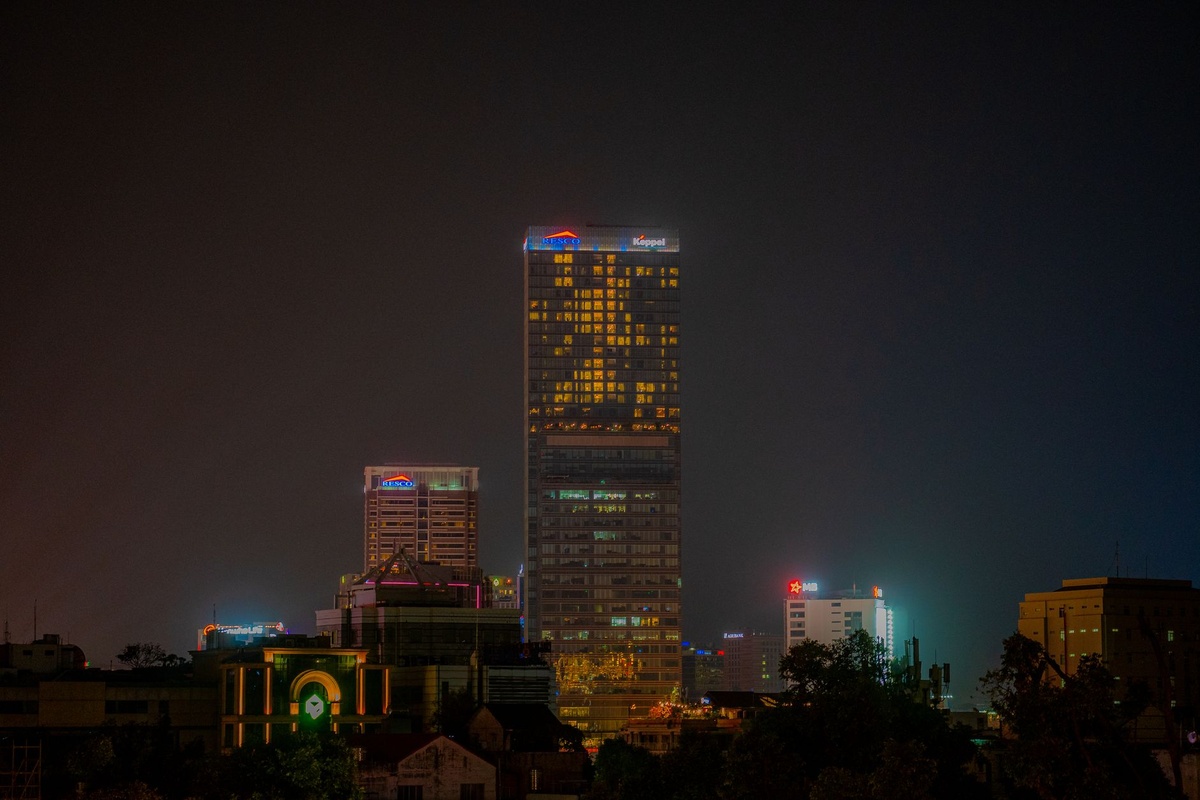
Skip any venue where a tout promises a “free show” or refuses to display a complete menu. For a controlled evening, choose a well-reviewed cocktail bar such as Teens of Thailand in Chinatown, generally open in the evening until around midnight, and confirm current hours through its official social account before traveling across town.
Ho Chi Minh City: card handling is the weak point
On Bui Vien Walking Street, beers may be advertised from 30,000–70,000 VND (€1–€2.35), while cocktails usually cost 100,000–220,000 VND (€3.35–€7.35). The low entry price creates room for inflated shisha, hostess-drink or service charges later.
The dangerous pattern is a card being taken away, charged twice or processed for an extra zero: 800,000 VND becomes 8,000,000 VND, changing €26.70 into €266.70. Never let a card leave your hand, and read the terminal in VND before tapping.
Skip anonymous hostess bars reached through street promoters. Do Saigon’s nightlife at established venues such as Pasteur Street Brewing Company or The Observatory, where a craft beer may cost 100,000–180,000 VND (€3.35–€6) but ordering and receipts are much clearer.
Siem Reap: smaller bills, easier verification
Pub Street beer promotions can be as low as US$0.75–$1.50 (€0.65–€1.30), with cocktails around US$3–$6 (€2.55–€5.15). Serious bill padding is less financially explosive than in Bangkok or Ho Chi Minh City because typical venue prices are lower.
The more common issue is a verbal price that excludes a premium mixer, second round or card surcharge. A US$10 expected bill can become US$25–$40 (€21–€34), particularly when no itemized receipt appears.
Miss Wong Cocktail Bar is a better choice than chasing US$1 cocktails of uncertain strength. Expect roughly US$6–$10 (€5.15–€8.55) per cocktail and check its current evening schedule before going; paying more for a transparent menu is cheaper than disputing a US$40 bill.
- Photograph the menu: capture prices, service charges and promotions before ordering.
- Close each round: pay after one or two drinks instead of building an open tab.
- Use transaction alerts: a €200 mistaken charge should trigger on your phone immediately.
- Never reveal your hotel: tell new acquaintances the neighborhood, not the property or room number.
- Keep your drink visible: replacement cost is irrelevant compared with the personal risk of tampering.
ATM and Currency Traps: Bangkok Costs More, DCC Can Cost the Most
Thailand is the most expensive of the three for routine ATM withdrawals. Most Thai ATMs charge foreign cards 220 THB (€5.87) per transaction, meaning two small withdrawals cost nearly €12 before your home bank adds anything.
Vietnamese ATM fees vary by bank and machine, commonly around 55,000–100,000 VND (€1.83–€3.33). Withdrawal limits can be only 2–5 million VND (€67–€167), so a “cheap” €2.50 fee becomes expensive if repeated four times.
Cambodian ATMs commonly dispense US dollars and charge approximately US$4–$6 (€3.40–€5.15). Cambodia is introducing more riel-based digital payment options, but solo visitors should still carry both small US-dollar notes and Cambodian riel for low-value purchases.
The bigger trap is dynamic currency conversion, or DCC. An ATM or card terminal offers to charge your account in euros using its own exchange rate, frequently adding an effective 5–12% margin; declining conversion on a €300-equivalent withdrawal can save €15–€36.
Always select “continue without conversion,” “decline conversion” or the local currency: THB in Bangkok, VND in Ho Chi Minh City and USD or KHR according to the Cambodian machine’s dispensing option. Declining DCC does not cancel the withdrawal—it allows Visa or Mastercard and your bank to perform the conversion.
| ATM comparison, September 2026 | Typical local fee | Fee on €200 withdrawal | Better strategy |
|---|---|---|---|
| Bangkok | 220 THB (€5.87) | 2.9%, before home-bank fees | Make one larger withdrawal inside a mall or bank |
| Ho Chi Minh City | 55,000–100,000 VND (€1.83–€3.33) | 0.9–1.7% | Choose a bank ATM with a higher withdrawal limit |
| Siem Reap | US$4–$6 (€3.42–€5.13) | 1.7–2.6% | Withdraw once and request small change at the hotel |
Use ATMs physically attached to an open bank, hotel or shopping center rather than a standalone machine beside a bar. Bangkok malls often remain open until around 22:00, while staffed bank branches close earlier; withdrawing at 19:00 inside a mall is safer than using a street machine at 01:00.
Set up mobile data before landing so you can freeze a card or verify an unfamiliar charge. An eSIM from Airalo can be installed before departure, though local airport and convenience-store SIMs may offer more data for roughly €6–€12.
Night-Market Scams: Small Losses Add Up Fast
Bangkok: tourist pricing and switched goods
Bangkok has the widest market selection and the greatest price variation. At Asiatique, generally open from late afternoon until around midnight, a souvenir shirt might be 300–600 THB (€8–€16), compared with 150–300 THB at a less polished market.
The common loss is 200–800 THB (€5–€21) through tourist pricing, counterfeit branding, incorrect change or a lower-quality item switched into the bag. Inspect the exact product after payment and do not buy “genuine” luxury goods at market prices.
Skip gem shops recommended by tuk-tuk drivers, even if the ride costs only 20 THB. The driver earns a commission for delivering you, and the supposed investment stone can create a loss measured in hundreds rather than the €5 typical market overcharge.
Ho Chi Minh City: denomination confusion
Ben Thanh’s surrounding evening stalls are convenient but priced for visitors. A vendor may open at 500,000 VND (€16.70) for an item available for 200,000–300,000 VND (€6.70–€10) elsewhere.
More concerning is wrong change involving similar-looking notes or a claim that you handed over 20,000 VND rather than 500,000 VND. Say the denomination aloud—“five hundred thousand”—and keep the note visible until change arrives.
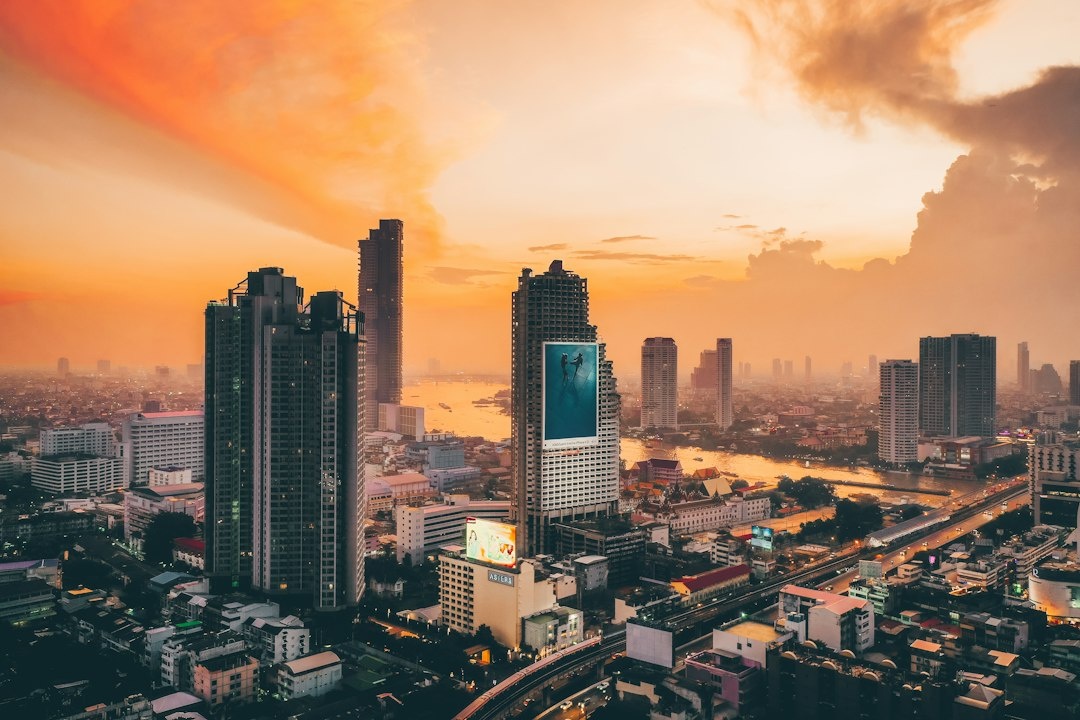
For food, skip the most aggressive central-market pitches and go to Ho Thi Ky Food Street, roughly 3 km from Ben Thanh. Many stalls trade from late afternoon to around 22:00 or 23:00, with snacks around 20,000–60,000 VND (€0.70–€2), compared with €3–€6 in tourist-heavy zones.
Siem Reap: dual-currency rounding
Angkor Night Market and the Pub Street area generally remain active from late afternoon until around 23:00 or midnight. T-shirts may cost US$3–$7 (€2.55–€6), while small handicrafts commonly start around US$5–$15 (€4.30–€12.80).
The main friction is dual-currency arithmetic. A seller may quote in dollars, return change in riel and use an unfavorable informal rate; on a US$20 purchase the loss is usually only US$1–$3 (€0.85–€2.55), but repeated rounding adds up.
Agree on one currency before paying. Use small US-dollar notes in good condition or pay entirely in riel using the displayed price rather than accepting improvised mixed-currency calculations.
September 2026 Conditions: Cheaper Rooms, Wetter Evenings
September is shoulder season gold across mainland Southeast Asia, but the discount comes with rain. Bangkok and Ho Chi Minh City often get intense late-afternoon or evening downpours, while Siem Reap’s wet season brings greener temple scenery and fewer Angkor crowds.
Rain changes scam exposure because demand for taxis spikes within minutes. A 180 THB Bangkok trip can surge or become a 500 THB cash demand, while a 70,000 VND Grab ride in Ho Chi Minh City may rise beyond 150,000 VND.
Wait 20–30 minutes under cover when possible rather than negotiating at the peak of a storm. Bangkok’s BTS and MRT are more reliable than roads, but most lines finish around midnight; Ho Chi Minh City’s developing rail network is not yet a complete nightlife solution, and central Siem Reap remains primarily tuk-tuk territory.
Indicative September double-room prices are €40–€70 at ASAI Bangkok Chinatown, €45–€80 at Fusion Suites Saigon and €55–€90 at Viroth’s Hotel in Siem Reap. Weekend rates and flexible cancellation can move these figures by 20–35%, so compare current hotels in Siem Reap rather than assuming wet season always means rock-bottom pricing.
Which City Should a Solo Night Traveler Choose?
- Choose Bangkok if you want rooftop bars, late-night food and rail alternatives to taxis; budget an extra €6 per ATM withdrawal.
- Choose Ho Chi Minh City if you prioritize cheap beer, food and short urban distances—and are disciplined about card terminals and traffic.
- Choose Siem Reap if you want a compact, social nightlife zone after temple days; pre-book the long airport transfer.
- Choose Bangkok over HCMC if you expect to cross the city after drinking, because BTS/MRT plus established ride-hailing creates more redundancy.
- Choose Siem Reap over Bangkok if you dislike big-city navigation: Pub Street, the Old Market and many hotels sit within a 1–2 km radius.
My opinionated ranking for a first solo trip is Siem Reap first, Bangkok second and Ho Chi Minh City third. For experienced urban travelers who use Grab, understand local currency and avoid open bar tabs, Bangkok takes first place because its transport and nightlife variety are substantially better.
A Costed Safe Night in Each City
These plans deliberately spend a little more on reputable transport and venues. The “safety premium” is €3–€8 per evening—far less than one padded bill.
| Expense | Bangkok | Ho Chi Minh City | Siem Reap |
|---|---|---|---|
| App ride from hotel | 180 THB (€4.80) | 90,000 VND (€3) | US$2 (€1.70) |
| Dinner | 450 THB (€12) | 300,000 VND (€10) | US$9 (€7.70) |
| Two drinks | 600 THB (€16) | 320,000 VND (€10.70) | US$12 (€10.25) |
| Market snack | 100 THB (€2.70) | 50,000 VND (€1.70) | US$2 (€1.70) |
| App ride home | 220 THB (€5.85) | 120,000 VND (€4) | US$3 (€2.55) |
| Total | €41.35 | €29.40 | €23.90 |
In Bangkok, eat around Chinatown, have drinks at a menu-led cocktail bar and book the return ride from a lit hotel lobby. In Ho Chi Minh City, eat at Pizza 4P’s or a busy local restaurant, then choose a brewery rather than an unmarked hostess venue.
In Siem Reap, dinner at Khmer Grill or Chanrey Tree followed by one established cocktail bar keeps the evening walkable. An app tuk-tuk home is still worthwhile after midnight, even if your hotel is only 1.5 km away.
Common Mistakes That Turn €5 Problems Into €200 Problems
- Entering the wrong vehicle: match the plate, driver and vehicle model in the app; a verbal claim of “I am Grab” proves nothing.
- Arguing inside a moving taxi: ask to stop at a bright hotel or convenience store before disputing the price.
- Using a card for a €2 market purchase: cash eliminates skimming and terminal-currency confusion.
- Accepting ATM conversion: DCC can cost €15–€36 on a €300 withdrawal, far more than the machine fee.
- Leaving a bar tab open: settling each round caps both honest mistakes and deliberate padding.
- Following a promoter upstairs: street touts are paid to overcome the exact hesitation you should trust.
- Running out of phone power: carry a 10,000 mAh power bank; losing maps, ride records and card controls at 01:00 is avoidable.
Save offline copies of your passport, insurance policy and hotel address, but do not store unencrypted card photographs. If your wider Asia itinerary continues to Japan, the same verify-before-paying principle applies to rail products; this 2026 comparison of Japanese rail passes and individual tickets shows how quickly convenience purchases can exceed their actual value.
Final Verdict: Control the Transaction, Not the City
Bangkok exposes solo travelers to more taxi negotiation and higher ATM fees, but it also provides the strongest transport alternatives. Ho Chi Minh City is inexpensive until a zero is added to a card charge, while Siem Reap’s biggest predictable trap is the long airport transfer rather than the compact nightlife district.
Pre-book your first ride, withdraw cash once, decline currency conversion and close every bar tab after each round. Save this guide offline before landing, then share it with the solo traveler who still believes a €1 beer guarantees a cheap night.
Frequently Asked Questions
Which is safest at night: Bangkok, Ho Chi Minh City or Siem Reap?
Siem Reap is easiest for most first-time solo travelers because its central nightlife area is compact and app tuk-tuks cost about €0.85–€2.55. Bangkok has better transport infrastructure, while Ho Chi Minh City requires the most care with traffic, unofficial taxis and card terminals.
How much should an airport taxi cost in Bangkok, Ho Chi Minh City and Siem Reap?
Budget roughly €11–€17 including common tolls and surcharges from Suvarnabhumi to central Bangkok, €5–€7.35 from Tan Son Nhat to District 1, and €21–€30 for a private car from Siem Reap–Angkor Airport. Siem Reap shared transfers can cost around €6.85 when available.
Are ATMs safe to use at night in Southeast Asia?
Use machines attached to open banks, malls or reputable hotels and cover the keypad. Expect a 220 THB (€5.87) foreign-card fee in Thailand, roughly €1.80–€3.35 in Vietnam and €3.40–€5.15 in Cambodia, then decline dynamic currency conversion.
Is Grab available in Bangkok, Ho Chi Minh City and Siem Reap?
Yes, Grab operates in all three, although availability and vehicle types vary. Bolt is a useful Bangkok comparison, Xanh SM is strong in Ho Chi Minh City, and PassApp is particularly useful for inexpensive Siem Reap tuk-tuks.
Is September a good time to visit Bangkok, Ho Chi Minh City and Siem Reap?
September offers lower room rates, greener scenery and fewer visitors, but expect frequent rain and short-lived transport surges. Build 30–45 minutes of weather buffer into evening plans and avoid relying on street taxis during a downpour.

About the Author: Tomáš Bzirský
Founder and editor of Distratech. Based in the Czech Republic, travelling regularly from Central Europe. Writes practical travel guides and travel-tech comparisons (eSIM, apps, airports) in six languages.