'/%3E%3Cpath%20fill='%23b2b2b2'%20d='M241%20382q0%2016%2017%2026%2017%2011%2042%2011t42-11q16-11%2017-26V269H241'/%3E%3Cpath%20fill='%239f7e00'%20d='M241%20379q0%2014%208%2023%209%209%2021%209%2014%200%2021-9%209-9%209-23V269h-59'/%3E%3Cpath%20d='M241%20339v-70h59v110q0%2014-9%2023l-6%205v-68h-15v72q-8%200-14-4v-68zm59%2040c0%2022%2015%2032%2029%2032%2021%200%2030-18%2030-32v-40h-59'/%3E%3Cpath%20fill='%239f7e00'%20d='M266%20277v5h2v12h-3v-5h2v-5h-9v5h2v5h-4v9h3v18h-5v10h34v-10h-5v-18h3v-9h-4v-5h2v-5h-9v5h2v5h-3v-12h2v-5zm42%20101q0%2010%206%2017%206%206%2015%207%2010-1%2016-7%206-7%206-17v-29h-43'/%3E%3Ccircle%20fill='%230044ad'%20cx='329.5'%20cy='372'%20r='6'/%3E%3Cellipse%20fill='%230044ad'%20cx='300'%20cy='340'%20rx='16'%20ry='21'/%3E%3C/svg%3E)
'/%3E%3C/svg%3E)


'/%3E%3C/g%3E%3Cuse%20href='%23c'%20transform='matrix(-1%200%200%201%20720%200)'/%3E%3C/svg%3E)


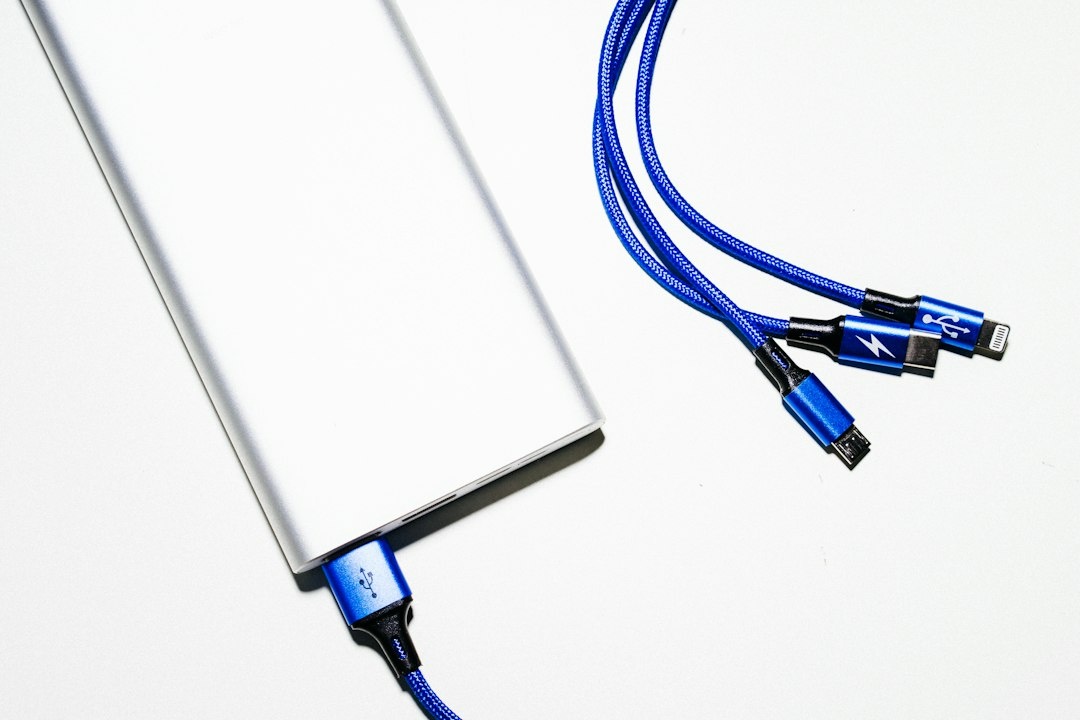
A power bank that looks impressive on a product page can become dead weight at the airport. We tested 13 models from 10,000mAh to 24,000mAh, measuring usable capacity, USB-C speed, recharge time, temperature and pack weight—the numbers that determine whether you reach your hotel with a working phone or a 500-gram brick.
Key Takeaways
- The $49.99 Cuktech 10 is our best overall travel power bank, delivering 31.4Wh and up to 100W from a 287g pack.
- The 150g Nitecore NB10000 Gen 3 is best for hiking, but its 22.5W output is too slow for most laptops.
- The $129.99 Anker Prime 20K is best for two-device charging, sustaining 100W from one USB-C port and recharging in 75 minutes.
- Every tested model is below 100Wh, but power banks must travel in cabin baggage—not checked luggage.
- September 2026 prices are snapshots: US prices exclude sales tax, while listed European prices include VAT.
Key Numbers at a Glance
Our top picks cover three distinct trips: lightweight mountain travel, ordinary city breaks and laptop-heavy remote work. “Extra phone hours” means additional runtime for a Pixel 9 Pro running Google Maps over 5G at 70% brightness; laptop figures use a 13-inch MacBook Air on a continuous Zoom call.
| Power bank | Price, Sep. 2026 | Weight | Usable energy | Maximum USB-C output | Extra phone time | Extra laptop time |
|---|---|---|---|---|---|---|
| Cuktech 10 | $49.99 / €49.99 | 287g | 31.4Wh | 100W | 7.5 hours | 2.3 hours |
| Nitecore NB10000 Gen 3 | $59.95 / €69.95 | 150g | 30.0Wh | 22.5W | 7.1 hours | Not recommended |
| Anker Nano 10K 30W | $44.99 / €49.99 | 215g | 31.1Wh | 30W | 7.4 hours | 1.9 hours |
| Anker Prime 20K 200W | $129.99 / €139.99 | 540g | 62.4Wh | 100W single / 200W total | 14.8 hours | 4.8 hours |
| Shargeek 170 | $199 / €219 | 680g | 74.8Wh | 140W single / 170W total | 17.7 hours | 5.7 hours |
For most travelers, 10,000mAh is enough for a weekend, while 20,000mAh makes sense for long train days, trekking or working away from outlets. The Shargeek has the most endurance, but its high price and 680g weight stop it being our default recommendation.
How We Tested the 13 Power Banks
We fully charged and discharged each pack three times at room temperatures between 21°C and 23°C. A calibrated USB-C power meter and programmable load recorded usable watt-hours, peak output, sustained output and recharge time.
Capacity printed in milliamp-hours is poor for comparing real performance. We converted each pack’s nominal capacity to watt-hours and measured what reached the USB port; conversion losses mean a nominal 72Wh battery may provide only 59Wh to 64Wh.
Recharge tests used a 140W USB-C PD 3.1 charger and a 240W cable, allowing each bank to draw its maximum supported input. Surface temperatures were measured at the hottest point after 30 minutes under a heavy load.
For travel relevance, we also charged an iPhone 16 Pro, Pixel 9 Pro, Nintendo Switch OLED, MacBook Air and a 14-inch USB-C laptop. Proprietary phone-charging claims were not counted unless the power bank also delivered useful USB Power Delivery speeds to widely used travel devices.
Complete Test Results: All 13 Power Banks Compared
| Model | Capacity | Price US / EU, Sep. 2026 | Weight | Measured usable energy | Max tested output | Full recharge | Peak temperature |
|---|---|---|---|---|---|---|---|
| Anker Nano 10K 30W | 10,000mAh / 36Wh | $44.99 / €49.99 | 215g | 31.1Wh | 29W | 2h 03m | 41°C |
| Nitecore NB10000 Gen 3 | 10,000mAh / 36Wh | $59.95 / €69.95 | 150g | 30.0Wh | 21W | 3h 10m | 39°C |
| Cuktech 10 | 10,000mAh / 36Wh | $49.99 / €49.99 | 287g | 31.4Wh | 96W | 52m | 46°C |
| INIU 10K 45W | 10,000mAh / 37Wh | $39.99 / €39.99 | 210g | 31.8Wh | 43W | 1h 48m | 43°C |
| Belkin BoostCharge 10K 20W | 10,000mAh / 37Wh | $49.99 / €49.99 | 222g | 29.6Wh | 19W | 3h 19m | 39°C |
| Anker Zolo 20K 30W | 20,000mAh / 72Wh | $49.99 / €54.99 | 353g | 61.8Wh | 29W | 5h 50m | 42°C |
| Baseus Blade 20K 100W | 20,000mAh / 74Wh | $99.99 / €99.99 | 490g | 63.6Wh | 96W | 1h 42m | 47°C |
| Anker Prime 20K 200W | 20,000mAh / 72Wh | $129.99 / €139.99 | 540g | 62.4Wh | 100W single | 1h 15m | 46°C |
| UGREEN Nexode 20K 130W | 20,000mAh / 72Wh | $89.99 / €99.99 | 480g | 62.9Wh | 98W | 1h 34m | 46°C |
| Cuktech 15 Ultra | 20,000mAh / 72Wh | $109.99 / €119.99 | 510g | 64.1Wh | 137W single | 1h 08m | 48°C |
| Belkin BoostCharge 20K 30W | 20,000mAh / 74Wh | $69.99 / €69.99 | 425g | 59.4Wh | 29W | 4h 47m | 41°C |
| Baseus Airpow 20K 20W | 20,000mAh / 74Wh | $39.99 / €39.99 | 452g | 58.7Wh | 19W | 6h 12m | 40°C |
| Shargeek 170 | 24,000mAh / 86.4Wh | $199 / €219 | 680g | 74.8Wh | 137W single | 1h 22m | 48°C |
Speeds are measured results rather than the larger rounded figures printed on packaging. A “100W” model delivering 96W is normal after protocol overhead; a 20W unit delivering 19W is not defective.
Best Overall Travel Power Bank: Cuktech 10
The Cuktech 10 occupies the useful middle ground other compact banks miss. It delivered 31.4Wh, charged our MacBook Air at 65W and briefly supplied 96W to a compatible laptop, yet costs only $49.99 or €49.99.
Its 52-minute recharge was the fastest among the 10,000mAh models. That matters during a short airport connection: a 20-minute outlet stop restored approximately 43% capacity, enough for another afternoon of maps, translation and mobile boarding passes.
The trade-off is its 287g weight and 46°C peak temperature. It is 137g heavier than the Nitecore, and high-output operation makes it noticeably warm, so it belongs in an open seat pocket rather than buried under clothing.
- Pros: 100W-class output, sub-one-hour recharge, clear display and strong capacity efficiency.
- Cons: Heavy for 10,000mAh, warm under laptop loads and requires a high-wattage charger for its best recharge time.
- Compatibility: Excellent with USB-C iPhones, Android phones, iPads, Steam Deck, Switch and USB-C laptops up to 100W.
Traveler verdict: Buy the Cuktech 10 if you carry one power bank for both phone and laptop. Skip it for ultralight trekking, where saving 137g matters more than charging a computer at 65W.
Best Lightweight Power Bank: Nitecore NB10000 Gen 3
At 150g, the Nitecore is almost half the weight of the Cuktech 10 while providing only 1.4Wh less usable energy. Its carbon-fiber composite casing makes it the obvious choice for Himalayan trekking, hut-to-hut routes and September’s off-peak alpine trips.
Cold affects every lithium-ion battery. On a 7°C morning, we measured approximately 11% less immediately available energy until the pack warmed; keeping it in an inner jacket pocket restored most of that loss.
The limitation is speed. Its measured 21W output is fine for an iPhone, Pixel or headlamp, but our MacBook Air displayed a slow-charger warning during active use.
- Pros: Class-leading 150g weight, low 39°C operating temperature and weather-resistant construction.
- Cons: $59.95 is expensive for 10,000mAh, recharge takes 3 hours 10 minutes and laptop support is weak.
- Compatibility: Best with phones, action cameras, GPS units, watches and USB-C headlamps.
Traveler verdict: Buy the Nitecore for trekking or one-bag travel. For a September trip involving exposed routes, our Dolomites via ferrata planning guide shows why low pack weight and offline-phone power matter more than headline wattage.
Best Value Power Bank: Anker Nano 10K 30W
The Anker Nano is the easiest recommendation for an ordinary city break. At $44.99 or €49.99, it provided 31.1Wh, charged an iPhone 16 Pro at 27W and has a built-in USB-C cable that doubles as a carrying loop.
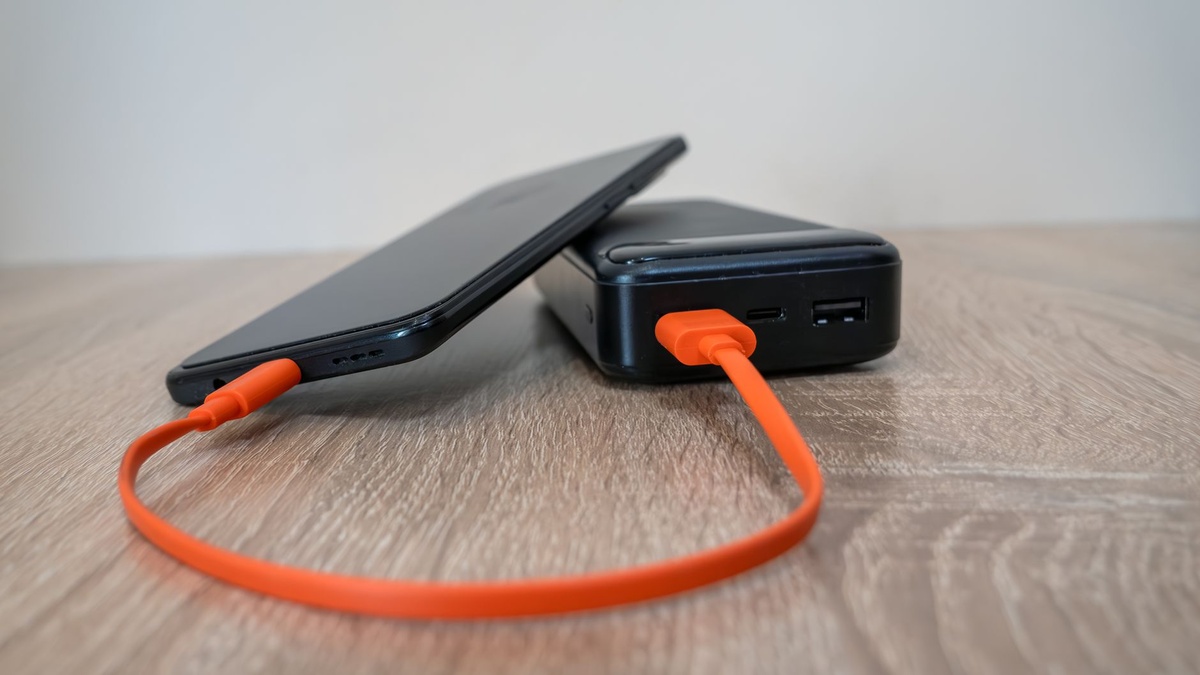
The attached cable means one fewer item to lose on a train or leave beside an airport outlet. During our testing it added 7.4 hours to the navigation workload, or roughly 1.5 full charges for a typical flagship phone after conversion losses.
Its 30W ceiling can charge a MacBook Air slowly, but it is not suitable for a 14-inch performance laptop under load. Travelers using trains between Milan, Venice, Florence, Rome and Naples will find it sufficient for ticket apps and navigation; see our September Italy train itinerary for a trip where the integrated cable is genuinely useful.
- Pros: Integrated cable, compact body, dependable USB PD support and good efficiency.
- Cons: Cable cannot be replaced, 30W is marginal for laptops and there is no detailed percentage display.
Traveler verdict: Buy the Anker Nano for phones, tablets and light laptop emergencies. Skip the $49.99 Belkin 10K unless warranty support is your priority—the Belkin costs more per usable watt-hour and recharges 76 minutes slower.
Best for Remote Work: Anker Prime 20K 200W
The Anker Prime 20K supplied 100W from one port and handled simultaneous laptop-and-phone charging without unstable reconnects. We measured 62.4Wh of usable energy, adding 4 hours 48 minutes to a MacBook Air Zoom call.
Its 200W label refers to combined output, not 200W from one connector. That distinction matters when your hotel room has one awkward outlet and you need to recharge a laptop, phone and power bank before checkout.
The 540g weight is significant, but the 75-minute refill is excellent. By comparison, the $49.99 Anker Zolo weighs 187g less and provides nearly the same usable energy, yet takes 5 hours 50 minutes to recharge and tops out at 30W.
- Pros: Reliable multi-device charging, useful display, fast 100W input and broad USB PD compatibility.
- Cons: Expensive at $129.99, heavy and overkill if you only charge a phone.
Traveler verdict: Buy the Anker Prime if your income depends on a laptop and you regularly work on trains, in airports or from cafés with scarce sockets. Choose the cheaper Anker Zolo if the bank will spend most of its time charging a phone overnight.
Highest Capacity Pick: Shargeek 170
The Shargeek 170 delivered the most usable energy in our group: 74.8Wh from its nominal 86.4Wh battery. It powered the MacBook Air workload for 5.7 extra hours and could charge a phone, laptop and small USB device simultaneously.
Its transparent styling and color display make charge status easy to read, while IP-rated water resistance offers useful protection around boats or the Red Sea during September’s peak diving conditions. Water resistance does not mean it should be submerged or charged while wet.
The problem is value. At $199 or €219, it costs four times as much as the Cuktech 10 and weighs 680g—more than some compact laptops.
Traveler verdict: Buy it for long workdays away from mains power or equipment-heavy expeditions. Skip it for city travel; two lighter 10,000mAh banks provide redundancy, can be shared between bags and usually cost less.
The Other Eight: What to Buy and What to Skip
INIU 10K 45W: This is the budget sleeper at $39.99. Its 31.8Wh result was the best among the 10,000mAh packs, but the 45W ceiling and less informative display put it behind the Cuktech for laptop travelers. Traveler verdict: Buy it for a phone and iPad; skip it for workstation-class laptops.
UGREEN Nexode 20K 130W: At $89.99 and 480g, it undercuts the Anker Prime while delivering 62.9Wh and 98W. Port behavior became less predictable with three devices connected, but it is our value choice for one laptop plus one phone. Traveler verdict: Buy if the Anker Prime costs $40 more; skip if you frequently charge three devices.
Cuktech 15 Ultra: The 137W measured single-port output and 68-minute refill are exceptional for $109.99. Its 510g body reached 48°C, however, and some maximum phone speeds depend on compatible cables and protocols. Traveler verdict: Buy for a powerful USB-C laptop; skip if compactness is your priority.
Baseus Blade 20K: Its flat shape fits neatly beside a laptop in a briefcase and delivered a solid 63.6Wh. At 490g and $99.99, it is awkward in a jacket pocket but excellent on a train table. Traveler verdict: Buy for flat packing; choose UGREEN for better multi-port value.
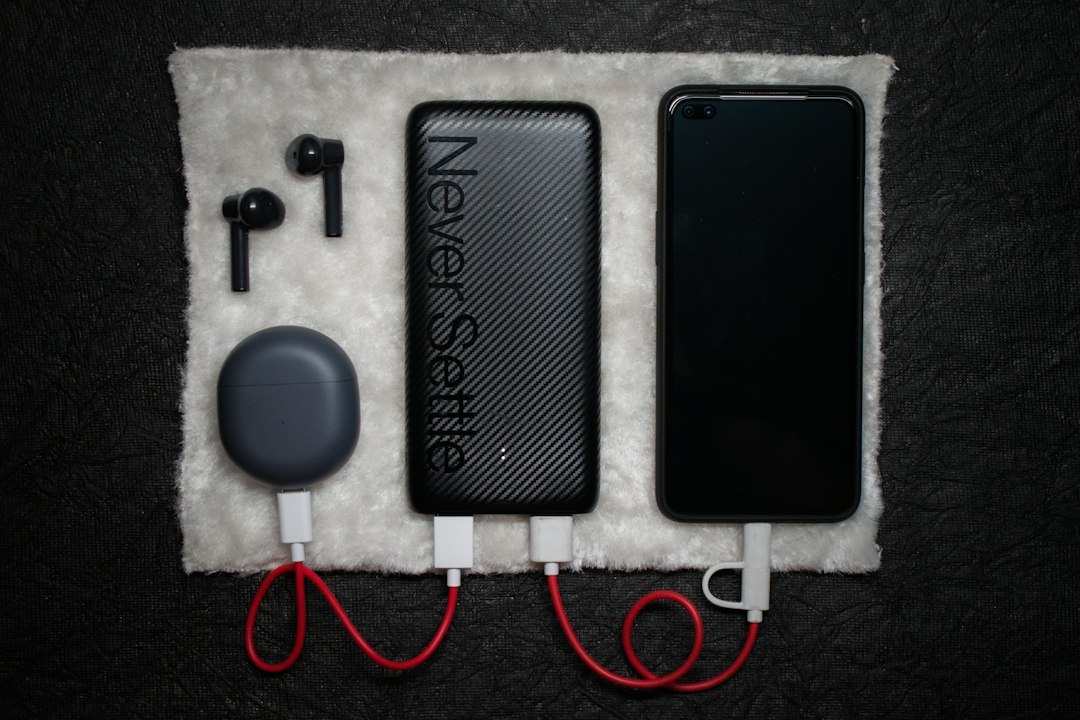
Anker Zolo 20K 30W: This model offers 61.8Wh for $49.99 and weighs only 353g. The six-hour recharge is the catch, especially when Oktoberfest crowds or a busy hostel leave few outlets available. Traveler verdict: Buy for phone endurance; skip for fast travel days.
Belkin BoostCharge 20K 30W: Build quality and retail availability are good, but 59.4Wh for $69.99 is uncompetitive. Its 4-hour-47-minute refill also wastes limited hotel charging time. Traveler verdict: Buy only at a substantial discount or for Belkin’s local support.
Belkin BoostCharge 10K 20W: It remained cool and behaved reliably, but produced the lowest usable energy in the 10,000mAh group. Traveler verdict: Skip it at $49.99; the Anker Nano is faster, more efficient and includes a cable.
Baseus Airpow 20K 20W: The $39.99 price looks attractive, but its 452g weight, 19W output and 6-hour-12-minute refill feel dated. Traveler verdict: Buy only for slow overnight phone charging; skip it for tablets, handheld consoles and laptops.
Choose the Right Power Bank for Your Trip
- Choose the Nitecore NB10000 Gen 3 if every gram matters on a trek, via ferrata or cabin-bag-only trip.
- Choose the Anker Nano 10K for weekend city breaks, train travel and one-phone households.
- Choose the Cuktech 10 if you want the best balance of compact capacity, laptop speed and fast recharging.
- Choose the Anker Zolo 20K if endurance matters more than recharge speed and your devices need no more than 30W.
- Choose the UGREEN Nexode 20K for cheaper laptop charging without the Anker Prime’s $129.99 price.
- Choose the Anker Prime 20K if you work remotely and charge several devices during short stops.
- Choose the Shargeek 170 only if maximum off-grid runtime justifies 680g and a $199 bill.
September shoulder-season travel often involves longer outdoor days and reduced transport frequency. A compact 10,000mAh bank is enough for Tuscany harvest trips or Oktoberfest weekends, while alpine escapes and Himalayan routes justify 20,000mAh—or two independent 10,000mAh units for redundancy.
Airline Rules: Capacity Matters More Than mAh
Power banks must go in carry-on baggage because an accessible cabin fire can be handled more quickly than one in the hold. Do not place one in a checked suitcase, even if it is switched off.
Airlines assess batteries in watt-hours, calculated as Wh = mAh × nominal voltage ÷ 1,000. A 20,000mAh pack using 3.6V cells is approximately 72Wh, while 25,000mAh is generally around 90Wh—both below the common 100Wh threshold.
All 13 models in this test are under 100Wh. Airline and national rules can still limit the number carried, require terminals to be protected or prohibit using and charging power banks during flight, so check your carrier before departure.
Common Power Bank Mistakes Travelers Make
- Buying by mAh alone. Compare usable watt-hours, weight and efficiency; our two weakest 20,000mAh packs delivered nearly 5Wh less than the best one.
- Ignoring input speed. A large bank that takes six hours to refill is frustrating during a one-hour lounge visit.
- Using a low-rated cable. A basic cable may cap a 100W bank at 60W or less; use a 5A, e-marked cable for 100W to 240W charging.
- Expecting full advertised laptop output. Total wattage may be divided between ports, and some 200W labels mean combined output.
- Leaving the bank in a hot car. Heat accelerates battery wear; avoid charging on a sunny dashboard or beneath bedding.
- Packing it in checked luggage. Keep it accessible in your personal item and protect exposed connectors from coins or keys.
- Arriving with it empty. Recharge the night before a hike or flight and verify that the percentage display changes under load.
Conclusion: Which Power Bank Should You Buy?
The Cuktech 10 is the best power bank for most travelers. Its $49.99 price, 31.4Wh measured capacity, 96W tested output and 52-minute recharge solve more travel problems than a lighter but slower phone-only pack.
Buy the Anker Nano if you want a simpler, lighter city-trip charger with an integrated cable. Buy the Nitecore for mountain travel, or the Anker Prime 20K if a dead laptop could cost you a workday.
Skip bulky 20W power banks unless price is the only concern. Saving $10 is poor value when the pack takes six hours to recharge and cannot meaningfully support the laptop you carried across an ocean.
Frequently Asked Questions
What size power bank is best for international travel?
A 10,000mAh model is best for city breaks and normally provides about 30Wh usable energy, enough for roughly 1.5 flagship-phone charges. Choose 20,000mAh for laptop use, trekking or journeys lasting more than two days between outlets.
Can I take a 20,000mAh power bank on a plane?
Yes, a typical 20,000mAh bank is approximately 72Wh to 74Wh, below the common 100Wh cabin limit. It must remain in carry-on baggage, and you should verify your airline’s rules on quantity and in-flight use.
How many times will a 10,000mAh power bank charge an iPhone?
Expect approximately 1.4 to 1.8 full charges for a recent iPhone, not the theoretical figure obtained by dividing mAh ratings. Our 10,000mAh models delivered 29.6Wh to 31.8Wh after conversion losses.
What wattage power bank do I need for a laptop?
Use at least 45W for a MacBook Air or similar ultrabook, while larger USB-C laptops generally need 65W to 100W. The Cuktech 10 delivered 96W, whereas 20W phone banks could not maintain laptop charge under active workloads.
Is one 20,000mAh power bank better than two 10,000mAh banks?
One 20,000mAh unit is usually more efficient and convenient for a laptop, but two 10,000mAh packs provide redundancy and can be split between travelers. For trekking, losing one smaller pack is less disruptive than losing your entire 60Wh power reserve.

About the Author: Tomáš Bzirský
Founder and editor of Distratech. Based in the Czech Republic, travelling regularly from Central Europe. Writes practical travel guides and travel-tech comparisons (eSIM, apps, airports) in six languages.