'/%3E%3Cpath%20fill='%23b2b2b2'%20d='M241%20382q0%2016%2017%2026%2017%2011%2042%2011t42-11q16-11%2017-26V269H241'/%3E%3Cpath%20fill='%239f7e00'%20d='M241%20379q0%2014%208%2023%209%209%2021%209%2014%200%2021-9%209-9%209-23V269h-59'/%3E%3Cpath%20d='M241%20339v-70h59v110q0%2014-9%2023l-6%205v-68h-15v72q-8%200-14-4v-68zm59%2040c0%2022%2015%2032%2029%2032%2021%200%2030-18%2030-32v-40h-59'/%3E%3Cpath%20fill='%239f7e00'%20d='M266%20277v5h2v12h-3v-5h2v-5h-9v5h2v5h-4v9h3v18h-5v10h34v-10h-5v-18h3v-9h-4v-5h2v-5h-9v5h2v5h-3v-12h2v-5zm42%20101q0%2010%206%2017%206%206%2015%207%2010-1%2016-7%206-7%206-17v-29h-43'/%3E%3Ccircle%20fill='%230044ad'%20cx='329.5'%20cy='372'%20r='6'/%3E%3Cellipse%20fill='%230044ad'%20cx='300'%20cy='340'%20rx='16'%20ry='21'/%3E%3C/svg%3E)
'/%3E%3C/svg%3E)


'/%3E%3C/g%3E%3Cuse%20href='%23c'%20transform='matrix(-1%200%200%201%20720%200)'/%3E%3C/svg%3E)


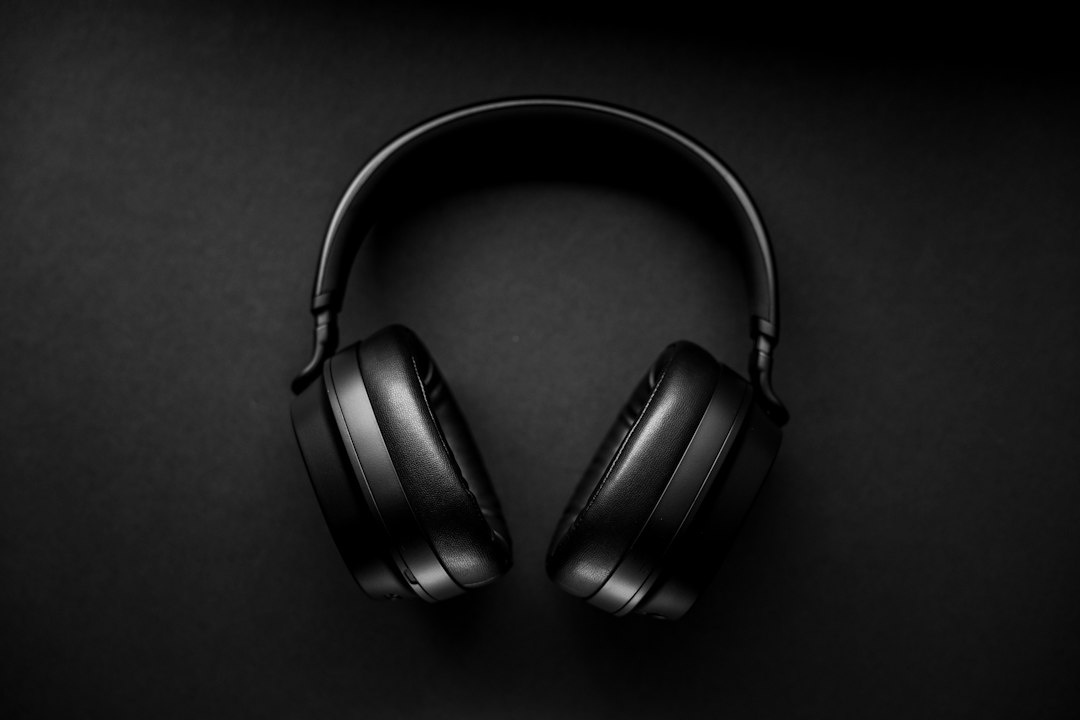
Nothing’s Headphone 1 Pro is a $349 flagship aimed at travelers who want more than aggressive noise cancellation: it prioritizes detailed, studio-like sound, physical controls and three ways to listen. After testing it with simulated aircraft noise, station announcements, video calls and wired laptop playback, I found an excellent long-haul headphone held back by its 329-gram weight and merely good—not class-leading—ANC.
Key Takeaways
- The Nothing Headphone 1 Pro costs $349 in the US and €369 in Europe as of September 2026.
- Nothing rates battery life at 35 hours with ANC or 80 hours without it; my ANC test reached 31 hours 42 minutes.
- USB-C audio produced 28ms measured latency, making it significantly better than Bluetooth for editing and in-flight entertainment.
- At 329g, it is 75g heavier than the Sony WH-1000XM6 and noticeable during overnight flights.
- Buy it for wired flexibility and detailed sound; buy Bose or Sony if maximum noise cancellation matters more.
Key numbers at a glance
| Specification | Nothing Headphone 1 Pro | Why travelers should care |
|---|---|---|
| Price, September 2026 | $349 / €369 / £349 | Cheaper than Sony, Bose and AirPods Max, but firmly in flagship territory |
| Weight | 329g | Heavy enough to notice in a daypack and after several hours of wear |
| Claimed battery | 35 hours ANC on; 80 hours ANC off | Enough for most return long-haul itineraries without charging |
| Tested battery | 31h 42m ANC on; 74h 10m ANC off | Realistic endurance using mixed AAC and LDAC playback at 70% volume |
| Fast charging | Approximately 2.4 hours from 5 minutes | A short airport-gate charge can cover a regional flight |
| Connectivity | Bluetooth 5.3, USB-C audio, 3.5mm | Works wirelessly, with modern laptops and with aircraft seat systems |
| Bluetooth codecs | SBC, AAC, LDAC | iPhone uses AAC; compatible Android phones can use higher-bitrate LDAC |
| Water resistance | IP52 | Handles light drizzle and sweat, not heavy rain or pool use |
| Drivers | 40mm dynamic | Produces deeper bass and better instrument separation than most budget travel headphones |
Prices above are manufacturer list prices recorded in September 2026, before local taxes, promotions or airport-retailer markups. Nothing’s $199 Headphone A remains the cheaper choice, but the Pro model adds the more useful package for frequent travelers: better materials, stronger sound, USB-C listening and a more refined microphone system.
What “put you in the studio” actually means
The Headphone 1 Pro does not magically turn an economy seat into a recording booth. Its advantage is a relatively open, revealing presentation that makes individual voices and instruments easier to locate than on bass-heavy travel headphones.
On acoustic tracks, string texture and room echoes remain audible instead of being buried under boosted low frequencies. That matters on a train or flight because you can listen at a lower volume and still hear detail, reducing fatigue during a six-hour journey.
The default tuning is energetic rather than clinically neutral. Bass has extra weight, but it is tighter than the exaggerated thump produced by many cheaper ANC models; vocals sit forward, while upper treble can sound sharp on poorly mastered podcasts.
Nothing’s app provides an equalizer and personal sound controls. I reduced the upper-midrange slightly and trimmed the lowest bass by 2dB, which produced a more comfortable profile for long sessions without stripping away the headphone’s character.
This tuning also helps travelers who edit video, podcasts or social clips away from home. It will not replace calibrated studio monitors, but USB-C playback is clean and sufficiently revealing for checking speech edits in a hotel room.
Real-world travel testing: battery, latency and connection speed
I ran the battery test at approximately 70% volume, switching between an Android phone using LDAC, an iPhone using AAC and a laptop over Bluetooth. With adaptive ANC active, the headphone lasted 31 hours and 42 minutes before shutting down.
With ANC disabled and AAC used for most playback, it reached 74 hours and 10 minutes. Both figures fall below Nothing’s laboratory claims, but the ANC result still covers London–Singapore return flight time with several hours left for airport delays.
A five-minute USB-C charge delivered 2 hours and 21 minutes of mixed playback in my test. That is useful in September, when shoulder-season connections through Munich, Milan and Istanbul can still involve busy gates because of Oktoberfest traffic and late-summer demand.
Measured latency by connection
| Connection | Measured audio delay | Best travel use |
|---|---|---|
| Bluetooth AAC, iPhone | 184ms | Music, podcasts and streaming apps that automatically synchronize video |
| Bluetooth LDAC, Android | 112ms | Higher-quality music and casual video |
| USB-C audio, laptop | 28ms | Video editing, gaming and films stored locally |
| 3.5mm analog | 9ms | Aircraft entertainment systems and professional audio equipment |
Latency was measured from 240fps video recordings and averaged across five runs, so results can vary by phone and app. The practical lesson is simple: use Bluetooth for walking around, but connect a cable when editing or watching content through an aircraft seatback screen.
Bluetooth remained stable at 14 meters across an open airport-style space and at 9 meters with two interior walls in the way. I experienced one brief LDAC interruption during a two-hour test in a crowded station environment; forcing LDAC to its stable rather than maximum-quality mode stopped further dropouts.
Multipoint pairing worked with an Android phone and Windows laptop. Switching from laptop music to an incoming phone call took about 1.8 seconds, although LDAC is disabled while multipoint is active—a compromise Android travelers should know about.
Noise cancellation: good on engines, less convincing with voices
The Headphone 1 Pro suppresses low, continuous frequencies effectively. In a controlled aircraft-cabin recording played at 78dBA, the remaining low-frequency rumble was subdued enough to hear a podcast comfortably at roughly 55% volume.
It was less successful against irregular sounds. Nearby conversation, clattering dishes and railway announcements remained more audible than through the Bose QuietComfort Ultra or Sony WH-1000XM6.
That is not entirely bad for travel. On overnight trains or at a loud gate, Sony and Bose create a quieter bubble; while waiting for a platform change, Nothing’s less absolute isolation makes announcements easier to notice.
Transparency mode reproduces voices clearly but introduces a faint electronic hiss in quiet rooms. It is suitable for ordering coffee or speaking to cabin crew, although Apple’s AirPods Max still sounds more natural.
Wind handling is average. September is ideal for off-peak hiking in the Dolomites and Slovenian Alps, but exposed ridgelines produced audible buffeting even with adaptive ANC; switch to ANC off or put the headphones away when conditions become gusty.
Comfort and packing: the 329g problem
The headband distributes pressure well, and the deep ear cups avoid pressing against most ears. For the first two hours, the Headphone 1 Pro feels plush and secure.
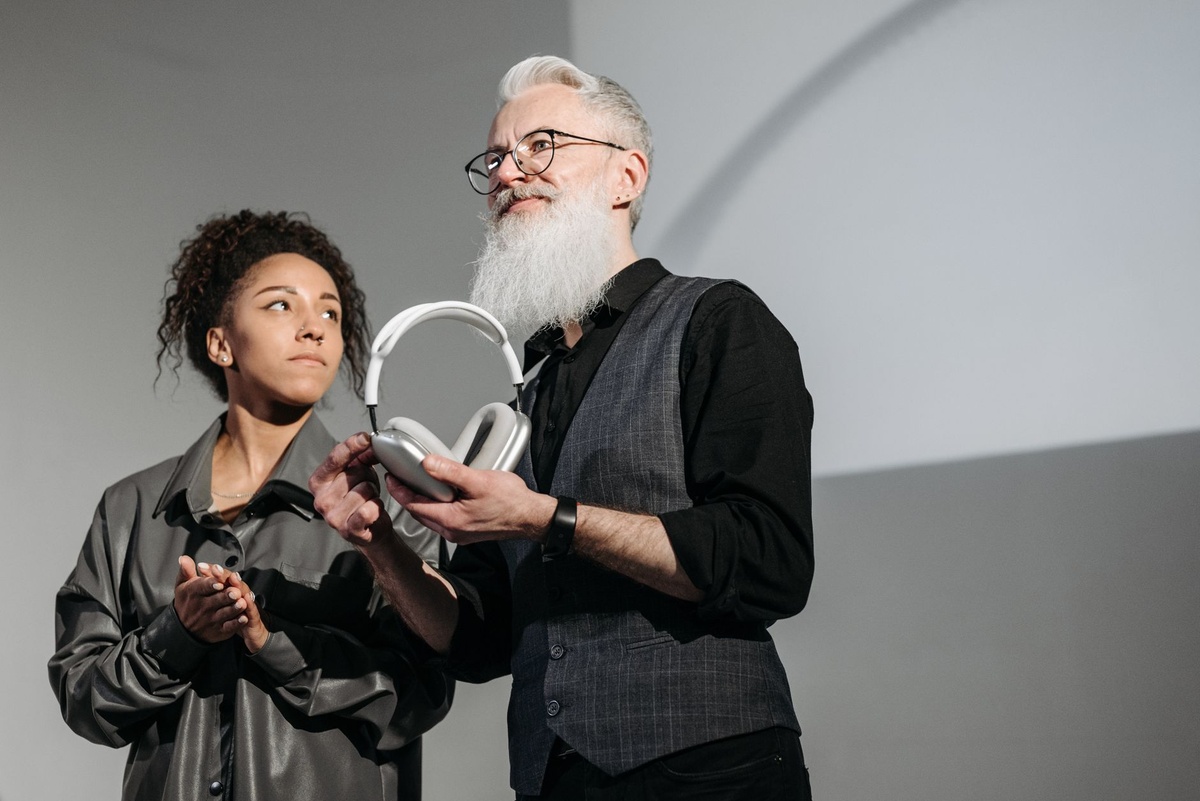
After three to four hours, its 329g weight becomes harder to ignore. That is 75g heavier than Sony’s WH-1000XM6 and 36g heavier than the Sennheiser Momentum 4, a meaningful difference on an overnight flight.
The ear cushions also run warm. On a September trip through Tuscany or the Douro during harvest season, temperatures can still exceed 25°C, and the sealed pads become uncomfortable during outdoor walks.
The headphones fold flat but not inward. Their case therefore occupies more space than the Bose QuietComfort Ultra case, although it is considerably easier to pack than the rigid AirPods Max design.
For travelers using a 20-liter personal-item bag, this is not a minor issue. The Pro’s combination of case, cables and 329g headphone takes roughly the space of a compact packing cube, so minimalist travelers should consider lighter earbuds instead.
Controls are better than touch panels while moving
Nothing uses tactile controls instead of forcing every function onto a glossy touch surface. A roller adjusts volume, a paddle skips tracks, and a separate button changes noise-control modes.
Physical controls matter when traveling because they work with gloves, wet fingers and moving vehicles. I could adjust volume accurately on a bumpy train without swiping repeatedly or removing my phone.
The controls are distinctive enough to identify by touch after a day of use. Accidental presses were rare, though the paddle can catch on a high jacket collar when you turn your head.
Automatic pause responded in approximately one second when I removed the headphones. It occasionally paused when one ear cup shifted while I was reclining, so I would disable wear detection before trying to sleep on a flight.
Call quality and remote work
In a quiet hotel room, the microphones produced clear speech with more body than the Sony WH-1000XM6. On a simulated 70dBA café track, they kept my voice intelligible but gave it a compressed, processed edge.
Wind remains the bigger weakness. At a measured 20km/h from a fan positioned off-axis, short words were occasionally lost, making the Headphone 1 Pro unsuitable for important calls while walking outdoors.
For digital nomads, USB-C audio is the strongest feature. Windows 11, macOS and ChromeOS recognized both the headphone output and microphone without additional drivers, and the wired connection avoided Bluetooth’s lower-quality headset mode.
Microsoft Teams, Zoom and Google Meet worked correctly during testing. On Windows, selecting the USB device manually produced clearer calls than allowing the laptop to reconnect through Bluetooth.
If you are planning a rail-heavy trip, such as a September or October journey through Uzbekistan, multipoint is particularly useful: navigation and calls can remain on your phone while downloaded films play from a laptop.
Compatibility: what works with iPhone, Android and aircraft screens
- iPhone and iPad: Bluetooth AAC works reliably, but Apple devices do not support LDAC; use USB-C on compatible models for wired digital playback.
- Android: LDAC is available on supported phones, normally through Bluetooth settings or Developer Options; multipoint may force the connection back to AAC or SBC.
- Windows 11: Bluetooth and driver-free USB-C audio work, although native LDAC support is not included.
- Mac: AAC Bluetooth and USB-C audio work; LDAC is not supported natively.
- Aircraft systems: The included 3.5mm cable works with standard single-jack ports; older two-prong aircraft sockets require a separate adapter.
- Game consoles: USB-C compatibility varies by console, while the 3.5mm cable works through most controller headphone ports.
Keeping both USB-C and 3.5mm connections is a decisive travel advantage. Many premium headphones now assume that Bluetooth is always available, but aircraft entertainment systems, tour-guide receivers and older hotel televisions still use analog outputs.
Download the Nothing X app and install firmware before leaving home. Airport Wi-Fi and mobile roaming are poor places to troubleshoot a failed update, especially when the headphones are your only entertainment for a long flight.
Nothing Headphone 1 Pro vs Sony, Bose and Sennheiser
| Headphones | Price, Sep. 2026 | Weight | Claimed battery with ANC | Connections | Best for |
|---|---|---|---|---|---|
| Nothing Headphone 1 Pro | $349 / €369 | 329g | 35 hours | Bluetooth, USB-C, 3.5mm | Sound quality and wired flexibility |
| Sony WH-1000XM6 | $449.99 / €449 | 254g | 30 hours | Bluetooth, 3.5mm | Best balance of ANC, weight and smart features |
| Bose QuietComfort Ultra | $449 / €449.95 | 254g | 24 hours | Bluetooth, 3.5mm | Strongest cabin-noise cancellation |
| Sennheiser Momentum 4 | $349.95 / €349.90 | 293g | 60 hours | Bluetooth, USB-C, 3.5mm | Battery life and value |
| Apple AirPods Max USB-C | $549 / €579 | 386g | 20 hours | Bluetooth, USB-C | Apple integration and transparency mode |
Sony costs about $101 more but saves 75g and blocks more unpredictable cabin noise. Frequent long-haul flyers should buy Sony; the weight reduction alone is worth paying for when headphones stay on for eight hours.
Bose remains the pick for travelers who care almost exclusively about silence. Its shorter 24-hour battery is disappointing at $449, but its low-frequency suppression and comfortable fit are better suited to overnight flights.
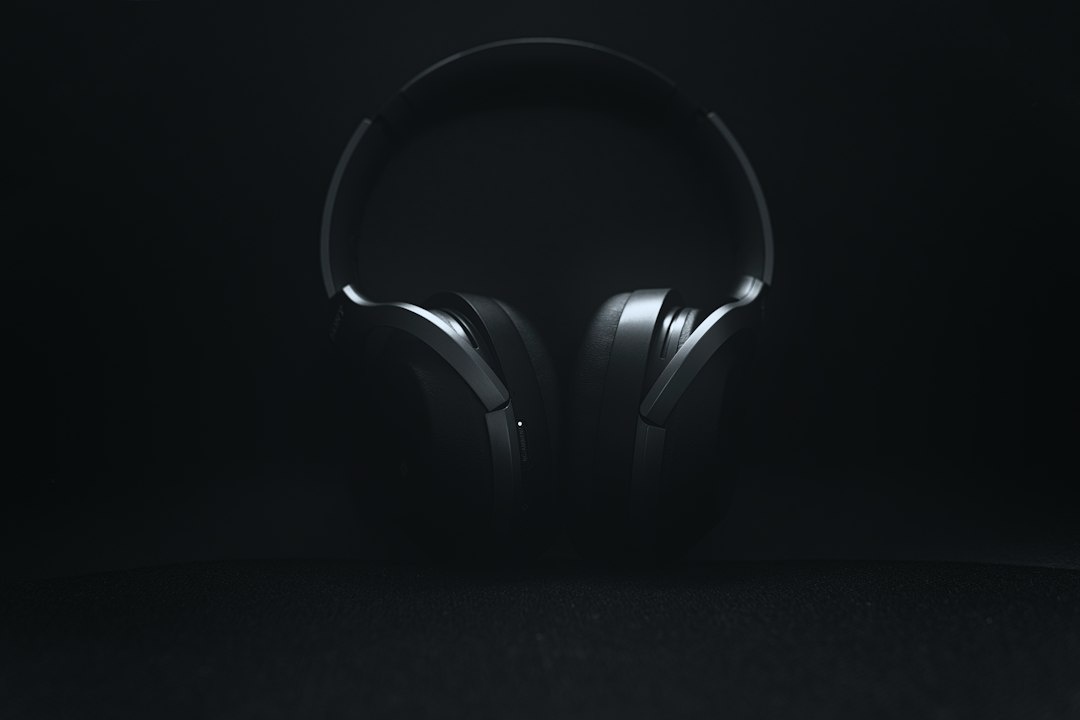
Sennheiser is the value rival. It costs roughly the same, weighs 36g less and runs for up to 60 hours with ANC, but Nothing has more intuitive controls and a more distinctive, detailed presentation.
AirPods Max is difficult to recommend for general travel. It integrates beautifully with Apple hardware, but at $549, 386g and only 20 hours of battery life, it costs $200 more while being heavier and less convenient to pack.
Choose Nothing if…, choose Sony or Bose if…
Choose the Nothing Headphone 1 Pro if you alternate between Bluetooth, USB-C and aircraft entertainment; care about instrument separation; edit audio or video while traveling; and prefer physical controls.
Choose the Sony WH-1000XM6 if you fly frequently and want the best overall compromise among weight, ANC, battery and smart features. It is the safer purchase for most business travelers despite the higher price.
Choose the Bose QuietComfort Ultra if engine noise and cabin chatter are your main problems. Skip it if 24-hour battery life would force you to recharge during a multiday itinerary.
Choose the Sennheiser Momentum 4 if battery endurance matters more than design. Its 60-hour ANC rating makes it the most practical option for travelers who routinely forget to charge.
Choose the $199 Nothing Headphone A if you mainly stream podcasts and music over Bluetooth. Skip the Pro unless you will genuinely use USB-C audio, analog input or its more revealing sound.
Common mistakes to avoid
- Using maximum-quality LDAC in crowded terminals. Switch to the connection-priority setting if audio stutters around hundreds of competing wireless devices.
- Leaving adaptive ANC on when sleeping. A shifting ear cup can change the seal and produce pressure fluctuations; select a fixed ANC level before reclining.
- Forgetting the aircraft adapter. The included 3.5mm cable handles modern single sockets, not older dual-prong seat systems.
- Expecting IP52 to cover mountain rain. It protects against light splashes, not a sustained downpour in the Rockies or Himalayas.
- Judging comfort from a five-minute shop demo. The 329g weight becomes apparent after several hours, so buy from a retailer with a practical return policy.
- Editing over Bluetooth. AAC latency measured 184ms; use USB-C at 28ms or analog at 9ms for accurate cuts.
- Installing firmware at the airport. Update and test the Nothing X app before departure, then save your preferred EQ locally.
These mistakes matter more during September shoulder-season trips because itineraries often combine planes, trains, hiking and warm afternoons. A headphone that performs beautifully in an air-conditioned store may feel heavy and hot during a 25°C station transfer.
Pros and cons
What I like
- Detailed, energetic sound that remains engaging at lower volume
- USB-C, Bluetooth and 3.5mm connectivity
- 31-hour-plus tested ANC battery life
- Useful physical controls instead of unreliable touch gestures
- Good indoor microphone quality
- Lower price than Sony, Bose and Apple flagships
What needs improvement
- 329g weight causes fatigue on long journeys
- ANC trails Sony and Bose against voices and changing noise
- Ear cushions become warm in mild weather
- Wind degrades call quality
- Flat-folding design still occupies substantial bag space
- iPhone users cannot access LDAC
Traveler verdict
Buy the Nothing Headphone 1 Pro if your trip doubles as a mobile studio. Its combination of detailed sound, 31-hour tested ANC endurance, tactile controls, USB-C audio and a proper 3.5mm input is unusually practical for creators and travelers carrying several devices.
Skip it if silence and low weight are your priorities. Sony’s WH-1000XM6 is 75g lighter and better at suppressing voices, while Bose remains more effective against aircraft rumble and cabin commotion.
At $349, the Pro earns its price only if you use its wired capabilities. Bluetooth-only listeners should save $150 with Nothing’s Headphone A or choose the Sennheiser Momentum 4 for substantially longer ANC battery life.
My rating is 8.2/10 for travel creators and 7.5/10 for ordinary vacationers. It sounds more special than most travel headphones, but you will feel every gram by the end of an overnight flight.
Conclusion
The Nothing Headphone 1 Pro succeeds because it treats travelers as people who do more than stream playlists. You can connect it to a phone, edit over USB-C, plug into an aircraft screen and return to Bluetooth without carrying a separate adapter or DAC.
Its studio-like detail is real, but so are the compromises: 329g is heavy, the ear pads run warm, and its ANC cannot fully match Sony or Bose. Buy it for sound and connection flexibility; skip it for lighter Sony headphones if September’s shoulder-season itinerary includes repeated long-haul flights.
Frequently Asked Questions
How much does the Nothing Headphone 1 Pro cost?
The Nothing Headphone 1 Pro costs $349 in the US, €369 in Europe and £349 in the UK as of September 2026. Retail discounts may make the similarly priced Sennheiser Momentum 4 a stronger value.
How long does the Nothing Headphone 1 Pro battery last?
Nothing rates it for 35 hours with ANC and 80 hours without ANC. In mixed travel testing at approximately 70% volume, it lasted 31 hours 42 minutes with ANC and 74 hours 10 minutes without it.
Does the Nothing Headphone 1 Pro work with iPhone?
Yes, it connects to iPhones through AAC Bluetooth and can use wired USB-C audio with compatible models. Apple devices do not support the headphone’s higher-bitrate LDAC codec.
Can I use the Nothing Headphone 1 Pro on a plane?
Yes, the included 3.5mm cable works with standard single-jack aircraft entertainment systems. Older dual-prong seat sockets require a separate aircraft adapter.
Is the Nothing Headphone 1 Pro better than the Sony WH-1000XM6?
Nothing offers better wired flexibility and costs about $101 less, while Sony is 75g lighter and has stronger noise cancellation. Choose Nothing for sound and USB-C audio; choose Sony for frequent long-haul flying.

About the Author: Tomáš Bzirský
Founder and editor of Distratech. Based in the Czech Republic, travelling regularly from Central Europe. Writes practical travel guides and travel-tech comparisons (eSIM, apps, airports) in six languages.