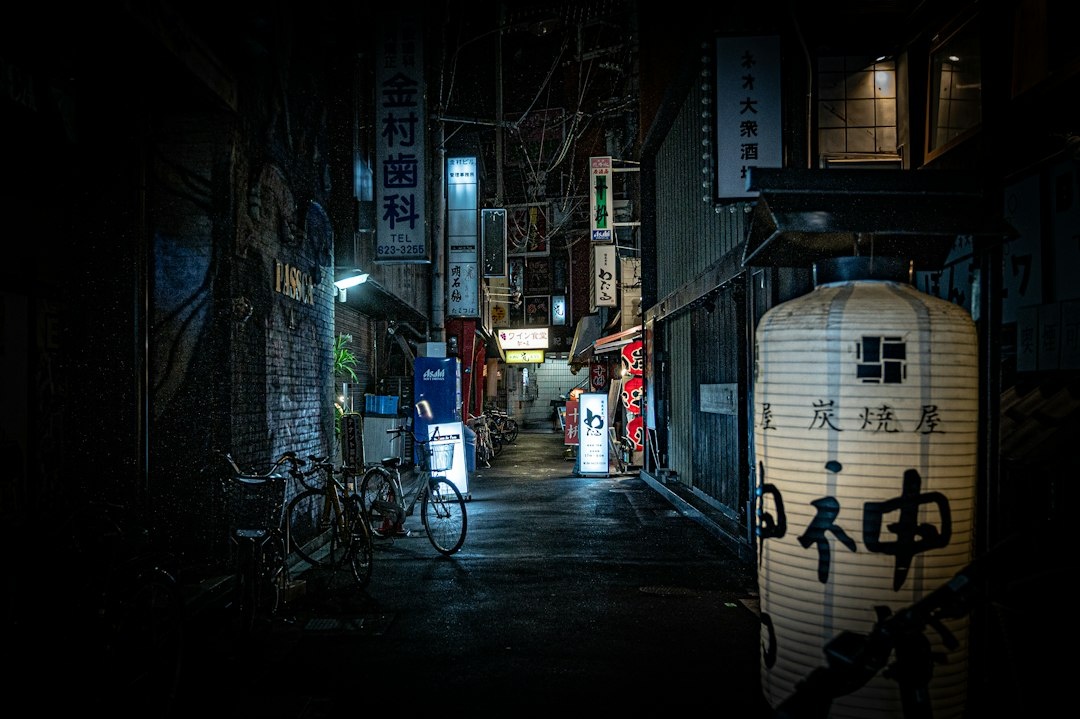
Tokyo gives you more nightlife, more neighborhoods and more ways to miss the last train; Osaka gives you cheaper rooms, shorter taxi rides and a friendlier bar-hopping radius. For first-time visitors planning a September 2026 trip, the difference can reach €80–€150 over a two-night weekend—and where you book matters more than which city you choose.
Key Takeaways
- A central double room averages roughly €115–€175 in Tokyo versus €80–€135 in Osaka for September 2026.
- Most useful urban trains finish between 23:50 and 00:40; taxis add a 20% late-night surcharge from 22:00 to 05:00.
- Tokyo club nights typically cost €35–€60 including entry and two drinks, versus €23–€42 in Osaka.
- Choose Tokyo for variety and spectacle; choose Osaka for compact, social and lower-cost nights.
- September 19–23, 2026 is Japan’s Silver Week holiday period, so book rooms early or expect rates 20–45% above surrounding dates.
Key Numbers at a Glance
The figures below use a September 2026 planning exchange rate of ¥170 to €1 and ¥145 to US$1. Exchange rates and hotel inventory move daily, so treat euro and dollar conversions as budgeting figures rather than guaranteed charges.
| Metric | Tokyo | Osaka |
|---|---|---|
| Central double room, September 2026 | ¥19,500–¥30,000 (€115–€176 / $134–$207) | ¥13,500–¥23,000 (€79–€135 / $93–$159) |
| Draft beer in a casual bar | ¥650–¥950 (€3.80–€5.60 / $4.50–$6.55) | ¥500–¥750 (€2.95–€4.40 / $3.45–$5.20) |
| Craft cocktail | ¥1,400–¥2,200 (€8.25–€12.95 / $9.65–$15.20) | ¥1,000–¥1,600 (€5.90–€9.40 / $6.90–$11) |
| Typical club entry | ¥3,000–¥4,500 (€17.65–€26.50 / $20.70–$31) | ¥2,000–¥3,500 (€11.75–€20.60 / $13.80–$24.15) |
| Central 4 km late-night taxi | ¥2,300–¥3,200 (€13.50–€18.80 / $15.85–$22) | ¥2,000–¥2,800 (€11.75–€16.50 / $13.80–$19.30) |
| Main nightlife radius | Roughly 12 km across Shinjuku, Shibuya and Roppongi | Roughly 4.5 km from Umeda to Namba |
| Typical last useful train | 23:55–00:40 | 23:55–00:25 |
| Street noise in nightlife core | 68–82 dBA around Kabukicho and Shibuya | 65–78 dBA around Dotonbori and Amerikamura |
Bottom line: Osaka wins on cost and convenience. Tokyo wins if “after dark” means jazz in Shinjuku, cocktails in Ginza, techno in Shibuya and a 5 a.m. ramen run—all on the same trip.
Tokyo vs Osaka: The Fast Decision Framework
Choose Tokyo if you want:
- Maximum variety: Shinjuku alleys, Shibuya clubs, Koenji live music, Ginza cocktail bars and Roppongi’s international scene.
- High-end bars: Tokyo’s serious cocktail circuit is worth the premium, particularly Bar Benfiddich and The SG Club.
- Late-night spectacle: Shibuya Crossing at midnight and Kabukicho’s neon density are unmatched in Osaka.
- More alcohol-free options: observation decks, arcades, sento baths, dessert cafés and 24-hour entertainment are easier to combine.
- A trip of four nights or longer: Tokyo’s nightlife districts are spread out, and rushing them defeats the point.
Choose Osaka if you want:
- A cheaper weekend: comparable rooms are commonly €30–€50 less per night.
- Walkable bar-hopping: Namba, Dotonbori, Amerikamura and Shinsaibashi fit inside a roughly 2 km corridor.
- Lower-pressure nightlife: Osaka bartenders and regulars are generally quicker to start conversations.
- Better late-night food: takoyaki, kushikatsu and ramen remain accessible without crossing the city.
- A two-night introduction to Japan: Osaka is easier to understand quickly and less punishing if you miss a train.
My opinion: first-time solo travelers should pick Osaka for two nights and Tokyo for four. Skip trying to “complete” Tokyo in a weekend; you will spend more time changing trains than enjoying the bars.
Hotel Prices: Tokyo Costs More, but Location Can Cancel the Difference
Hotel prices were checked for a two-night stay from September 16–18, 2026, based on one standard double room for two adults with taxes shown. These are planning snapshots from hotel websites, Rakuten Travel, Jalan and one search of hotels in Tokyo, not fixed rates.
| Hotel and area | September 2026 sample rate | Walk to nightlife | Best for |
|---|---|---|---|
| The Knot Tokyo Shinjuku | About ¥21,000 (€124 / $145) per night | 18 minutes to Kabukicho; 6 minutes to Tochomae Station | Design on a mid-range budget |
| Hotel Sunroute Plaza Shinjuku | About ¥27,000 (€159 / $186) | 5 minutes to Shinjuku Station; 15 minutes to Golden Gai | Last-train flexibility |
| remm Roppongi | About ¥24,500 (€144 / $169) | 1–5 minutes to Roppongi bars | Nightlife at the door |
| Sotetsu Fresa Inn Ueno-Okachimachi | About ¥18,500 (€109 / $128) | 5 minutes to Ameyoko; 25 minutes by train to Shibuya | Quiet value and transport |
| Tokyu Stay Osaka Hommachi | About ¥14,000 (€82 / $97) | 18 minutes on foot to Shinsaibashi | Quiet rooms with washing machines |
| Hotel Keihan Namba Grande | About ¥17,000 (€100 / $117) | 10 minutes to Dotonbori | First-time Osaka visitors |
| Hotel Intergate Osaka Umeda | About ¥19,000 (€112 / $131) | 8 minutes to Osaka Station | Transport and polished rooms |
| Cross Hotel Osaka | About ¥22,500 (€132 / $155) | 2 minutes to Dotonbori | Being central without choosing a capsule |
Tokyo’s false economy is booking a €90 room in outer districts such as Kamata or Kameido, then paying €18 for a taxi after missing the train. A €125 room within walking distance of your final bar may be cheaper overall.
Osaka is more forgiving. A taxi from Shinsaibashi to Umeda covers about 3.8 km in 12–20 minutes and normally costs ¥2,200–¥3,000 (€13–€18), while Shibuya to an eastern Tokyo hotel can run ¥6,000–¥9,000 (€35–€53).
September’s Silver Week price trap
September is usually shoulder-season gold, but Japan breaks that rule around national holidays. In 2026, Respect for the Aged Day falls on September 21 and the Autumnal Equinox on September 23, creating an extended September 19–23 Silver Week period.
Central rooms during those dates can cost 20–45% more than September 14–18. A ¥19,000 (€112) Osaka room may jump to ¥26,000 (€153), while a ¥25,000 (€147) Tokyo room can move beyond ¥35,000 (€206).
Book through the hotel’s official website when the difference is under €8; Japanese chains often include later cancellation or breakfast. Use Rakuten Travel and Jalan for domestic inventory, but check whether the displayed total includes accommodation tax.
Tokyo charges ¥100–¥200 (€0.60–€1.20) per person per night on qualifying stays. Osaka’s expanded accommodation tax starts at ¥200 (€1.20) per person for rooms priced from ¥5,000, rising to ¥500 (€2.95) at the highest band.
Last-Train Times: Tokyo Gives You More Routes, Not More Mercy
Japan does not run normal metro service overnight. Most lines restart around 04:30–05:15, producing an awkward four-hour gap in which your choices are a taxi, an all-night venue, a capsule hotel or waiting in a family restaurant.
The times below are representative September 2026 weekday planning cutoffs. Exact final departures vary by direction, transfer and day, so confirm on Japan Travel by NAVITIME, Google Maps or the relevant railway app on the night.
| Route | Distance | Typical final practical departure | Ride time | Late taxi alternative |
|---|---|---|---|---|
| Tokyo: Shibuya to Shinjuku | 3.8 km | About 00:35–00:45 | 7 minutes on JR Yamanote Line | ¥2,300–¥3,200 (€13.50–€18.80), 12–25 min |
| Tokyo: Roppongi to Shinjuku | 5.2 km | About 00:20–00:35 | 10 minutes on Toei Oedo Line | ¥3,000–¥4,200 (€17.65–€24.70), 15–25 min |
| Tokyo: Shibuya to Asakusa | 12 km | About 23:55–00:10 | 33–40 minutes | ¥6,500–¥8,500 (€38–€50), 25–45 min |
| Osaka: Namba to Umeda | 4.1 km | About 00:05–00:15 | 9 minutes on Midosuji Line | ¥2,200–¥3,000 (€13–€18), 12–20 min |
| Osaka: Namba to Tennoji | 3.4 km | About 00:10–00:25 | 7 minutes on Midosuji Line | ¥1,900–¥2,700 (€11–€16), 10–18 min |
| Osaka: Umeda to Shin-Osaka | 3.8 km | About 00:15–00:25 | 6 minutes on Midosuji Line | ¥2,000–¥2,800 (€11.75–€16.50), 10–18 min |
Do not trust the time shown for the first train segment without checking the final connection. A 00:28 departure from Shibuya is useless if your connecting line stops running at 00:20.
Set your destination in NAVITIME, choose “arrive by,” and enter 00:30 before leaving the hotel. Save a screenshot because underground station entrances can have weak reception even when your phone shows signal.
What to do if you miss the last train
In Tokyo, staying out is often better value than a long taxi. WOMB in Shibuya generally runs event nights from around 23:00 to 04:30, while late karaoke can cost ¥1,500–¥3,500 (€9–€21) for several overnight hours, depending on the day and drinks package.
In Osaka, a ¥2,500 (€14.70) taxi from Namba to Umeda is usually preferable to buying four hours of karaoke. This is where Osaka’s compact geography produces a real cash advantage.
GO is Japan’s most useful taxi app, with Uber functioning mainly as a dispatch interface for licensed taxis. Tokyo’s S.RIDE is also reliable; expect app or dispatch fees of roughly ¥100–¥500 (€0.60–€2.95), depending on operator.
Nightlife Costs: What a Real Evening Actually Costs
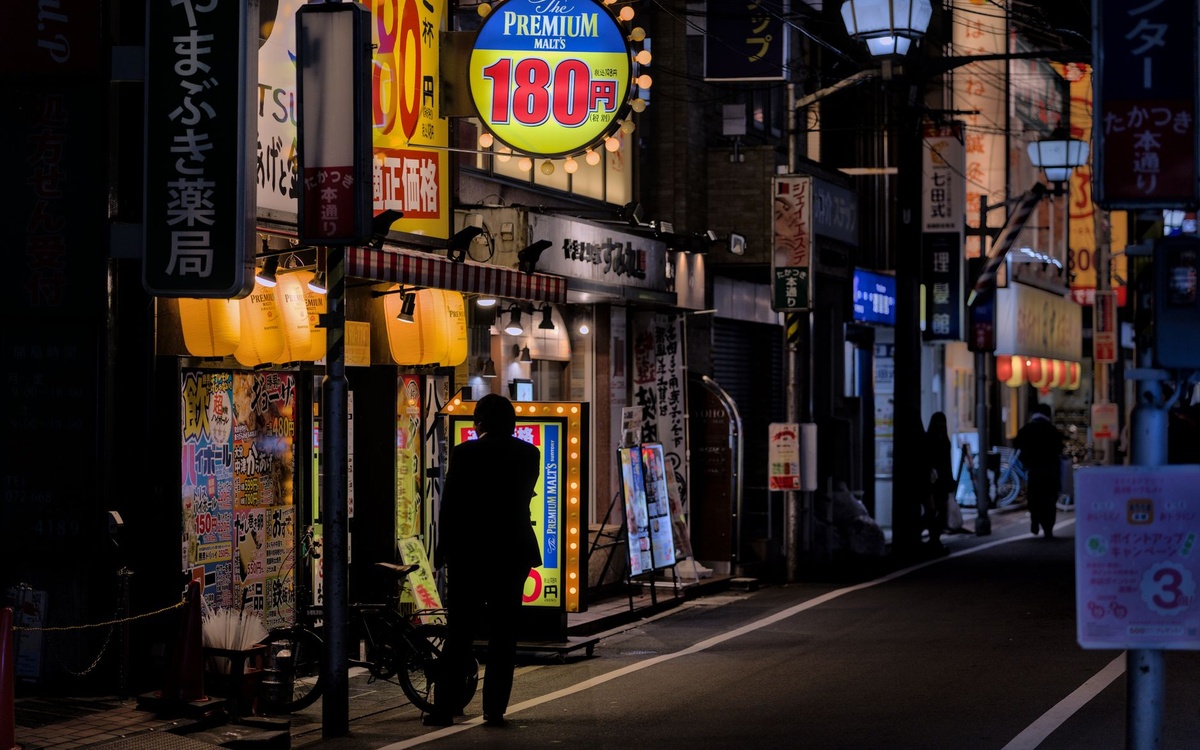
Tokyo’s basic drinks are not dramatically more expensive than Osaka’s. The gap appears when you add table charges, club admission, multiple train rides and the possibility of a €40 taxi.
| Night-out expense, September 2026 | Tokyo | Osaka |
|---|---|---|
| Izakaya dinner with two drinks | ¥3,500–¥5,500 (€20.60–€32.35) | ¥2,800–¥4,500 (€16.50–€26.50) |
| Standing-bar beer | ¥500–¥750 (€2.95–€4.40) | ¥350–¥600 (€2.05–€3.55) |
| Specialist cocktail | ¥1,500–¥2,200 (€8.80–€12.95) | ¥1,000–¥1,600 (€5.90–€9.40) |
| Club cover | ¥3,000–¥4,500 (€17.65–€26.50) | ¥2,000–¥3,500 (€11.75–€20.60) |
| Two urban train rides | ¥360–¥520 (€2.10–€3.05) | ¥380–¥580 (€2.25–€3.40) |
| Complete night, no taxi | ¥8,500–¥14,000 (€50–€82) | ¥6,000–¥10,000 (€35–€59) |
Where to go in Tokyo
Start at Omoide Yokocho in Shinjuku around 17:30, before its tiny counters fill. Many stalls trade from roughly 17:00 to 23:00; expect ¥3,000–¥4,500 (€17.65–€26.50) for skewers, beer and a seat charge where applicable.
For cocktails, book Bar Benfiddich, generally open from around 19:00 until 01:00 on operating nights. Drinks commonly land near ¥2,000–¥2,500 (€11.75–€14.70), but the herb-driven menu is more memorable than paying similar money at a generic Roppongi hotel bar.
The SG Club in Shibuya is another strong choice, with evening service commonly extending to approximately 02:00. Budget ¥1,600–¥2,200 (€9.40–€12.95) per cocktail and check current reservations and hours on Instagram or the official website.
For dancing, WOMB’s event covers commonly cost ¥3,000–¥4,500 (€17.65–€26.50). Skip random Kabukicho clubs promoted by street touts; buy tickets through Resident Advisor, Zaiko or the venue’s official page instead.
Where to go in Osaka
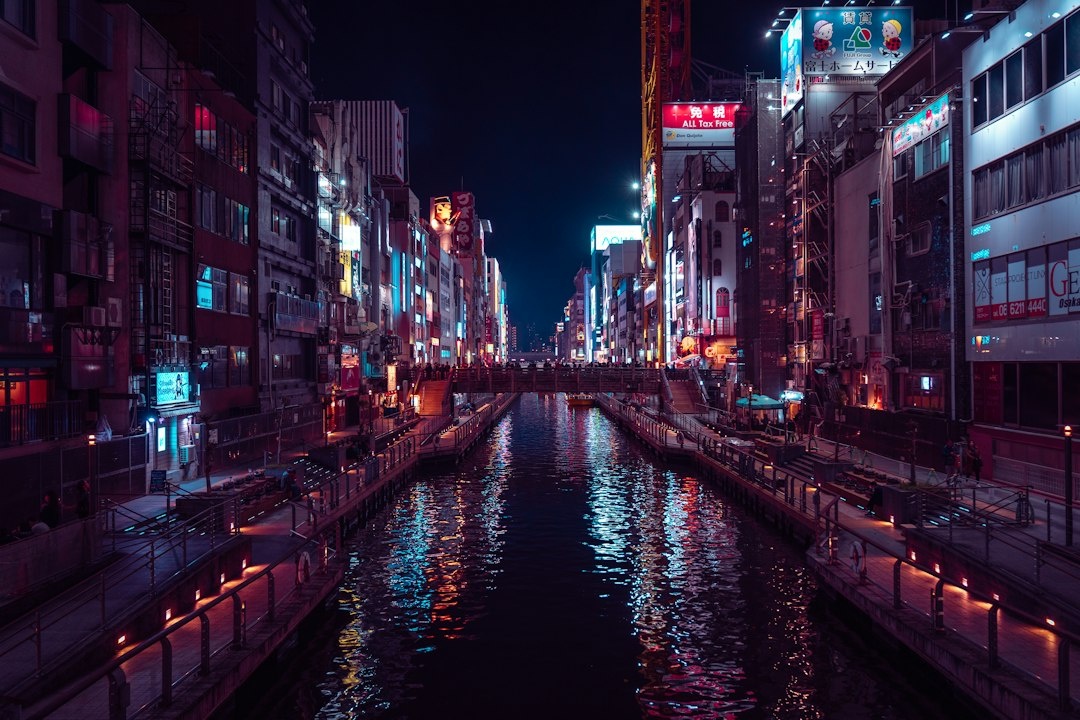
Begin in Ura-Namba, not on the main Dotonbori canal. Standing bars around Sennichimae sell beer or highballs for ¥350–¥550 (€2.05–€3.25), compared with ¥700–¥1,000 (€4.10–€5.90) in tourist-facing bars beside the Glico sign.
Bar Nayuta in Amerikamura is known for creative, preference-based cocktails and typically operates from early evening until roughly 03:00. Expect around ¥1,200–¥1,700 (€7.05–€10) per drink, and verify same-day hours because small Osaka bars take irregular rest days.
For electronic music, check Circus Osaka, where event nights commonly run from 23:00 to 05:00 and advance tickets start around ¥2,000–¥3,000 (€11.75–€17.65). That is often €8–€12 cheaper than a comparable Tokyo club.
Finish at a 24-hour Kinryu Ramen branch, where a bowl generally costs around ¥800–¥1,100 (€4.70–€6.50). It is not Osaka’s finest ramen, but at 03:30 it beats wandering into a themed restaurant charging tourist prices.
Noise Levels: Pick the Right Street, Not Just the Right District
Noise varies more within neighborhoods than between cities. The ranges here are practical planning bands based on typical late-evening street conditions and room acoustics, not laboratory-certified readings; façades, floor height and weekend crowds can shift exposure by 10 dBA or more.
| Area | Typical street level, 22:00–01:00 | Likely room level with window closed | Sleep verdict |
|---|---|---|---|
| Kabukicho, Tokyo | 72–82 dBA | 38–50 dBA | Avoid low street-facing rooms |
| Shibuya Center-gai, Tokyo | 70–80 dBA | 37–48 dBA | Fine above roughly the 10th floor |
| Roppongi crossing, Tokyo | 68–78 dBA | 36–47 dBA | Convenient but siren-prone |
| Ueno side streets, Tokyo | 52–64 dBA | 29–39 dBA | Best Tokyo value for sleepers |
| Dotonbori, Osaka | 70–78 dBA | 37–47 dBA | Fun, not restful |
| Amerikamura, Osaka | 65–76 dBA | 34–45 dBA | Avoid weekend street-facing rooms |
| Hommachi, Osaka | 48–60 dBA | 28–37 dBA | Best balance of sleep and access |
A jump from 40 to 50 dBA is not a modest 25% increase; decibels are logarithmic, and many sleepers perceive the higher level as roughly twice as loud. Ask for a room facing an internal courtyard and away from elevators, ice machines and railway tracks.
In Tokyo, I would skip a budget room directly over Kabukicho and stay near Shinjuku Gyoen or Tochomae instead. The walk may increase from 5 to 15 minutes, but closed-window room noise can drop from around 45 dBA to the low 30s.
In Osaka, choose Hommachi if sleep matters. It is only 4 minutes by metro or about 18 minutes on foot from Shinsaibashi, yet rooms can cost €15–€30 less than Dotonbori-facing properties.
Safest Neighborhoods—and the Blocks Requiring More Care
Both cities are safer than most nightlife capitals, but “Japan is completely safe” is lazy advice. The most common visitor problems are inflated bar bills, drink spiking, unwanted solicitation, lost phones and being too intoxicated to navigate the railway.
Best Tokyo neighborhoods for first-timers
- Ueno and Okachimachi: active but manageable, with JR and metro connections; central rooms from about €105.
- Ginza and Kyobashi: polished, well-lit and quiet after offices close; expect €150–€230 per night.
- Ebisu: excellent restaurants and bars without Shibuya’s intensity; 2 minutes by train from Shibuya.
- Shinjuku Gyoen: a 12–18-minute walk from Kabukicho but significantly calmer.
Kabukicho is not a no-go area, but never follow touts into an unlisted bar. Roppongi requires similar caution, especially around promoters promising free drinks, private rooms or “special” menus.
Best Osaka neighborhoods for first-timers
- Hommachi: quiet, central and one metro stop from Shinsaibashi.
- Kitahama: safe riverside atmosphere with polished cafés and hotels; about 12 minutes to Namba by metro.
- Fukushima: strong local restaurant scene one stop from Osaka Station.
- Namba Parks area: central without being directly on Dotonbori’s loudest lanes.
Shinsekai is generally fine for a daytime meal or evening kushikatsu, but some blocks feel rougher after midnight. First-timers seeking bars should stay around Namba rather than wandering toward Tobita Shinchi, where photography and tourist curiosity can create uncomfortable situations.
Save Japan’s emergency police number, 110, and look for a neighborhood police box marked “Koban.” Carry your passport as required, but keep a digital copy in encrypted cloud storage in case your bag disappears.
A Costed Two-Night Nightlife Plan
This budget is per person, assuming two people share a mid-range double room. It excludes flights and travel between Tokyo and Osaka but includes two dinners, nightlife, local transit and one late taxi.
| Expense | Tokyo, 2 nights | Osaka, 2 nights |
|---|---|---|
| Half-share of hotel room | ¥22,000 (€129 / $152) | ¥15,000 (€88 / $103) |
| Local transit | ¥1,800 (€10.60 / $12.40) | ¥1,500 (€8.80 / $10.35) |
| Two dinners and late-night food | ¥12,000 (€70.60 / $82.75) | ¥10,000 (€58.80 / $69) |
| Bars and drinks | ¥8,000 (€47 / $55) | ¥6,000 (€35.30 / $41.40) |
| One club entry | ¥4,000 (€23.50 / $27.60) | ¥2,500 (€14.70 / $17.25) |
| One late taxi | ¥3,000 (€17.65 / $20.70) | ¥2,500 (€14.70 / $17.25) |
| Observation deck, arcade or activity | ¥2,000 (€11.75 / $13.80) | ¥1,200 (€7.05 / $8.30) |
| Total per person | ¥52,800 (€311 / $364) | ¥38,700 (€228 / $267) |
Tokyo sample plan
- Night one: Check in near Shinjuku, eat in Omoide Yokocho from 18:00, reserve Bar Benfiddich around 21:00 and walk back before midnight.
- Night two: Shibuya dinner at 19:00, cocktails at The SG Club, then WOMB from approximately 23:30 to 04:30; take the first train instead of a cross-city taxi.
Osaka sample plan
- Night one: Eat okonomiyaki at Ajinoya before its usual late-evening closing, explore Ura-Namba standing bars and walk back from Dotonbori.
- Night two: Start in Amerikamura, order one serious cocktail at Bar Nayuta, attend a Circus Osaka event and budget €15 for a taxi to Umeda or Hommachi.
If you are continuing between the cities, the Tokaido Shinkansen takes roughly 2 hours 30 minutes on a Nozomi service from Tokyo to Shin-Osaka. SmartEX advance fares vary, but a standard reserved seat usually budgets near ¥14,500–¥16,000 (€85–€94); Japan has no regular sleeper train linking the two cities, unlike the options assessed in our 2026 European night-train audit.
Tech Setup That Prevents Expensive Mistakes
Download Japan Travel by NAVITIME for final-train searches and platform details. Google Maps is better for discovering nearby venues, but NAVITIME handles Japanese rail constraints more clearly.
Add a digital Suica to Apple Wallet before arrival if your device supports it. Android compatibility depends on hardware and regional settings; otherwise, buy a physical Welcome Suica or ICOCA where available and load ¥3,000–¥5,000 (€17.65–€29.40).
For taxis, install GO before drinking and register a payment card while you still have reliable Wi-Fi. A data eSIM from Airalo or Nomad can prevent the classic 01:00 problem of standing outside a club without enough connectivity to translate an address.
Pin your hotel entrance—not merely the hotel name—in Google Maps. Large Tokyo hotels sometimes have multiple entrances separated by 300–500 meters, which matters when the last train arrives and one gate is locked.
Common First-Timer Mistakes
- Booking beside the wrong station exit: Shinjuku Station spans roughly a kilometer of connected passages; “five minutes from Shinjuku” can mean 20 minutes from your nightlife area.
- Assuming trains run all night: Tokyo is a 24-hour city culturally, not operationally.
- Following nightlife touts: Skip any unplanned bar requiring a promoter to escort you upstairs.
- Choosing Dotonbori for every meal: Walk 5–10 minutes into Ura-Namba for lower prices and fewer queues.
- Ignoring table charges: An otoshi appetizer or seating charge commonly adds ¥300–¥800 (€1.75–€4.70) per person.
- Carrying no cash: Major venues accept cards, but tiny bars and ticket machines may not; keep ¥10,000 (€59) available.
- Visiting during Silver Week without reservations: September shoulder-season savings disappear from September 19–23, 2026.
- Underestimating humidity: September highs commonly sit around 27–30°C, and Osaka often feels warmer; choose breathable clothing and expect sudden rain or typhoon-related transport changes.
The Verdict: Tokyo or Osaka After Dark?
Osaka is the better first nightlife city for value. Its central rooms can be €35 cheaper, a missed train usually costs €12–€18 rather than €35–€50, and you can move from dinner to cocktails to a club largely on foot.
Tokyo is the better nightlife city overall. It has far more depth, but only if your budget absorbs €150 rooms, multiple districts and at least one carefully planned late finish.
For a September 2026 Japan itinerary, give Osaka two nights and Tokyo at least four. Avoid Silver Week if price matters, book a quiet room within 15 minutes of your final venue, and check the last train before ordering the next drink—not after.
Save this guide with your hotel shortlist, then build each evening backward from the final train or a pre-agreed taxi budget. That single decision will do more for your trip than another hour scrolling through “best nightlife” lists.
Frequently Asked Questions
Is Tokyo or Osaka nightlife cheaper in 2026?
Osaka is cheaper by roughly 20–30% for a complete night out. Budget €35–€59 without a taxi in Osaka versus €50–€82 in Tokyo, with central Osaka hotel rooms commonly €30–€50 less per night.
What time is the last train in Tokyo and Osaka?
Most useful final departures run between approximately 23:50 and 00:40 in Tokyo and 23:55 and 00:25 in Osaka. Check the exact route in NAVITIME on the day because direction, transfers and weekend schedules change the cutoff.
Which city is safer at night, Tokyo or Osaka?
Both are comparatively safe, with scams and overcharging more likely than violent crime. Avoid street touts in Kabukicho and Roppongi, and use extra awareness around Dotonbori, Amerikamura and Shinsekai after midnight.
Where should first-time visitors stay for nightlife?
In Tokyo, choose Shinjuku Gyoen, Ebisu or Ueno for a balance of access and sleep; rooms typically cost €105–€175. In Osaka, Hommachi or the Namba Parks area keeps you within 5–20 minutes of nightlife for roughly €80–€135.
Is September a good month for Tokyo and Osaka nightlife?
Yes, but expect humid 27–30°C days, occasional heavy rain and possible typhoon disruption. Avoid September 19–23, 2026 if possible, because Silver Week can raise hotel rates by 20–45%.

About the Author: Tomáš Bzirský
Founder and editor of Distratech. Based in the Czech Republic, travelling regularly from Central Europe. Writes practical travel guides and travel-tech comparisons (eSIM, apps, airports) in six languages.