'/%3E%3Cpath%20fill='%23b2b2b2'%20d='M241%20382q0%2016%2017%2026%2017%2011%2042%2011t42-11q16-11%2017-26V269H241'/%3E%3Cpath%20fill='%239f7e00'%20d='M241%20379q0%2014%208%2023%209%209%2021%209%2014%200%2021-9%209-9%209-23V269h-59'/%3E%3Cpath%20d='M241%20339v-70h59v110q0%2014-9%2023l-6%205v-68h-15v72q-8%200-14-4v-68zm59%2040c0%2022%2015%2032%2029%2032%2021%200%2030-18%2030-32v-40h-59'/%3E%3Cpath%20fill='%239f7e00'%20d='M266%20277v5h2v12h-3v-5h2v-5h-9v5h2v5h-4v9h3v18h-5v10h34v-10h-5v-18h3v-9h-4v-5h2v-5h-9v5h2v5h-3v-12h2v-5zm42%20101q0%2010%206%2017%206%206%2015%207%2010-1%2016-7%206-7%206-17v-29h-43'/%3E%3Ccircle%20fill='%230044ad'%20cx='329.5'%20cy='372'%20r='6'/%3E%3Cellipse%20fill='%230044ad'%20cx='300'%20cy='340'%20rx='16'%20ry='21'/%3E%3C/svg%3E)
'/%3E%3C/svg%3E)


'/%3E%3C/g%3E%3Cuse%20href='%23c'%20transform='matrix(-1%200%200%201%20720%200)'/%3E%3C/svg%3E)


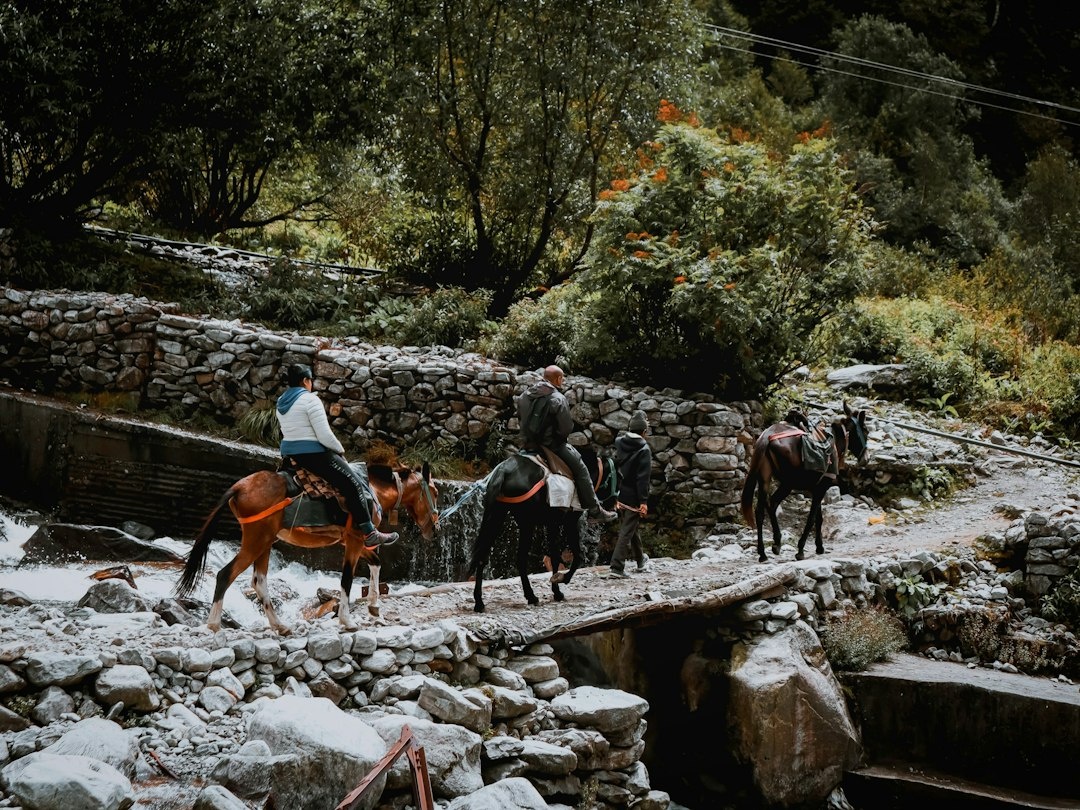
September is the sweet spot for crossing Kyrgyzstan’s Terskey Alatau on horseback: summer trekking groups have thinned out, the larch and birch valleys are turning gold, and daytime riding temperatures remain comfortable. The trade-off is a narrowing weather window—plan the seven-day Jyrgalan–Boz-Uchuk traverse for the first half of September 2026, hire a private expedition team, and treat “luxury” as a warm mobile yurt, proper camp bed, hot shower tent and excellent logistics rather than five-star glamping.
Key Takeaways
- Budget €2,750–€3,650 ($3,025–$4,015) per person for a private seven-day trek shared by two travelers in September 2026.
- The Jyrgalan–Boz-Uchuk route covers approximately 82–92 km, with five to seven hours in the saddle each day.
- Target September 3–15; after September 20, overnight snow can close passes above 3,300 meters.
- Book through a Karakol-based operator and insist on one riding guide per four guests, a cook, satellite communicator and backup evacuation horse.
- Spend two acclimatization nights around Karakol or Jyrgalan before riding above 3,000 meters.
Key Numbers at a Glance
| Item | September 2026 planning figure | What it means |
|---|---|---|
| Total riding distance | 82–92 km | Approximately 12–18 km per day |
| Highest point | About 3,450–3,600 m | Exact pass depends on trail and weather |
| Typical riding time | 5–7 hours daily | Longer than hiking the same distance feels |
| Recommended dates | September 3–15, 2026 | Warmer and statistically safer than late September |
| Private trek price | €5,500–€7,300 per couple | $6,050–$8,030 using €1 = $1.10 |
| Night temperature | -4°C to 5°C | A -10°C comfort-rated sleeping bag is sensible |
| Bishkek–Karakol transfer | 390–410 km; 6–7 hours | Private SUV €170–€230 per vehicle |
| Offline connectivity | Often zero for 4–5 days | Carry satellite messaging, not merely an eSIM |
Those prices are realistic planning ranges for September 2026, not fixed government tariffs. Kyrgyz operators commonly quote in US dollars, so reconfirm the exchange rate, what counts as a “single supplement,” and whether staff tips are included before paying a deposit.
Step 1: Decide What “Luxury” Means in the Terskey Alatau
On this route, luxury means privacy, warmth and operational competence. There are no permanent high-end lodges between Jyrgalan and Boz-Uchuk, and an operator promising ensuite yurts at every wilderness camp is selling a fantasy.
A genuinely premium expedition should include a private guide, cook, wrangler, pack horses, mobile dining yurt or large mess tent, raised camp beds, thick mattresses, clean bedding, a heated shower enclosure and a private chemical toilet tent. That is materially better than a standard trek using thin foam mats and shared family yurts, but it is not the same as a hotel room.
| Style | Indicative price per person, September 2026 | Group size | Sleeping setup | Best for |
|---|---|---|---|---|
| Shared community trek | €1,050–€1,450 ($1,155–$1,595) | 6–10 guests | Shared yurt or tent; floor mattress | Social travelers prioritizing price |
| Private comfort trek | €1,900–€2,600 ($2,090–$2,860) | 2–4 guests | Private tent or yurt; thicker mattress | Couples who can tolerate basic sanitation |
| Private premium expedition | €2,750–€3,650 ($3,025–$4,015) | 2 guests | Mobile yurt, camp bed, linen, shower and toilet tents | Travelers who value privacy and support |
| Fully customized premium solo | €4,600–€6,200 ($5,060–$6,820) | 1 guest | Same premium camp with sole-use staff | Solo riders unwilling to join a departure |
A practical decision framework
- Choose a shared trek if €1,500 is your ceiling and you are comfortable sleeping beside strangers.
- Choose private comfort if privacy matters more than hot showers or raised beds.
- Choose the premium expedition if cold nights, hygiene or dietary control could otherwise spoil the trip.
- Choose a shorter base-camp itinerary if you have never ridden for more than three consecutive hours.
- Skip the traverse entirely if you cannot walk 5 km over uneven ground in an emergency; horses do not remove the physical demands of altitude.
My choice is the private premium expedition for two. It costs roughly twice as much as a shared departure, but a dry bed and properly managed horses matter more at 3,400 meters than champagne or decorative cushions.
Step 2: Choose the Right September Weather Window
Book the trail for September 3–15 and hold September 16 as a contingency day. Early September usually delivers crisp mornings, relatively stable afternoons and fewer mosquitoes than July, while the valleys remain greener than they are at month’s end.
At Jyrgalan, around 2,300 meters, afternoon temperatures commonly reach 12–18°C. High camps above 3,200 meters can drop to -4°C overnight, roughly 10–15°C colder than lakeside Karakol.
| Period | Typical high-country conditions | Snow risk | Verdict |
|---|---|---|---|
| September 1–10 | 5–14°C by day; -2°C to 5°C at night | Low to moderate | Best balance of color and pass access |
| September 11–20 | 3–12°C by day; -4°C to 3°C at night | Moderate | Good with one spare day |
| September 21–30 | 0–9°C by day; -8°C to 1°C at night | Moderate to high | Only with a flexible route |
A sunny forecast in Karakol does not guarantee an open mountain pass. Check Meteoblue for altitude-specific forecasts and Windy for precipitation, freezing level and gusts, then let the local guide make the final call.
Wind above 40 km/h is more consequential on horseback than a few millimeters of rain. By comparison, 15 km/h wind with light snow may still be manageable if visibility and trail footing remain good.
Step 3: Book the Guide, Horses and Premium Mobile Camp
Start with Destination Karakol, CBT Kyrgyzstan or a vetted Karakol horse-trekking specialist that can name its guide and horse supplier before taking payment. Ask for a written quote rather than booking a generic “seven-day Kyrgyzstan horse tour” through an overseas marketplace.
Request quotes at least six months ahead—by March 2026 for a September departure. Good English-speaking equestrian guides are scarcer than horses, and the best teams may already be assigned to larger summer expeditions.
Put these details in the contract
- Guide ratio: no more than four guests per lead riding guide, plus a wrangler.
- Horse allocation: one named riding horse per guest, one pack horse per 60–70 kg of expedition baggage, and one spare or evacuation horse.
- Safety: Garmin inReach or equivalent, first-aid kit, horse first-aid supplies and a documented evacuation chain.
- Camp standard: bed height, mattress thickness, sleeping-bag comfort rating, toilet type and number of hot showers—not merely “luxury yurt.”
- Meals: three cooked meals, riding snacks, boiled or filtered drinking water and accommodation for allergies.
- Weather policy: who pays for extra staff, food and vehicles if the group waits a day or exits another valley.
- Insurance paperwork: legal company name, emergency contact and exact route description for your insurer.
A sensible payment structure is a 20–30% deposit, with the balance due 30–45 days before departure. Skip operators demanding 100% by personal bank transfer nine months ahead; use a company account or card payment with a proper invoice, even if card processing adds 3–4%.
Local offices generally answer between 09:00 and 18:00 Kyrgyzstan time, Monday to Friday, although expedition staff may respond irregularly in summer. WhatsApp is faster than email for logistics, but insist that final inclusions appear in a PDF contract.
Step 4: Follow This Seven-Day Jyrgalan–Boz-Uchuk Route
This itinerary deliberately limits daily distance and inserts a high-country exploration day. A stripped-down crossing can be ridden in four or five days, but seven days creates space for acclimatization, photography and weather decisions.
Trail distances vary because river conditions, camp locations and pass approaches change annually. Treat the following 86 km outline as a planning route; your September 2026 operator should supply a final GPX track after summer reconnaissance.
Day 1: Jyrgalan to Eki-Chat Valley
Distance: approximately 12 km. Riding time: 4–5 hours. Camp: around 2,650–2,800 meters.
Meet the horses in Jyrgalan, complete a 45-minute saddle fitting and ride gently through pasture toward the Eki-Chat side valley. This shorter day is preferable to pushing 18 km immediately; knees and hips usually complain before lungs do.
The guide should demonstrate emergency dismounting, uphill position and safe spacing before leaving the village. Ask for a front-opening trail saddlebag—riding with a 25-liter backpack for five hours is an unnecessary luxury-tour failure.
Day 2: Eki-Chat to the Tüp Valley
Distance: 14–16 km. Riding time: 6–7 hours. High point: approximately 3,300–3,450 meters.
Today crosses the first exposed watershed into the broad Tüp system. The climb is gradual, but the descent can become slick after overnight snow, so guides may lead horses for 30–60 minutes.
A rider walks at roughly 3 km/h on steep descents versus 5–7 km/h on rideable valley trail. Wear boots you can hike in; rigid fashion riding boots are worse here than waterproof paddock boots with half chaps.
Day 3: Upper Tüp Valley Camp
Distance: 12–14 km. Riding time: about 5 hours. Camp: approximately 3,000 meters.
Follow the river through summer jailoo grazing country, crossing smaller tributaries and passing seasonal shepherd camps that may already be closing for autumn. Water levels are generally lower than in July, but a cold front can turn easy crossings into slow work.
This is the night to use the shower tent, not after the coldest high camp. A bucket shower consumes roughly 10–15 liters of heated water versus 40 liters for a conventional shower, which is why premium wilderness camps still ration it.
Day 4: Weather Buffer and High-Valley Exploration
Distance: 8–12 km. Riding time: 3–5 hours. Sleeping altitude: similar to Day 3.
Use the day for an unloaded ride toward a panoramic ridge while pack horses and camp remain in place. If Day 2 was delayed, this becomes the recovery day that keeps the entire traverse from unraveling.
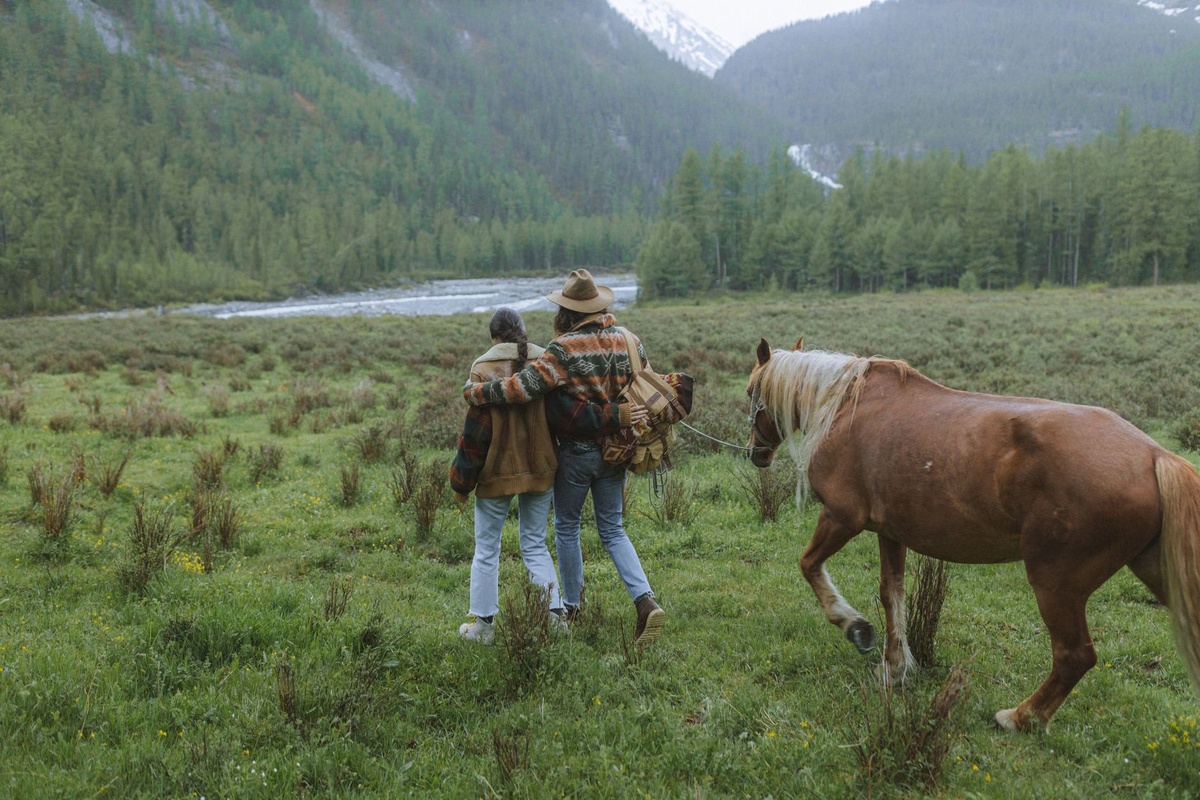
Skip any operator that schedules seven consecutive camp moves and still calls the program weather-flexible. One static night costs more in staffing but delivers far better resilience than racing a storm toward an unknown pass.
Day 5: Tüp System to Chymyn-Sai
Distance: 15–17 km. Riding time: 6–7 hours. High point: roughly 3,400–3,550 meters.
This is the hardest day, combining a high saddle with a long descent toward Chymyn-Sai. Expect sections where you dismount to protect the horse’s front legs and negotiate loose ground.
Lunch should be substantial—soup in a thermos, flatbread, cheese, dried fruit and chocolate—rather than the usual cucumber-and-tomato picnic. Riding in cold conditions can use 2,500–3,500 calories per day, around 30% more than a sedentary travel day.
Day 6: Chymyn-Sai to Boz-Uchuk Lakes
Distance: 12–14 km. Riding time: 5–6 hours. Camp: approximately 3,300–3,450 meters.
Climb toward the Boz-Uchuk lake basin for the most photogenic camp of the trip. The lakes can appear steel-blue under cloud or intensely turquoise in sun, but the basin is exposed and may be the coldest night.
Ask the crew to pitch the sleeping yurt below, not directly on, the most dramatic ridge. Dropping just 100–150 vertical meters can reduce wind exposure considerably while adding only 20–30 minutes to the morning ride.
Day 7: Boz-Uchuk Lakes to Boz-Uchuk Village and Karakol
Distance: 15–17 km riding, followed by approximately 55–70 km by road. Total time: 5–6 hours riding plus 1.5–2 hours driving.
Descend through the gorge to the vehicle rendezvous near Boz-Uchuk village. Keep riding clothes accessible: the transfer vehicle can be delayed by rough tracks, and your duffel may travel separately with the camp truck.
Return to Karakol for a hot shower and proper bed. A direct ride plus road transfer is far more comfortable than adding another low-elevation camp merely to advertise an eighth day.
Step 5: Build in Acclimatization and Comfortable Hotels
Arrive in Kyrgyzstan at least three nights before the ride: one night in Bishkek, one in Karakol and one in Jyrgalan. Going directly from Bishkek’s roughly 800 meters to a 3,300-meter camp within 48 hours is cheaper, but not smarter.
In Bishkek, stay at the Hyatt Regency or Sheraton if international-hotel reliability matters; September 2026 flexible rates commonly fall around €150–€230 ($165–$253) per night. A strong boutique alternative is the Navat Hotel, often around €80–€120 ($88–$132).
In Karakol, look at Hillside Karakol B&B or Madanur Hotel, generally €45–€90 ($50–$99) for a double, while premium rooms at established guesthouses may reach €120 ($132). Compare current hotels in Karakol, but book direct if the property includes a free early breakfast or gear storage.
In Jyrgalan, Alakol-Jyrgalan Guest House is a practical staging base rather than a luxury hotel. Expect approximately €50–€85 ($55–$94) per person with dinner and breakfast, versus €25–€40 for a basic homestay.
For food, eat at Dastorkon in Karakol for ashlyan-fu, lagman and grilled trout; mains are commonly €4–€9 ($4.40–$9.90), and service usually runs from late morning until around 22:00. Skip imported hotel pasta at three times the price and order local noodle dishes plus a fresh salad before the expedition cook takes over.
Step 6: Reach Jyrgalan Without Wasting a Day
Most international travelers fly into Manas International Airport near Bishkek. Turkish Airlines via Istanbul and Air Astana via Almaty are usually more dependable one-stop options than building a tight self-transfer through separate regional tickets.
From Manas Airport to central Bishkek, a prearranged car costs about €18–€28 ($20–$31) and takes 35–50 minutes. A local taxi app can be cheaper at €10–€16, but airport pickup points and driver communication are less predictable after midnight.
| Transfer | Distance | Duration | September 2026 price |
|---|---|---|---|
| Private SUV: Bishkek–Karakol | 390–410 km | 6–7 hours | €170–€230 per vehicle |
| Shared minibus: Bishkek–Karakol | 390–410 km | 7–9 hours | €12–€18 per person |
| Private SUV: Karakol–Jyrgalan | 60 km | 1–1.5 hours | €45–€70 per vehicle |
| Marshrutka: Karakol–Jyrgalan | 60 km | 1.5–2 hours | €2–€4 per person |
Choose the private SUV if you carry riding equipment, value roadside photo stops or need a known arrival time. Choose the marshrutka only if cost matters more than comfort; it may wait for passengers and offers little room for expedition duffels.
The northern Issyk-Kul road is generally faster, while the southern shore is more scenic but can add 60–90 minutes. Ask the driver to stop every two hours—six uninterrupted hours in a vehicle is poor preparation for seven days in a saddle.
Step 7: Pack for Frost, Sun and Horseback Movement
Pack into one soft 70–90-liter duffel weighing no more than 15 kg, plus a small saddlebag or 10–15-liter daypack. Hard suitcases do not fit pack-horse loads, and a 20 kg duffel can unbalance the animal.
Essential riding and camp kit
- Certified riding helmet; do not rely on the village tack room having your size.
- Waterproof paddock or light trekking boots with a defined heel of roughly 2–3 cm.
- Half chaps, two pairs of riding trousers and seamless base layers.
- Waterproof jacket and overtrousers rated around 15,000 mm or better.
- Down or synthetic insulated jacket, fleece and merino base layers.
- Warm hat, sun cap, liner gloves and waterproof insulated gloves.
- Sleeping bag with a comfort rating of -10°C; a “limit -10°C” label is not equivalent.
- Category 3 sunglasses, SPF 50 sunscreen and SPF lip balm.
- Two one-liter bottles or an insulated bottle plus hydration reservoir.
- Personal medication, blister care and oral rehydration salts.
Renting a sleeping bag may save €150–€350, but fit, cleanliness and temperature ratings are inconsistent. Bring your own bag and helmet; rent bulky camp furniture and expedition tents locally.
A synthetic insulated jacket dries faster than down after prolonged damp, while down provides more warmth per gram. For September, I would take a hydrophobic-down jacket inside a waterproof sack and carry a light synthetic vest as backup.
Keep the duffel protected with an internal waterproof liner, not only its external fabric. Pack horses may stand in rain for hours, and a €12 contractor-grade liner can outperform a fashionable €200 “water-resistant” duffel.
Step 8: Use Travel Tech That Still Works Offline
Download Kyrgyzstan in Organic Maps and save the operator’s GPX file in Gaia GPS before leaving Karakol. Organic Maps is free and excellent for roads; Gaia’s paid offline layers are better for checking contours and recording the expedition.
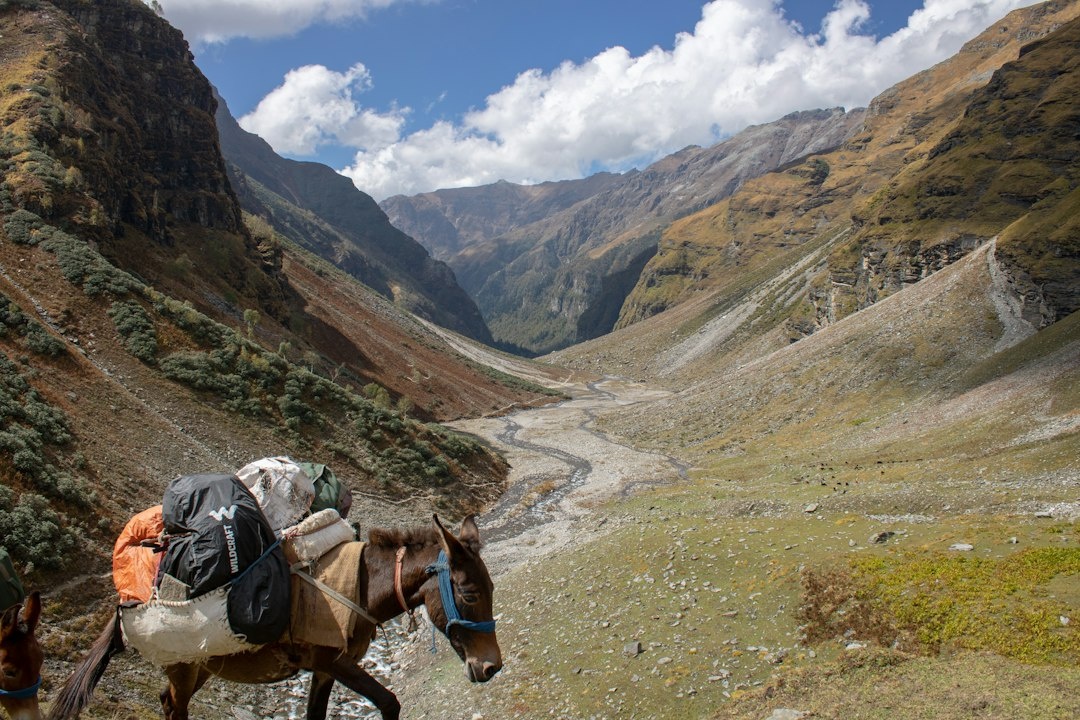
Do not use a phone map as your emergency system. A Garmin inReach Mini 2 costs roughly €350–€400 plus a monthly plan from about €18, while a rented satellite communicator may cost €8–€15 per day; either is more useful than two phones with zero signal.
Mobile coverage from MegaCom, Beeline or O! works in parts of Jyrgalan and lower valleys but disappears in the high country. A local SIM may cost €3–€8 for a data package, compared with roughly €10–€25 for a travel eSIM, but neither replaces satellite messaging.
For a simple pre-arrival connection, compare Airalo with a physical Kyrgyz SIM after landing. The eSIM is more convenient for airport messaging; the local SIM usually supplies more data per euro.
Carry a 20,000 mAh power bank per person and keep it inside your sleeping bag on freezing nights. That capacity gives approximately three to four modern phone charges, compared with only one to two from a 10,000 mAh unit after cold-weather efficiency losses.
Step 9: Budget the Complete Trip, Not Just the Horse Trek
A premium trek quote rarely includes international flights, Bishkek hotels, insurance or guide tips. The following budget covers two travelers sharing rooms and a private expedition, using September 2026 planning prices.
| Expense for two | EUR | USD equivalent |
|---|---|---|
| Private seven-day premium expedition | €6,200 | $6,820 |
| Bishkek hotel, 2 nights | €320 | $352 |
| Karakol hotel, 2 nights | €180 | $198 |
| Jyrgalan guesthouse, 1 night with meals | €140 | $154 |
| Private road transfers | €500 | $550 |
| Meals outside trek | €180 | $198 |
| Insurance with riding and evacuation cover | €300 | $330 |
| Tips for expedition team | €420 | $462 |
| Weather contingency fund | €500 | $550 |
| Total excluding international flights | €8,740 | $9,614 |
Add approximately €600–€1,100 ($660–$1,210) per person for economy flights from major European hubs, depending on origin and baggage. Business class can raise the total by €2,000–€4,000 per person, easily exceeding the cost of the entire ground expedition.
For tipping, budget €25–€35 per guest per expedition day, pooled across the guide, cook and wranglers. That is €350–€490 for two guests over seven days; hand it to the lead guide in labeled envelopes so the distribution is explicit.
Insurance, Health and Evacuation Reality
Buy a policy that explicitly covers recreational horseback riding above 3,500 meters and emergency evacuation. A generic €35 city-break policy may exclude both altitude and equestrian activity, while suitable adventure coverage often costs €120–€180 per person for a two-week trip.
A helicopter is not guaranteed. Cloud, wind, darkness and aircraft availability can turn an evacuation into a horse descent followed by several hours in a 4×4, so the expedition must carry shelter, food and pain management for a delayed exit.
Discuss acetazolamide with a travel-medicine clinician rather than treating it as an automatic packing item. More importantly, sleep around 2,300 meters before the trek, hydrate normally and report headaches early instead of hiding symptoms to protect the itinerary.
Travel insurance should cover at least €500,000 in medical evacuation expenses. Policies capped at €25,000 cost less, but the savings are trivial compared with a complex mountain rescue and international repatriation.
Common Planning Mistakes
Calling any decorated yurt “premium”
Felt rugs do not compensate for a damp floor mattress. Ask for bed photographs, mattress dimensions, toilet arrangements and the sleeping-bag comfort rating; a premium setup should be measurably different from a €1,200 group trek.
Scheduling the ride too late in September
September 25 may offer lower prices, but saving 10–15% is poor value if snowfall forces a lower route. The first half of the month costs more because it has a better chance of delivering the intended crossing.
Assuming horses make altitude effortless
Riders still spend five to seven hours bracing through hips, thighs and core. Complete at least six riding lessons and one four-hour trail ride before departure; gym fitness alone does not prepare your seat.
Booking a same-day flight after the trek
Allow one full night in Karakol and one in Bishkek before an international departure. Boz-Uchuk to Manas Airport can exceed eight hours with traffic, versus roughly two hours from a central Bishkek hotel.
Overpacking electronics and underpacking warmth
A drone, camera, phone and laptop can add 6 kg, while an extra insulated layer weighs under 500 g. Drones also disturb livestock and may require operator approval; bring one camera system and leave the laptop in Karakol.
Comparing the route with serviced Alpine trekking
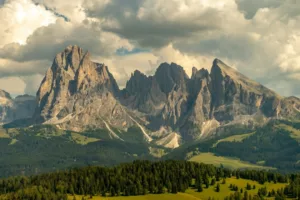
The Terskey Alatau has fewer rescue assets, no hut network and substantially less connectivity than the Dolomites. If you prefer staffed huts and road-accessible trailheads, compare this expedition with a carefully paced September Dolomites itinerary before committing.
Final Verdict: Is the Luxury Version Worth It?
Yes—if the extra money purchases staff, safety equipment, better horse management and a weather buffer. Paying €3,200 per person for a private expedition is defensible; paying the same amount for decorative yurts, imported wine and no satellite communicator is not.
September 3–15, 2026 is the strongest booking window, particularly for travelers chasing the current appetite for off-peak alpine escapes without accepting peak-summer crowds. Confirm the guide ratio, camp specification and evacuation plan in writing, then arrive in Karakol with two spare days and the flexibility to let mountain conditions—not a brochure—set the final route.
Save this plan, send the seven-day outline to at least three Karakol operators, and compare line-item quotes before paying a deposit. The best proposal will be the one that answers difficult questions clearly, not the one with the prettiest yurt photographs.
Frequently Asked Questions
How much does a luxury horseback trek in Kyrgyzstan cost?
A private seven-day premium expedition in the Terskey Alatau should cost approximately €2,750–€3,650 ($3,025–$4,015) per person when shared by two travelers in September 2026. Including hotels, transfers, insurance and tips, budget about €4,370 ($4,807) per person before international flights.
Is September a good time to ride from Jyrgalan to Boz-Uchuk?
Yes, particularly from September 3–15, when trails are quieter and daytime temperatures commonly reach 5–14°C in the high country. Snow becomes more likely after September 20, so late-month departures need a lower backup route.
Do I need horseback-riding experience for the Terskey Alatau?
You should be comfortable controlling a horse at a walk and spending at least four hours in the saddle. Six lessons plus one full-day trail ride is a sensible minimum because the expedition involves five to seven riding hours on several consecutive days.
Are luxury yurts available every night on the route?
Only if the operator supplies a mobile expedition yurt and pack-horse or vehicle support; permanent luxury camps do not line the Jyrgalan–Boz-Uchuk trail. Confirm raised beds, mattress thickness, heating, shower and toilet arrangements in writing.
How cold is the Terskey Alatau in September?
High camps can fall to -4°C, with daytime temperatures around 5–14°C and colder conditions during storms. Carry a sleeping bag with a genuine -10°C comfort rating, not merely a -10°C survival or limit rating.
About the Author: Tomáš Bzirský
Founder and editor of Distratech. Based in the Czech Republic, travelling regularly from Central Europe. Writes practical travel guides and travel-tech comparisons (eSIM, apps, airports) in six languages.