'/%3E%3Cpath%20fill='%23b2b2b2'%20d='M241%20382q0%2016%2017%2026%2017%2011%2042%2011t42-11q16-11%2017-26V269H241'/%3E%3Cpath%20fill='%239f7e00'%20d='M241%20379q0%2014%208%2023%209%209%2021%209%2014%200%2021-9%209-9%209-23V269h-59'/%3E%3Cpath%20d='M241%20339v-70h59v110q0%2014-9%2023l-6%205v-68h-15v72q-8%200-14-4v-68zm59%2040c0%2022%2015%2032%2029%2032%2021%200%2030-18%2030-32v-40h-59'/%3E%3Cpath%20fill='%239f7e00'%20d='M266%20277v5h2v12h-3v-5h2v-5h-9v5h2v5h-4v9h3v18h-5v10h34v-10h-5v-18h3v-9h-4v-5h2v-5h-9v5h2v5h-3v-12h2v-5zm42%20101q0%2010%206%2017%206%206%2015%207%2010-1%2016-7%206-7%206-17v-29h-43'/%3E%3Ccircle%20fill='%230044ad'%20cx='329.5'%20cy='372'%20r='6'/%3E%3Cellipse%20fill='%230044ad'%20cx='300'%20cy='340'%20rx='16'%20ry='21'/%3E%3C/svg%3E)
'/%3E%3C/svg%3E)


'/%3E%3C/g%3E%3Cuse%20href='%23c'%20transform='matrix(-1%200%200%201%20720%200)'/%3E%3C/svg%3E)


A solo safari after 60 should deliver extraordinary wildlife without turning every transfer into an eight-hour endurance test. Kenya generally wins for shorter fly-in logistics, easier medical backup and lower solo costs; Tanzania wins for sheer ecosystem scale, the Ngorongoro Crater and a longer, more immersive safari—provided you budget carefully for single supplements and internal flights.
Key Takeaways
- A seven-night September 2026 safari costs roughly €5,680 solo in Kenya versus €6,630 in northern Tanzania, excluding international flights.
- Nairobi–Maasai Mara takes 45–60 minutes by air versus 5.5–6.5 hours by road; Arusha–Seronera takes 75–100 minutes by air versus roughly eight hours overland.
- Kenya has the stronger medical-access chain, with more frequent Mara flights and major private hospitals in Nairobi.
- Tanzania offers more varied landscapes, but the 14,763 km² Serengeti produces longer transfers than the 1,510 km² Maasai Mara.
- September is migration high season—not bargain shoulder season—so late September or November gives better solo value.
Key Numbers at a Glance
The figures below use an indicative planning exchange rate of US$1 = €0.86. Prices were checked or modelled in September 2026; camps, airlines and park authorities can change tariffs without much notice.
| Metric | Kenya | Tanzania |
|---|---|---|
| Typical seven-night solo safari, September 2026 | US$6,590 / €5,667 | US$7,690 / €6,613 |
| Typical solo uplift over twin-share price | 18–25% | 24–35% |
| Main migration reserve size | Maasai Mara: 1,510 km² | Serengeti: 14,763 km² |
| Gateway-to-wildlife flight | Wilson–Mara: 45–60 min | Arusha–Seronera: 75–100 min |
| Equivalent road transfer | Nairobi–Mara: 270 km, 5.5–6.5 hr | Arusha–Seronera: about 335 km, 7.5–9 hr |
| Standard tourist entry | eTA: about US$30 / €26 plus processing | Visa: US$50 / €43; US citizens US$100 / €86 |
| Best advantage after 60 | Less transit fatigue and better medical access | More habitats and the Ngorongoro Crater |
My short verdict: choose Kenya for a first solo safari, limited mobility, a seven-day ceiling or anxiety about medical care. Choose Tanzania when wildlife variety matters more than cost and you can spend nine to 12 days without rushing.
Single Supplements: Kenya Is Usually Kinder to Solo Travelers
The advertised safari price is rarely the price a solo traveler pays. Most packages assume two people sharing both a room and a vehicle, so traveling alone can trigger a room supplement plus the full cost of the guide and Land Cruiser.
Kenya has more small-group departures and camps willing to waive room supplements outside peak dates. Tanzania’s fixed vehicle costs, higher concession charges and long northern-circuit distances make the solo penalty harder to avoid.
| September 2026 planning scenario | Kenya: Mara-focused | Tanzania: northern circuit |
|---|---|---|
| Seven-night twin-share equivalent per person | US$5,450 / €4,687 | US$6,120 / €5,263 |
| Solo room and transport uplift | US$1,140 / €980 | US$1,570 / €1,350 |
| Total solo price | US$6,590 / €5,667 | US$7,690 / €6,613 |
| Effective solo penalty | 20.9% | 25.7% |
| Likely saving on a hosted departure | €430–€860 | €520–€1,030 |
These are mid-to-upper-range packages using permanent or high-quality tented camps, not ultra-luxury lodges. At properties such as Angama Mara or Four Seasons Safari Lodge Serengeti, a solo guest can spend over US$1,500 (€1,290) per night in September before premium drinks, spa treatments and some conservation charges.
Ask operators for three figures: the twin-share price, the room single supplement and the sole-use vehicle charge. A room supplement of €90 per night looks manageable until a private Land Cruiser adds US$250–US$400 (€215–€344) daily.
How to reduce the solo penalty
- Book a guaranteed small-group departure with no more than six guests, not a nine-seat minibus.
- Ask about “no single supplement” dates between 20 November and 15 December or from March to May.
- Share game drives but retain a private room; this is the best comfort-to-cost compromise.
- Compare complete packages rather than camp rates, because park fees and transfers may add €900–€1,500.
- Get the cancellation terms in writing—especially the supplement due if a matched roommate withdraws.
Skip “room-share guaranteed” arrangements unless you genuinely enjoy sharing with a stranger. After 60, good sleep and control over room temperature are worth more than saving €500.
Driving Hours and Road Comfort
Safari distances look harmless on a map. In practice, corrugations, dust, livestock and wildlife stops can turn 150 km into five hours.
Kenya’s strongest short itinerary is Nairobi–Maasai Mara by air, with all game drives based from one camp. Tanzania’s famous northern circuit is more linear, but fitting Tarangire, Ngorongoro and Serengeti into one week creates too many packing days.
| Route | Distance | Typical time | Comfort verdict |
|---|---|---|---|
| Nairobi–Maasai Mara | About 270 km | 5.5–6.5 hr by road | Fly unless you need to save roughly €170 |
| Maasai Mara–Amboseli | About 430 km | 8–10 hr | Too long for most seven-day trips |
| Arusha–Tarangire | About 120 km | 2–2.5 hr | Reasonable road transfer |
| Tarangire–Ngorongoro rim | About 140 km | 3–3.5 hr | Manageable with a lunch stop |
| Ngorongoro–central Serengeti | About 145 km | 4–5 hr | Scenic, but rough and dusty |
| Arusha–Seronera | About 335 km | 7.5–9 hr | Fly one direction |
A safari “game drive” commonly means three to four hours before breakfast and another three hours in late afternoon. Adding a six-hour transfer between them is not a relaxing day, particularly if you have lumbar, hip or bladder issues.
Request a window seat, a step stool and a vehicle with a fridge, charging sockets and a roof you can operate without lifting. Avoid rear bench seats: they pitch more violently than the front two rows.
Park gates generally operate from around 6:00am to 6:00pm, although individual conservancies and crater-descent schedules vary. Reaching a gate late can mean paying for accommodation outside the park while losing that day’s prepaid permit.
Fly-In Safari Options: Kenya Has the Simpler Network
Flying is the single best upgrade for an older solo traveler. It removes punishing road transfers, although small aircraft introduce strict baggage limits and require stepping up into compact cabins.
Kenya fly-in options
AirKenya and Safarilink operate from Nairobi’s Wilson Airport to Mara airstrips including Keekorok, Ol Kiombo, Musiara and Kichwa Tembo. Flights typically take 45–60 minutes and cost approximately US$220–US$300 (€189–€258) each way in September 2026.
Most fares allow only 15 kg total baggage, including hand luggage, in soft-sided bags. Wilson is about 18 km from Jomo Kenyatta International Airport, but allow 60–90 minutes by road and at least three hours between unrelated tickets.
Tanzania fly-in options
Coastal Aviation, Auric Air and Regional Air connect Arusha or Kilimanjaro with Seronera, Kogatende, Grumeti and other safari airstrips. Arusha–Seronera usually takes 75–100 minutes with possible stops and costs around US$250–US$340 (€215–€292) one way.
“Direct” bush flights often make two or three intermediate landings. That is normal, but ask for the expected routing if repeated takeoffs, narrow steps or motion sickness are concerns.
Kenya wins because Wilson–Mara has dense scheduling and numerous camp airstrips. Tanzania’s flights save more driving overall, but northern Serengeti schedules can be weather-dependent and considerably more expensive.
Skip the road journey in both directions. In Kenya, fly to the Mara and drive back only if you specifically want the Rift Valley; in Tanzania, drive Arusha–Tarangire–Ngorongoro, then fly from Serengeti to Arusha.
Medical Access and Emergency Evacuation
Neither the Mara nor Serengeti has a hospital comparable to Nairobi or a major European city. Camps provide first aid, and some luxury lodges employ nurses or clinical officers, but stroke, cardiac, fracture and surgical cases require evacuation.
Kenya has the better medical chain. Mara airstrips receive frequent scheduled flights, while Nairobi offers Aga Khan University Hospital, Nairobi Hospital and MP Shah Hospital, all with 24-hour emergency departments.
In Tanzania, FAME Hospital near Karatu is a valuable northern-circuit resource, particularly around Ngorongoro and Lake Manyara. Serious cases from Serengeti normally move toward Arusha, Kilimanjaro Christian Medical Centre near Moshi or Nairobi, depending on insurance authorization and aircraft availability.
| Medical factor | Kenya | Tanzania |
|---|---|---|
| Basic camp-to-airstrip transfer | Usually 10–60 min in the Mara | Often 20–120 min in Serengeti |
| Likely evacuation flight | Mara–Nairobi: roughly 1 hr flying | Serengeti–Arusha: roughly 1–1.5 hr flying |
| Major private hospital depth | Strong in Nairobi | More limited in Arusha; stronger referrals may go to Nairobi |
| Overall after-60 rating | Better | Adequate with evacuation cover |
Actual evacuation can take several hours because aircraft need authorization, daylight, suitable weather and an open airstrip. Never interpret a “one-hour flight” as a one-hour door-to-hospital guarantee.
Buy coverage that explicitly includes safari activities, pre-existing conditions where applicable, medical evacuation and repatriation. AMREF Flying Doctors offers regional evacuation products, but membership is not a replacement for travel medical insurance and generally does not pay hospital bills.
Carry medications in hand luggage, split between two containers, with generic names and a physician’s letter. Bring at least three extra days’ supply; bush flights can be delayed by thunderstorms, smoke or aircraft rotation problems.
Accessible Camps and Mobility Reality
“Accessible” is not standardized consistently in East African safari camps. A website may mean step-free dining while the guest tent still has gravel approaches, a shower lip and no grab rails.
For Kenya, ask Angama Mara, Sanctuary Olonana and JW Marriott Masai Mara Lodge for current room diagrams and transfer details. They offer higher service levels and relatively substantial infrastructure, but Angama’s escarpment setting and Olonana’s riverside terrain still require a room-specific assessment.
In Tanzania, Four Seasons Safari Lodge Serengeti is the clearest choice for travelers who need elevators, firm pathways, conventional hotel services and accessible-room features. It is substantially easier than a seasonal mobile camp, where canvas floors, uneven ground and bucket-style showers may create problems.
| Camp type | Typical September 2026 solo cost | Mobility characteristics |
|---|---|---|
| Permanent Mara luxury camp | €850–€1,400 nightly | Permanent bathroom; paths may remain steep or unpaved |
| Serengeti mobile migration camp | €700–€1,100 nightly | Uneven ground, steps and limited night lighting |
| Large permanent Serengeti lodge | €1,000–€1,600 nightly | Best pathways, rails and on-site support |
Ask seven questions before paying a deposit: distance from room to dining, path surface, number and height of steps, shower threshold, grab rails, bed height and vehicle boarding height. Request photographs with a tape measure in the frame rather than accepting “yes, accessible.”
A cane user may prefer a permanent camp even if wildlife requires a 30-minute drive. Skip romantic fly camps and do a stable lodge with private vehicle access instead.
Wildlife Density: Concentration vs Scale
The Maasai Mara covers approximately 1,510 km²; Serengeti National Park covers about 14,763 km². That size difference explains the experience: Mara sightings often come faster, while Serengeti rewards time and strategic camp placement.
In September, wildebeest and zebra may be in Kenya’s Mara, northern Serengeti or moving between both. River crossings cannot be scheduled, and any operator promising one on a particular date is selling fiction.
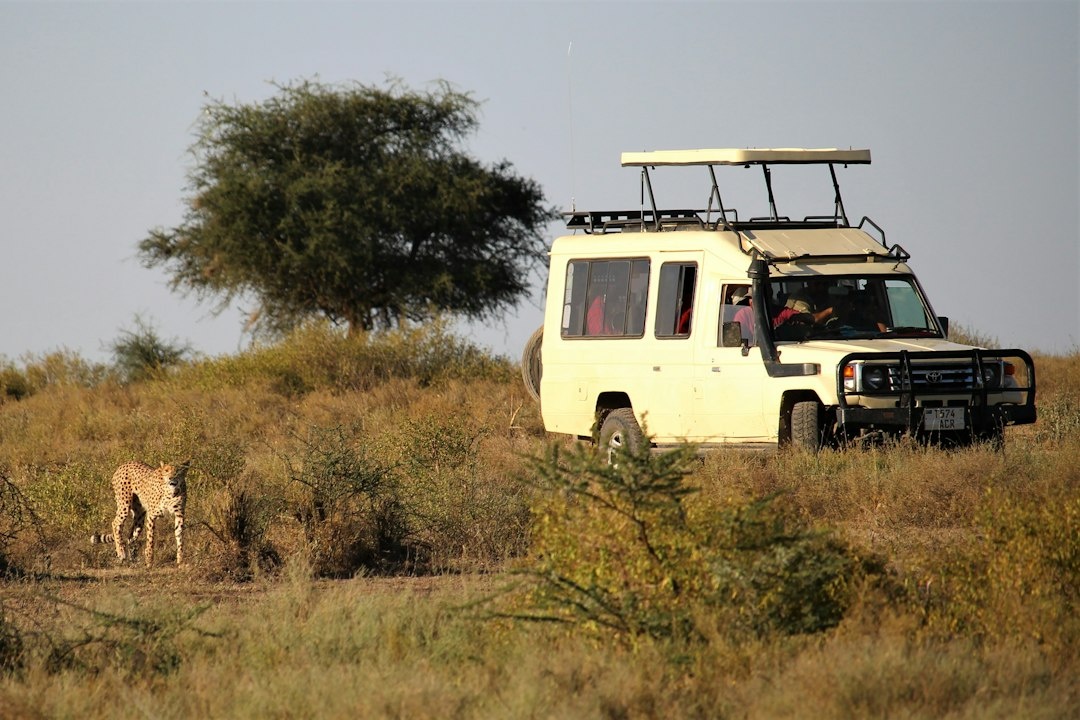
For rapid predator sightings over four safari nights, I favor Kenya. Lions, cheetahs and hyenas occupy a compact road network, although migration hotspots can attract 20–40 vehicles around a single crossing or cat.
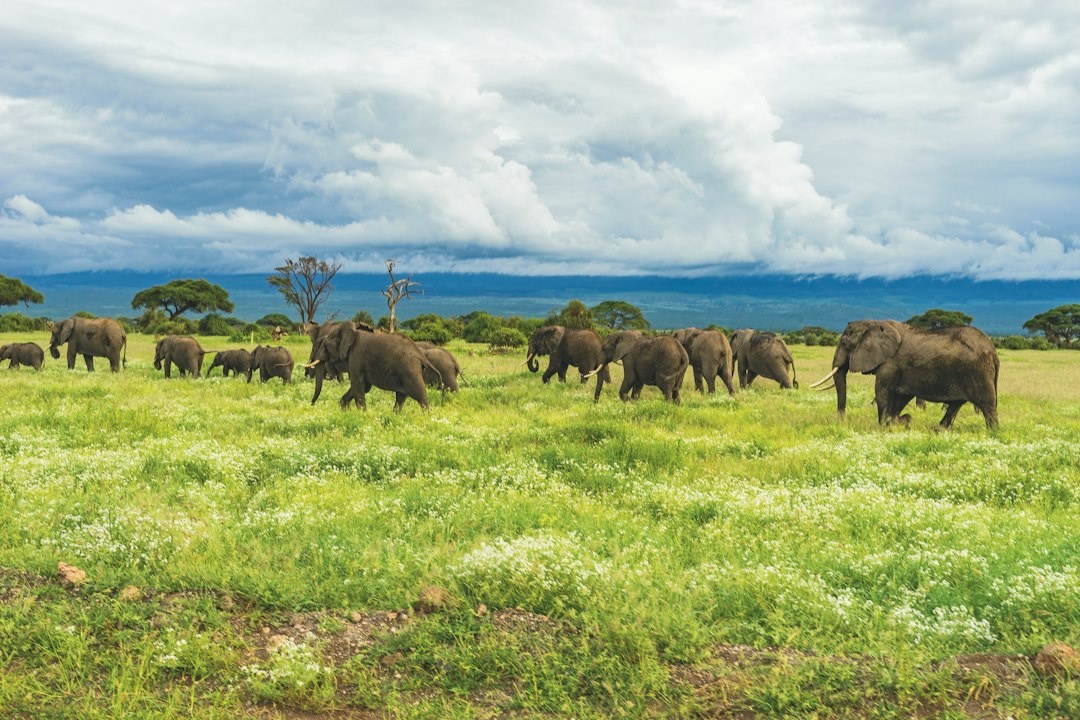
Tanzania wins for ecological range. Tarangire adds elephants and baobabs, the roughly 260 km² Ngorongoro Crater floor holds an often-cited seasonal population of around 25,000 large animals, and Serengeti provides immense plains rather than constant vehicle clusters.
Private Kenyan conservancies such as Mara North, Naboisho and Olare Motorogi limit beds and usually allow night drives and off-road viewing under local rules. This can feel more exclusive than the national reserve, even when animal numbers are lower.
Skip a rushed “Big Five in five days” Tanzanian checklist. Spend three nights around Ngorongoro and Tarangire plus four nights in one Serengeti sector; changing camp every night reduces actual viewing time.
September 2026 Prices—and When Shoulder Season Actually Saves
September may be shoulder season in Europe, but it is still high season in the Mara and northern Serengeti. Migration demand, dry roads and excellent predator visibility keep camp rates elevated.
The first half of September is busiest. The final ten days can feel calmer as European school holidays end, yet migration camps rarely apply meaningful discounts until October or November.
| Travel period | Kenya solo safari, 7 nights | Tanzania solo safari, 7 nights | Trade-off |
|---|---|---|---|
| September 2026 | €5,300–€7,500 | €6,100–€8,800 | Migration potential; highest crowds and supplements |
| 1–20 November 2026 | €4,300–€6,000 | €4,900–€7,000 | Possible short rains; greener landscapes |
| March 2027 | €3,900–€5,600 | €4,600–€6,700 | Better rates; rain risk rises later |
| Late May 2027 | €3,700–€5,300 | €4,400–€6,400 | Excellent value, but some camps close |
A September safari can still beat peak Christmas pricing, but it is not the bargain implied by the global shoulder-season trend. For genuine savings, choose November and accept brief rain, or target a camp that waives its single supplement.
If comparing seasonal trade-offs is central to your planning style, our guide to September versus October travel conditions and prices shows the same principle: the cheapest month is not always the month with the best overall value.
A Costed Seven-Night Solo Plan
Best Kenya plan after 60: Nairobi plus one Mara conservancy
- Night 1: Nairobi hotel with airport transfer and recovery time.
- Nights 2–5: Fly Wilson–Mara and stay four nights in Naboisho or Mara North Conservancy.
- Nights 6–7: Move to the Maasai Mara National Reserve or remain in one camp to avoid repacking.
- Day 8: Fly back to Wilson, with a minimum five-hour buffer before an international departure.
| Kenya expense, September 2026 | USD | EUR |
|---|---|---|
| Nairobi hotel, dinner and transfers | $260 | €224 |
| Six safari nights, solo room, meals and shared drives | $4,740 | €4,076 |
| Return Wilson–Mara flights | $520 | €447 |
| Park/conservancy charges | $720 | €619 |
| Tips, drinks, laundry and eSIM | $350 | €301 |
| Total excluding international airfare | $6,590 | €5,667 |
For the first Nairobi dinner, book The Talisman in Karen rather than eating at an airport hotel. Expect about KSh 4,000–6,500 (€24–€39) for a main course, dessert and a glass of wine; opening hours are generally lunch through late evening, but confirm when reserving.
Equivalent Tanzania plan
Use two nights in Tarangire, two around Ngorongoro and three in central or northern Serengeti. Drive from Arusha through Ngorongoro, then fly Seronera or Kogatende back to Arusha.
Budget approximately €5,050 for accommodation, meals and game drives; €900 for park, concession and crater charges; €290 for the bush flight; and €370 for transfers, tips and extras. The total lands near €6,610, about €940 more than the Kenya plan.
Technology That Actually Helps on Safari
Download offline maps in Google Maps, but do not use them to navigate park tracks independently. Organic Maps is useful around Nairobi and Arusha, while camp guides generally rely on radio calls and local track knowledge.
Kenya and Tanzania both have patchy mobile data in wildlife areas. An Airalo regional or country eSIM can handle messaging and boarding passes, but verify that your phone is unlocked; expect little or no signal in remote Serengeti sectors.
Carry a 20,000 mAh power bank, a Type G adapter for Kenya and a universal adapter for Tanzania, where Type D and G sockets both appear. Camps commonly switch generator power off overnight, sometimes between 11:00pm and 5:00am.
Save offline copies of insurance documents, prescriptions, passport, eTA or visa, camp contacts and evacuation membership. Share the folder with one trusted person at home rather than relying on email access.
Common Mistakes to Avoid
- Assuming September is discounted: migration areas remain expensive even when Mediterranean and alpine destinations enter shoulder season.
- Booking every transfer by road: saving €200 is poor value if it costs a full day and aggravates back pain.
- Ignoring vehicle occupancy: six window seats are comfortable; eight adults plus camera bags are not.
- Trusting the word “accessible”: request measurements and photographs of the exact room.
- Flying home directly after a bush flight: allow at least five hours, preferably an overnight near the international airport.
- Buying evacuation membership without medical insurance: evacuation and hospital treatment are separate expenses.
- Crossing Kenya and Tanzania casually: border logistics, visas and yellow-fever documentation can erase the benefit of combining both countries.
Decision Framework: Choose Kenya or Tanzania?
Choose Kenya if:
- You have seven nights or fewer.
- You want a 45–60-minute flight followed by minimal camp changes.
- You are concerned about cardiac, orthopedic or other medical risks.
- Your target solo budget is below €6,000.
- You prefer concentrated sightings and private conservancy rules.
Choose Tanzania if:
- You can travel for nine to 12 days.
- You want Serengeti, Ngorongoro and Tarangire in one journey.
- Your budget is at least €6,500–€8,000 before international flights.
- You accept longer transfers for greater landscape diversity.
- You need hotel-style accessibility and can afford Four Seasons Serengeti.
My recommendation for most solo travelers over 60: book Kenya first, stay in one Mara conservancy for at least four nights and fly both ways. Tanzania is the richer second safari, when you know how your body responds to early starts, rough tracks and small aircraft.
Final Verdict
Kenya wins this comparison on solo pricing, shorter transfer times, flight frequency and medical backup. Tanzania wins on landscape variety, ecosystem scale and the singular experience of descending into Ngorongoro Crater.
Do not choose by country alone. Ask for a day-by-day driving schedule, exact solo uplift, vehicle capacity, airstrip transfer time and room-access photographs—then compare the complete euro total. Save this guide, request two itemized quotes and make the operator explain every day involving more than four hours on the road.
Frequently Asked Questions
Is Kenya or Tanzania better for a solo safari after 60?
Kenya is better for most first-time solo travelers over 60 because Wilson–Mara flights take only 45–60 minutes and Nairobi has stronger private medical facilities. Tanzania is better if you have at least nine days and prioritize Ngorongoro and ecosystem variety.
How much does a solo safari in Kenya or Tanzania cost in 2026?
For seven nights in September 2026, budget approximately €5,300–€7,500 in Kenya and €6,100–€8,800 in Tanzania, excluding international airfare. November can reduce the total by roughly €900–€1,600.
How much is the single supplement on an African safari?
A typical solo uplift is 18–25% in Kenya and 24–35% in Tanzania once room and vehicle costs are included. Hosted departures or no-supplement dates can save approximately €430–€1,030.
Is September a good month for Kenya and Tanzania safaris?
Yes—September normally brings dry tracks, concentrated wildlife and possible migration river crossings. It is also high season, so expect premium camp rates and reserve vehicles rather than shoulder-season bargains.
Can travelers with limited mobility go on safari?
Yes, but request exact measurements, step counts and path photographs before booking. Permanent lodges such as Four Seasons Safari Lodge Serengeti are generally easier than mobile camps with uneven ground and canvas bathrooms.

About the Author: Tomáš Bzirský
Founder and editor of Distratech. Based in the Czech Republic, travelling regularly from Central Europe. Writes practical travel guides and travel-tech comparisons (eSIM, apps, airports) in six languages.