May and June might just be Cape Town’s best-kept secret. The summer crowds thin out, hotel prices dip by 20–30%, and you still get crisp blue-sky days between gentle cold fronts. I’ve hiked Lion’s Head in a light jacket, had entire beaches nearly to myself, and enjoyed wine tastings without tour bus chaos — all in late spring.
Key Takeaways
- Expect daytime temps of 17–22°C (63–72°F) with occasional rain — perfect hiking weather.
- Lion’s Head is a 2-hour round-trip hike; Table Mountain cableway costs ~R395 return.
- Clifton and Camps Bay are quieter in May–June but still swimmable on warm days.
- Wine tastings in Stellenbosch start around R75–R150 ($4–$8) per farm.
- Late spring means better accommodation deals and easier restaurant reservations.
If you’re planning a shoulder-season escape — the way many travelers map out epic summer road trips in the American West — Cape Town deserves a serious look. Here’s exactly where to hike, swim, and sip your way through May and June.
Best Hiking Trails in Cape Town (Cooler Weather = Better Views)
Locals will tell you: hiking in midsummer can be brutal. In May–June, it’s ideal. Cooler temps, fewer snakes, and clearer air after rain.
1. Lion’s Head (Sunrise or Sunset Classic)
This is the hike I recommend to everyone. It’s 5 km (3 miles) round trip and takes about 1.5–2 hours.
The final section involves ladders and chains — nothing technical, but not flip-flop territory. Go for sunrise in late May and you’ll likely share the summit with fewer than 30 people instead of 300.
Cost: Free.
Pro tip: Bring a light windbreaker — the summit gets gusty even on mild days.
2. Table Mountain via Platteklip Gorge
Platteklip is the most direct route up Table Mountain. It’s steep, relentless, and about 3 km straight up.
In summer, it’s a furnace. In late spring, it’s manageable. Budget 2–3 hours up.
You can hike up and take the cable car down (highly recommended for your knees). The Table Mountain Aerial Cableway costs around R395 return or R255 one-way.
Watch the weather: “The tablecloth” (cloud cover) rolls in fast this time of year.
3. Cape Point & the Lighthouse Walk
If you have a car, drive 1–1.5 hours to Cape Point Nature Reserve (entry ~R400 per adult).
The coastal trails here feel wild and cinematic — dramatic cliffs, crashing waves, and often zero crowds midweek in May. Combine the lighthouse walk with a beach stop at Diaz Beach.
Best Beaches in May–June (Yes, Really)
No, it’s not peak tanning season. But that’s the point.
4. Clifton 1st–4th Beach
Clifton’s sheltered coves block the wind better than most Atlantic beaches. On a sunny 20°C day, it’s surprisingly pleasant.
You won’t get Bali-level water temps — the Atlantic sits around 14–16°C (57–60°F). Quick dip, then towel burrito.

Why go in late spring? Parking is easier. Way easier.
5. Camps Bay (Beach + Brunch Combo)
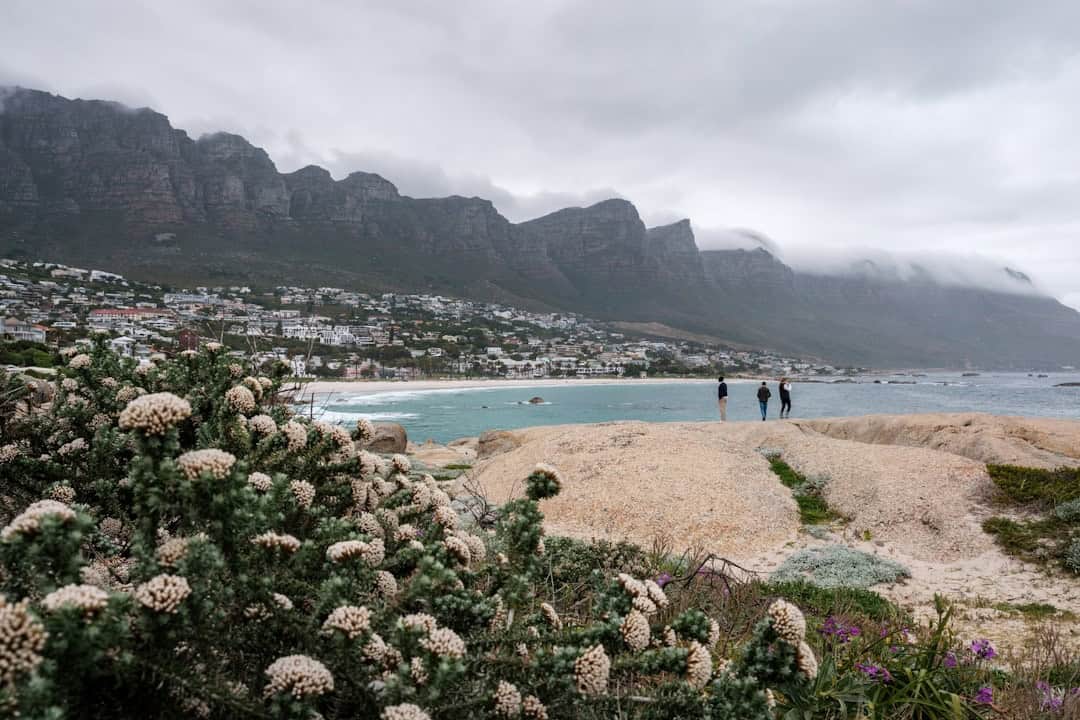
Camps Bay is more about the vibe than the swim. Grab a table at Café Caprice or Mantra Café and watch the Twelve Apostles glow pink at sunset.
In January, it’s chaos. In May, you can actually get a table without booking three days ahead.
6. Muizenberg (For Surfers)
If you want slightly warmer water, head to False Bay. Muizenberg is beginner-surf central.
Board rentals start around R150–R250 per hour. Late spring brings cleaner swells and fewer surf school groups than peak summer.
Wine Farms Worth Your Time (Skip the Tourist Traps)
Stellenbosch and Franschhoek are 45–60 minutes from Cape Town. Rent a car. Uber works one-way but is unreliable for returns.
7. Babylonstoren (For Design Lovers)
Yes, it’s Instagram-famous. But it’s also genuinely beautiful.
The gardens are immaculate even in late autumn, and their wine tasting is around R120–R150. Book ahead on weekends.
Verdict: Worth it for first-timers.
8. Waterford Estate (Best Overall Experience)
Less flashy, more intimate. Their wine-and-chocolate pairing (around R150) is one of the best structured tastings in the region.
In May, you might have the terrace almost to yourself.
9. Stark-Condé (Hidden Gem Energy)
Set on a lake outside Stellenbosch, this one feels secluded and calm.
Tastings start around R75–R100. It’s quieter than Franschhoek’s main strip, which can feel overly curated for tourists.
Skip (Unless You Love Crowds)
Some central Franschhoek estates that cater heavily to large tour buses can feel rushed and impersonal. If you’re after a more authentic, slow experience, go smaller and slightly off-route.
Where to Eat After Hiking or Wine Tasting
Late spring is when Cape Town’s food scene shines — cozy enough for comfort dishes, warm enough for outdoor seating.
- Kloof Street House: Romantic, eclectic interior; mains ~R180–R300.
- La Colombe (Constantia): Fine dining splurge; tasting menu ~R1,895 — book weeks ahead.
- The Pot Luck Club: Small plates with city views; great post-hike reward.
- De Warenmarkt (Stellenbosch): Casual, great for post-wine grazing.
If you’re the kind of traveler who builds trips around food (like planning seasonal eats in Kyoto’s summer festival season), Cape Town will absolutely deliver.
Practical Tips for Visiting Cape Town in May–June
- Pack layers. Mornings are cool (10–13°C), afternoons warm up.
- Check wind forecasts. Use Windguru or Yr.no before beach or hiking plans.
- Rent a car. For Cape Point and wine farms, it saves time and stress.
- Book cableway tickets online. Weather closures happen — flexibility helps.
- Travel insurance is smart. Weather shifts can impact flights and excursions.
Accommodation deals are noticeably better than December–February. Boutique guesthouses in Sea Point that charge $250+ in summer often dip closer to $160–$190 per night in late spring.
Is May or June Better?
May is slightly drier and sunnier overall. Vineyards show autumn colors, and hiking conditions are prime.
June brings more dramatic skies and occasional storm systems — fantastic for photography, but less predictable for beach days.
If your priority is hiking and wine, both are excellent. If beaches matter most, aim for early-to-mid May.
Final Thoughts: Why Late Spring Is Cape Town’s Sweet Spot
Cape Town in May–June feels balanced. You can hike without overheating, enjoy beaches without battling for sand space, and taste wine without conveyor-belt crowds.
It’s not the loudest season. It’s better — calmer, moodier, and more local.
If you’re planning a Southern Hemisphere escape before Europe’s summer rush kicks in, this is your window. Book the flight, pack the windbreaker, and claim the trails before everyone else remembers how good Cape Town is.
If you’re planning a May–June trip, find hotels in Cape Town and book early to lock in the best late-spring rates.
Frequently Asked Questions
Is May a good time to visit Cape Town?
Yes — May offers mild temperatures (17–22°C), fewer tourists, and lower hotel rates compared to peak summer. It’s ideal for hiking and wine tasting with mostly stable weather.
Can you swim in Cape Town in June?
You can, but expect cold Atlantic water (14–16°C). On sunny days it’s manageable for a quick dip, while False Bay beaches like Muizenberg are slightly warmer.
How much does wine tasting cost in Stellenbosch?
Most standard tastings range from R75 to R150 per person. Premium pairings (like wine and chocolate) typically cost around R150–R250.
Is Table Mountain open year-round?
Yes, but the cableway closes during strong winds or poor weather. Always check conditions online before heading up, especially in June when fronts move in quickly.

About the Author: Tomáš Bzirský
Founder and editor of Distratech. Based in the Czech Republic, travelling regularly from Central Europe. Writes practical travel guides and travel-tech comparisons (eSIM, apps, airports) in six languages.