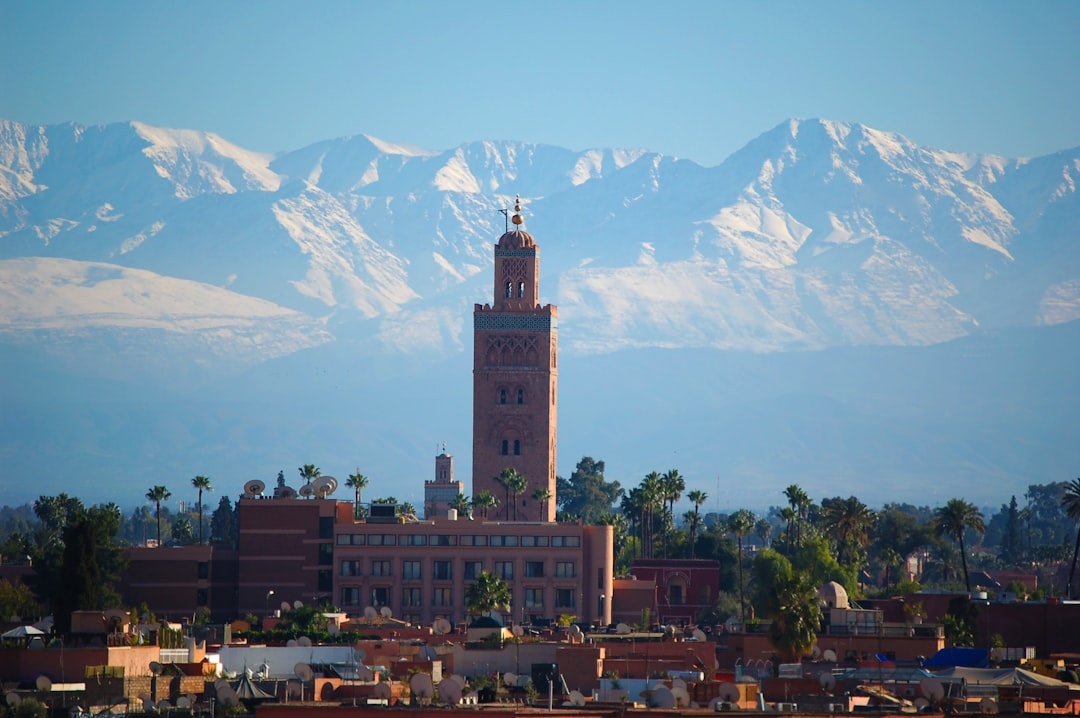
I’ve done this exact 5-day Morocco loop twice — once in peak summer (mistake) and once in late May. Late spring wins, hands down. Warm desert nights, snow still dusting the Atlas peaks, and Marrakech buzzing without the suffocating July heat.
This itinerary blends chaotic medinas, quiet mountain valleys, and a Sahara camp under a sky so clear you’ll forget your phone exists. It’s fast-paced but realistic — with driving times, real prices (2026), and the spots I’d skip if I were you.
Key Takeaways
- Plan for 5 days with ~9–10 hours total driving (private driver ~$120–150/day).
- Sahara camp tours from Marrakech cost $250–$450 per person for 2–3 days.
- Late April–June is ideal: 20–32°C days, cooler desert nights.
- Book riads inside Marrakech’s medina ($80–$180/night for quality stays).
Day 1: Arrive in Marrakech — Dive Straight into the Medina
Fly into Marrakech Menara Airport (RAK). A taxi to the medina should cost 100–150 MAD ($10–15). If someone quotes you 300, smile and walk away.
Stay inside the medina. Yes, it’s chaotic. That’s the point. I love Riad Yasmine (from $160/night) for the design and plunge pool, or Riad BE for something more affordable around $90.
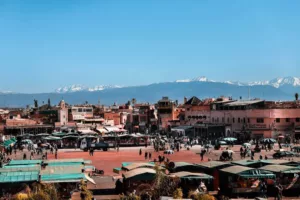
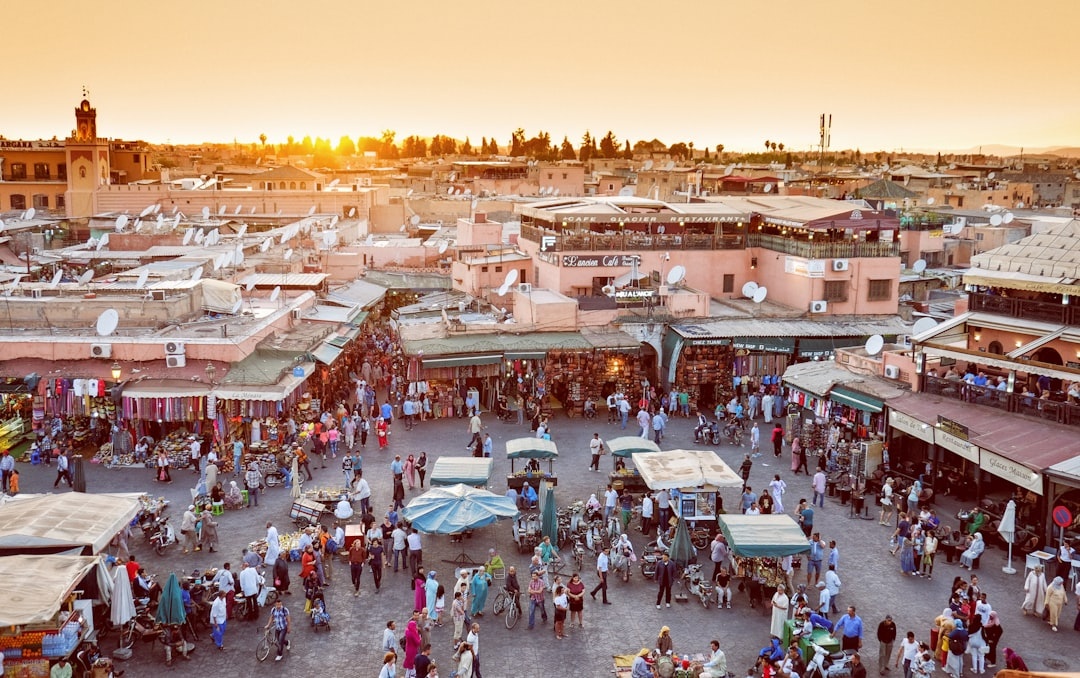
Spend the afternoon getting intentionally lost. Jemaa el-Fnaa is touristy, but it’s still electric at sunset. Skip the snake charmers and head to Café des Épices rooftop for mint tea (25 MAD) and a panoramic view.
Don’t miss:
- Bahia Palace (70 MAD entry, go right at opening)
- Le Jardin Secret for a calm green break
- Shopping in the souks — bargain to 40–50% of first price
For dinner, skip the generic “tourist menu” spots around the square. Go to Nomad or Plus61 for modern Moroccan dishes. Expect 120–200 MAD per person.
Day 2: Atlas Mountains Day Trip — Imlil and Berber Villages
Today you escape the city.
The Atlas Mountains are about 1.5 hours from Marrakech. You can rent a car (~$35–50/day), but honestly, I prefer hiring a driver for the day (~$120 including fuel). Roads are winding, and you’ll want to stare at the scenery.
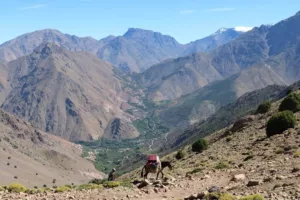
Base yourself in Imlil, a small mountain village at 1,800 meters. In late spring, the air is crisp and wildflowers line the trails. Snow often still caps Mount Toubkal in May.
Do a 2–3 hour guided hike (about 200–300 MAD for a local guide). It’s not Everest — mostly gradual climbs through walnut groves and small Berber settlements.
Lunch at a family-run guesthouse terrace overlooking the valley is usually 80–120 MAD for a full tajine spread. Simple, fresh, perfect.
If you’re into responsible travel, Morocco’s rural communities depend heavily on tourism. The same principles we recommend in our guide to responsible day trips in overtouristed cities apply here — hire local guides, avoid staged “photo experiences,” and buy directly from artisans.
Return to Marrakech for one more night. Go low-key for dinner — Café Clock’s camel burger is surprisingly good.
Day 3: Cross the High Atlas to Aït Benhaddou & Dades Valley
This is a big driving day — about 5–6 hours total — but it’s stunning.
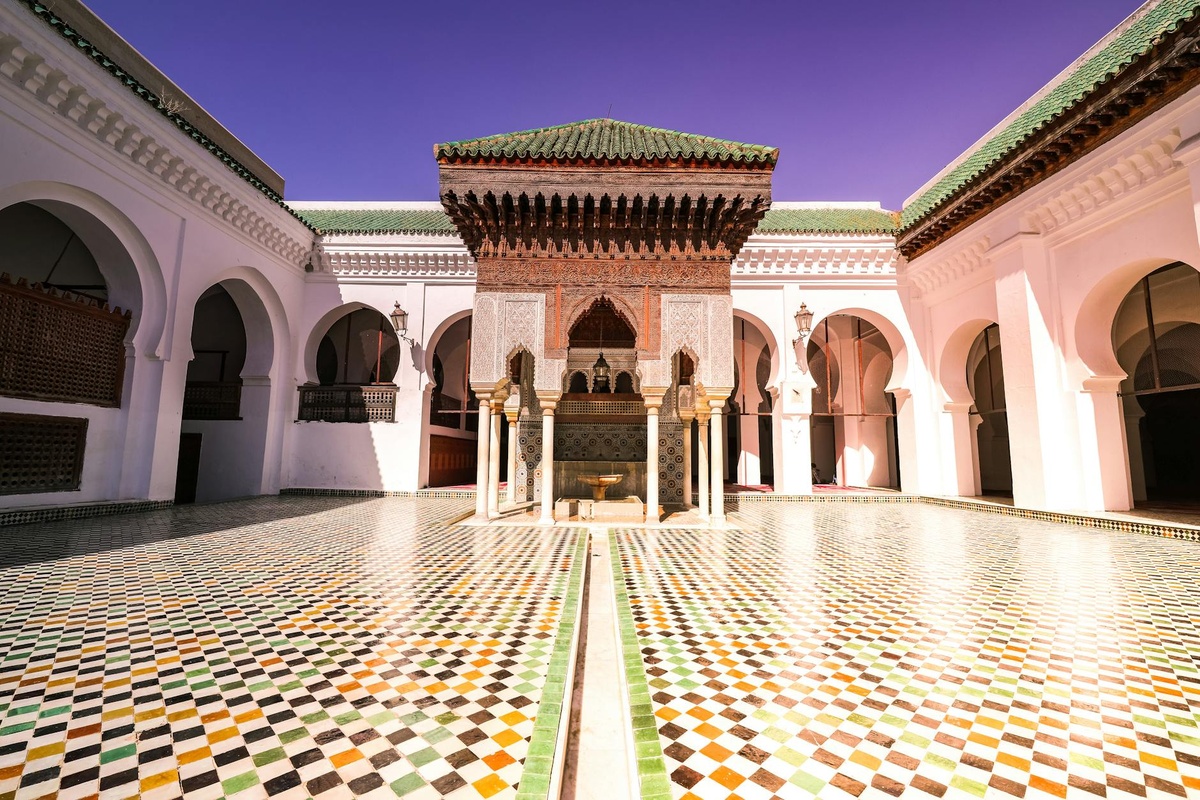
Leave early. You’ll cross the Tizi n’Tichka Pass (2,260 meters). The road twists dramatically; sit on the right side for better views heading out of Marrakech.
Stop at Aït Benhaddou, a UNESCO-listed ksar made of clay buildings stacked like a sandcastle. Yes, it’s touristy. But it’s also cinematic (Gladiator, Game of Thrones). Entry is free, but locals may request 20–30 MAD to “guide” you — optional.
Continue toward Dades Valley. The landscape shifts from red desert to bizarre rock formations nicknamed “monkey fingers.” Stay overnight in a kasbah-style hotel like Dar Blues (around $100 with dinner and breakfast).
After sunset, the silence is unreal. No scooters. No calls to prayer echoing off city walls. Just wind.
Day 4: Sahara Desert — Merzouga and Your Luxury Camp
Another 4–5 hour drive gets you to Merzouga, on the edge of the Erg Chebbi dunes.
You’ll park in a small village and switch to a 4×4 or camel caravan into the desert. Camel rides are iconic but bumpy — about 45 minutes. If you have back issues, request the 4×4 transfer.
A good luxury desert camp costs $80–$200 per person, including dinner and breakfast. That’s private tent, real bed, hot shower, and proper Moroccan feast.
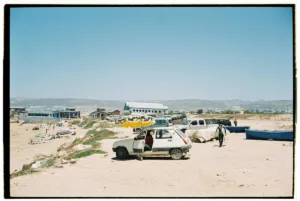
Late spring is perfect here. Daytime highs hover around 30°C (86°F), and nights are cool but comfortable. In July? It can hit 45°C. Don’t do that to yourself.
Climb a dune at sunset. No phone. No music. Just the wind reshaping the sand.
After dinner, there’s usually drumming by the fire. It’s touristy — yes — but also magical under a sky thick with stars.
Day 5: Sunrise in the Sahara and Return to Marrakech
Wake before sunrise. Trust me.
The light shifts from deep blue to gold over the dunes in minutes. It’s one of the few travel moments that lives up to the Instagram hype.
Then comes the long return drive — about 9 hours back to Marrakech. It’s a haul, but with photo stops and coffee breaks, it’s manageable.
If you have flexibility, consider flying out the next morning instead of the same night. Road delays happen.
Budget Breakdown (Per Person, 2026 Estimates)
- Riad stays (3 nights): $300–$450
- Desert camp: $120–$250
- Private driver (3 days split): $300–$450 total (split between 2–3 people)
- Food: $20–$35 per day
- Entrance fees & guides: $30–$50 total
Total estimated budget: $800–$1,300 per person for 5 days, depending on comfort level and group size.
Practical Tech & Travel Tips for 2026
Morocco is easy to navigate if you prep properly.
- eSIM: Install an eSIM (Airalo or Holafly) before landing. Coverage is strong even near Merzouga.
- Offline Maps: Download Google Maps offline for mountain and desert routes.
- Cash is king: Many places don’t take cards. Withdraw at official bank ATMs in Marrakech.
- Power: Type C & E plugs (European style), 220V.
If you’re traveling with a tablet for maps, movies, or editing photos on the road, check our breakdown of the best Android tablets in 2026 — lightweight options make long desert drives much easier.
When Is the Best Time to Do This Morocco Itinerary?
Late April to early June is ideal. Warm but manageable temperatures, greener mountain valleys, and clear desert skies.
September–October is also excellent.
Avoid July–August unless you genuinely love extreme heat. Marrakech becomes furnace-level intense, and Sahara camps can feel punishing.
Is This Itinerary Worth It?
Absolutely — if you’re okay with some long drives.
In five days, you’ll experience Morocco’s sensory overload, serene mountains, and cinematic desert landscapes. It’s diverse, dramatic, and surprisingly accessible.
If you’re planning a longer North Africa trip or comparing it with other shoulder-season destinations, bookmark this and build around it.
And if you do it — don’t rush the dunes. Sit longer than you think you need to.
If you want to book stays along this Marrakech–Atlas–Sahara route, browse hotels in Morocco and lock in your dates early.
Frequently Asked Questions
How much does a 5-day Morocco itinerary cost?
Expect $800–$1,300 per person in 2026, including riads, a Sahara camp, food, and shared private driver costs. Prices drop if traveling in a group of 3–4.
Is 5 days enough for Marrakech and the Sahara?
Yes, but it’s fast-paced. You’ll spend about 9–10 hours driving total, so be prepared for two long travel days.
Is the Sahara desert camp worth it?
For most travelers, absolutely. A luxury camp with dinner and sunrise over the dunes is one of Morocco’s most memorable experiences.
When is the best time to visit Morocco?
Late April to early June and September to October offer the best weather — warm days, cooler nights, and fewer extreme heat waves.

About the Author: Tomáš Bzirský
Founder and editor of Distratech. Based in the Czech Republic, travelling regularly from Central Europe. Writes practical travel guides and travel-tech comparisons (eSIM, apps, airports) in six languages.