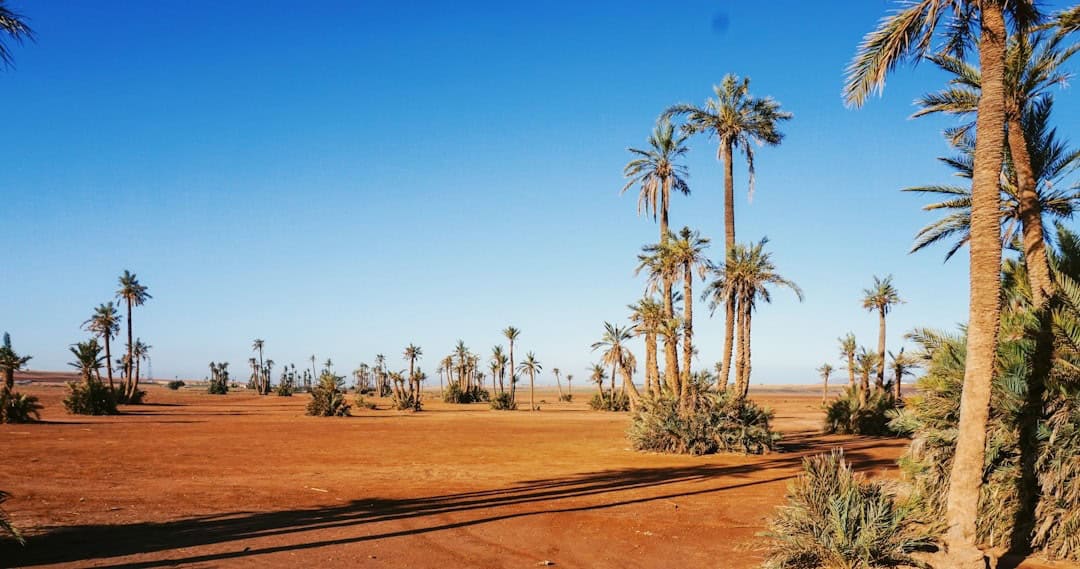
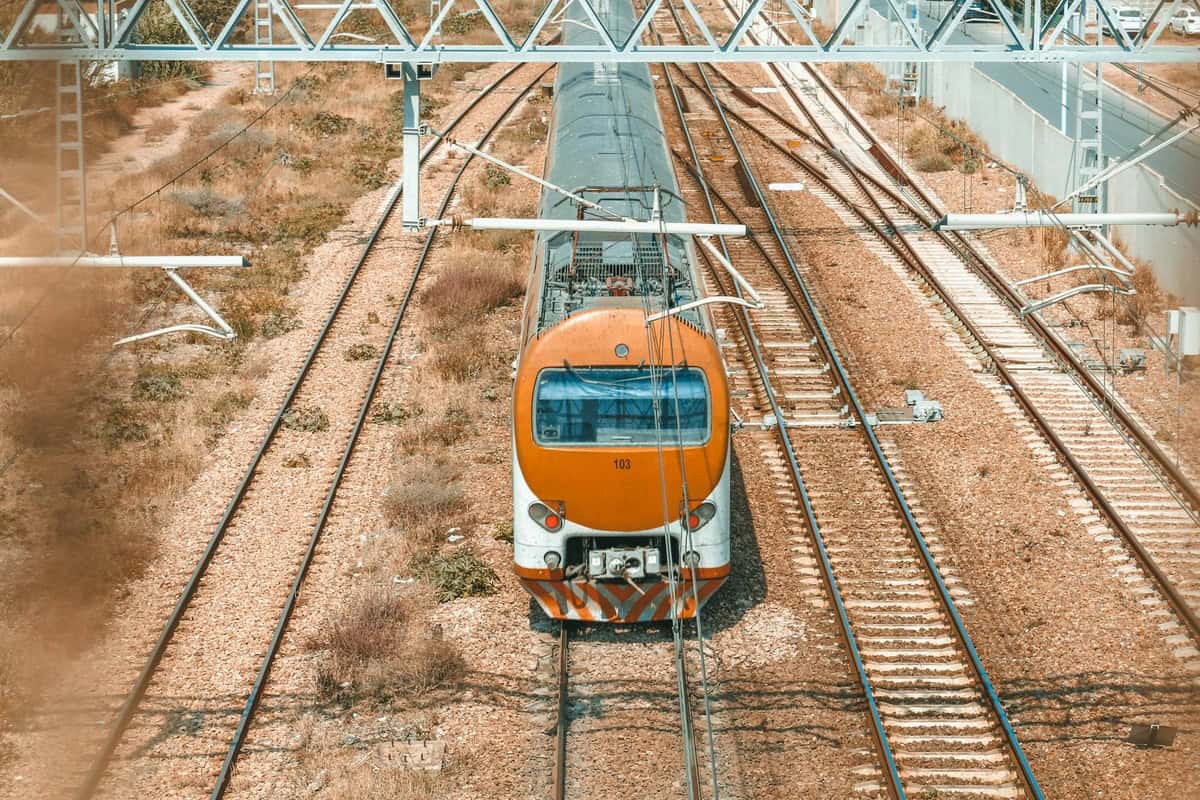
The first time I took the train from Marrakech to Fes, I paid 295 MAD (about $30) for first class, sank into a surprisingly comfortable seat, and watched the desert slowly soften into olive groves and rolling hills. No chaotic bus stations. No white-knuckle mountain driving. Just smooth rails, mint tea, and North Africa unfolding outside the window.
If you’re planning a spring 2026 trip, this is hands-down one of the easiest and most scenic ways to experience Morocco. April and May bring warm days (20–28°C / 68–82°F), green landscapes after winter rains, and manageable crowds before peak summer heat hits.
Key Takeaways
- Marrakech–Fes train takes ~6.5–7 hours and costs 195–295 MAD depending on class.
- Book ONCF train tickets online or 1–2 days in advance during spring weekends.
- Chefchaouen requires a 3.5–4 hour bus from Fes (no direct train).
- 10 days is ideal for Marrakech, Rabat, Fes, Meknes, and Chefchaouen at a relaxed pace.
- Spring (April–May) offers mild weather, green scenery, and fewer tour groups.
Why Travel Morocco by Train?
Morocco’s ONCF rail network is modern, punctual, and shockingly affordable. Trains connect major cities like Marrakech, Casablanca, Rabat, Meknes, and Fes with air-conditioned carriages and assigned seats.
First class is worth the small upgrade. You’ll get quieter compartments and reserved seating — especially useful on the busy Marrakech–Casablanca–Fes route.
Unlike renting a car, you avoid city traffic and parking stress. Unlike flying, you actually see the country.
The Perfect 10-Day Morocco Train Itinerary
Days 1–3: Marrakech
Start in Marrakech. Give yourself three days — two isn’t enough once you factor in hammams, rooftop dinners, and getting pleasantly lost in the medina.
Don’t miss:
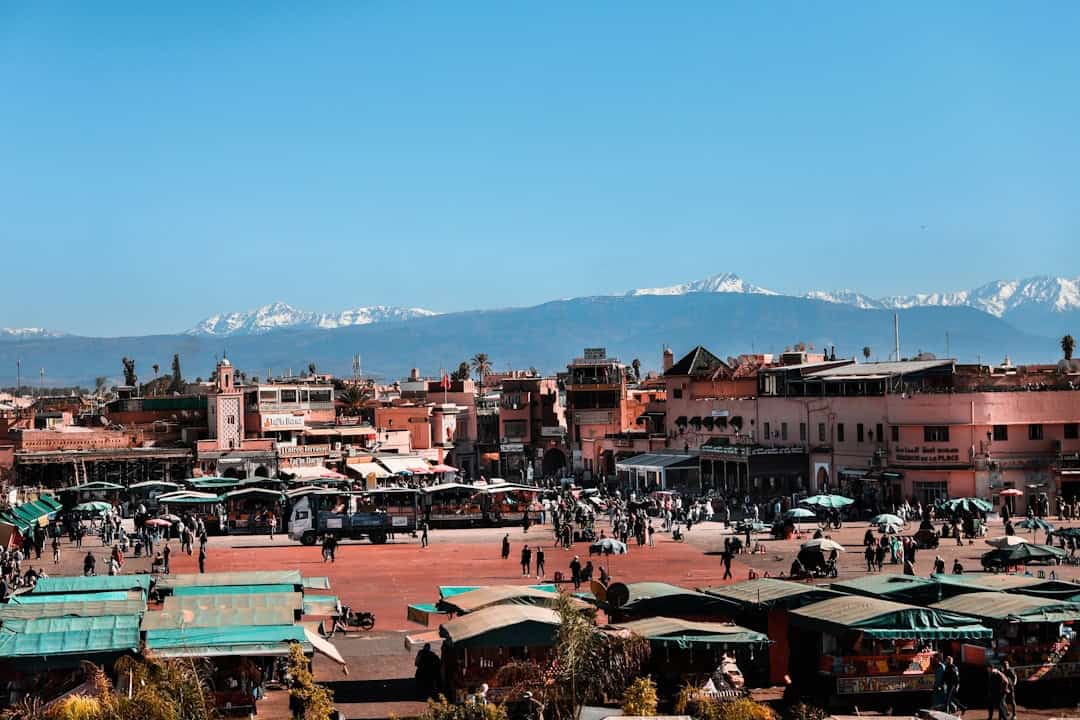
- Sunset in Jemaa el-Fnaa (touristy, yes — but essential)
- Bahia Palace (arrive at opening to avoid tour groups)
- Majorelle Garden (book online in advance)
- A traditional hammam experience (budget 250–400 MAD)
Spring tip: roses and bougainvillea are in bloom now, and daytime heat is manageable. By June, sightseeing midday gets intense.
Where to eat: Skip the aggressive stall vendors in the main square and head to Nomad or Café des Épices for reliable quality. For a splurge, book Le Jardin for a candlelit courtyard dinner.
Day 4: Train to Rabat (via Casablanca)
Take a morning train from Marrakech to Rabat. The full journey takes about 4 hours and costs around 150–200 MAD.
Rabat is Morocco’s underrated capital — clean, coastal, and calm. Spend the afternoon at the Kasbah of the Udayas and walk along the Atlantic cliffs.
One night is enough, but it breaks up the long ride north beautifully.
Days 5–6: Fes
From Rabat, it’s about 2.5 hours by train to Fes (around 90–120 MAD). The scenery becomes greener in spring — fields, grazing sheep, and distant hills.
Fes feels older, deeper, more intense than Marrakech. The medina is a UNESCO-listed labyrinth with 9,000+ alleys. Google Maps will fail you. Embrace it.
Must-do experiences:
- Chouara Tannery (go early for better light and fewer crowds)
- Al Quaraouiyine University (view from nearby rooftops)
- Medersa Bou Inania
- Sunset from a riad terrace overlooking the medina
Be prepared for “guides” offering help. If you don’t want one, smile and say no firmly. If you do, negotiate price upfront (250–400 MAD for a half-day is fair).
Where to stay: Book a riad inside the medina. Waking up to the call to prayer echoing over tiled rooftops is unforgettable.
Day 7: Meknes (Day Trip from Fes)
Meknes is just 40 minutes by train from Fes (around 30 MAD). It’s quieter and less polished — which is exactly why I like it.
Visit Bab Mansour gate, explore the Heri es-Souani granaries, and have lunch in Place el-Hedim. You can pair this with nearby Volubilis Roman ruins if you’re willing to hire a taxi.
Return to Fes for the night.
Days 8–9: Chefchaouen
There’s no train to Chefchaouen. You’ll take a CTM or Supratours bus from Fes — about 3.5 to 4 hours, costing roughly 75–100 MAD.
Chefchaouen in spring is magic. The Rif Mountains are green, wildflowers bloom along hiking trails, and the blue-painted medina glows in soft afternoon light.
Spend your time slowly:
- Wander the blue alleys at sunrise (before Instagram crowds)
- Hike to the Spanish Mosque for sunset views
- Shop for woven blankets and handmade soaps
Two nights is perfect. One feels rushed.
Day 10: Return to Fes (or Continue to Tangier)
From Chefchaouen, return to Fes by bus to catch your onward train — or continue north to Tangier if you’re heading toward Spain.
If you’re combining Morocco with Europe, check out our guide to underrated Greek islands to visit before summer crowds — May is a sweet spot for both countries.
How to Book Trains in Morocco
Use the official ONCF website or buy tickets at the station. Stations are modern and easy to navigate.
Spring weekends (especially around European holidays) sell out faster in first class. Book 1–3 days ahead for peace of mind.
Pro tip: Download your ticket as a PDF screenshot. Connectivity inside stations can be patchy. With AI travel tools evolving fast — and rumors of devices that may replace traditional travel apps — it’s worth keeping an eye on how tech could simplify bookings in the future (we explored that in our piece on the AI phone travelers should watch).
Budget Breakdown (10 Days, Mid-Range)
Here’s what you can realistically expect to spend per person:
- Trains & buses: $60–100 total
- Riads ($50–120 per night): $500–900
- Food: $15–30 per day
- Activities & guides: $100–200
Total: roughly $900–1,400 depending on comfort level.
Morocco delivers huge value compared to much of Europe — especially during spring shoulder season.
When Is the Best Time for This Route?
April and May are ideal. Temperatures are warm but not punishing, landscapes are green, and desert winds are lighter.
By July, Marrakech can exceed 40°C (104°F). By Ramadan (dates vary each year), some restaurants close during the day — not a dealbreaker, but something to note.
Spring 2026 is particularly appealing thanks to steady rail schedules and improving tourism infrastructure post-pandemic rebound.
Final Thoughts: Is Morocco by Train Worth It?
Absolutely.
This 10-day train route gives you imperial cities, mountain villages, Atlantic air, Roman ruins, and sensory overload — all without ever renting a car.
You’ll sip mint tea in tiled courtyards, watch landscapes shift outside your window, and arrive directly in the heart of centuries-old medinas.
If you’re planning a spring escape that blends culture, affordability, and easy logistics, Morocco by train might be your smartest move this year.
Ready to map it out? Start with Marrakech, book that first ticket north, and let the rails do the rest.
If you’re starting in Marrakech and want to book early, find hotels in Marrakech and compare the best options for your 10-day rail route.
Frequently Asked Questions
How much does it cost to travel Morocco by train?
Most intercity tickets cost between 30 and 295 MAD ($3–30) depending on distance and class. A full 10-day route including buses typically totals under $100 in transport.
Is it better to book Moroccan train tickets in advance?
For spring travel, booking 1–3 days ahead is smart, especially for first class on the Marrakech–Fes route. Tickets rarely sell out midweek but weekends can fill up.
Can you take a train to Chefchaouen?
No, Chefchaouen does not have a train station. You’ll need to take a bus from Fes or Tangier, which takes about 3.5–4 hours.
Is Morocco safe for train travel?
Yes, trains in Morocco are generally safe, clean, and reliable. Keep standard travel precautions in busy stations and medinas.

About the Author: Tomáš Bzirský
Founder and editor of Distratech. Based in the Czech Republic, travelling regularly from Central Europe. Writes practical travel guides and travel-tech comparisons (eSIM, apps, airports) in six languages.