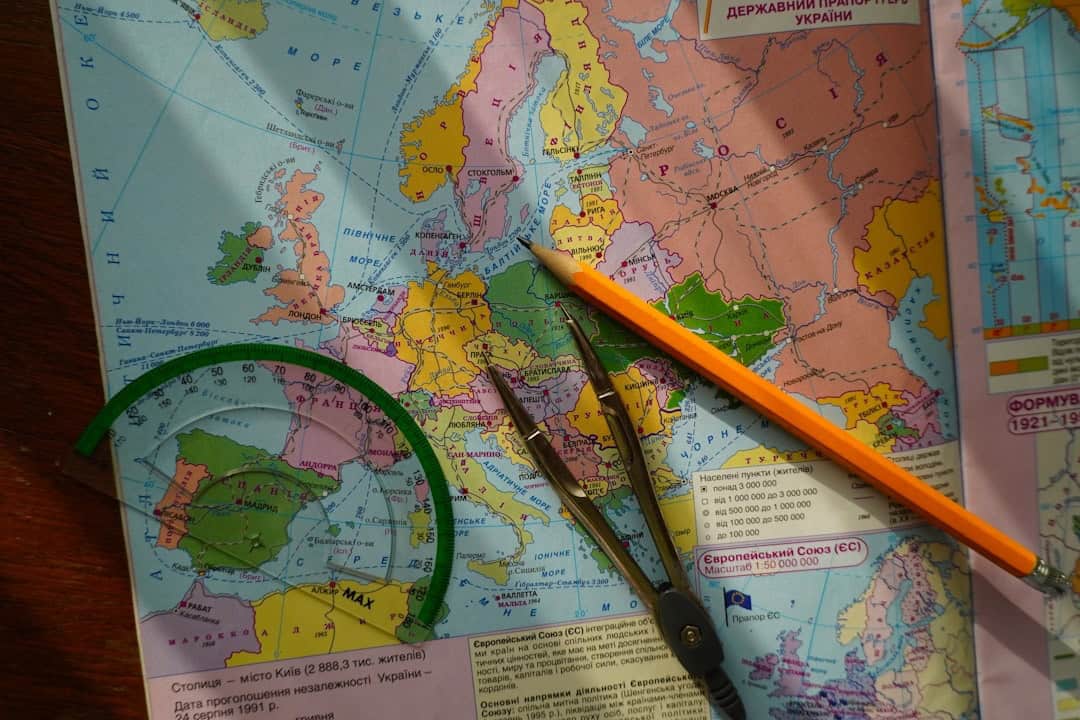
Last month, I planned a 10-day Europe trip—flights to Paris, trains to Switzerland, ferries in Italy—in 47 minutes. Not “research tabs open for three days” planning. Actual, booked-and-mapped planning.
The secret wasn’t luck. It was using AI the right way: structured prompts, smart verification, and a few travel-hacker shortcuts. If you’re eyeing a spring 2026 Europe trip (tulips in bloom, Alps reopening, shoulder-season hotel deals), here’s exactly how to plan it in under an hour.
Key Takeaways
- You can generate a full 10-day Europe itinerary in 15–20 minutes using structured AI prompts.
- Spring (April–June) flights to Europe average $450–$800 roundtrip from the U.S., with hotels 20–30% cheaper than peak summer.
- Use AI to compare trains vs. budget flights—Paris to Milan is ~7 hrs by train vs. 1.5 hrs flying.
- Always verify AI-suggested train times and attraction hours on official websites before booking.
Step 1: Decide Your Travel Style (5 Minutes)
Don’t start with destinations. Start with constraints.
Open ChatGPT (or your AI tool of choice) and prompt it like this:
“Plan a 10-day Europe trip in May 2026 for two adults. Budget: $3,500 each excluding flights. We prefer trains over flights, boutique hotels, scenic views, and great food. Avoid tourist traps.”
The more specific you are, the better the output.
For spring 2026, I recommend:
- Paris + Swiss Alps + Northern Italy
- Lisbon + Seville + Granada
- Amsterdam + Belgium + Paris (tulip season peaks mid-April)
Avoid trying to “do all of Europe.” Three countries max in 10 days. Four is chaos.
Step 2: Generate 3 Optimized Route Options (10 Minutes)
Now ask AI to compare routes logically—not romantically.
“Compare the fastest and most scenic 3-city routes in Western Europe for 10 days in spring. Include travel times and estimated train costs.”
You’ll get something like:
- Paris → Geneva → Milan (high-speed + scenic Alpine rail)
- Amsterdam → Brussels → Paris (short rail hops under 2 hours)
- Barcelona → Nice → Florence (Mediterranean coastal route)
This is where AI shines: calculating friction. For example:
Paris to Geneva: ~3h 15m by TGV, $60–$120.
Geneva to Milan: ~4 hours via the scenic Simplon route, $40–$70.
Suddenly you see what’s realistic—and what’s not.
Step 3: Auto-Build a Day-by-Day Itinerary (10 Minutes)
Now tell AI to structure it properly:
“Create a realistic 10-day itinerary for Paris, Swiss Alps (Interlaken area), and Milan. Include specific neighborhoods to stay in, 2–3 daily highlights, and estimated daily costs.”
You’ll get something rough. That’s okay.
Then refine it:
“Replace overly touristy restaurants with local favorites under €25 per person.”
Or:
“Optimize this itinerary to minimize hotel changes.”
For spring, AI often recommends Keukenhof in the Netherlands or Lake Como in Italy—and it’s right. May is prime hiking season in Switzerland, with snow still on peaks but trails reopening at lower elevations.
Step 4: Use AI to Estimate a Real Budget (10 Minutes)
This is where most people waste hours with spreadsheets.
Instead, prompt:
“Estimate a realistic mid-range daily budget for Paris (3 days), Interlaken (3 days), and Milan (3 days) in May 2026. Include hotels, food, local transport, and attractions.”
You’ll typically see something like:
- Paris: $180–$250 per night hotel, $40–$70 food per day
- Interlaken: $200–$300 per night (Switzerland is pricey), $50–$80 food
- Milan: $150–$220 hotel, $35–$60 food
AI is surprisingly accurate within a 10–15% range.
Then ask:
“How can I reduce this budget by 20% without sacrificing experience?”
It may suggest staying just outside city centers (e.g., Milan’s Porta Romana instead of Duomo) or using regional trains instead of high-speed on short routes.
Step 5: Optimize Transportation (5 Minutes)
This is critical in Europe.
Ask:
“Should I use a Eurail pass for this route or buy point-to-point tickets?”
Often, for a 10-day trip with 3–4 train rides, point-to-point is cheaper. Eurail makes sense only if you’re hopping cities frequently.
For example:
- 3 major train journeys might cost $180 total individually.
- A 7-day Eurail pass can run $300+.
AI can quickly calculate break-even points based on your route.
Step 6: Avoid Tourist Traps with Smart Prompts (5 Minutes)
This is my favorite part.
Instead of asking “What are the best things to do in Paris?” ask:
“What popular attractions in Paris are overrated for a 10-day Europe trip, and what should I do instead?”
You’ll often get answers like:
- Skip going up the Eiffel Tower (long lines, €29) → Visit Montparnasse Tower for better views and shorter waits.
- Avoid overpriced canal cruises in Milan → Take a €2.20 public tram ride through the city instead.
Opinionated prompts = better results.
Step 7: Cross-Check With Real-Time Data (5 Minutes)
AI is fast—but not always current.
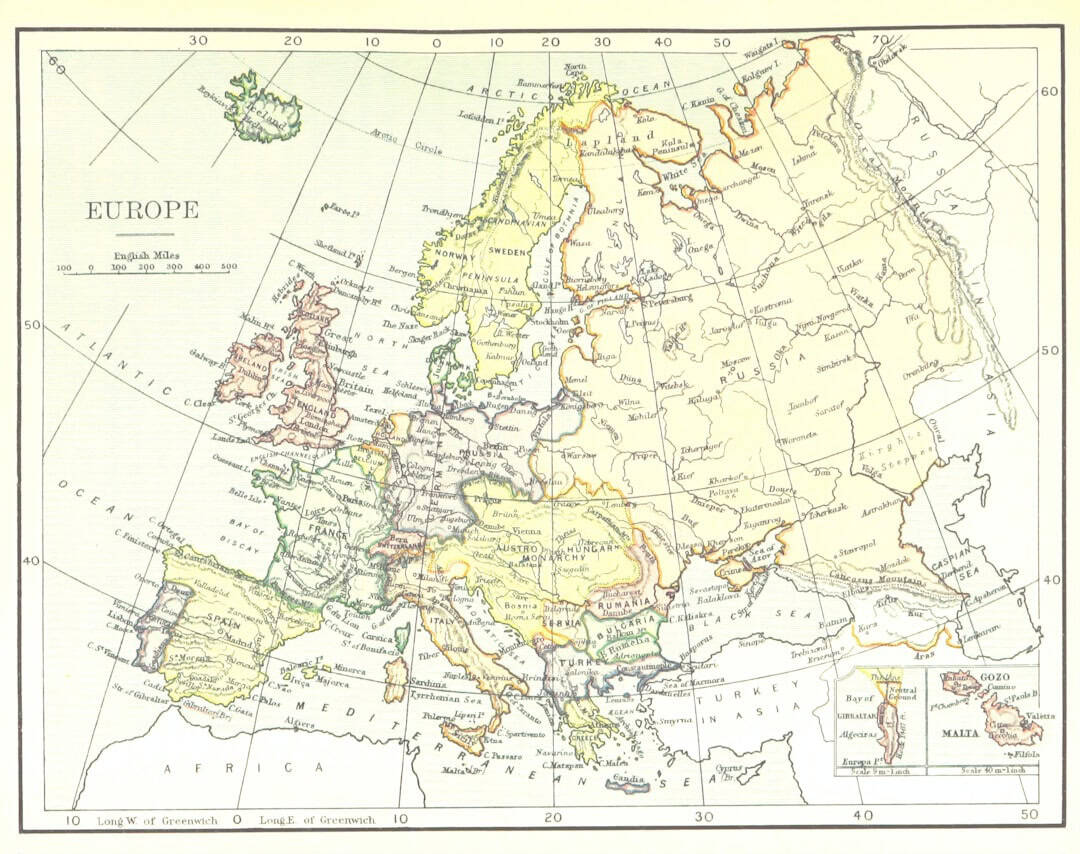
Always verify:
- Train times on official rail websites
- Seasonal closures (Alpine lifts may reopen mid-May)
- Public holiday dates (Ascension Day affects transport in May)
If you’re considering extending beyond Europe, compare logistics with something like this 10-day Morocco train route—North Africa can actually be simpler (and cheaper) to plan than multi-country Europe.
Bonus: Use AI During the Trip
Planning doesn’t stop after booking.
I use AI to:
- Translate menus instantly
- Suggest nearby lunch spots under €20
- Rewrite awkward Airbnb messages into polite local language
- Create walking routes based on “scenic, not crowded”
Just make sure your devices stay charged. If you’re working remotely or relying heavily on maps and AI tools, one of the best laptop power banks we’ve tested can literally save your itinerary when outlets are scarce on trains.
Sample 10-Day Spring Europe Itinerary (AI-Generated & Refined)
Days 1–3: Paris
Stay in Le Marais. Picnic along Canal Saint-Martin. Day trip to Giverny in May for peak gardens.
Days 4–6: Interlaken Region
Base yourself in Lauterbrunnen (more charming than Interlaken). Hike Mürren to Grütschalp. Take a scenic train to Jungfrau if weather is clear.
Days 7–9: Milan + Lake Como
Stay near Porta Romana. Day trip to Varenna (1 hour by train). Skip tourist-heavy Bellagio unless you go early.
Day 10: Departure City
Fly home from Milan or take a short repositioning flight if fares are significantly cheaper elsewhere.
Total mid-range budget (excluding flights): ~$2,800–$3,500 per person.
Common Mistakes AI Can Help You Avoid
- Overpacking cities: Rome + Florence + Venice + Milan in 10 days is exhausting.
- Ignoring travel time: A “2-hour train” often means half a day lost with transfers.
- Booking hotels before mapping routes: Always plan transport first.
- Chasing viral TikTok spots: AI can suggest equally beautiful alternatives without the crowds.
Is Using AI for Travel Planning Actually Better?
Yes—with one condition: you guide it.
AI won’t magically know you hate museums or love sunrise hikes unless you say so. But when you provide constraints, it becomes a brutally efficient travel assistant.
In spring 2026, when Europe is busy but not yet slammed like July, speed matters. The best boutique hotels in Amsterdam or Lake Como for May weekends are already filling up.
Final Thoughts: Plan Smart, Travel Better
You don’t need 40 open tabs. You need 5–6 sharp prompts and 45 focused minutes.
Let AI draft. You refine. Then verify and book.
If you try this method for your spring Europe trip, I’d love to hear where you’re headed—and how long it actually took you to plan.
Frequently Asked Questions
Can AI really plan a full 10-day Europe trip?
Yes—AI can generate a detailed itinerary, budget breakdown, and transport plan in under 20 minutes. You’ll still need to verify schedules and prices, but it eliminates hours of initial research.
How much does a 10-day Europe trip cost in spring 2026?
Mid-range travelers should budget $2,800–$3,500 per person (excluding flights). Flights from the U.S. typically range from $450–$800 roundtrip in April–May.
Is a Eurail pass worth it for 10 days in Europe?
Usually not if you’re visiting only 2–3 cities. Point-to-point tickets are often cheaper unless you’re taking 4+ long-distance train journeys.
What’s the best month for a 10-day Europe trip?
May is ideal: tulips in the Netherlands, mild hiking weather in the Alps, and hotel prices 20–30% lower than peak summer. Crowds are manageable compared to July and August.

About the Author: Tomáš Bzirský
Founder and editor of Distratech. Based in the Czech Republic, travelling regularly from Central Europe. Writes practical travel guides and travel-tech comparisons (eSIM, apps, airports) in six languages.