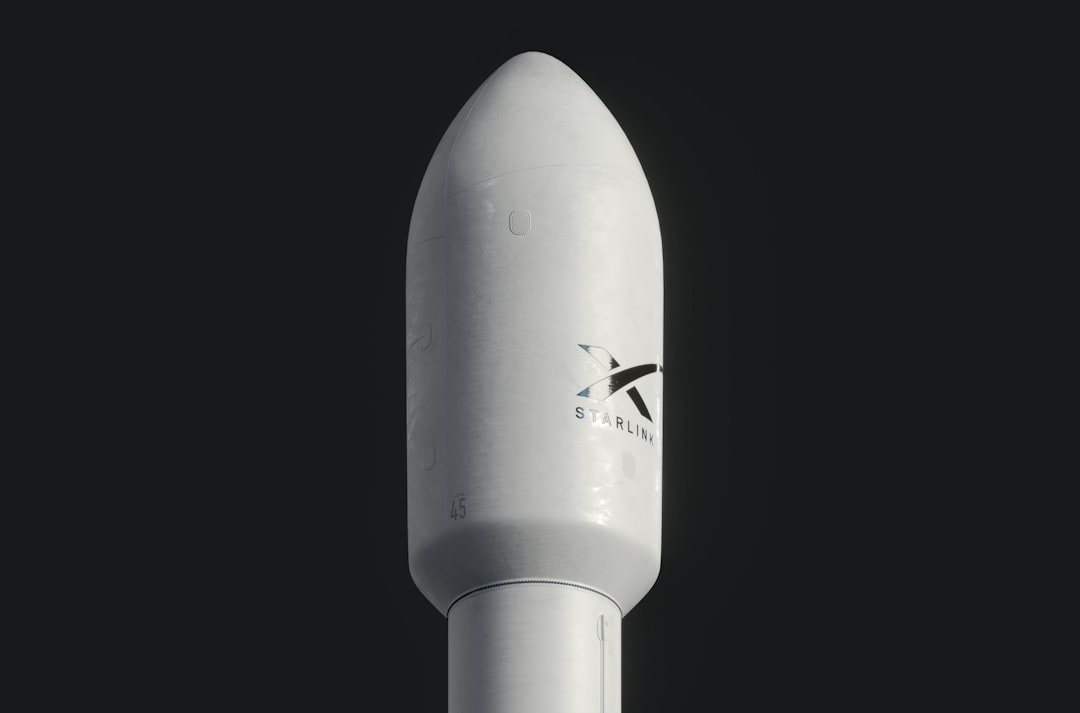
If you rely on Starlink to work from a van in Portugal, livestream from a Philippine island, or stay connected at a remote U.S. campground, your internet bill just went up.
Starlink has increased prices across several of its satellite internet plans in the United States, including its entry-level Residential option and Standby Mode. The cheapest 100Mbps Residential plan has jumped from $50 to $55 per month — and other tiers are seeing similar bumps.
Key Takeaways
- The 100Mbps Starlink Residential plan increased from $50 to $55 per month in the U.S.
- Multiple plans are affected, including Residential tiers and Standby Mode.
- Hardware still requires an upfront purchase costing several hundred dollars.
- For RV travelers and digital nomads, Starlink remains powerful — but less of a budget option.
Five dollars may not sound dramatic. But for long-term travelers, vanlifers, and remote workers planning months on the road, even small increases add up — especially when combined with hardware costs and roaming fees.
What Exactly Changed?
Starlink’s 100Mbps Residential plan — previously available for $50 per month in select U.S. markets — now costs $55 per month. Higher-speed or priority tiers have also seen price adjustments. Even Standby Mode, which allows users to temporarily pause service, is affected.
Starlink pricing has always been somewhat location-dependent, fluctuating based on demand and network capacity. But this marks a broader upward move across plans rather than a small regional tweak.
Hardware pricing remains separate. Most users still need to purchase the satellite dish and router kit, typically costing several hundred dollars upfront unless bundled in a limited-time promotion.
In short: monthly costs are climbing, and Starlink is steadily shifting from “disruptive bargain” to “premium remote connectivity.”
Why This Matters for Travelers in Summer 2026
Late spring and early summer are peak planning season for remote workers and long-term travelers. RV road trips. National park stays. Beach rentals with questionable Wi-Fi. Festival season in Europe and Japan. Reliable internet becomes mission-critical.
If you’re planning to island-hop in Southeast Asia or work from rural coastal towns — like parts of the Philippines’ Palawan and Siargao route — you already know traditional broadband can be unreliable.
Starlink has been the safety net for many travelers who can’t risk dropped Zoom calls or failed uploads.
Now it’s a slightly more expensive one.
Who Feels This Price Hike the Most?
1. Vanlifers and RV Travelers
If you live on the road full time, $5 per month isn’t catastrophic. But over a year, that’s an extra $60 — and potentially more if you’re using a roaming or priority data plan.
For RV users already juggling campground fees, fuel, insurance, and mobile backup plans, Starlink is becoming one more premium line item in an increasingly tech-heavy travel setup.
2. Digital Nomads in Rural Areas
Urban nomads can often rely on fiber, coworking spaces, or strong 5G networks. But in rural Tuscany, the Scottish Highlands, or inside U.S. national parks, connectivity can be patchy at best.
If you’re planning something like our guide to visiting Chianti vineyards without a car and staying in countryside agriturismos, you may encounter Wi-Fi that’s charming — but painfully slow.
Starlink fills that gap. The question is whether the higher monthly cost still fits your remote work budget.
3. Remote Event Workers and Creators
Summer means music festivals, outdoor sports events, pop-up markets, and travel content production.

Creators covering Japanese matsuri season (and the street eats in our festival food guide) often depend on portable connectivity to upload footage and manage social platforms on the go.
In remote venues, satellite internet can be the only reliable pipeline. That reliability now comes at a slightly higher recurring cost.
Is Starlink Still Worth It for Travelers?
Short answer: yes — but it’s no longer a “cheap hack.” It’s a professional-grade tool.
Here’s what you’re paying for with Starlink satellite internet:
- Download speeds often around 100Mbps (or higher, depending on plan and congestion)
- Low enough latency for Zoom calls, VoIP, and cloud-based work
- Coverage in remote areas where cellular networks fail
- Relatively fast setup compared to traditional satellite systems
Compared to overloaded campground Wi-Fi or inconsistent rural 4G, Starlink remains in a different league.
However, if you’re primarily based in cities — especially in destinations featured in our best walking cities in Europe for 2026 — you likely won’t need it. Major metros across Europe, parts of Asia, and North America now offer widespread fiber and strong 5G coverage.
Should You Switch to 5G Instead?
For many travelers in 2026, a high-quality 5G router paired with an unlimited data plan is the more cost-effective option — particularly in North America and much of Europe.
But there are trade-offs:
- National parks and protected areas often have weak or nonexistent cellular coverage.
- Remote beaches and mountain towns may only have one carrier, limiting reliability.
- Congestion during peak tourist season can dramatically reduce speeds.
Satellite internet doesn’t depend on nearby towers. As long as you have a clear view of the sky and sufficient power, you can connect.
That independence is what you’re really paying for — and what makes Starlink attractive to serious remote workers.
What About International Travelers?
The latest price increases are most clearly impacting U.S.-based plans. However, Starlink pricing varies globally and can shift based on demand, exchange rates, and regulatory requirements.
If you’re a U.S.-based traveler planning extended time abroad, review roaming policies and regional plan rules before departure. Some countries require locally registered plans after a certain period. Others may have different pricing tiers or service limitations.
Don’t assume your U.S. rate automatically applies worldwide.
How to Offset the Higher Cost
If Starlink remains central to your travel tech stack, there are ways to reduce the impact of the 2026 price increase:
- Pause service during city stays: If you’re spending a month in Lisbon or Tokyo with reliable fiber, consider suspending satellite service where your plan allows.
- Split costs with travel partners: Couples or small teams can divide the monthly fee.
- Use it as your primary connection: Avoid paying for redundant unlimited cellular plans unless truly necessary.
- Plan uploads strategically: In high-demand areas, schedule large uploads during off-peak hours.
In 2026, connectivity planning is as important as booking flights and accommodations — especially for remote earners.

The Bigger Picture: Is Starlink Becoming a Premium Service?
Starlink launched as a disruptive alternative to expensive rural broadband. As adoption has increased and the network has matured, pricing has gradually adjusted upward.
For travelers, that means satellite internet is evolving from a clever workaround to a serious infrastructure investment.
If your income depends on staying online — client calls, cloud editing, AI workflows, trading platforms, remote development — then $55 per month is relatively minor compared to missed work or lost contracts.
But if you’re a casual camper who mainly scrolls social media and streams occasionally, the value equation is different.
My Take as a Frequent Traveler
I wouldn’t recommend Starlink for short vacations or city-based trips.
I would recommend it for:
- Full-time vanlife
- Extended rural stays (30+ days)
- Content creators working from remote locations
- Remote workers without reliable cellular coverage
The price hike is noticeable but not transformative. It doesn’t fundamentally alter the value proposition for those who genuinely need off-grid connectivity — especially during high-travel seasons like summer 2026.
Just go in knowing you’re paying for independence, coverage, and performance — not bargain pricing.
Bottom Line
Starlink’s latest price increase raises its entry-level Residential plan from $50 to $55 per month in the U.S., with other satellite internet plans also seeing adjustments.
For travelers, the impact depends on your style. Urban nomads may barely notice. Rural adventurers, RV lifers, and digital creators will feel it — but may still find it worth every dollar.
As summer travel ramps up, the real question isn’t whether Starlink is more expensive.
It’s whether being offline in the middle of nowhere would cost you more.
Frequently Asked Questions
How much is Starlink per month in 2026?
The entry-level 100Mbps Residential plan in the U.S. now costs $55 per month, up from $50. Higher-tier and roaming plans cost more, and hardware is sold separately.
Did Starlink raise prices on all plans?
Multiple plans have seen price increases, including Residential tiers and Standby Mode. Exact pricing can vary by location and network demand.
Is Starlink worth it for RV travel?
For full-time RVers or remote workers in areas without reliable cellular coverage, yes. For occasional campers in well-connected regions, a 5G hotspot may be cheaper and sufficient.
Can you pause Starlink service while traveling?
Yes, certain plans allow you to pause or suspend service, though pricing for features like Standby Mode has been adjusted. Always review your specific plan details before relying on seasonal pauses.
Is 5G cheaper than Starlink for travelers?
In many urban and suburban areas, a 5G router with an unlimited data plan can be more affordable. However, in remote regions without strong cellular coverage, Starlink may provide more consistent performance.

About the Author: Tomáš Bzirský
Founder and editor of Distratech. Based in the Czech Republic, travelling regularly from Central Europe. Writes practical travel guides and travel-tech comparisons (eSIM, apps, airports) in six languages.