Last month, I planned a 10-day Europe trip—flights, trains, boutique hotels, restaurant reservations—in 47 minutes. Total cost: $2,180 from New York, including roundtrip flights and mid-range stays in Paris, Florence, and Barcelona.
No spreadsheets. No 25 open tabs. Just smart use of AI.
With summer 2026 around the corner and flight prices already creeping up for June and July (Paris roundtrip from the U.S. is averaging $650–$900 right now), this is exactly when you want to plan fast and book smarter.
Key Takeaways
- You can plan a 3-city, 10-day Europe itinerary in under 60 minutes using AI tools like ChatGPT, Google Flights, and Rome2Rio.
- Expect $1,800–$2,500 total from the U.S. for flights, trains, and mid-range hotels in late spring/early summer 2026.
- Use AI to optimize travel routes (open-jaw flights save $150–$300 on average).
- Always verify AI-suggested train times and museum hours on official sites before booking.
Step 1: Start With the Right AI Prompt (5 Minutes)
The quality of your trip depends on the quality of your prompt.
Don’t write: “Plan me a Europe trip.”
Instead, try:
“Plan a 10-day Europe itinerary for late June. I’m flying from NYC. I want 3 cities, good food, walkable neighborhoods, boutique hotels under $250/night, and easy train connections. Avoid overly touristy areas.”
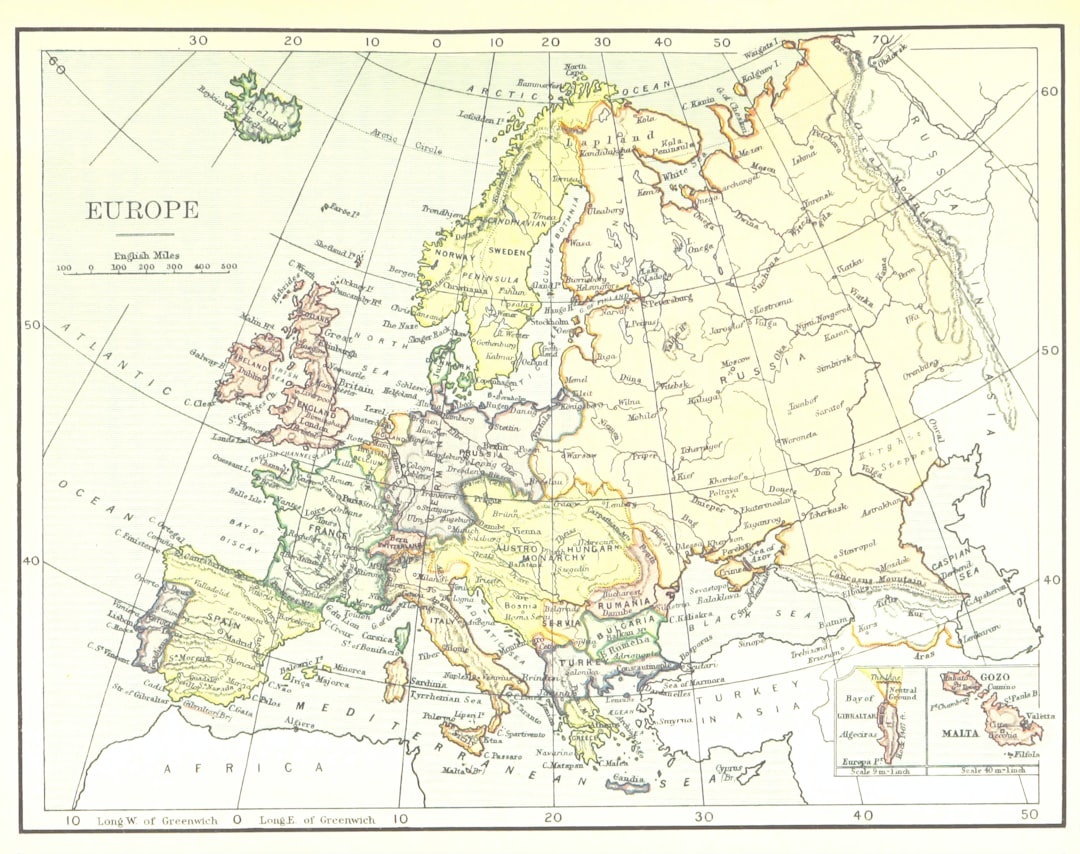
In under a minute, AI will suggest a route like: Paris → Florence → Barcelona. That’s strong because it moves west to south logically and keeps train or short flight connections efficient.
If you’re traveling during peak festival season (like Primavera Sound in Barcelona or Roland-Garros in Paris, happening now in May), tell AI that too. It will adjust hotel pricing and availability expectations.
Step 2: Use AI to Choose the Most Efficient Route (10 Minutes)
This is where most people waste hours.
Ask AI:
- “What’s the cheapest multi-city flight route from NYC for this itinerary?”
- “Should I fly open-jaw?”
- “Is it faster to train or fly between Florence and Barcelona?”
For example, Paris → Florence by train takes about 9 hours with one connection (~$120). Flying is 1.5 hours but closer to 4 hours total door-to-door.
AI will usually recommend:
- Fly NYC → Paris
- Train Paris → Florence
- Fly Barcelona → NYC
Open-jaw tickets often cost the same—or less—than roundtrip. In my case, it saved $220 compared to returning to Paris.
Then confirm prices on Google Flights and train times via official rail sites. AI is brilliant, but it doesn’t book for you (yet).
Step 3: Generate a Smart Day-by-Day Itinerary (15 Minutes)
Now ask for structure:
“Create a balanced 3-day Paris itinerary with food recommendations, hidden gems, and one upscale cocktail bar.”
This is where AI shines.
Instead of defaulting to Eiffel Tower + Louvre overload, you can nudge it: “Focus on Le Marais and Canal Saint-Martin.” Suddenly you’re getting specific bakery names and museum time slots.
For nightlife, I cross-check recommendations with curated lists like Europe’s best cocktail bars according to the Pinnacle Guide (2026). AI might suggest something decent. Pinnacle-level bars are unforgettable.
Repeat for each city. Then ask:
- “Optimize this itinerary to minimize backtracking.”
- “Group attractions by neighborhood.”
This alone can save you 3–5 hours of wandering per city.
Step 4: Let AI Find Better Hotels (10 Minutes)
Here’s the trick most travelers miss: don’t ask for “best hotels.”
Ask:
“Recommend boutique hotels in Florence under $250/night within 10 minutes walking distance of major sites but on quiet streets.”
That constraint forces smarter results.
In Florence, AI might suggest staying near Santa Croce instead of directly by the Duomo (which is loud and overpriced). In Paris, Le Marais beats the Champs-Élysées every time unless you enjoy chain stores and traffic.
Always verify on Booking or Expedia, but AI drastically narrows your shortlist.
Step 5: Build a Restaurant Hit List (10 Minutes)
This is where AI can either be amazing—or basic.
Ask for:
- 3 casual local spots under $25 per person
- 1 special-occasion restaurant under $100 per person
- 1 neighborhood wine bar
Then refine: “Avoid TikTok-famous tourist traps.”
For Tuscany specifically, if you want vineyard visits without renting a car (smart move—parking is brutal), use this Chianti wine travel guide without a car alongside AI suggestions. Combining expert guides with AI gives you the best of both worlds.
Step 6: Use AI for Realistic Budgeting (5 Minutes)
Now ask:
“Estimate total cost for this 10-day trip including flights, trains, hotels, food, attractions, and local transport.”
For late spring/summer 2026, realistic mid-range daily costs:
- Hotel: $180–$250/night
- Food: $50–$80/day
- Attractions & transport: $25–$40/day
Total for 10 days (excluding flights): around $1,200–$1,600.
Add flights: $650–$900 from major U.S. cities.
If AI’s estimate looks too cheap, it probably is. Adjust upward slightly—especially for June and July.

Step 7: Create a Final Master Document (5 Minutes)
This is your last move.
Ask AI:
“Organize everything into a clean, day-by-day itinerary with hotel addresses, train times, and reservation links.”
Copy it into Google Docs or Notion. Done.
You now have a structured 10-day Europe trip planned in under an hour.
Pro Tips: What AI Gets Wrong
AI is powerful—but not perfect.
- Outdated hours: Always double-check museum and restaurant schedules.
- Overpacked days: If it lists 6 major attractions in one day, cut it to 3.
- Transit timing: Verify train routes on official rail websites.
- Peak season pricing: June–August costs spike 20–30%.
Think of AI as your research assistant, not your travel agent.
Is It Better Than a Human Travel Agent?
For simple multi-city Europe trips? Yes.
For complex luxury travel, private drivers, or niche experiences (like combining Wimbledon with a tennis resort stay), you may want deeper expertise—like this guide to Europe’s top tennis hotels and resorts.
But for 90% of travelers planning a summer Europe getaway, AI is faster and shockingly efficient.
Conclusion: Plan Fast, Travel Smarter
Europe in late spring and summer is magic—long daylight hours, outdoor dining, festival energy in every major city.
The difference between a stressful trip and a seamless one isn’t luck. It’s structure.
Use AI to cut research time from 10 hours to 1. Then spend that extra time learning a few phrases in Italian or reserving that rooftop bar in Barcelona.
Planning doesn’t have to be overwhelming. It just has to be strategic.
Now open your laptop. You’ve got 60 minutes.
Frequently Asked Questions
Can I really plan a Europe trip in under an hour using AI?
Yes—if you already know your travel dates and departure city. AI can generate routes, hotels, and daily plans in minutes; you’ll just need extra time to verify and book.
How much does a 10-day Europe trip cost in 2026?
From the U.S., expect $1,800–$2,500 total for mid-range travel, including $650–$900 flights and $1,200–$1,600 for hotels, food, and transport.
What are the best AI tools for travel planning?
ChatGPT for itinerary building, Google Flights for airfare comparison, Rome2Rio for transport routes, and Google Maps for neighborhood logistics.
Is late spring a good time to visit Europe?
Absolutely. May and June offer 60–75°F (15–24°C) weather in most cities, long daylight hours, and slightly lower hotel rates before peak July crowds.

About the Author: Tomáš Bzirský
Founder and editor of Distratech. Based in the Czech Republic, travelling regularly from Central Europe. Writes practical travel guides and travel-tech comparisons (eSIM, apps, airports) in six languages.