
Last April, I paid €29 to ride from Vienna to Budapest in a comfy Railjet seat with Wi-Fi and Alpine views. Two weeks later, I spent €52 on a short 2-hour hop in France because I booked too late. That’s Europe by train in 2026: sometimes ridiculously cheap, sometimes painfully overpriced — and knowing when to use an Interrail pass versus point-to-point tickets makes all the difference.
Spring is one of the best times to figure this out. It’s shoulder season across much of Europe, tulips are blooming in the Netherlands, hiking trails are reopening in the Alps, and train prices are generally lower than peak summer — if you book smart.
Key Takeaways
- An Interrail Global Pass (7 days in 1 month) starts around €286 for adults in 2026.
- Advance point-to-point tickets can cost as little as €9–€29 on major routes.
- High-speed trains in France, Spain, and Italy often require €10–€35 seat reservations with Interrail.
- For 3–4 train trips total, point-to-point is usually cheaper; for 5+ long journeys, Interrail often wins.
- Spring (April–June) offers lower fares and better availability than July–August.
Option 1: Interrail Pass in 2026 — Who It’s Really For
The Interrail Global Pass lets European residents travel across 33 countries. (Non-Europeans use Eurail — same idea, slightly different branding.)
In 2026, prices for adults (2nd class) are roughly:
- 4 days in 1 month: ~€212
- 7 days in 1 month: ~€286
- 10 days in 2 months: ~€335
- 15 days in 2 months: ~€415
On paper, it sounds unlimited and carefree. In reality? It depends heavily on where you’re going.
When Interrail Is Worth It
1. You’re covering long distances.
Think Berlin → Prague → Vienna → Venice → Florence → Rome. Individually, these can cost €40–€90 each if booked late. Stack 5–6 of those, and the pass pays for itself.
2. You want flexibility.
Spring weather can be unpredictable. If it’s raining in Munich, you can pivot to Innsbruck for hiking. No cancellation fees. No stress.
3. You’re visiting expensive rail countries.
Switzerland is notorious. A single Zurich → Interlaken ticket can hit €70+. Do two or three Swiss routes, and Interrail becomes a bargain.
If you’re heading north instead of south this summer, check out our take on cooler European destinations for summer 2026 — Scandinavia by train is practically made for an Interrail pass.
When Interrail Is NOT Worth It
1. You’re mostly in Spain, France, or Italy.
High-speed trains require mandatory seat reservations. These cost €10–€35 per ride. Suddenly your “free” journey isn’t so free.
2. You’re only doing 2–3 train rides.
A €29 Berlin → Prague ticket + €19 Prague → Vienna ticket + €35 Vienna → Budapest ticket = €83 total. Much cheaper than a pass.
3. You’re traveling slowly.
If you’re staying 4–5 nights per city, you may only use 3–4 travel days total.
Option 2: Point-to-Point Tickets — The Budget Hacker’s Favorite
This is my default strategy in 2026.
Europe’s rail market is more competitive than ever. Budget operators like RegioJet, Italo, Ouigo, and FlixTrain keep prices low — if you book early.
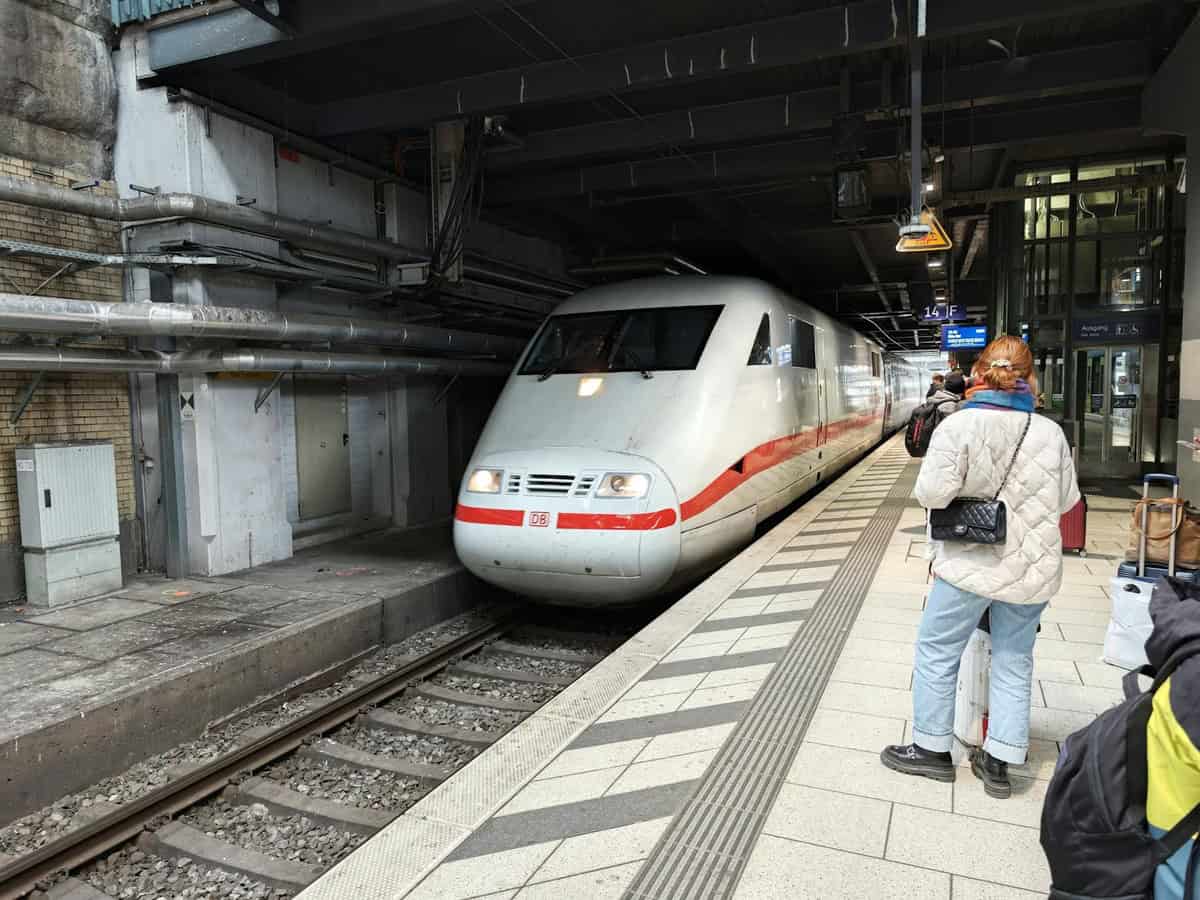
What You’ll Pay (Realistic 2026 Prices)
- Prague → Vienna: €14–€25
- Berlin → Hamburg: €9–€29
- Milan → Florence (Italo): €19–€35
- Paris → Lyon (Ouigo): from €16
- Amsterdam → Brussels: €19–€35
The key phrase is book early. Most operators release tickets 2–4 months in advance. Spring travel booked in February or March is often 50% cheaper than last-minute summer fares.
When Point-to-Point Is the Clear Winner
1. You’re planning ahead.
If your itinerary is locked in, you can snag ultra-cheap tickets.
2. You’re focusing on Central/Eastern Europe.
Poland, Czechia, Hungary, and Austria offer excellent rail at lower base prices.
3. You’re traveling short distances.
Under 3 hours? Almost always cheaper to buy individually.
Spring 2026 Reality Check: What’s Different This Year?
Train demand is rising again across Europe, especially as more travelers avoid budget airlines due to baggage fees and airport chaos.
April and May 2026 are sweet spots. Tulip season in the Netherlands (mid-April peak) pushes Amsterdam routes higher on weekends. Meanwhile, Alpine routes into Switzerland and Austria are filling up thanks to early hiking season.
If you’re dreaming bigger than Europe, we’re also seeing travelers combine rail trips with long-haul nature escapes — like Japan’s snow corridor reopening on the Tateyama Kurobe Alpine Route this spring. Here’s our full guide to hiking the Japanese Alps in spring if that’s on your radar.
Interrail vs. Point-to-Point: Side-by-Side Comparison
Flexibility: Interrail wins.
Upfront Cost: Point-to-point wins.
Best for spontaneous trips: Interrail.
Best for planners: Point-to-point.
Best for 5+ long routes: Interrail.
Best for 2–4 short routes: Point-to-point.
If you’re doing a classic 2-week Europe loop with 5–7 cities, the 7-day Interrail pass is often worth it. If you’re slow-traveling 3 cities in 10 days, buy individual tickets.
My Budget Strategy for 2026 (Hybrid Approach)
You don’t actually have to choose just one.
Here’s the strategy I recommend to friends:
- Map your full route in Google Maps or Rail Planner.
- Price each leg individually on the national rail websites.
- Add up the total.
- Compare that number to the Interrail pass price + estimated seat reservations.
- Choose whichever is cheaper — or mix them.
Example: Buy cheap Central Europe tickets individually, then activate a 4-day Interrail pass just for Switzerland and Italy.

Pro Tips to Save Even More
- Travel midweek (Tuesday–Thursday) for the lowest fares.
- Avoid Sunday afternoons — peak return time.
- Use regional trains in Germany and Austria for no-reservation routes.
- Download the Rail Planner app offline — spot reservation requirements before booking.
- Consider night trains to save on accommodation (Vienna → Rome is a popular one).
And please — skip overpriced third-party booking sites. Use official operators whenever possible.
The Tourist Trap Warning
Don’t buy a rail pass just because influencers romanticize “unlimited Europe.”
If your itinerary is Paris → Amsterdam → Brussels over 7 days, you’re likely overpaying with Interrail. Those routes are short and competitive — individual tickets are often under €35.
On the flip side, if you’re zigzagging across borders every other day, a pass will save your sanity.
So, Which One Should You Choose?
If you love flexibility, hate planning months ahead, and are covering serious distance: go Interrail.
If you’re organized, traveling shorter routes, or sticking to one region: book point-to-point early and pocket the savings.
In spring 2026, with shoulder-season pricing and fewer crowds than summer, both options can be affordable. The real budget killer isn’t the train — it’s poor planning.
Want more smart travel strategies for 2026? Browse our latest Europe guides on Distratech and start mapping your rail adventure.
Frequently Asked Questions
Is Interrail worth it in 2026?
It’s worth it if you’re taking 5 or more long-distance train journeys or traveling through expensive countries like Switzerland. For 2–4 shorter trips, point-to-point tickets are usually cheaper.
How much does it cost to travel Europe by train?
Budget travelers can spend as little as €100–€250 for several advance-booked tickets. An Interrail pass ranges from about €212 to €415 depending on duration, plus seat reservation fees.
Do you need seat reservations with Interrail?
Yes, on many high-speed trains in France, Spain, and Italy. Reservations typically cost €10–€35 per ride and are mandatory on certain routes.
What is the cheapest way to book European train tickets?
Book directly through national rail operators 2–4 months in advance and travel midweek. Avoid third-party resellers that add booking fees.

About the Author: Tomáš Bzirský
Founder and editor of Distratech. Based in the Czech Republic, travelling regularly from Central Europe. Writes practical travel guides and travel-tech comparisons (eSIM, apps, airports) in six languages.