The first time I walked the Tateyama Kurobe Alpine Route in spring, I was standing between snow walls taller than a two-story house — in mid-April. The sky was cobalt blue, the air crisp at 8°C, and I remember thinking: this is Japan’s most surreal shoulder-season experience.
If you’re planning a trip to Japan in spring 2026 and want something beyond cherry blossoms in Kyoto, this is it. The Japanese Alps offer snow corridors, alpine hikes, volcanic landscapes, and fewer crowds than Tokyo — especially if you go early in the season.
Key Takeaways
- The Tateyama Kurobe Alpine Route opens April 15, 2026, and runs through November 30.
- Snow walls at Murodo can reach 15–20 meters high from mid-April to early June.
- End-to-end ticket costs around ¥10,940–¥12,000 ($70–$80) one way.
- Full crossing takes 6–8 hours using 6 different transport modes.
- Late April to late May offers snow scenery with fewer summer tour groups.
What Is the Tateyama Kurobe Alpine Route?
The Tateyama Kurobe Alpine Route is a 90-kilometer mountain traverse through Japan’s Northern Alps, connecting Toyama (west side) and Omachi/Nagano (east side). It’s not a single hike — it’s a combination of cable cars, ropeways, buses, and short alpine trails.
Think of it as a high-altitude scenic corridor that lets you explore a dramatic mountain range without needing technical mountaineering skills.
The highest point is Murodo at 2,450 meters. In spring, it’s still buried under meters of snow — which is exactly why you come.
Why Spring Is the Best Time to Go
Most travelers associate Japan with sakura season. But up here in the Alps, spring means snow walls, frozen lakes, and quiet trails.
From mid-April through May, the famous “Yuki no Otani” snow corridor opens. Workers carve a road through accumulated snow, creating vertical walls that can reach 20 meters in heavy years.
By June, the walls shrink. By July, they’re gone.
Spring is also part of the broader 2026 “coolcation” trend — travelers are actively choosing cooler destinations over overheated southern Europe. If you’re considering alpine alternatives this year, you might also like our guide to the rise of coolcations in 2026.
How to Do the Alpine Route (Step-by-Step)
You can start from either Toyama (west) or Nagano/Omachi (east). I strongly recommend starting from Toyama — the scenery builds dramatically toward the snow walls.
Step 1: Toyama to Tateyama Station
Local train from Toyama to Tateyama: ~1 hour, around ¥1,200.
Step 2: Tateyama Cable Car
A steep 7-minute climb through forest. No views yet — just anticipation.
Step 3: Highland Bus to Murodo
This is where it gets good. As you climb above 2,000 meters, snowbanks start appearing in April and May.
Step 4: Explore Murodo (2–3 hours minimum)
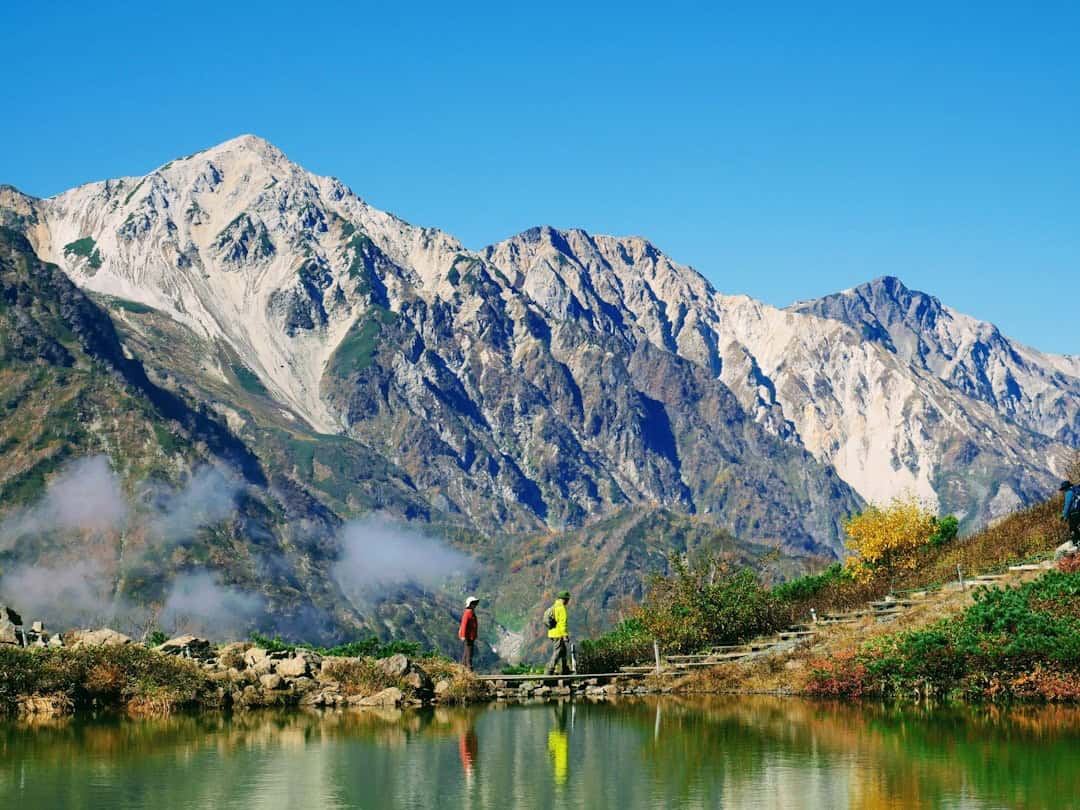
Don’t rush this. Walk the snow corridor, circle Mikurigaike Pond (still frozen in April), and hike toward Jigokudani (“Hell Valley”), where sulfur vents steam through the snow.
In late May, parts of the Daikanbo hiking trails begin opening as snow melts. Check conditions daily — weather changes fast.
Step 5: Tateyama Ropeway
One of the longest unsupported ropeways in Japan. On a clear day, the views over Kurobe Valley are ridiculous.
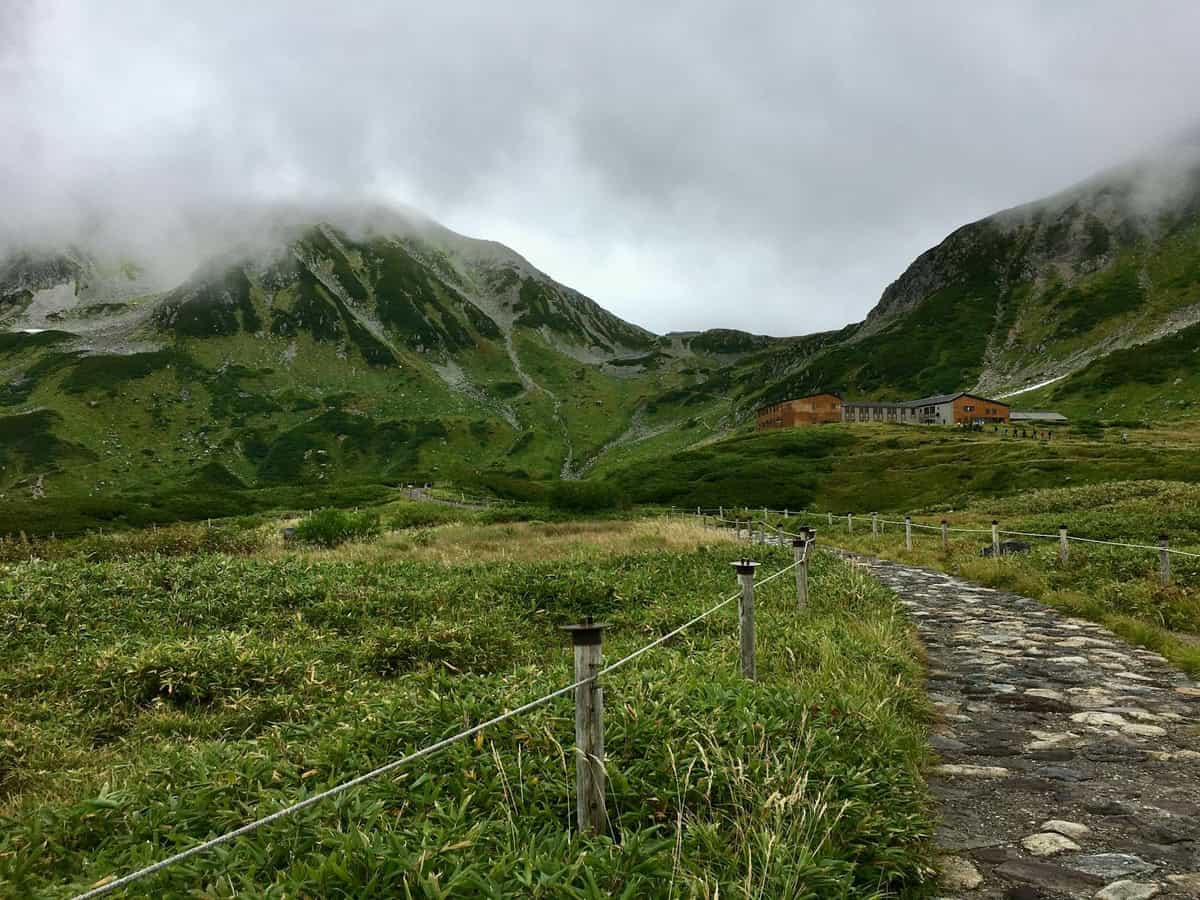
Step 6: Kurobe Dam
Japan’s tallest dam at 186 meters. In late June, water discharge begins — but even in spring, the alpine setting is worth the stop.
From there, you’ll descend via trolley buses and trains to Omachi.
Total time if crossing fully: 6–8 hours without long hikes. Add more if you explore properly.
Best Spring Hikes Around Murodo
You don’t need full mountaineering gear in April or May, but you do need waterproof boots with grip.
My favorite spring routes:
- Snow Wall Walk (30–60 minutes): Flat and easy, ideal for photos.
- Mikurigaike Loop (1 hour): Stunning when partially thawed in late May.
- Raicho-zawa Campground Trail (1–2 hours): Quieter, fewer tour groups.
- Mount Tateyama summit (advanced, conditions dependent): Only with proper gear and experience.
Early mornings (before 10am) are dramatically quieter. By midday, tour buses arrive.
What It Costs (Real Numbers)
This isn’t a budget activity, but it’s worth it.
- Full one-way Alpine Route ticket: ¥10,940–¥12,000 depending on direction
- Round-trip (return same way): ~¥20,000+
- Lunch at Murodo: ¥1,200–¥2,000
- Mountain hotel stay: ¥12,000–¥25,000 per night
If you have the JR Pass, note that it does NOT fully cover the route. Budget accordingly.
Where to Stay (And What to Skip)
Hotel Tateyama is the highest hotel in Japan and right at Murodo. Waking up before day-trippers arrive is magical. It’s expensive, but I think it’s worth one splurge night.
If you prefer more atmosphere and lower prices, stay in Toyama city. It’s underrated, has excellent seafood, and far fewer tourists than Kanazawa.
I’d skip trying to do this as a rushed day trip from Tokyo. It’s technically possible (around 4–5 hours each way), but exhausting.
Tech & Planning Tips for 2026
Spring weather in the Japanese Alps changes hourly. One minute sun, next minute whiteout.
- Check the official Alpine Route website daily for snow wall height updates.
- Download offline Google Maps — signal drops at higher elevations.
- Bring a portable battery; cold temperatures drain phones fast.
- Reserve transport tickets online during Golden Week (late April–early May).
- Use layered clothing: thermal base, fleece, windproof shell.
Golden Week (around April 29–May 5, 2026) is extremely busy. If possible, go just before or after.
When Exactly to Visit in Spring
Mid-April to early May: Maximum snow walls, dramatic scenery, cold (0–10°C).
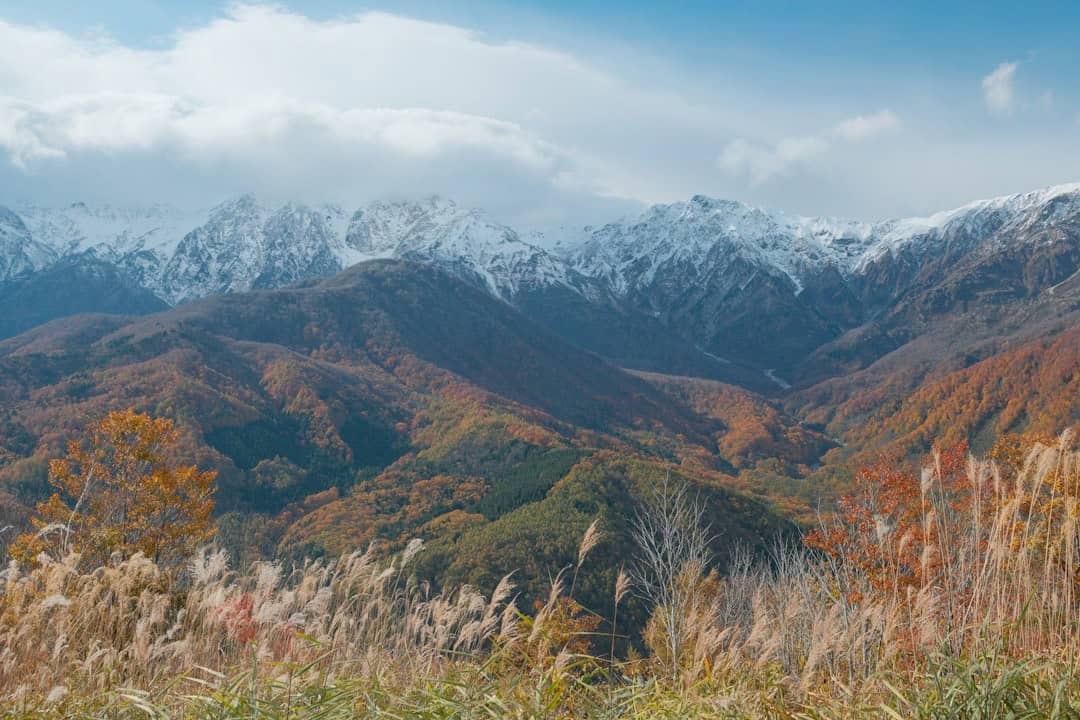
Mid- to late May: Best balance — snow + emerging alpine ponds + fewer domestic holiday crowds.
Early June: Snow receding, hiking improves, but the iconic corridor shrinks.
Personally? Late May wins. You still get the snow corridor, but you can actually hike without postholing through knee-deep drifts.
Is It Worth It?
Absolutely — if you enjoy mountain landscapes and don’t expect a single “big attraction.”
The Tateyama Kurobe Alpine Route is about movement through landscapes: forests to snowfields to dams to deep valleys. It’s immersive rather than monumental.
If your Japan itinerary is heavy on cities — Tokyo, Osaka, Kyoto — this alpine detour adds contrast and breathing space.
And in a year when many travelers are chasing cooler climates and shoulder-season experiences, Japan’s Alps feel like a smart, strategic choice.
Final Thoughts: Add This to Your Japan Spring Itinerary
The Tateyama Kurobe Alpine Route in spring is one of those rare experiences that feels both accessible and wild. You don’t need crampons or climbing ropes — just decent boots, smart timing, and a flexible mindset.
If you’re planning Japan for spring 2026, carve out at least one night near the Alps. Slow down. Stay high. Watch the snow glow pink at sunset.
Trust me — it’ll be the part of Japan you talk about long after the cherry blossoms fade.
For stay ideas near the start of the Tateyama Kurobe Alpine Route, browse hotels in Toyama and book early for the spring season.
Frequently Asked Questions
When does the Tateyama Kurobe Alpine Route open in 2026?
The route opens April 15, 2026, and remains open until November 30, 2026. The famous snow corridor is typically best from mid-April through late May.
How much does the Tateyama Kurobe Alpine Route cost?
A full one-way crossing costs approximately ¥10,940–¥12,000 ($70–$80). Round-trip tickets exceed ¥20,000, and the JR Pass does not fully cover the route.
How long does it take to cross the Alpine Route?
Plan for 6–8 hours to complete the full route using all transport modes. Add extra time (2–3 hours) if you want to hike around Murodo.
Is the Tateyama Kurobe Alpine Route worth visiting in spring?
Yes — spring offers the iconic 15–20 meter snow walls and fewer summer crowds. It’s colder (0–10°C), but visually dramatic and ideal for photographers.

About the Author: Tomáš Bzirský
Founder and editor of Distratech. Based in the Czech Republic, travelling regularly from Central Europe. Writes practical travel guides and travel-tech comparisons (eSIM, apps, airports) in six languages.