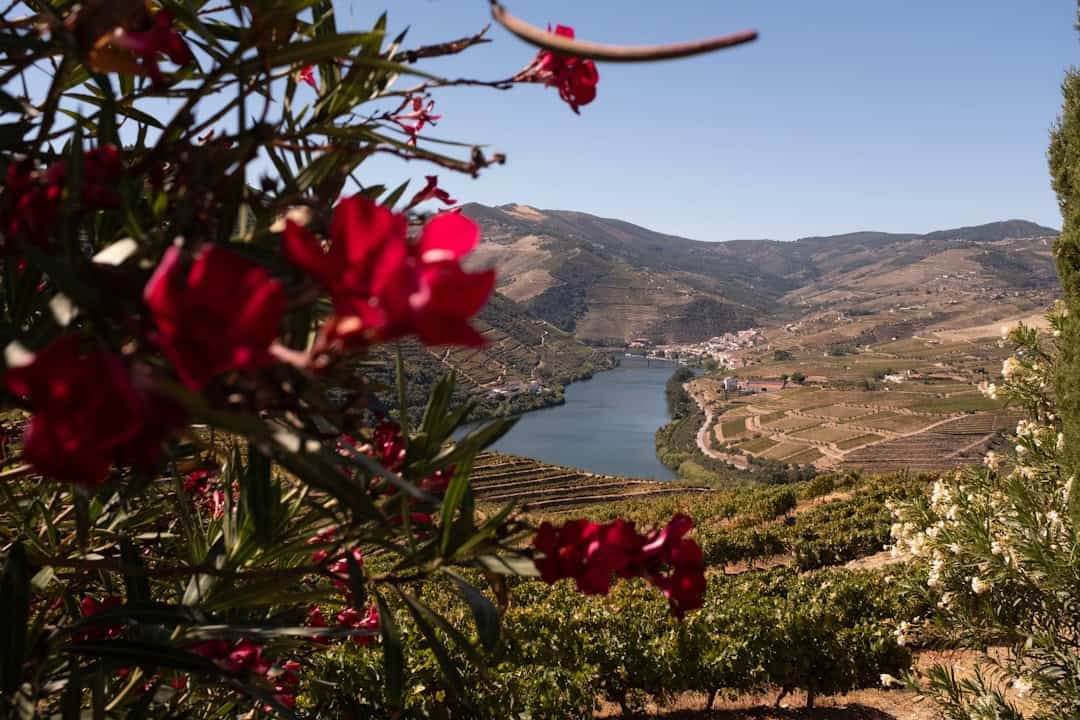
I’ve done the Douro Valley in peak August heat and I’ve done it in April when the hills are neon green and the tourists are still stuck in Lisbon. Spring wins — no contest.
In April and May, daytime temperatures hover around 18–24°C (64–75°F), the vines are just starting to leaf out, and tastings are easier to book without weeks of advance planning. It’s also shoulder season pricing for many boutique hotels and wine estates.
Key Takeaways
- Spring (April–May) offers mild 18–24°C weather and fewer tour buses.
- Wine tastings cost €20–€45 per person; premium pairings run €60–€90.
- The Douro Valley is about 1.5–2 hours by car or train from Porto.
- Book tastings 3–7 days ahead in spring; summer requires 2+ weeks.
- Best base towns: Pinhão for views, Peso da Régua for train access.
If you’re planning a European shoulder-season escape, the Douro pairs perfectly with other smart spring picks — I break down more ideas in this guide to where to travel in May for shoulder season deals.
But let’s get specific. These are the quintas I’d actually recommend to a friend.
1. Quinta do Crasto (Gouvinhas) — For Iconic Infinity Pool Views
If you’ve seen a photo of a wine estate infinity pool overlooking terraced vineyards, it was probably here.
Quinta do Crasto sits about 20 minutes by car from Peso da Régua. Tastings start around €35 per person and usually include 3–4 DOC Douro wines, often with a standout Reserva.
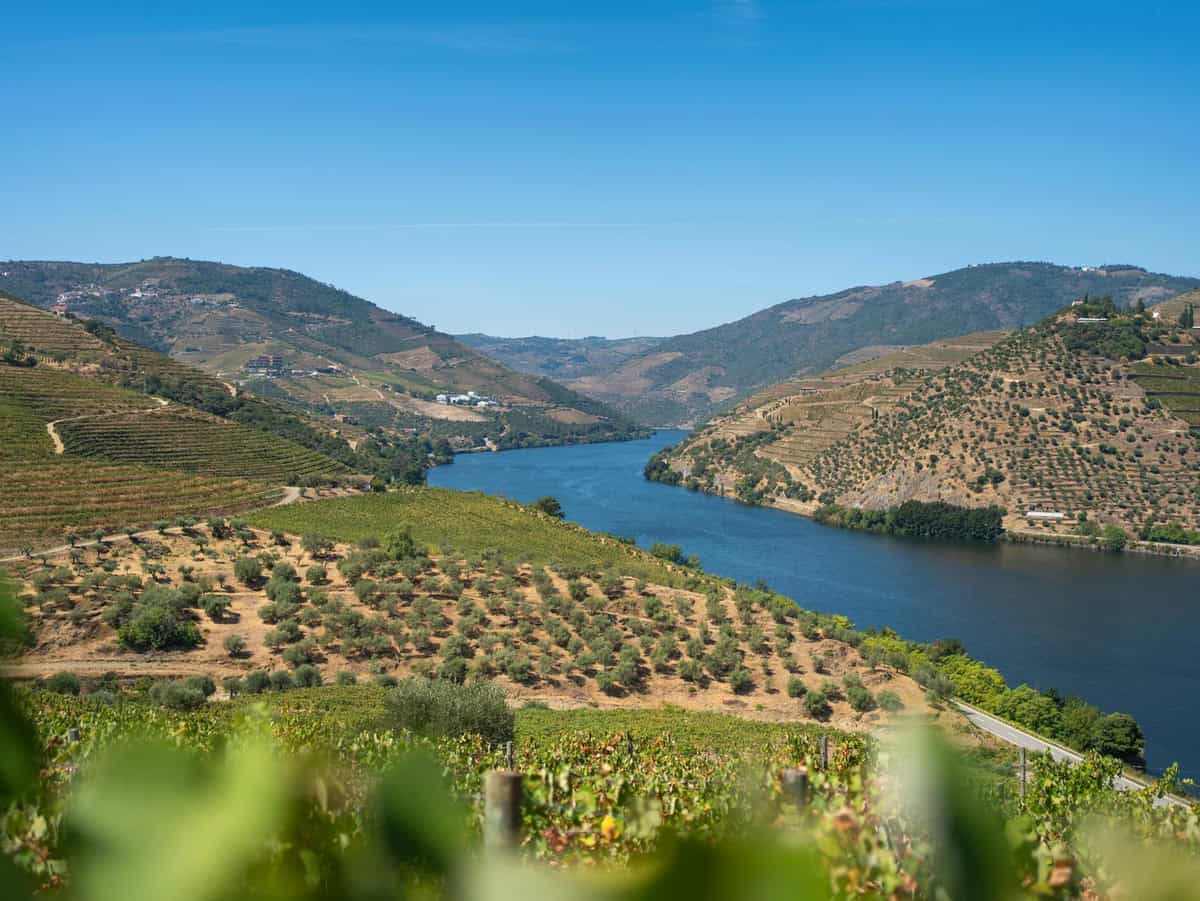
In spring, the hills around Crasto are electric green. The terraces are less dusty than in summer, and the air still carries that fresh river breeze.
Why go: Polished experience, excellent reds, and postcard views.
Skip if: You want rustic and low-key — this feels premium (because it is).
Book at least 4–5 days ahead, even in April.
2. Quinta do Bomfim (Pinhão) — Easy, Central, Reliable
If you’re staying in Pinhão and don’t want to drive winding mountain roads after tasting Port, this is your move.
Quinta do Bomfim is walkable from Pinhão train station (10–15 minutes). Tastings start around €23 and go up to €45 depending on whether you include aged Tawnies or vintage Ports.
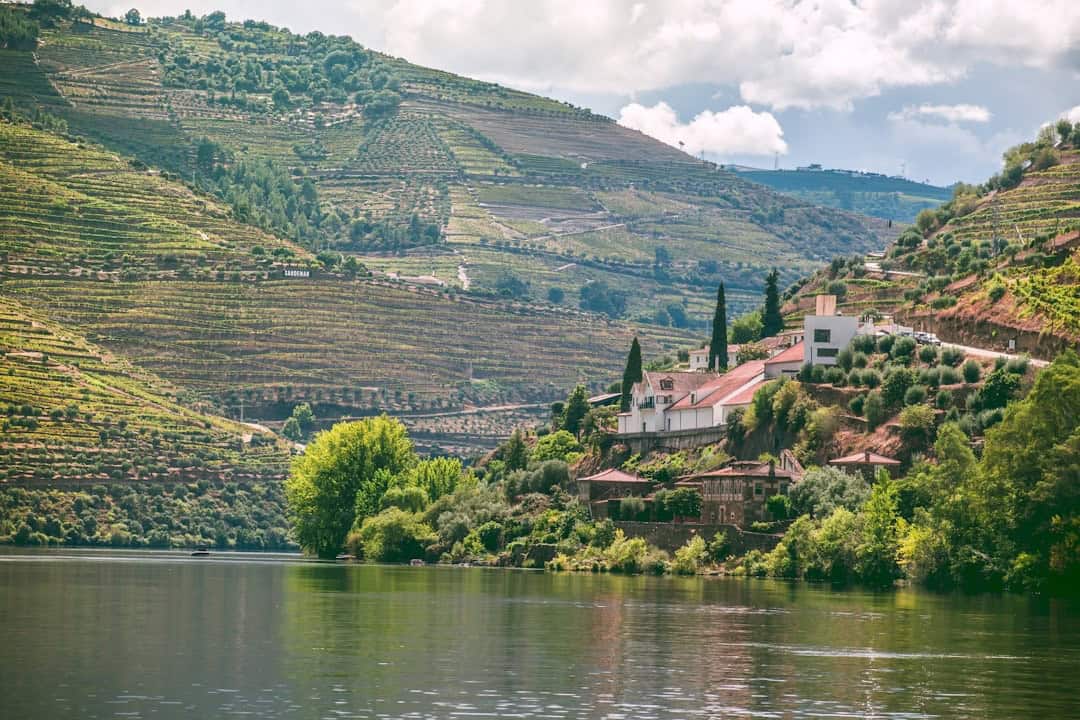
The terrace overlooks the Douro River, and in spring the river runs high and dramatic from winter rains.
Why go: Location, solid Ports, and zero driving stress.
Skip if: You’re hunting for tiny, family-run obscurities.
3. Quinta da Pacheca (Lamego) — Stay Overnight in a Wine Barrel
Yes, you can sleep inside a giant wine barrel. It’s not a gimmick — it’s actually comfortable.
Rooms (or barrels) start around €180–€250 per night in spring, often including breakfast. Tastings are typically €25–€40.
This is a great choice if you want a full wine country weekend: vineyard walks, wine pairings, and a polished on-site restaurant. In April, the surrounding countryside near Lamego is lush and dotted with wildflowers.
Why go: Romantic spring escape, on-site dining, photogenic everything.
Skip if: You’re on a tight budget.
4. Quinta do Vallado (Peso da Régua) — Boutique Hotel Vibes
This one feels modern and understated — clean architecture mixed with 18th-century roots.
Tastings start around €25–€35, and the guided tours are intimate. The hotel itself is one of the best places to stay in the region if you don’t want over-the-top luxury.
In spring, Vallado’s gardens and pool area are especially calm before summer tour groups arrive.
Why go: Balanced DOC Douro wines and stylish accommodation.
Skip if: You’re chasing only historic Port houses.
5. Quinta de la Rosa (Pinhão) — My Personal Favorite
If I had one day in the Douro in spring, this is where I’d go.
It’s a short 5-minute drive (or 20-minute scenic walk) from Pinhão. Tastings range from €20 for a basic flight to €60+ for premium pairings.
The terrace restaurant is the real secret weapon. Book lunch, order grilled octopus or lamb, and pair it with their estate red while staring at the river.
Spring sunlight hits differently here — soft, golden, and not yet punishing.
Why go: Balanced between relaxed and refined.
Skip if: You want ultra-formal, structured tastings.
How to Plan a Spring Wine Tasting Trip (Without Stress)
The Douro Valley is beautiful. It’s also rural and winding.
Here’s how to do it right:
- Base yourself in Pinhão if you don’t want to drive much. It’s tiny but central.
- Limit to 2 tastings per day. Roads are slow and tastings are generous.
- Book ahead — but not obsessively. In April, 3–7 days notice is usually enough.
- Consider the train from Porto. It takes about 2–2.5 hours and follows the river — one of Europe’s prettiest rail routes.
- Designate a driver or hire one. Local half-day drivers cost around €120–€180.
If you’re combining Porto and the Douro, spend at least two nights in the valley. A rushed day trip doesn’t do it justice.
What to Avoid (Tourist Traps & Mistakes)
Overbooking tastings. Three in one afternoon sounds romantic. It’s not.
Assuming all quintas accept walk-ins. Many are appointment-only, even in spring.
Driving after heavy Port tastings. Port is 19–20% alcohol. It adds up fast.
Only drinking Port. The Douro produces outstanding dry reds and whites that deserve attention.
Spring-Specific Tips (April–May 2026)
- Pack a light jacket — evenings can drop below 12°C (54°F).
- Bring good walking shoes; vineyard paths can be muddy from spring showers.
- Check Easter holiday dates — Portuguese long weekends fill boutique stays fast.
- Reserve restaurants in advance, especially in Pinhão where options are limited.
May is particularly sweet: longer daylight, stable weather, and still shoulder-season pricing. By June, tour traffic noticeably increases.
Is Wine Tasting in the Douro Worth It in Spring?
Absolutely — and arguably more than in summer.
The valley feels alive. The terraces are bright green, the river is full, and you’re not battling 35°C heat between vineyards.
Spring also means better conversations with winemakers. Fewer crowds, more time, more stories.
If you’re building a smart 2026 Europe itinerary, the Douro Valley in April or May is one of those places that feels both indulgent and strategic.
Book a couple of tastings, slow down, and let the valley do what it does best — make you stay longer than planned.
Conclusion
Wine tasting in Portugal’s Douro Valley in spring is about balance: great weather, manageable crowds, and world-class wines without peak-season chaos.
Choose two or three standout quintas, base yourself in Pinhão or Régua, and give yourself time to enjoy long lunches overlooking the river.
If you’re mapping out your spring travels now, lock in your tastings early — and let the Douro be the highlight of your 2026 Europe trip.
For stays while you explore the Douro Valley, browse hotels near Porto and book early for the best spring rates.
Frequently Asked Questions
How much does wine tasting in the Douro Valley cost?
Standard tastings cost €20–€45 per person. Premium tastings with aged Ports or food pairings range from €60–€90, depending on the quinta.
When is the best time to visit the Douro Valley?
April and May are ideal for mild weather (18–24°C), green landscapes, and fewer crowds. September is harvest season but significantly busier and hotter.
Can you visit the Douro Valley without a car?
Yes. You can take a scenic 2–2.5 hour train from Porto to Pinhão and walk to a few central quintas, though a car or driver offers more flexibility.
Is one day enough for the Douro Valley?
A day trip is possible, but two nights is ideal. The valley’s winding roads and slow pace are best enjoyed without rushing between tastings.

About the Author: Tomáš Bzirský
Founder and editor of Distratech. Based in the Czech Republic, travelling regularly from Central Europe. Writes practical travel guides and travel-tech comparisons (eSIM, apps, airports) in six languages.