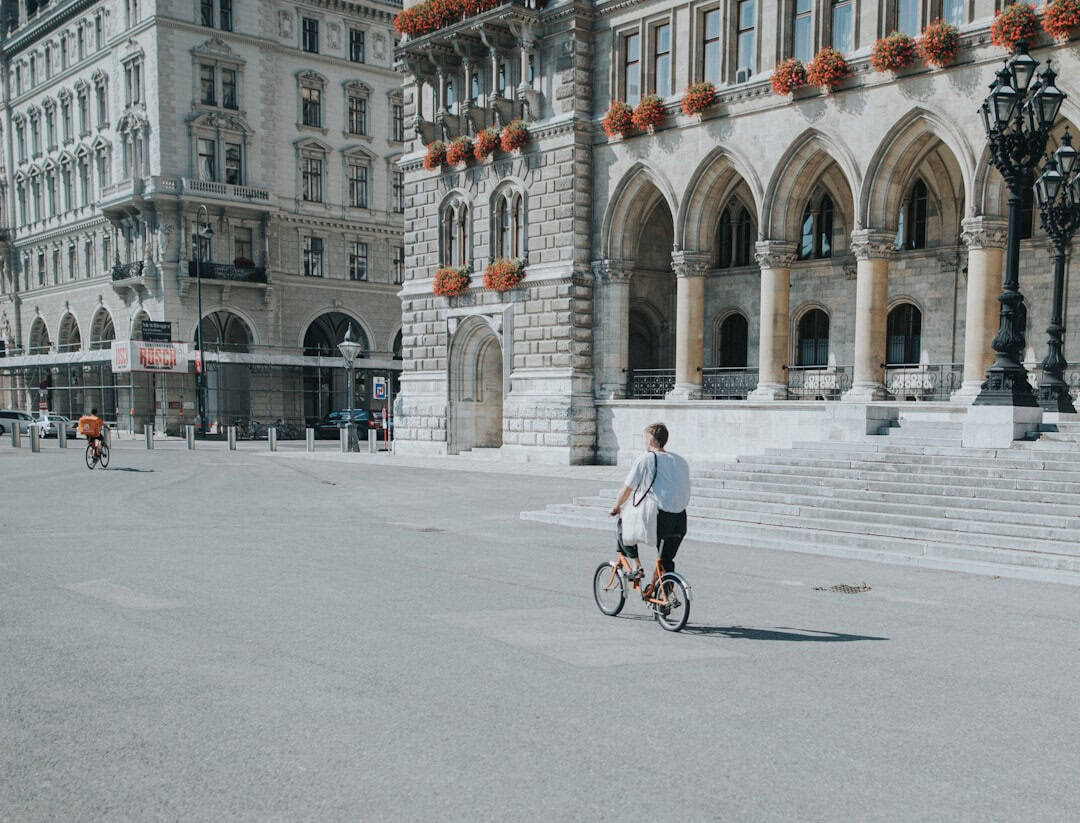
Last May, I cycled 320 km along the Danube with two panniers, a €14-a-night campsite, and a tailwind that felt like a gift from the travel gods. I spent less than €40 a day (including pastries and too much Austrian wine), crossed three borders, and never once worried about traffic.
If you’re thinking about a cycling holiday in Europe in 2026, this is your year. With expanded EuroVelo routes, better e-bike infrastructure, and a long, mild spring forecast across much of the continent, April to June is shaping up to be prime riding season.
Key Takeaways
- Best overall route: Danube Cycle Path (Austria to Hungary), 300–350 km, €30–€60/day.
- Best spring ride (April–May): Netherlands tulip routes, 40–60 km/day, mostly flat.
- Best scenic challenge: Dolomites, Italy, expect 1,000m+ climbs and €80–€120/day.
- Most budget-friendly: Portugal’s Ecovia Litoral, €25–€50/day with wild beaches.
- E-bike rentals in 2026 average €25–€40/day across Western Europe.
1. Danube Cycle Path (Austria → Slovakia → Hungary)
If I had to recommend one route for 2026, this is it. It’s Europe’s most beginner-friendly long-distance ride — smooth paths, clear signage, and bakeries every 10 km.
The classic stretch runs from Passau (Germany) to Budapest (Hungary), about 600 km total. Most riders do the 300–350 km section from Passau to Vienna or Vienna to Budapest over 5–7 days.
Why it’s perfect for spring 2026: April and May bring mild 15–22°C weather and fewer tour buses in Vienna. By June, sunflower fields start blooming in Hungary.
Daily distance: 50–70 km
Budget: €30–€60/day (camping or guesthouses)
Bike rental: €18–€30/day
Skip the overpriced “luggage transfer packages” unless you really want hotel comfort. The terrain is so flat you can easily carry your own gear.
2. The Netherlands Tulip & North Sea Route
April 2026 is tulip season — and if you time it right (mid-April is peak bloom), cycling through Lisse and the Bollenstreek feels unreal. Fields look Photoshopped.
You can design a 3–5 day loop from Amsterdam through Haarlem, Leiden, and The Hague. Distances are short (40–60 km/day), and the country is blissfully flat.
Why it’s special in spring: King’s Day (April 27) turns the whole country into a street party. Just book accommodation early — prices jump 30–40% that weekend.
Budget: €50–€90/day (the Netherlands isn’t cheap)
E-bike rentals: Around €30–€40/day
Honest tip: Keukenhof Gardens is beautiful but crowded and €19.50 entry. The free roadside fields are just as stunning.
3. Portugal’s Ecovia Litoral (Algarve Coast)
Want sunshine without summer crowds? Head to southern Portugal before July.
The Ecovia Litoral stretches roughly 214 km from Vila Real de Santo António (near Spain) to Sagres. It’s not perfectly continuous — expect occasional road sections — but the coastal scenery makes up for it.
Best months: April–early June (20–25°C, low humidity)
Daily distance: 40–70 km
Budget: €25–€50/day if mixing hostels and guesthouses
You’ll pass whitewashed towns, dramatic cliffs near Lagos, and quiet fishing villages. Compared to the Amalfi Coast (beautiful but chaotic for cyclists), this is blissfully relaxed.
Food highlight: grilled sardines for €8–€12 and espresso for under €1.50.
4. The Dolomites, Italy (For Climbers)
If flat riverside paths sound boring, let’s talk mountains.
The Dolomites are legendary among road cyclists. Routes around the Sella Ronda circuit involve 50–60 km days — but with 1,500 meters of climbing.
Best window in 2026: Late May to June, once snow clears from high passes.
Budget: €80–€120/day (mountain lodges aren’t cheap)
Bike rental: €35–€50/day for high-quality road bikes
This is not beginner territory. But if you’re fit, the combination of alpine meadows and dramatic limestone peaks is unforgettable.
Pro move: Plan around “Sellaronda Bike Day” (usually June) when certain roads close to cars.
5. Loire Valley, France (Castles & Wine)
The Loire à Vélo route is 900 km long, but most travelers tackle 200–300 km between Orléans and Tours.
It’s mostly flat, well-signposted, and ideal for riders who want culture with their cardio.
Spring perks: Fewer tour buses at Château de Chambord and mild 17–23°C temperatures.
Daily distance: 40–60 km
Budget: €45–€80/day
Yes, some château entries are pricey (€15–€20). Pick one or two, not five. Spend the savings on local goat cheese and Sancerre instead.
6. Slovenia: Lake Bled to the Soča Valley
Slovenia might be Europe’s most underrated cycling destination.
Start at Lake Bled (yes, it’s popular — go early), then ride toward Kranjska Gora and down into the Soča Valley. Expect emerald rivers and quiet alpine roads.
Distance: 150–250 km depending on route
Budget: €35–€70/day
Best time: May and June before peak summer rafting season
If you’re already planning spring travel in Europe — especially around religious holidays — you might combine this with ideas from Europe’s best Easter 2026 destinations for a longer trip.
Practical Planning Tips for 2026
Cycling in Europe is easier than ever — but a little strategy saves money and stress.
- Book trains early: Bike spaces on Austrian and German trains sell out fast in May and June.
- Consider e-bikes for hills: Especially in Italy and Slovenia — worth the €10–€15/day extra.
- Use offline maps: Komoot and Google Maps offline downloads are essential in rural areas.
- Pack light: Two panniers max. You’ll regret overpacking on climbs.
- Check local holidays: Accommodation prices spike around long weekends and festivals.
If you’re flying long-haul before your cycling trip, you might enjoy our guide to running local AI tools offline on a long flight — surprisingly useful for route planning without Wi-Fi.
How Much Does a Cycling Holiday in Europe Cost in 2026?
Here’s a realistic daily budget breakdown for Western Europe:
Budget style (camping + groceries): €25–€40/day
Mid-range (guesthouses + cafés): €50–€90/day
Comfort (hotels + luggage transfer): €120–€200/day
Compared to renting a car, paying tolls, and booking city-center hotels, cycling is shockingly affordable — especially in shoulder season.
When Is the Best Time for Cycling in Europe in 2026?
April–June: Best overall. Mild weather, blooming landscapes, fewer crowds.
July–August: Great for the Alps and northern Europe, but hot and crowded in southern regions.
September: Ideal for wine regions like the Loire and parts of Italy.
Right now — spring 2026 — tulips are blooming in the Netherlands, alpine passes are starting to open, and southern Europe is warm without being oppressive. It’s a sweet spot.
Final Thoughts: Which Route Should You Choose?
If it’s your first cycling holiday, choose the Danube. If you want postcard-perfect spring scenery, go Netherlands. If you crave sun and seafood, Portugal wins.
And if you want to earn your pasta in the mountains? The Dolomites are waiting.
Europe was built for slow travel. And there’s no better way to experience it in 2026 than at 20 km per hour, with a bakery stop every hour.
Planning your route now? Bookmark this guide, share it with your cycling partner, and start checking train schedules before the best dates disappear.
Frequently Asked Questions
How much does a cycling holiday in Europe cost in 2026?
Most travelers spend €30–€90 per day depending on accommodation style. Camping and cooking keeps costs low, while hotels and luggage transfers push budgets above €120 per day.
When is the best time for a cycling holiday in Europe?
April to June is ideal for most regions thanks to mild weather and fewer crowds. Alpine routes are best from late May onward once snow clears from high passes.
Are European cycling routes suitable for beginners?
Yes — routes like the Danube Cycle Path and the Netherlands coastal network are flat, well-marked, and beginner-friendly. Mountain regions like the Dolomites are better for experienced cyclists.
Is it better to rent a bike or bring your own?
For most travelers, renting locally (€20–€40/day) is easier and avoids airline bike fees of €50–€100 each way. Bring your own only if you’re doing a high-performance road cycling trip.

About the Author: Tomáš Bzirský
Founder and editor of Distratech. Based in the Czech Republic, travelling regularly from Central Europe. Writes practical travel guides and travel-tech comparisons (eSIM, apps, airports) in six languages.