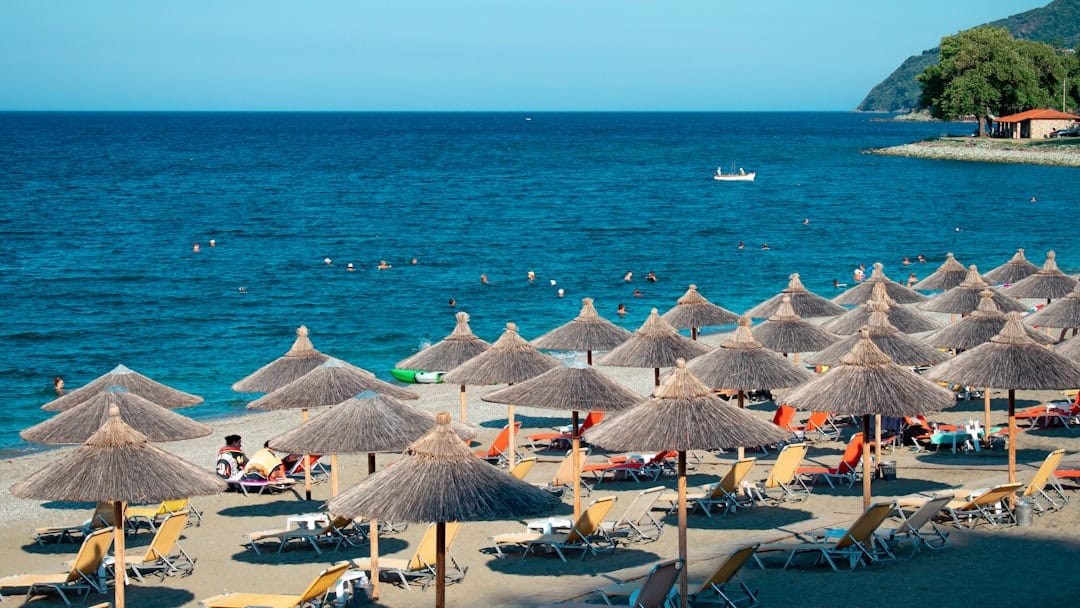
Last June, I paid €35 for two sunbeds and a sad-looking umbrella on a Cyclades beach that used to be completely free. By 11am, the shoreline was a grid of loungers, music was pumping from a beach bar, and there was barely space to lay down a towel.
This year feels different. In spring 2026, Greece has expanded its list of beaches where commercial sunbeds are banned — part of a broader push to protect fragile coastal ecosystems and reclaim public space. And honestly? It might be the best thing to happen to Greek summers in years.
Key Takeaways
- Greece expanded sunbed bans in 2025–2026 to protect dunes, wetlands, and Natura 2000 coastal zones.
- On many popular islands, at least 70% of each beach must now remain free of commercial sunbeds.
- Expect to pay €20–€40 per set on regulated beaches — or €0 on newly protected “no-sunbed” beaches.
- Spring (April–June) is ideal: fewer crowds, mild 20–25°C weather, and easier access to protected beaches.
Why Greece Is Banning Sunbeds on More Beaches
The short version: overtourism hit the sand.
In summer 2023 and 2024, locals protested what they called the “towel movement” — beach bars and private operators covering entire shorelines with rented loungers. In response, the Greek government tightened regulations and designated more “untouched” beaches where no commercial sunbeds are allowed.
Many of these fall within Natura 2000 protected areas — ecologically sensitive zones with sand dunes, turtle nesting sites, or rare coastal vegetation. Think parts of Naxos, Paros, Crete, and the Ionian islands.
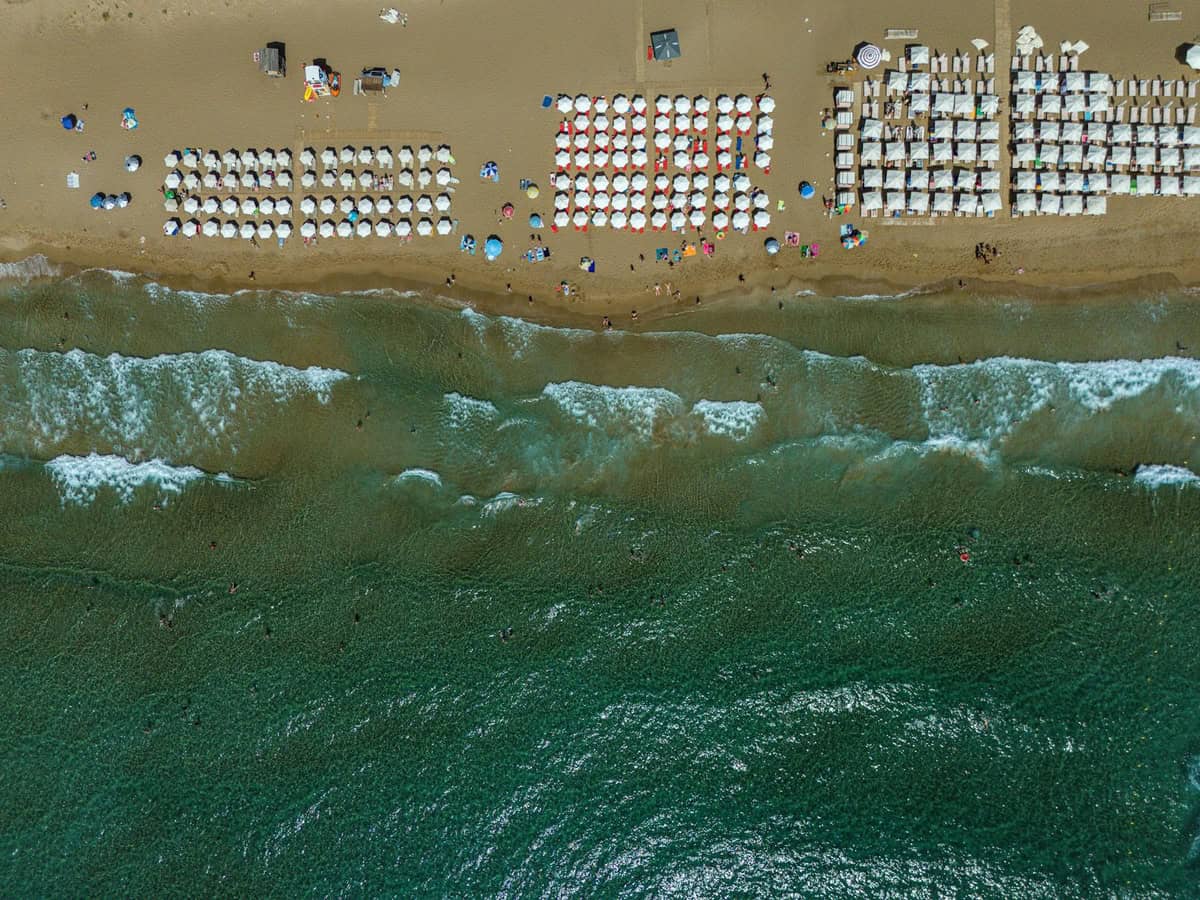
The new rules don’t eliminate sunbeds everywhere. But they limit them heavily. On regulated beaches, at least 70% of the beach must remain free for the public, and operators face hefty fines if they overstep.
In plain English: more towel space, less plastic lounge-chair sprawl.
What This Means for Travelers in 2026
If you’re visiting Greece this spring or planning ahead for summer, here’s how it affects you.
1. You’ll Need to Be More Flexible
Some beaches that used to be fully serviced now have restricted zones or zero infrastructure. No sunbeds. No bar. Sometimes no toilets.
That’s not a downside — unless you expect Mykonos-style service everywhere.
If you’re heading to quieter islands like Amorgos or southern Crete, this shift makes them even more attractive. And if you’re combining beach time with active travel — like cycling routes across the Peloponnese (similar to those featured in our guide to Europe’s best cycling holidays in 2026) — you’ll appreciate the wilder coastline.
2. Sunbed Prices May Rise on Legal Beaches
With fewer licenses and stricter controls, prices are unlikely to drop.
In summer 2025, I saw:
- €20–€25 per set in Crete
- €30–€40 in Paros and Naxos
- €60+ in high-end Mykonos beach clubs
Expect similar or slightly higher pricing for 2026 peak season (July–August). Shoulder season, though — right now through June — is much friendlier.
3. Spring Is Suddenly the Sweet Spot
Late April and May are ideal for exploring Greece’s protected beaches.
Temperatures hover around 20–25°C. The sea is brisk but swimmable, especially in Crete. And without rows of rented loungers, many beaches feel wild and cinematic.
If you’re traveling around Eid al-Adha in 2026, you might also want to compare quieter Greek islands with other long-weekend options in our guide to easy Eid al-Adha getaways for 2026.
Beaches Where You’ll Feel the Difference
While the official list evolves, here are the types of beaches most affected:
Protected Dune Beaches (Western Peloponnese & Crete)
These areas often host sea turtle nesting sites. In places like parts of Elafonissi (Crete) or Voidokilia (Peloponnese), commercial setups are heavily restricted or banned.
You’ll need to bring water, shade, and snacks. But you’ll also get turquoise water without speakers blasting EDM.
Smaller Cycladic Coves
On islands like Naxos and Paros, lesser-known coves are now strictly controlled.
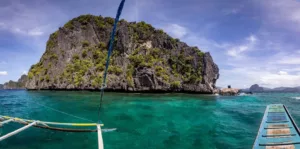
Instead of 200 sunbeds, you might see none — just wind, white cliffs, and a few locals with coolers. These are the beaches I actively seek out.
Ionian Island Nature Zones
Zakynthos and Kefalonia have long struggled with overdevelopment. New enforcement means parts of their most photogenic beaches are staying raw.
It’s a welcome correction.
How to Prepare for a “No-Sunbed” Beach Day
If you haven’t done a fully DIY beach day in a while, here’s how to do it properly.
- Bring real shade. A compact beach umbrella (under 2kg) is worth it — especially in July.
- Pack at least 1.5 liters of water per person. Many protected beaches have zero facilities.
- Download offline maps. Cell service can be patchy; Google Maps offline mode is your friend.
- Wear proper sandals. Some of the best coves require 10–20 minute rocky walks.
- Arrive early. Even without sunbeds, parking fills up by 10:30am in high season.
Pro tip: If you’re working remotely while traveling, tether your laptop through a 5G eSIM rather than relying on beach bar Wi-Fi — which, on protected beaches, may not exist anymore.
Is This Bad for Tourism?
Short term? Some beach bar owners would say yes.
Long term? It’s essential.
Greece welcomed over 30 million visitors in recent peak years. Without regulation, many coastlines were heading toward permanent damage — eroded dunes, polluted waters, overcrowded shores.
What’s happening now feels like a recalibration. A move toward higher-quality, slightly less chaotic tourism.
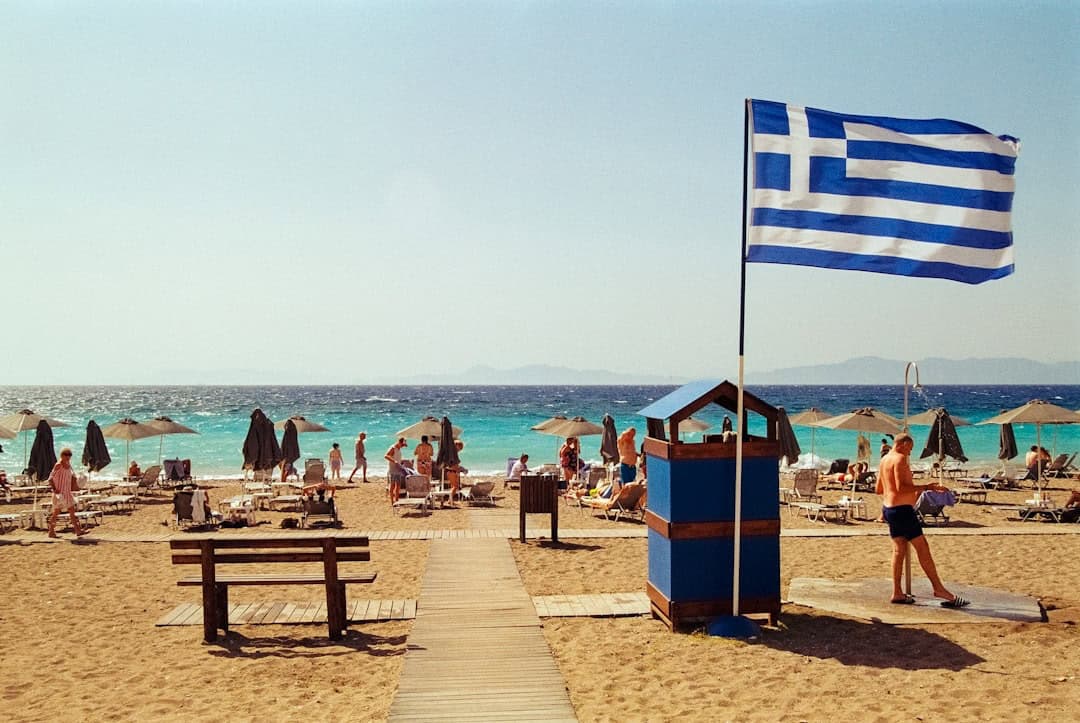
And as a traveler, I’d rather adjust my expectations than watch the Mediterranean turn into a theme park.
Where You Should Go Instead of the Obvious Spots
If you’re worried about losing comfort, here’s my honest advice:
- Skip overhyped beach clubs in Mykonos unless you genuinely want the party scene.
- Choose islands like Naxos, Milos, or southern Crete for a balance of regulated and wild beaches.
- Visit in May, early June, or late September for the best experience.
You’ll spend less (flights from major European hubs are often 20–30% cheaper in May than August), enjoy cooler hiking weather, and see Greece at its most authentic.
The Bigger Picture: A Shift in Mediterranean Travel
Greece isn’t alone.
Across Europe, destinations are limiting cruise ships, capping short-term rentals, and protecting natural areas. It’s part of a wider trend toward sustainable travel in 2026.
For beach lovers, that means fewer rows of identical loungers — and more actual coastline.
Personally, I’m all for it.
Final Thoughts: Should You Still Go?
Absolutely.
Just pack differently, plan smarter, and embrace the fact that not every beach will come with a waiter and a cocktail menu.
The reward? Clearer water, quieter mornings, and a slice of the Greece people fell in love with decades ago.
If you’re planning a spring or early summer escape, this is the year to see these beaches before the next wave of trends hits. And if you’ve experienced the new rules firsthand, I’d love to hear which island did it best.
If you’re planning a summer trip to Greece, consider browsing accommodations here: Find hotels in Greece before prices change.
Frequently Asked Questions
Are sunbeds banned on all beaches in Greece?
No. Many beaches still offer rentals, but regulations now require at least 70% of the beach to remain free, and some protected beaches ban commercial sunbeds entirely.
How much do sunbeds cost in Greece in 2026?
Expect €20–€40 per set on most islands, with prices exceeding €60 at luxury beach clubs in places like Mykonos during peak season.
When is the best time to visit Greece’s protected beaches?
Late April to early June is ideal, with 20–25°C temperatures, fewer crowds, and easier parking compared to July and August.
Do no-sunbed beaches have facilities?
Often no. Many protected beaches have no bars, toilets, or shade, so you’ll need to bring water, snacks, and an umbrella.

About the Author: Tomáš Bzirský
Founder and editor of Distratech. Based in the Czech Republic, travelling regularly from Central Europe. Writes practical travel guides and travel-tech comparisons (eSIM, apps, airports) in six languages.