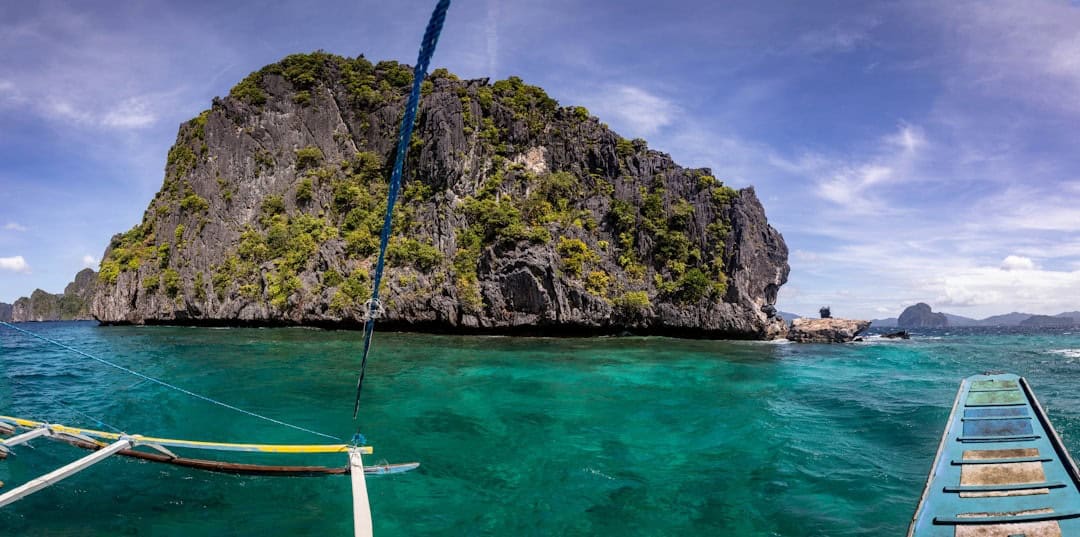
The first time I island-hopped in the Philippines, I tracked every peso. My daily average? $47.36 — including accommodation, boat tours, food, and transport.
With over 7,600 islands, the Philippines sounds expensive and logistically chaotic. It doesn’t have to be. If you pick the right region, travel slow, and avoid the luxury traps, $50 a day is absolutely realistic — even in peak dry season (which runs through May).
Key Takeaways
- $45–$50/day is realistic in Palawan or Cebu with dorms/private fan rooms and local food.
- Island hopping tours cost $20–$35 including lunch and snorkeling gear.
- April–May is dry season: best sea conditions but book 2–3 days ahead.
- Ferries between islands typically cost $6–$15 and take 1–4 hours.
Step 1: Choose the Right Island-Hopping Base (Not All Are Equal)
If you’re on a tight budget, don’t try to “see everything.” Inter-island flights will destroy your $50/day plan.
Instead, pick one region and explore deeply. These are the best budget-friendly bases:
1. Palawan (El Nido + Coron)
Postcard limestone cliffs. Electric-blue lagoons. Proper island-hopping infrastructure.
El Nido is more backpacker-friendly. Coron is better for wreck diving. Both offer full-day boat tours for $25–$35.
Downside: El Nido town has gotten more expensive since 2024. Avoid beachfront hotels and stay 5–10 minutes inland.
2. Cebu (Moalboal + Bantayan Island)
Less dramatic than Palawan, but cheaper and easier to navigate.
Moalboal is famous for the sardine run (free if you swim from shore). Bantayan feels like Boracay 15 years ago — white sand without resort prices.
Verdict: If it’s your first trip, start with Palawan. If you want lower daily costs, choose Cebu.
Step 2: What $50 a Day Actually Covers
Let’s break this down realistically (April 2026 prices).
Accommodation ($10–$20)
- Dorm bed: $8–$12
- Private fan room: $15–$20
- Aircon room (budget): $22–$30 (split with a friend)
Fan rooms are fine in April near the coast. Just make sure there’s a mosquito net.
Food ($10–$15)
Local carinderia meals cost $2–$4. Grilled chicken, rice, veggies — filling and cheap.
Fresh mango shakes? $1–$2.
Avoid Western cafés charging $12 for smoothie bowls. Save those for cities.
Island Hopping Tours ($20–$35)
Full-day tours typically include:
- Boat and crew
- Life vest
- Snorkeling stops
- Simple grilled lunch
Pro tip: Visit 3–4 agencies in town and negotiate in person. Booking online usually adds $5–$10.
Transport ($5–$10 average)
Tricycles: $0.50–$2 per ride.
Ferries between nearby islands: $6–$15.
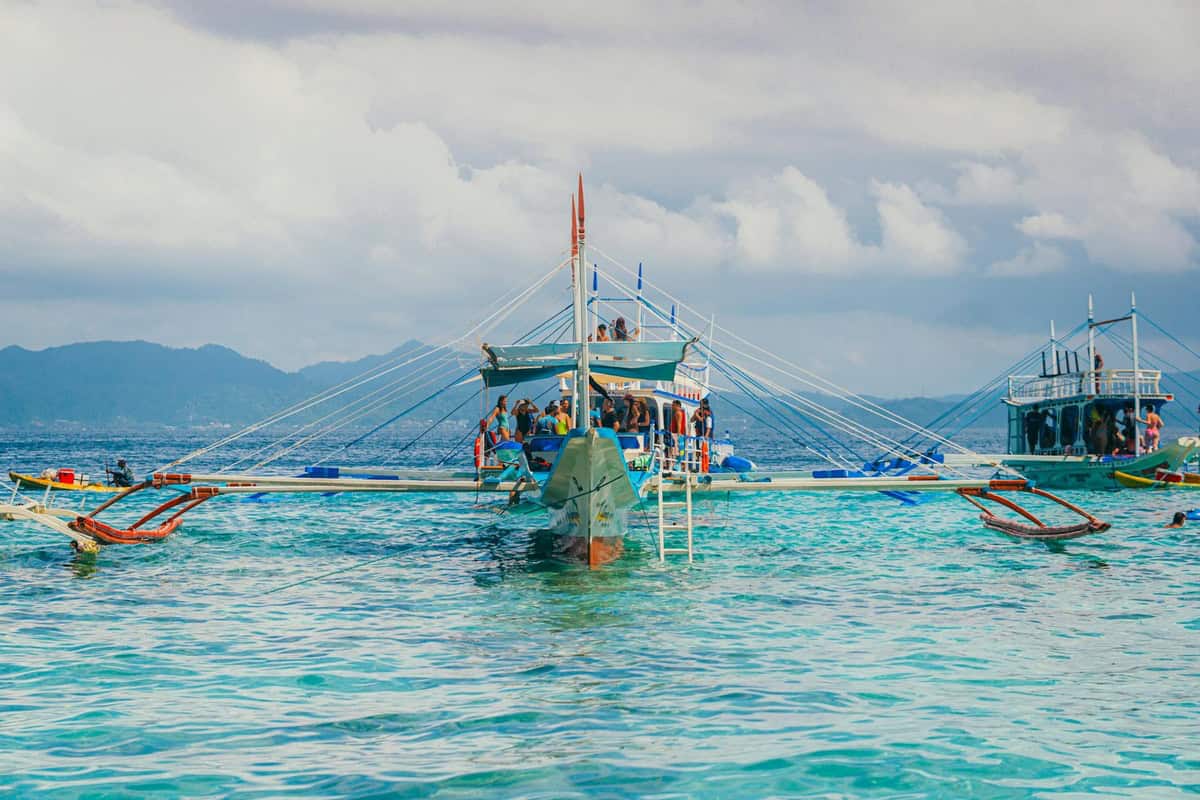
If you move locations every 3–4 days, transport averages out affordably.
Step 3: A Sample 7-Day Budget Island-Hopping Itinerary
Days 1–3: El Nido, Palawan
Fly into Puerto Princesa (cheaper than direct El Nido flights). Van to El Nido: $10–$12, about 5–6 hours.
Book Tour A or C — those are the best lagoons. Skip the premium “private Instagram boat” nonsense.
Kayak Big Lagoon early. The crowds arrive after 10am.
3-day average cost: ~$150 total.
Days 4–5: Coron
Fast ferry from El Nido: $35 (this is your biggest splurge).
Do one Ultimate Tour ($30–$35). Snorkel Japanese shipwrecks and Kayangan Lake.
Skip town nightlife — it’s overpriced and forgettable.
2-day average cost: ~$110–$120.
Days 6–7: Back to Budget Mode
Pick a quieter beach area outside the main town.
Rent a scooter for $8–$10/day and explore hidden beaches yourself instead of booking another tour.
2-day average cost: ~$90.
Total for 7 days: Around $350–$380, or roughly $50/day.
How to Avoid Tourist Traps
Island hopping is incredible — but some things are overrated.
- Private boat tours unless you’re in a group of 4+ (otherwise too expensive).
- Luxury eco-resorts charging $250+ a night — beautiful, but not budget travel.
- Airport transfers sold by hotels (often double the local rate).
- Imported alcohol bars — stick to local San Miguel beer for $1.
Be selective. Not everything labeled “exclusive” is better.
Spring 2026: Is April–May a Good Time?
Yes — this is prime dry season. Seas are calmer, visibility is excellent for snorkeling, and cancellations are rare.
The trade-off? It’s hot. Expect 30–34°C (86–93°F) midday.
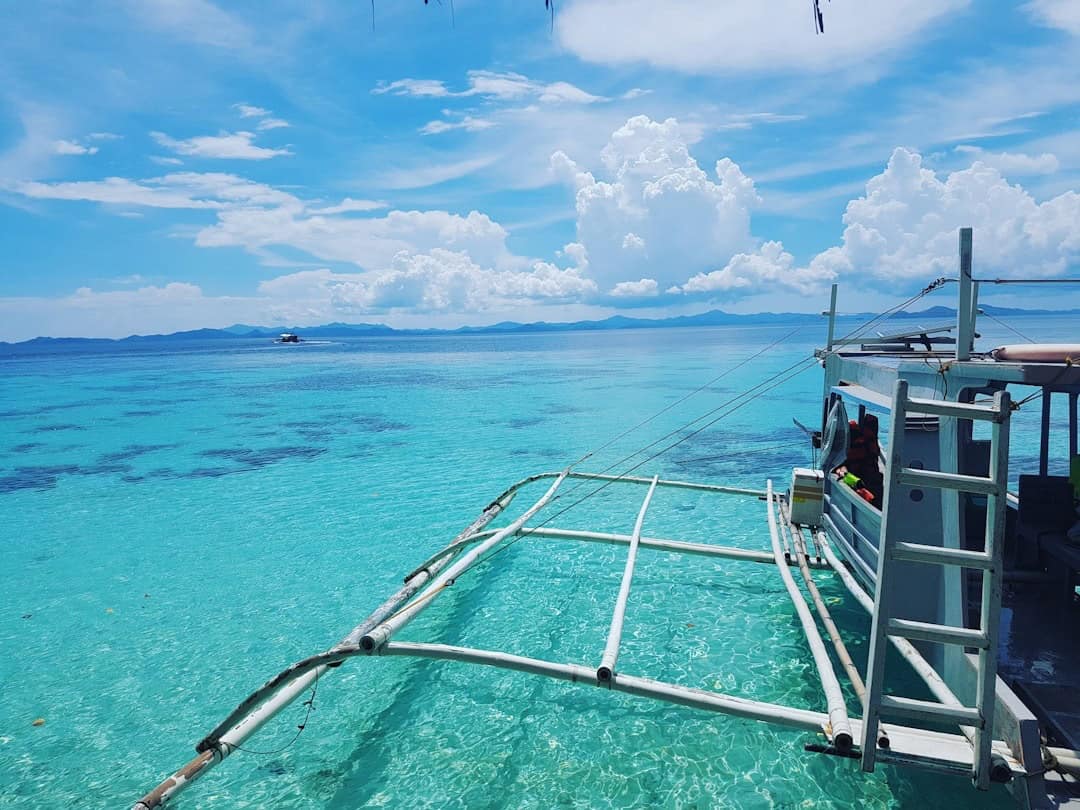
If you’re planning a bigger spring trip, this pairs well with other seasonal ideas like the festivals we covered in best places to travel for Easter 2026. The Philippines doesn’t do tulips — it does turquoise water.
Book accommodations at least 2–3 days in advance in April, especially in El Nido.
Tech Tips to Make Island Hopping Easier
Logistics in the Philippines are improving, but flexibility is key.
Download offline Google Maps. Wi-Fi is unpredictable outside town centers.
Use eSIMs instead of hunting for SIM cards at the airport. Globe generally has better coverage in Palawan.
If you like automating your bookings or comparing ferry options quickly, tools like the ones discussed in Claude’s new AI travel connectors can streamline transport and accommodation planning — especially when routes change last minute.
Always bring a dry bag. Always.
Money-Saving Pro Tips
- Travel in pairs. Splitting rooms cuts your daily cost by 30–40%.
- Stay 3+ nights. Many guesthouses discount longer stays.
- Eat local at lunch. Dinner spots tend to mark up prices.
- Carry small bills. Boat crews rarely have change.
- Move slower. Constant island transfers increase costs fast.
Is $50 a Day Still Realistic in 2026?
Yes — but barely if you chase Instagram luxury.
The Philippines can easily become a $100/day trip if you upgrade rooms, take multiple ferries, and drink imported cocktails every night.
But if you’re okay with fan rooms, local food, and shared boat tours, $45–$55/day is absolutely achievable.
And honestly? Watching the sunset from a plastic beach chair with a $1 beer tastes better than most five-star infinity pools.
Final Thoughts: Is Island Hopping in the Philippines Worth It?
Completely.
Few places deliver this level of natural beauty at this price point. Limestone cliffs, coral reefs, secret beaches — all accessible on a backpacker budget.
If you plan smart, move slow, and resist the luxury upsells, $50 a day goes further here than almost anywhere in Southeast Asia.
Ready to start mapping your route? Pick one region, book your first three nights, and let the islands handle the rest.
Frequently Asked Questions
How much does island hopping cost in the Philippines?
Group island hopping tours typically cost $20–$35 per day, including lunch and snorkeling gear. Private tours start around $120 per boat, making them affordable only for groups of 4 or more.
Is $50 a day enough for the Philippines in 2026?
Yes, if you stay in dorms or budget private rooms ($10–$20), eat local meals ($2–$4), and limit flights between islands. Luxury resorts and frequent transfers will quickly push you above $80–$100 per day.
What is the best island for budget travelers?
El Nido (Palawan) offers the most dramatic scenery with solid budget infrastructure, while Moalboal (Cebu) is slightly cheaper and less crowded. Both are excellent for $50-a-day travel.
When is the best time to go island hopping in the Philippines?
Dry season from December to May is ideal, with April–May offering calm seas and excellent snorkeling visibility. Expect hot temperatures around 30–34°C and book accommodations a few days ahead.

About the Author: Tomáš Bzirský
Founder and editor of Distratech. Based in the Czech Republic, travelling regularly from Central Europe. Writes practical travel guides and travel-tech comparisons (eSIM, apps, airports) in six languages.