The first time I stepped off the ferry onto Naoshima, I wasn’t prepared for how quiet it would be. Just the hum of a bicycle chain, the smell of sea air, and—suddenly—a giant red pumpkin by Yayoi Kusama staring back at me from the pier.
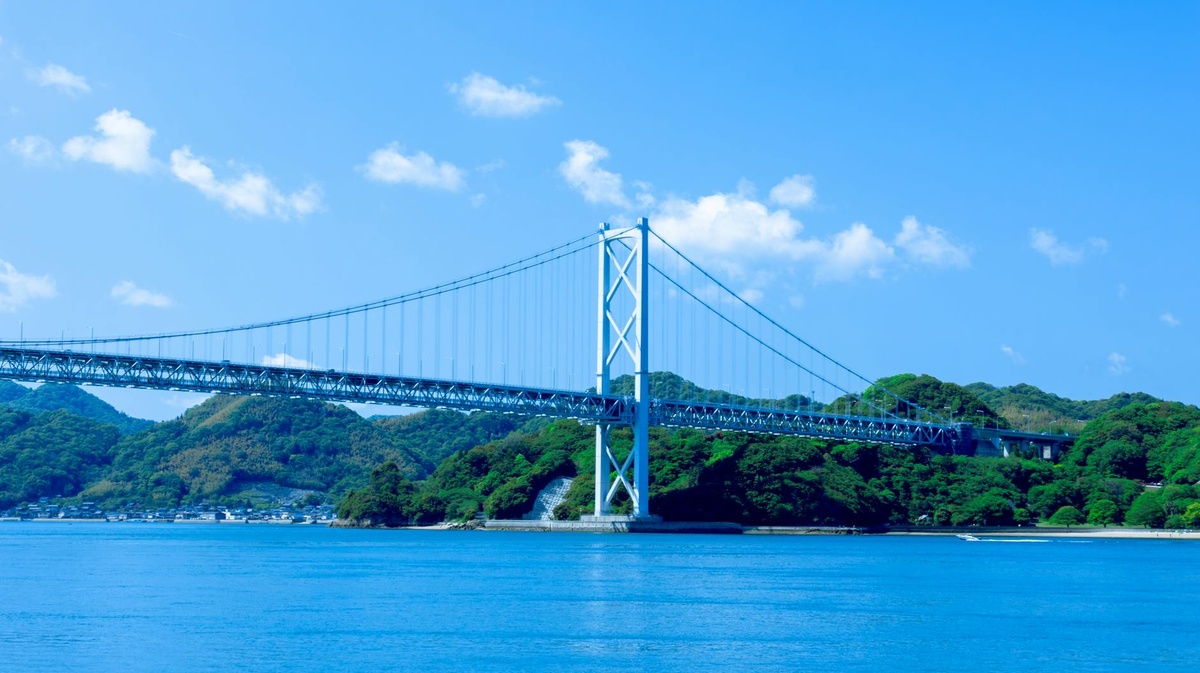
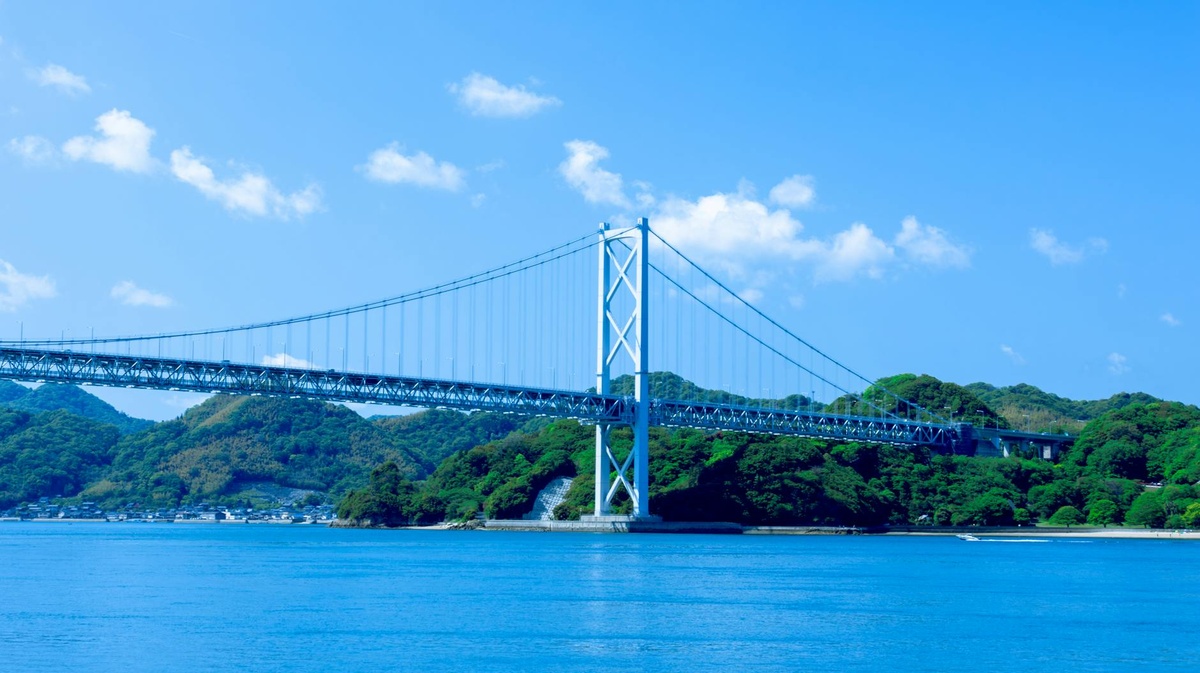
The Setouchi Triennale 2026 transforms Japan’s sleepy islands in the Seto Inland Sea into one of the most exciting contemporary art experiences in the world. If you’re planning a late spring or summer 2026 trip to Japan, this is your excuse to slow down and island-hop.
Key Takeaways
- Setouchi Triennale 2026 runs in seasonal sessions (spring, summer, autumn) across 12+ islands in the Seto Inland Sea.
- Base yourself in Takamatsu or Uno for easiest ferry access to Naoshima, Teshima, and Megijima.
- Ferries cost ¥300–¥1,500 per ride; budget ¥3,000–¥5,000 per day for island hopping.
- Reserve Benesse House Museum and popular installations online—timed entry often sells out in summer.
- Rent a bike on Naoshima (around ¥500–¥1,000/day) to avoid long uphill walks in humid weather.
What Is the Setouchi Triennale (And Why It’s Worth the Effort)
Held every three years since 2010, the Setouchi Triennale spreads site-specific art installations across small fishing islands between Honshu and Shikoku. It’s not a single museum—it’s an open-air treasure hunt.
Abandoned houses become light installations. Old schools turn into immersive soundscapes. You’ll find art in rice fields, forests, and along concrete seawalls.
In 2026, expect over 200 works scattered across islands including Naoshima, Teshima, Shodoshima, Megijima, Ogijima, and Inujima. Each island has a different personality—and that’s where smart planning makes all the difference.
Where to Base Yourself: Takamatsu vs. Uno
Your trip will revolve around ferries. Choose your base wisely.
Takamatsu (Kagawa Prefecture)
This is my top pick for first-timers. Takamatsu has more hotel options (from business hotels at ¥7,000/night to upscale stays), better restaurants, and direct ferry connections to multiple islands.
You can reach Takamatsu from Osaka in about 2.5–3 hours by train. The port is walkable from the station.
Bonus: you’re in udon country. Don’t leave without trying Sanuki udon for under ¥600 at a local shop.
Uno (Okayama Prefecture)
Uno is smaller and quieter. It’s ideal if your focus is Naoshima and Teshima only.
Trains from Okayama take about 50 minutes. Accommodation is limited, so book early for summer 2026 weekends.
If you want nightlife or dining variety, Takamatsu wins. If you want minimalist harbor vibes, choose Uno.
The “Big Three” Art Islands for First-Timers
1. Naoshima: The Icon
Naoshima is the face of the festival—and yes, it’s popular. But it’s popular for a reason.
Don’t miss:
- Benesse House Museum (contemporary art + sea views)
- Chichu Art Museum (Monet, Turrell, and Ando architecture underground)
- Art House Project in Honmura village
- Yayoi Kusama’s Red and Yellow Pumpkins
Rent a bike at Miyanoura Port. It’s hilly, and summer humidity can be intense by late June.
Tourist trap warning: mid-day lines at Chichu can stretch long without reservations. Book timed tickets online before you go.
2. Teshima: Quiet and Poetic
Teshima feels softer. Rice fields, fewer crowds, and one of Japan’s most serene museums.
The Teshima Art Museum—a concrete droplet-shaped structure—hosts a single installation of water droplets moving across the floor. It sounds simple. It’s mesmerizing.
Bring water and sunscreen. Facilities are limited, and distances between sites are longer than they look on the map.
3. Megijima & Ogijima: Easy Half-Day Stops
These two are close to Takamatsu and perfect for shorter visits.
Megijima blends art with folklore (it’s associated with the “Oni” demon legend). Ogijima has narrow alleyways and fantastic harbor views.
In late spring 2026, flowers and greenery make these islands especially photogenic.
How to Plan Your Ferry Routes (Without Losing Your Mind)
This is where most first-timers get overwhelmed.
Ferries are frequent but not constant. Miss one, and you could wait an hour or more.
Here’s a simple 2-day strategy:
- Day 1: Takamatsu → Naoshima (morning), explore all day, return evening.
- Day 2: Takamatsu → Teshima (morning), optional hop to Inujima or Megijima, return before sunset.
Buy tickets at the port on the day. Most ferries don’t require advance booking, but arrive 20–30 minutes early during summer weekends.
Download an offline map app before you go. Cellular service can be patchy on smaller islands. We’ve tested the best offline navigation apps for hiking and road trips, and they work surprisingly well for ferry-hopping too.
How Much Does It Cost?
Setouchi isn’t cheap—but it’s manageable with planning.
Rough daily budget (excluding flights to Japan):
- Accommodation: ¥7,000–¥15,000
- Ferries: ¥3,000–¥5,000
- Museum entries: ¥1,500–¥3,000
- Food: ¥2,000–¥4,000
Total: around ¥13,000–¥25,000 ($85–$160 USD) per day.
If you splurge on staying at Benesse House (a bucket-list experience), expect significantly more.
When to Visit in 2026
The Triennale runs in seasonal sessions—spring, summer, and autumn.
Late May and early June 2026 are sweet spots: mild temperatures (18–24°C), fewer domestic tourists, and lush landscapes.
July and August bring festival energy—but also heat and humidity. If you’re building a bigger Asia itinerary and trying to avoid extreme summer weather elsewhere, you might compare options with our guide to cool-weather destinations for July travel.
Autumn offers crisp air and golden light—arguably the most photogenic season.
Practical Travel Tips (Don’t Skip These)
- Book key museums in advance: Chichu Art Museum sells out on busy days.
- Travel light: Coin lockers at ports fill up quickly.
- Carry cash: Smaller cafes and bike rentals may not accept cards.
- Start early: First ferries are quieter and cooler.
- Check last ferry times twice: Missing one can mean an expensive taxi + train workaround.
Also, respect local residents. These are working communities, not theme parks. Keep noise down and follow photography rules inside installations.
Is the Setouchi Triennale Worth It?
Yes—if you like contemporary art, slow travel, and places that feel layered with history.
No—if you want neon Tokyo energy or instant gratification. This trip requires patience, ferry schedules, and a bit of walking.
But standing alone in a concrete art space listening to wind move across the sea? That’s the kind of travel moment you remember years later.
Final Thoughts: How to Make It an Unforgettable 2026 Trip
Give yourself at least two full days. Three is better.
Stay flexible, check ferry boards often, and don’t try to see every island. Pick three, go deep, and linger over udon back in Takamatsu.
If Japan is on your 2026 bucket list, the Setouchi Triennale is your chance to see a different side of the country—one shaped by sea, silence, and seriously good art.
Planning your summer trip now? Save this guide, map out your ferry routes, and book those museum tickets early. Future you will be grateful.
Looking for places to stay while you island-hop through the Setouchi Triennale: Find hotels in Setouchi to book early for 2026.
Frequently Asked Questions
When is the Setouchi Triennale 2026 held?
The festival runs in three seasonal sessions—spring, summer, and autumn 2026—typically spanning April to November with breaks in between. Check official dates for each session before booking ferries and accommodation.
How many days do you need for the Setouchi Triennale?
Two full days is the minimum for Naoshima and Teshima. Three days allows you to add a smaller island like Megijima or Inujima without rushing.
Do you need to book tickets in advance?
Yes for major museums like Chichu Art Museum and Benesse House during peak season. Ferries usually don’t require advance booking, but arrive 20–30 minutes early in summer.
Is Setouchi Triennale expensive?
Expect to spend ¥13,000–¥25,000 ($85–$160 USD) per day including accommodation, ferries, food, and museum tickets. Staying at Benesse House significantly increases your budget.

About the Author: Tomáš Bzirský
Founder and editor of Distratech. Based in the Czech Republic, travelling regularly from Central Europe. Writes practical travel guides and travel-tech comparisons (eSIM, apps, airports) in six languages.